Rutgers Cancer Institute of New Jersey, New Brunswick, New Jersey.
Department of Pathology, Robert Wood Johnson Medical School, Rutgers University, New Brunswick, New Jersey.
Cancer Res. 2021 Nov 1;81(21):5523-5539. doi: 10.1158/0008-5472.CAN-21-0897. Epub 2021 Aug 20.
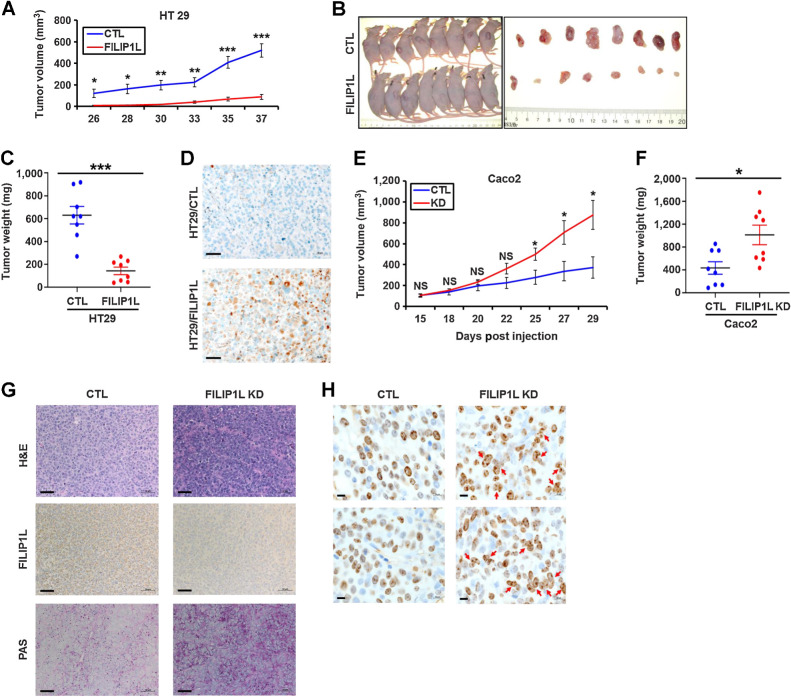
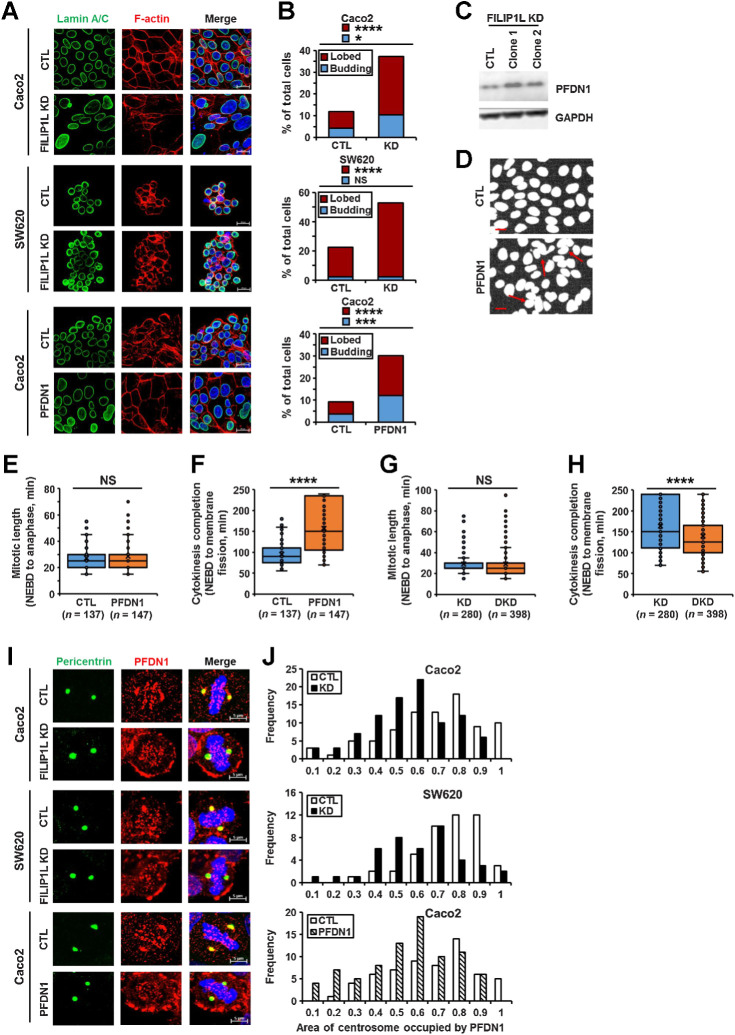
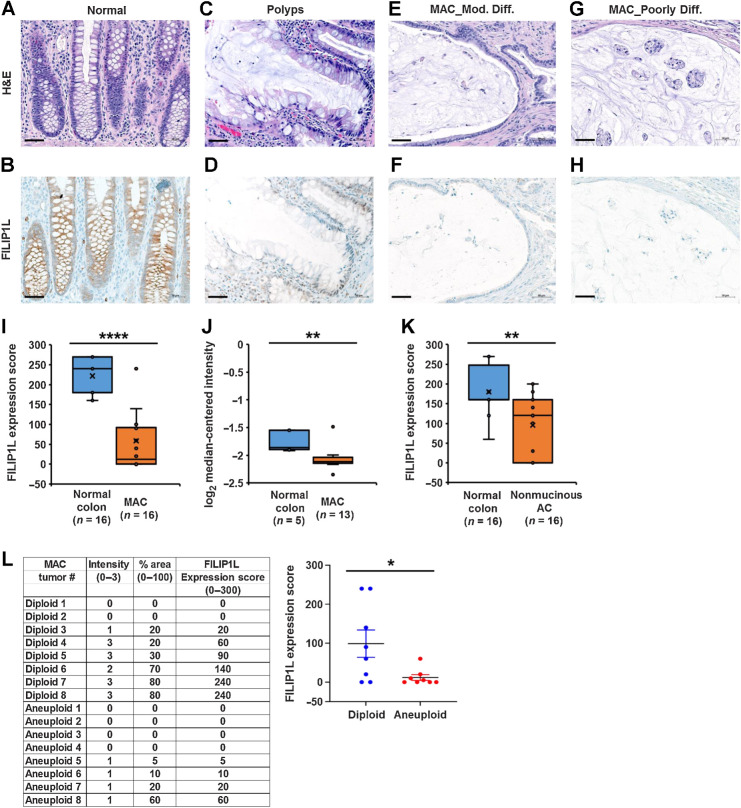
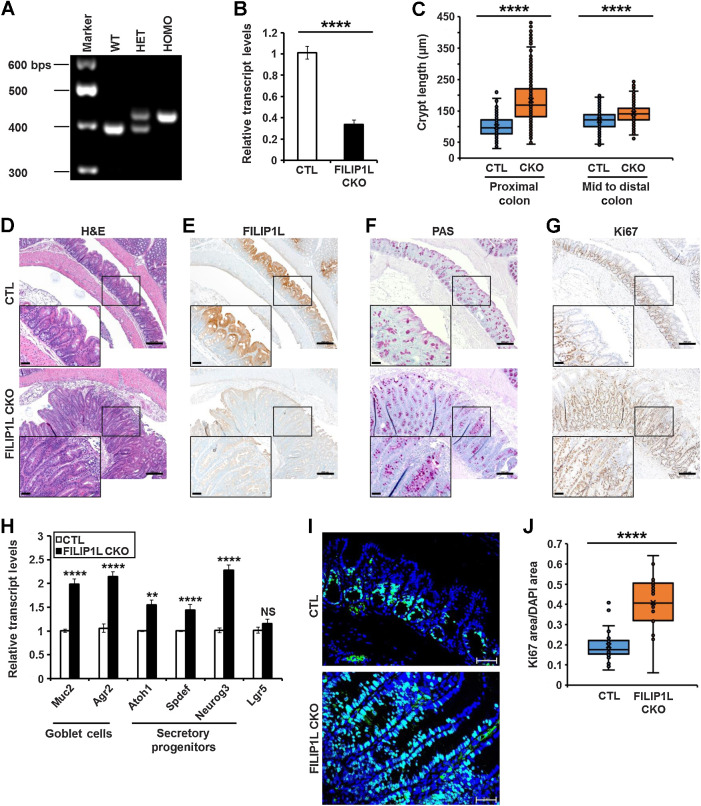
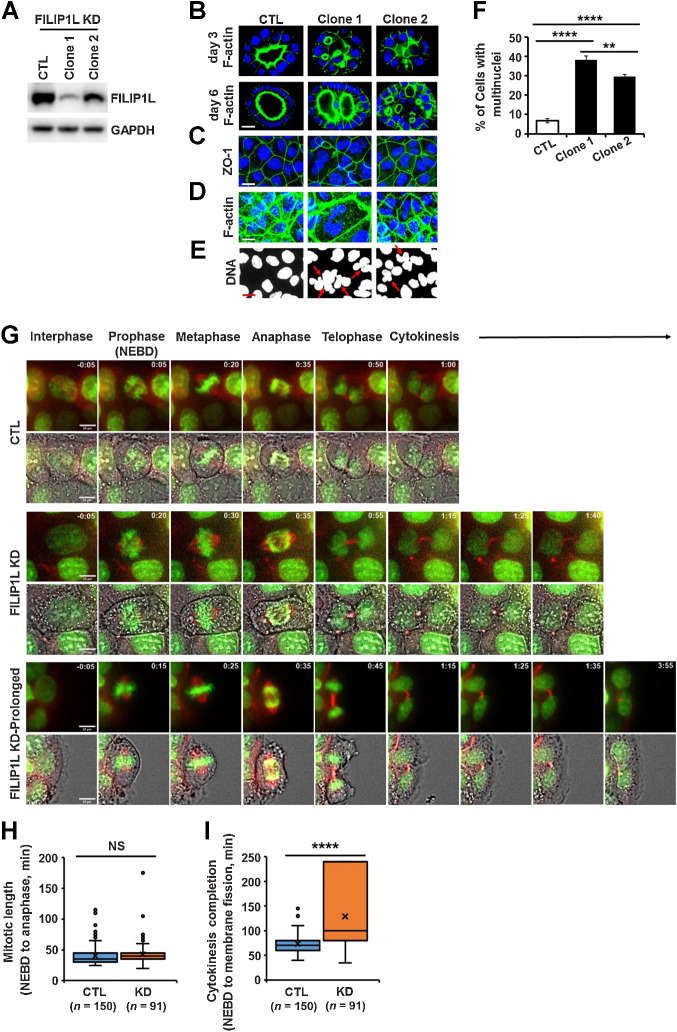
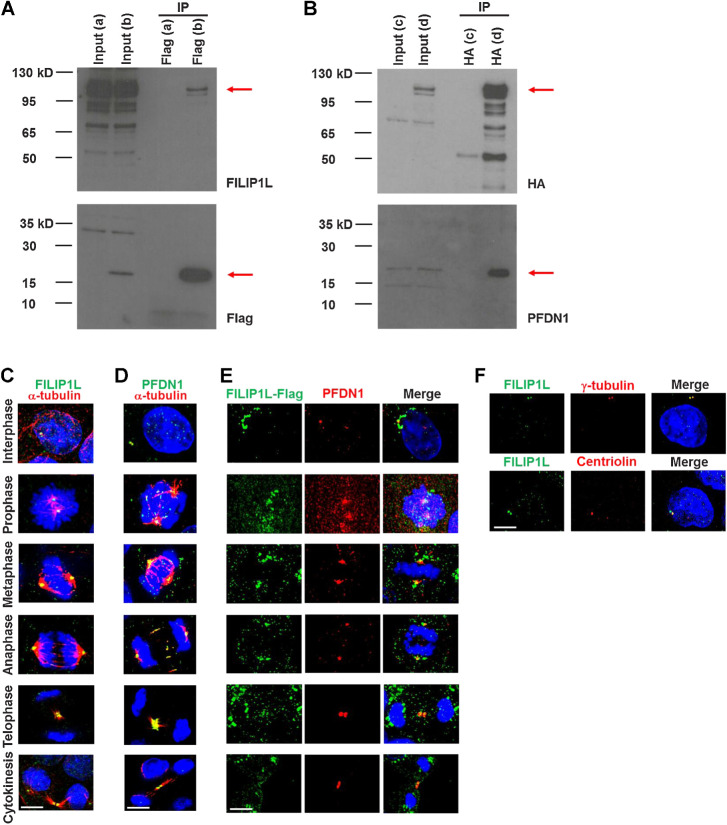
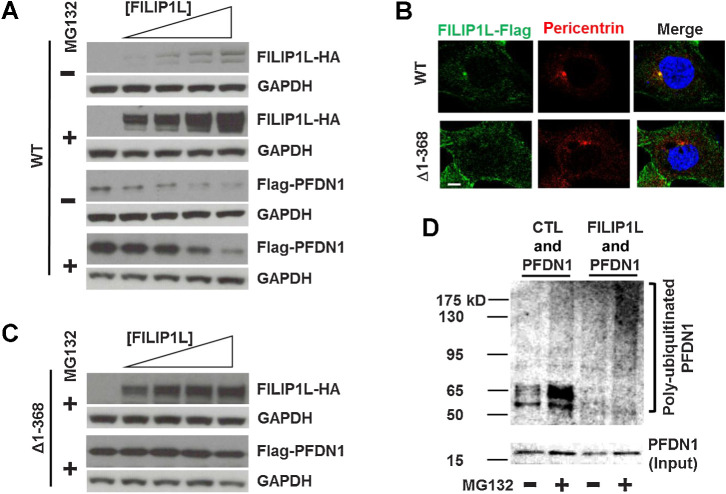
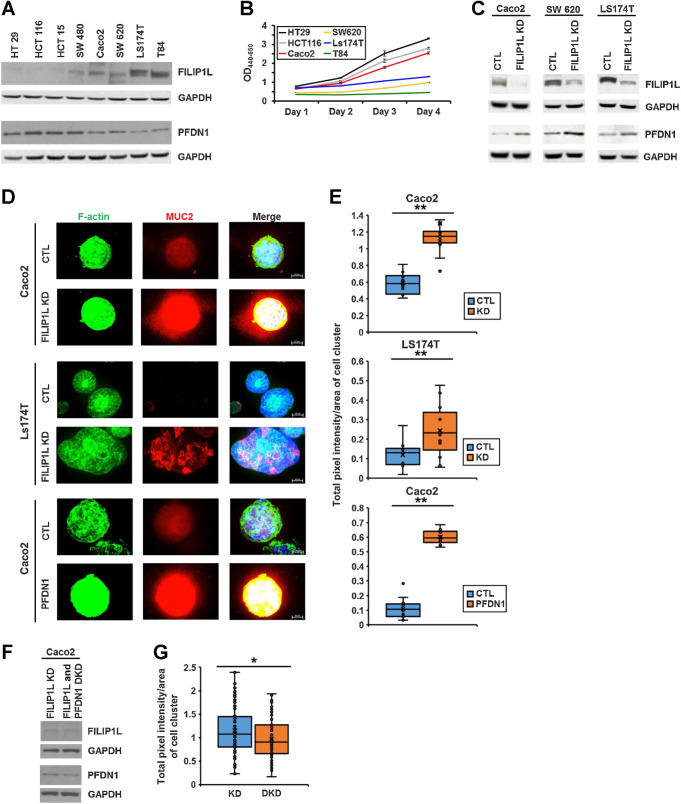
Aneuploid mucinous colorectal adenocarcinoma (MAC) is an aggressive subtype of colorectal cancer with poor prognosis. The tumorigenic mechanisms in aneuploid MAC are currently unknown. Here we show that downregulation of Filamin A-interacting protein 1-like (FILIP1L) is a driver of MAC. Loss of FILIP1L increased xenograft growth, and, in colon-specific knockout mice, induced colonic epithelial hyperplasia and mucin secretion. The molecular chaperone prefoldin 1 (PFDN1) was identified as a novel binding partner of FILIP1L at the centrosomes throughout mitosis. FILIP1L was required for proper centrosomal localization of PFDN1 and regulated proteasome-dependent degradation of PFDN1. Importantly, increased PFDN1, caused by downregulation of FILIP1L, drove multinucleation and cytokinesis defects and , which were confirmed by time-lapse imaging and 3D cultures of normal epithelial cells. Overall, these findings suggest that downregulation of FILIP1L and subsequent upregulation of PFDN1 is a driver of the unique neoplastic characteristics in aggressive aneuploid MAC. SIGNIFICANCE: This study identifies FILIP1L as a tumor suppressor in mucinous colon cancer and demonstrates that FILIP1L loss results in aberrant stabilization of a centrosome-associated chaperone protein to drive aneuploidy and disease progression.
非整倍体黏液性结直肠腺癌(MAC)是一种侵袭性结直肠癌亚型,预后不良。目前尚不清楚非整倍体 MAC 的肿瘤发生机制。在这里,我们表明 Filamin A 相互作用蛋白 1 样(FILIP1L)的下调是 MAC 的驱动因素。FILIP1L 的缺失增加了异种移植物的生长,并且在结肠特异性敲除小鼠中,诱导了结肠上皮细胞增生和粘蛋白分泌。分子伴侣 Prefoldin 1(PFDN1)被鉴定为在整个有丝分裂过程中中心体处与 FILIP1L 的新型结合伴侣。FILIP1L 是 PFDN1 正确定位于中心体所必需的,并调节 PFDN1 的蛋白酶体依赖性降解。重要的是,由 FILIP1L 下调引起的 PFDN1 增加,导致多核化和胞质分裂缺陷,这通过正常上皮细胞的延时成像和 3D 培养得到证实。总体而言,这些发现表明,FILIP1L 的下调和随后的 PFDN1 上调是驱动侵袭性非整倍体 MAC 独特肿瘤特征的原因。意义:本研究鉴定出 FILIP1L 是黏液性结肠癌的肿瘤抑制因子,并证明 FILIP1L 的缺失导致异常稳定的中心体相关伴侣蛋白,从而驱动非整倍体和疾病进展。