Mogenet Alice, Greillier Laurent, Tomasini Pascale
Aix Marseille University, CNRS, INSERM, CRCM, APHM, Multidisciplinary Oncology & Therapeutic Innovations Department, Marseille, France.
Pharmgenomics Pers Med. 2021 Aug 14;14:987-996. doi: 10.2147/PGPM.S267437. eCollection 2021.
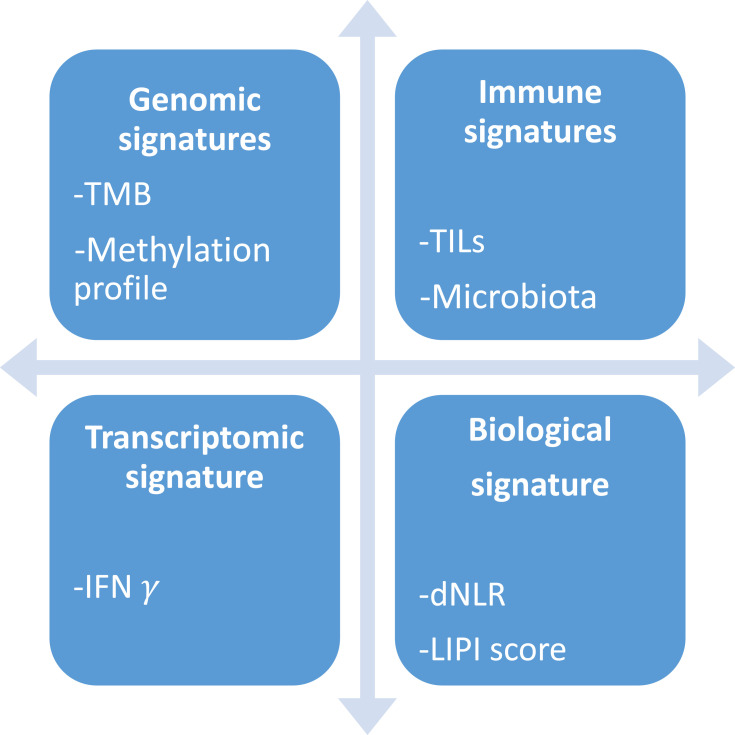
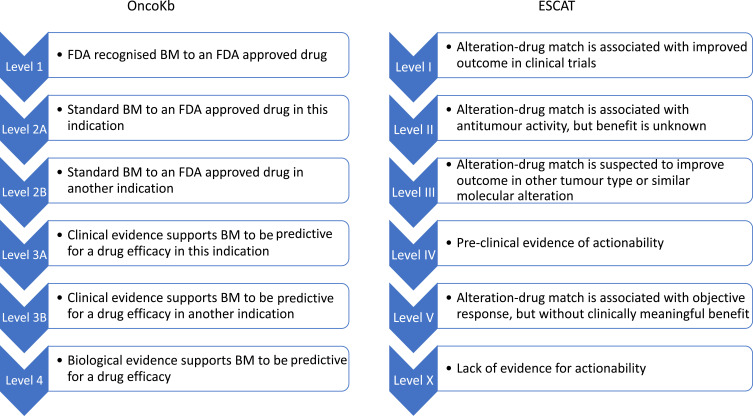
During the past decade, progress has been made in the field of lung cancer molecular biology and onco-immunology, leading to prolonged survival of patients. The combination of increased fundamental knowledge and the pharmaceutical pipeline has allowed the development of various tyrosine kinase inhibitors, targeting numerous molecular alterations. These drugs are now available in daily practice and have transformed survival outcomes for patients harboring or alterations. Multiple clinical trials are now ongoing in order to increase the number of approved drugs, thus overcoming the issues of rare mutations and tyrosine kinase inhibitors resistance. Immune checkpoint inhibitors development has also changed lung cancer outcomes, but underwhelming response rates highlight the need for immune biomarkers. While PD-L1 expression was the first approved immune biomarker, it has shown several limitations and new biomarkers have to be identified to predict response or resistance to immune checkpoint inhibitors. Testing methods, molecular results and targeted therapeutic schedules will be harmonized in the coming years, with the help of dedicated molecular multidisciplinary boards.
在过去十年中,肺癌分子生物学和肿瘤免疫学领域取得了进展,延长了患者的生存期。基础知识的增加与制药产品线相结合,使得能够开发出针对多种分子改变的各种酪氨酸激酶抑制剂。这些药物现已应用于日常临床实践,并改变了携带特定改变的患者的生存结局。目前正在进行多项临床试验,以增加获批药物的数量,从而克服罕见突变和酪氨酸激酶抑制剂耐药性的问题。免疫检查点抑制剂的开发也改变了肺癌的治疗结果,但令人失望的缓解率凸显了对免疫生物标志物的需求。虽然程序性死亡配体1(PD-L1)表达是首个获批的免疫生物标志物,但它已显示出若干局限性,必须识别新的生物标志物来预测对免疫检查点抑制剂的反应或耐药性。在专门的分子多学科委员会的帮助下,未来几年检测方法、分子结果和靶向治疗方案将实现统一。