Biomedical Engineering Department, University of Connecticut, Storrs, CT 06269, USA.
Division of Cardiology, University of Massachusetts Medical School, Worcester, MA 01655, USA.
Biosensors (Basel). 2021 Aug 9;11(8):269. doi: 10.3390/bios11080269.
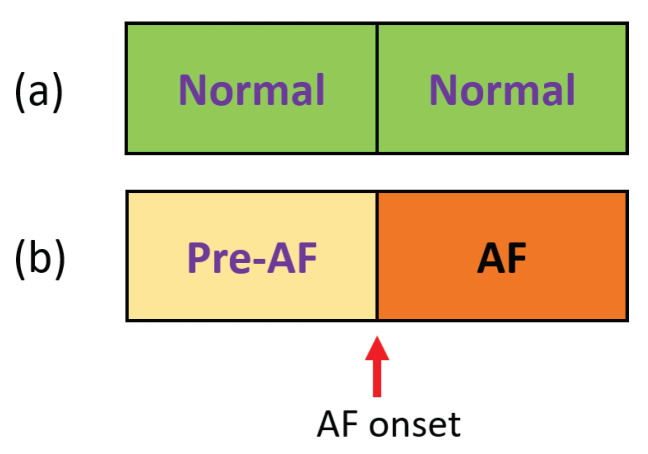
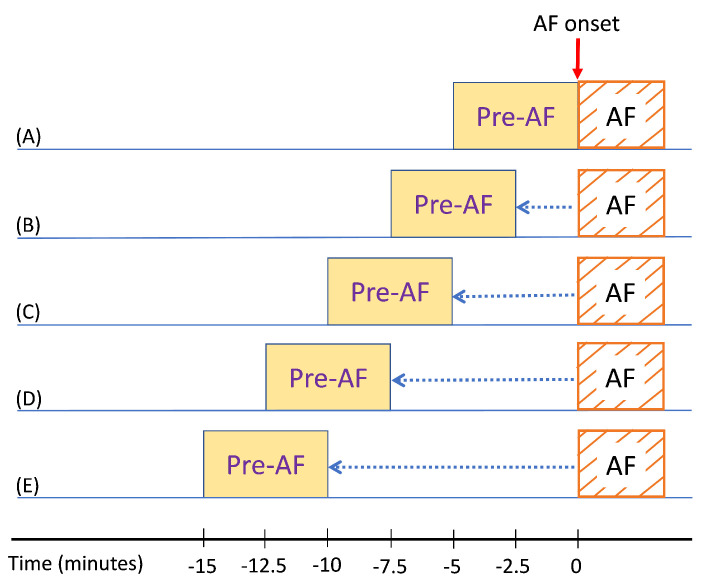
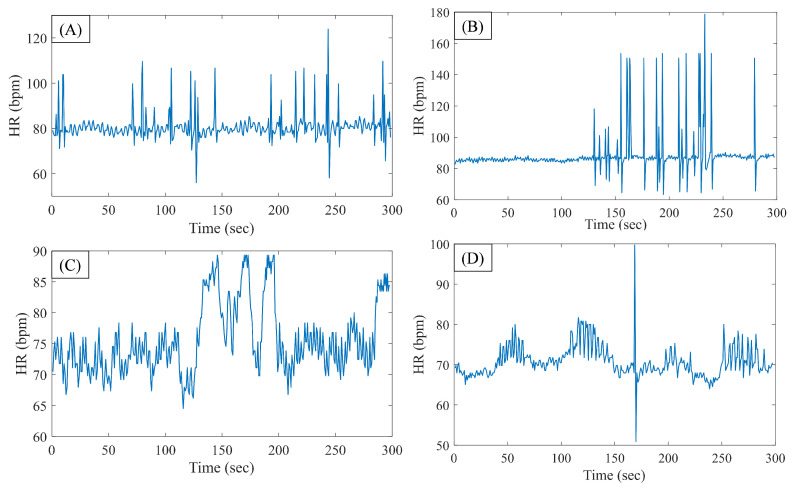
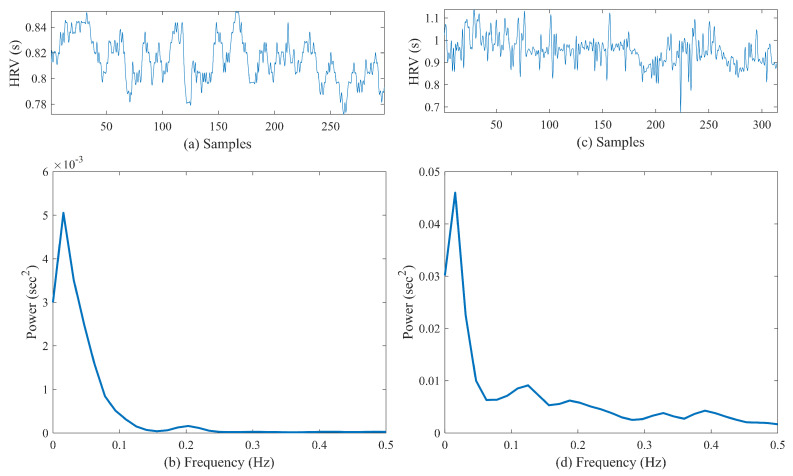
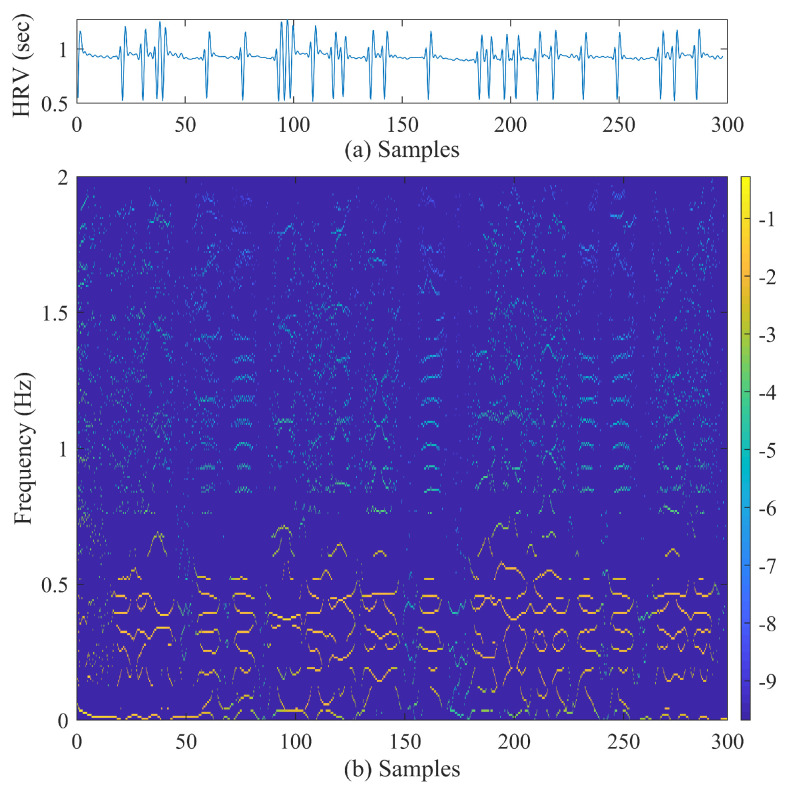
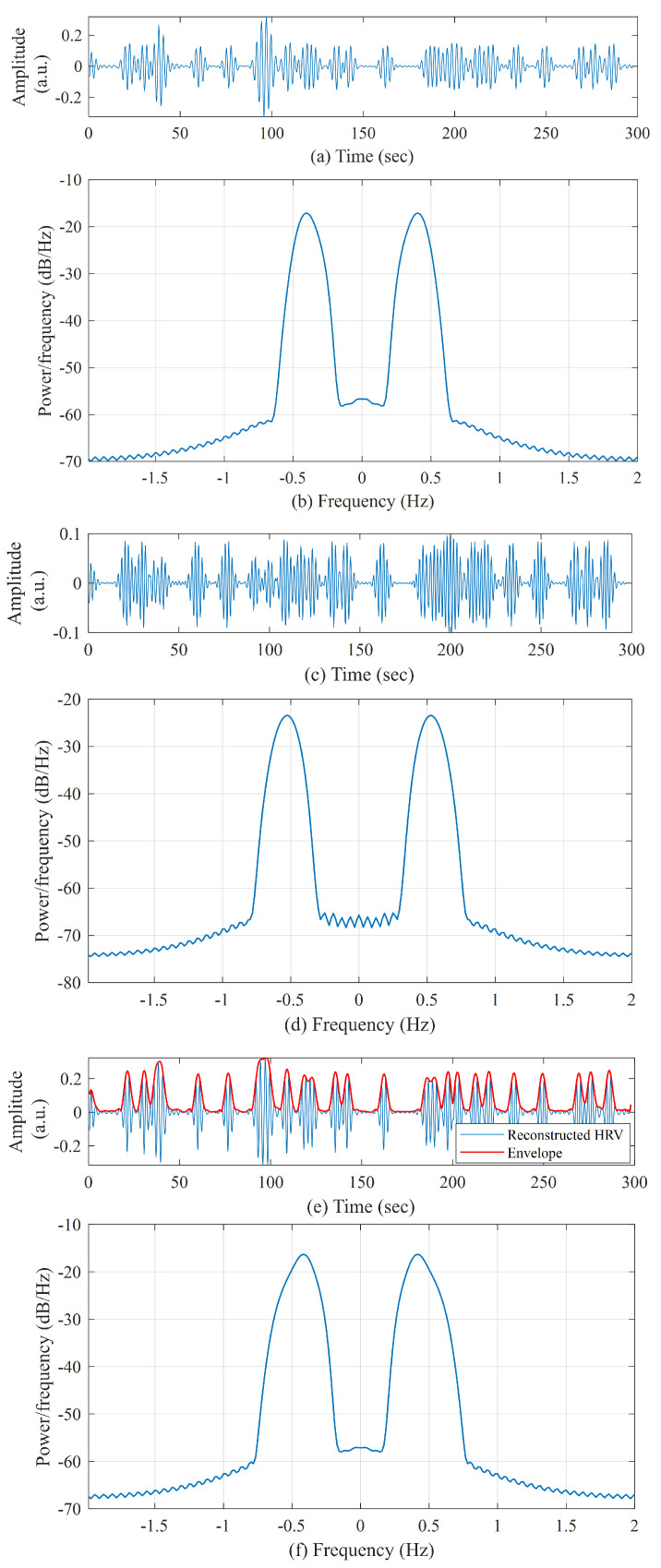
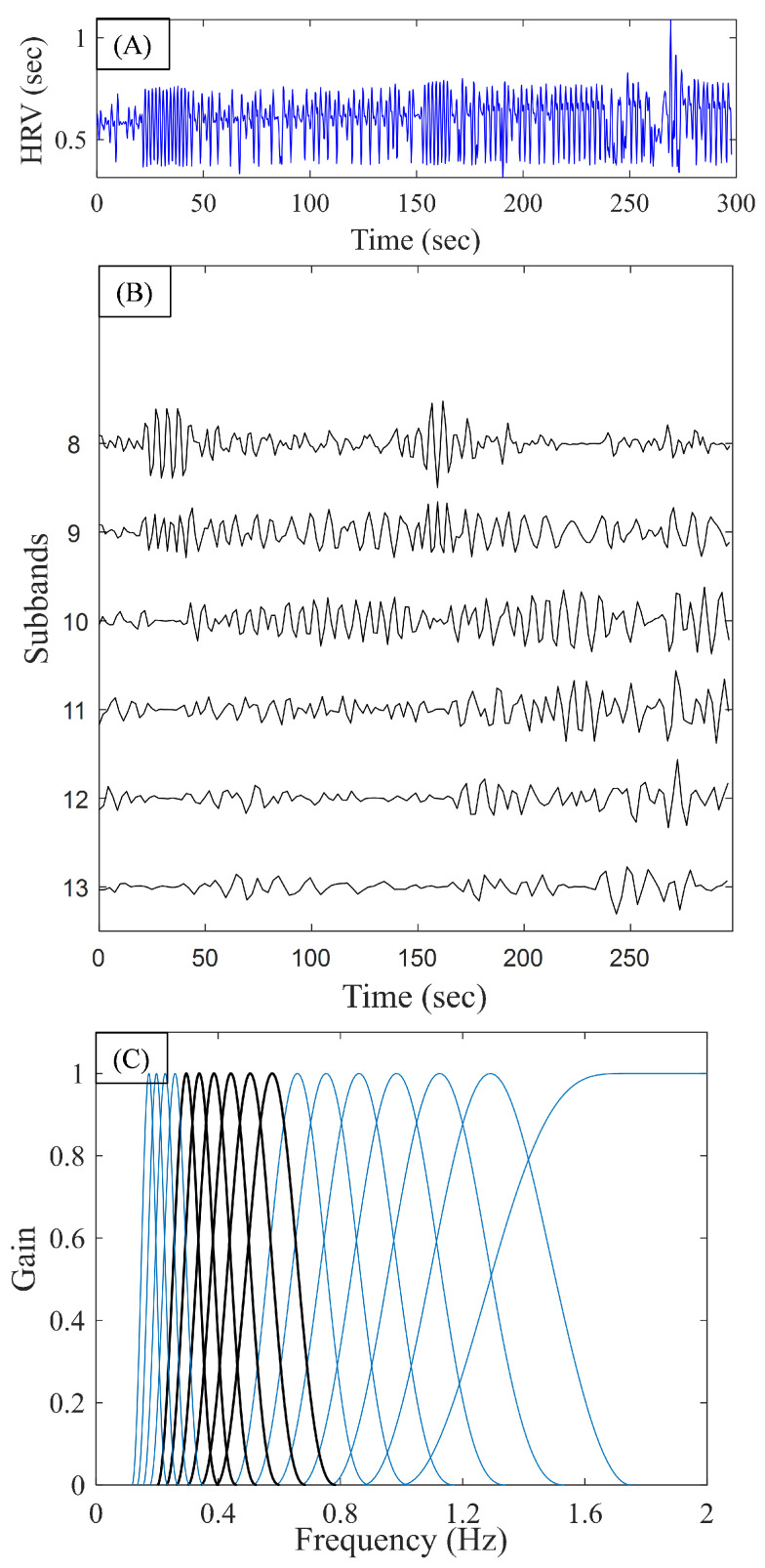
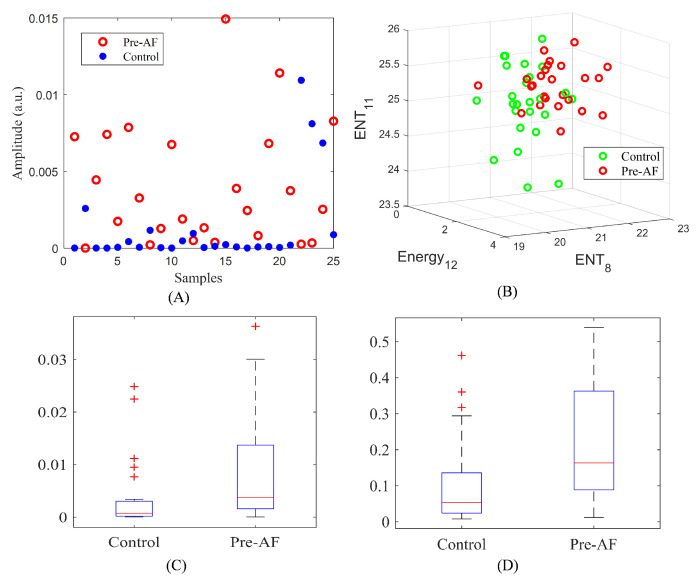
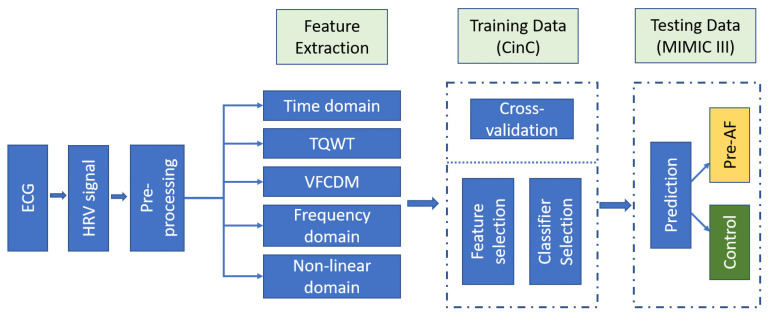
Sepsis is defined by life-threatening organ dysfunction during infection and is the leading cause of death in hospitals. During sepsis, there is a high risk that new onset of atrial fibrillation (AF) can occur, which is associated with significant morbidity and mortality. Consequently, early prediction of AF during sepsis would allow testing of interventions in the intensive care unit (ICU) to prevent AF and its severe complications. In this paper, we present a novel automated AF prediction algorithm for critically ill sepsis patients using electrocardiogram (ECG) signals. From the heart rate signal collected from 5-min ECG, feature extraction is performed using the traditional time, frequency, and nonlinear domain methods. Moreover, variable frequency complex demodulation and tunable Q-factor wavelet-transform-based time-frequency methods are applied to extract novel features from the heart rate signal. Using a selected feature subset, several machine learning classifiers, including support vector machine (SVM) and random forest (RF), were trained using only the 2001 Computers in Cardiology data set. For testing the proposed method, 50 critically ill ICU subjects from the Medical Information Mart for Intensive Care (MIMIC) III database were used in this study. Using distinct and independent testing data from MIMIC III, the SVM achieved 80% sensitivity, 100% specificity, 90% accuracy, 100% positive predictive value, and 83.33% negative predictive value for predicting AF immediately prior to the onset of AF, while the RF achieved 88% AF prediction accuracy. When we analyzed how much in advance we can predict AF events in critically ill sepsis patients, the algorithm achieved 80% accuracy for predicting AF events 10 min early. Our algorithm outperformed a state-of-the-art method for predicting AF in ICU patients, further demonstrating the efficacy of our proposed method. The annotations of patients' AF transition information will be made publicly available for other investigators. Our algorithm to predict AF onset is applicable for any ECG modality including patch electrodes and wearables, including Holter, loop recorder, and implantable devices.
脓毒症是指感染期间危及生命的器官功能障碍,是医院死亡的主要原因。在脓毒症期间,新发生心房颤动 (AF) 的风险很高,这与显著的发病率和死亡率相关。因此,早期预测脓毒症期间的 AF 可以允许在重症监护病房 (ICU) 中测试干预措施,以预防 AF 及其严重并发症。在本文中,我们提出了一种使用心电图 (ECG) 信号对危重病脓毒症患者进行自动 AF 预测的新算法。从 5 分钟 ECG 采集的心率信号中,使用传统的时间、频率和非线性域方法进行特征提取。此外,还应用变频率复解调和可调 Q 因子小波变换的时频方法从心率信号中提取新的特征。使用选定的特征子集,使用仅来自 2001 年计算机在心脏病学数据集中的几种机器学习分类器,包括支持向量机 (SVM) 和随机森林 (RF) 进行训练。为了测试所提出的方法,本研究使用了来自 Medical Information Mart for Intensive Care (MIMIC) III 数据库的 50 名危重病 ICU 患者。使用来自 MIMIC III 的不同和独立的测试数据,SVM 在 AF 发作前立即预测 AF 时达到 80%的灵敏度、100%的特异性、90%的准确性、100%的阳性预测值和 83.33%的阴性预测值,而 RF 达到 88%的 AF 预测准确性。当我们分析可以提前多久预测危重病脓毒症患者的 AF 事件时,该算法可以提前 10 分钟预测 AF 事件,准确率达到 80%。我们的算法在预测 ICU 患者的 AF 方面优于最先进的方法,进一步证明了我们提出的方法的有效性。患者 AF 转换信息的注释将公开发布供其他研究人员使用。我们预测 AF 发作的算法适用于任何 ECG 模式,包括贴片电极和可穿戴设备,包括 Holter、环路记录器和植入式设备。