Department of Physical Therapy and Graduate Institute of Rehabilitation Science, China Medical University, Taichung 40402, Taiwan.
Department of Rehabilitation, China Medical University Hospital, Taichung 40402, Taiwan.
Int J Mol Sci. 2021 Aug 11;22(16):8654. doi: 10.3390/ijms22168654.
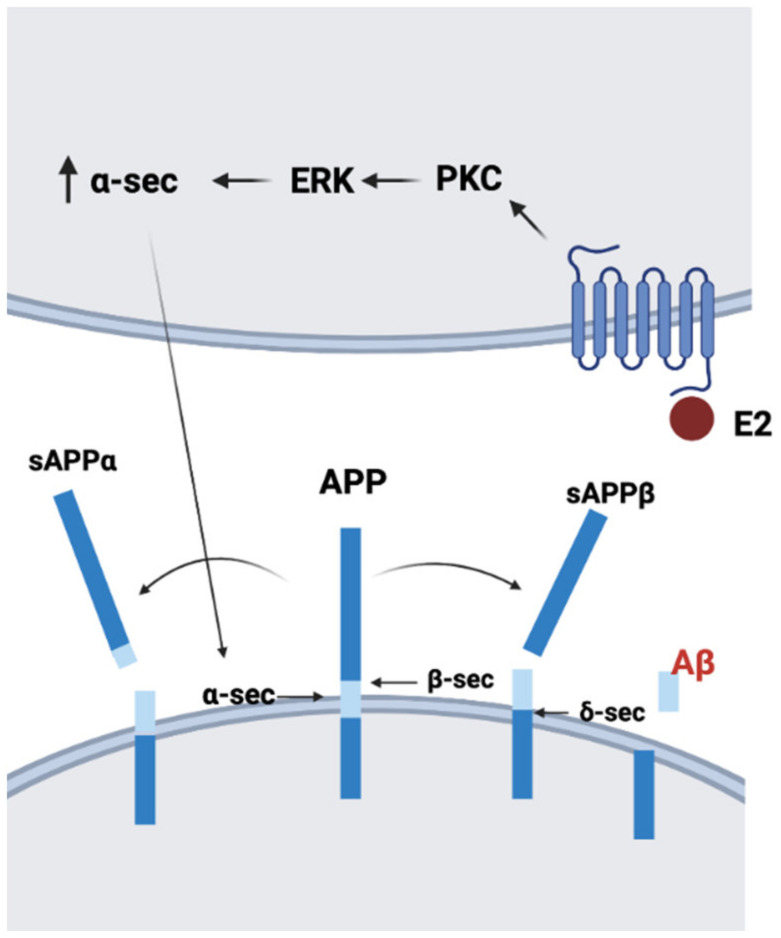
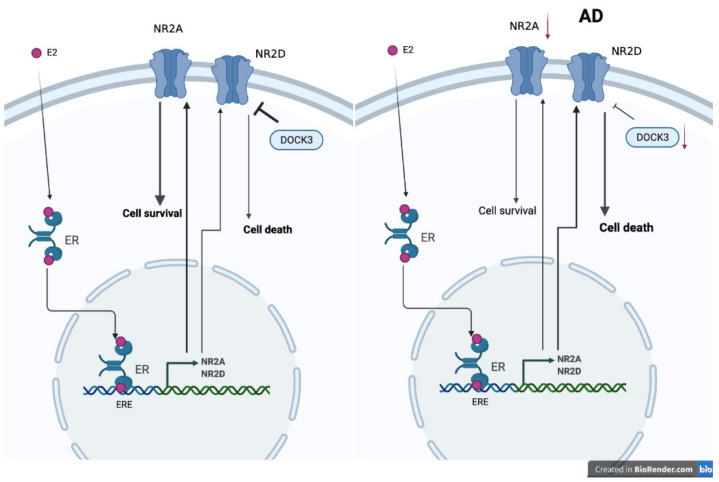
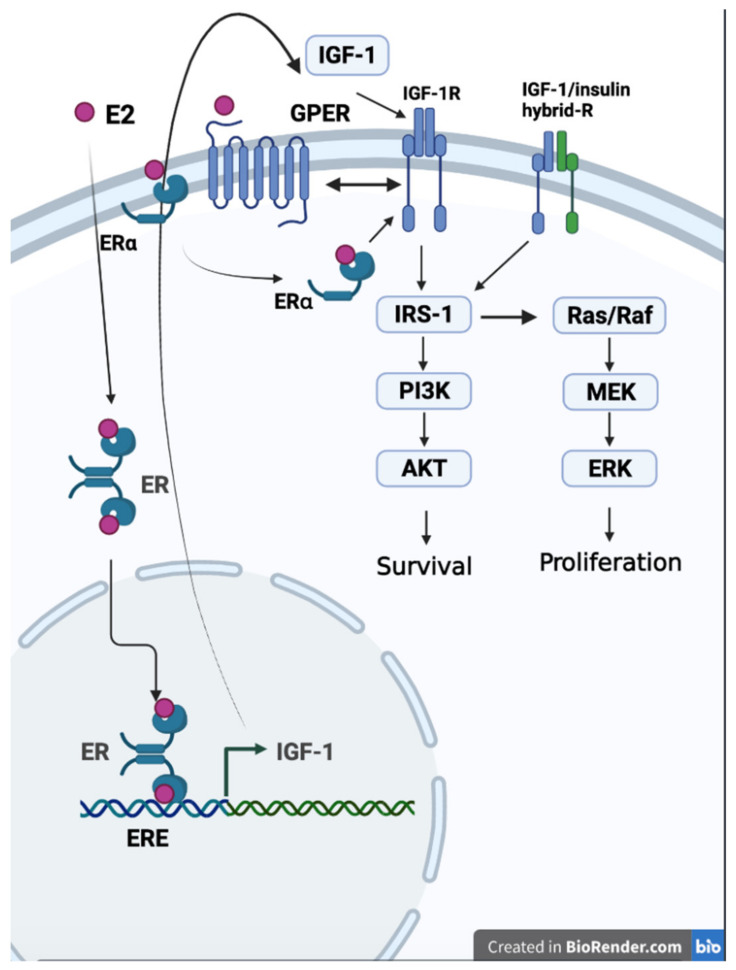
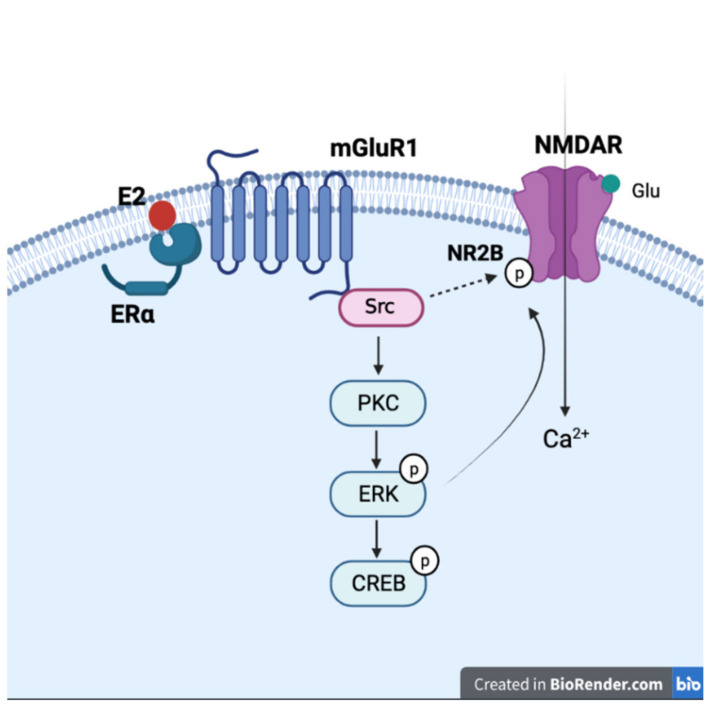
The impacts of menopause on neurodegenerative diseases, especially the changes in steroid hormones, have been well described in cell models, animal models, and humans. However, the therapeutic effects of hormone replacement therapy on postmenopausal women with neurodegenerative diseases remain controversial. The steroid hormones, steroid hormone receptors, and downstream signal pathways in the brain change with aging and contribute to disease progression. Estrogen and progesterone are two steroid hormones which decline in circulation and the brain during menopause. Insulin-like growth factor 1 (IGF-1), which plays an import role in neuroprotection, is rapidly decreased in serum after menopause. Here, we summarize the actions of estrogen, progesterone, and IGF-1 and their signaling pathways in the brain. Since the incidence of Alzheimer's disease (AD) is higher in women than in men, the associations of steroid hormone changes and AD are emphasized. The signaling pathways and cellular mechanisms for how steroid hormones and IGF-1 provide neuroprotection are also addressed. Finally, the molecular mechanisms of potential estrogen modulation on N-methyl-d-aspartic acid receptors (NMDARs) are also addressed. We provide the viewpoint of why hormone therapy has inconclusive results based on signaling pathways considering their complex response to aging and hormone treatments. Nonetheless, while diagnosable AD may not be treatable by hormone therapy, its preceding stage of mild cognitive impairment may very well be treatable by hormone therapy.
绝经期对神经退行性疾病的影响,尤其是甾体激素的变化,在细胞模型、动物模型和人类中都有很好的描述。然而,激素替代疗法对患有神经退行性疾病的绝经后妇女的治疗效果仍存在争议。大脑中的甾体激素、甾体激素受体和下游信号通路随年龄增长而变化,并导致疾病进展。雌激素和孕激素是两种甾体激素,在绝经期间会在循环和大脑中减少。胰岛素样生长因子 1(IGF-1)在神经保护中起着重要作用,绝经后其在血清中的含量迅速下降。在这里,我们总结了雌激素、孕激素和 IGF-1及其在大脑中的信号通路的作用。由于阿尔茨海默病(AD)的发病率在女性中高于男性,因此强调了甾体激素变化与 AD 的关系。还讨论了甾体激素和 IGF-1 提供神经保护的信号通路和细胞机制。最后,还讨论了潜在的雌激素对 N-甲基-D-天冬氨酸受体(NMDAR)的调节的分子机制。我们提供了为什么激素治疗基于信号通路的复杂反应对衰老和激素治疗没有明确结果的观点。尽管如此,虽然可诊断的 AD 可能不能通过激素治疗来治疗,但它的轻度认知障碍的前期阶段很可能可以通过激素治疗来治疗。