Department of Cardiology, St. Thomas' Hospital, Westminster Bridge Rd, London SE1 7EH, UK.
Department of Cardiovascular Imaging, Arrhythmia Research Group, King's College London, School of Biomedical Engineering & Imaging Sciences, London, UK.
Europace. 2022 Feb 2;24(2):181-192. doi: 10.1093/europace/euab178.
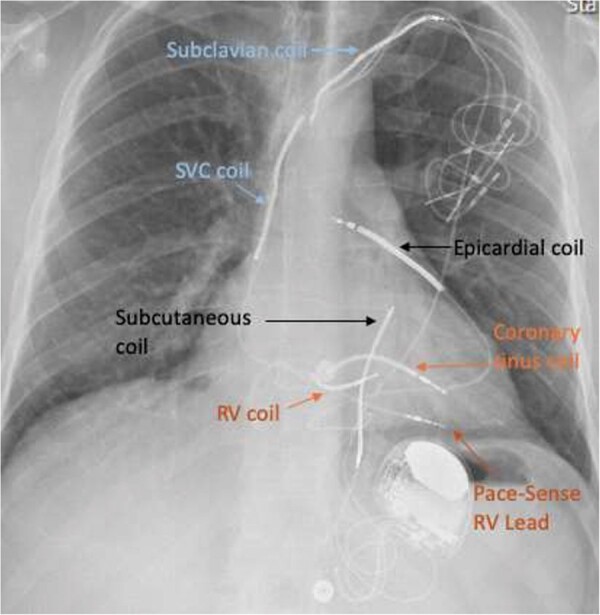
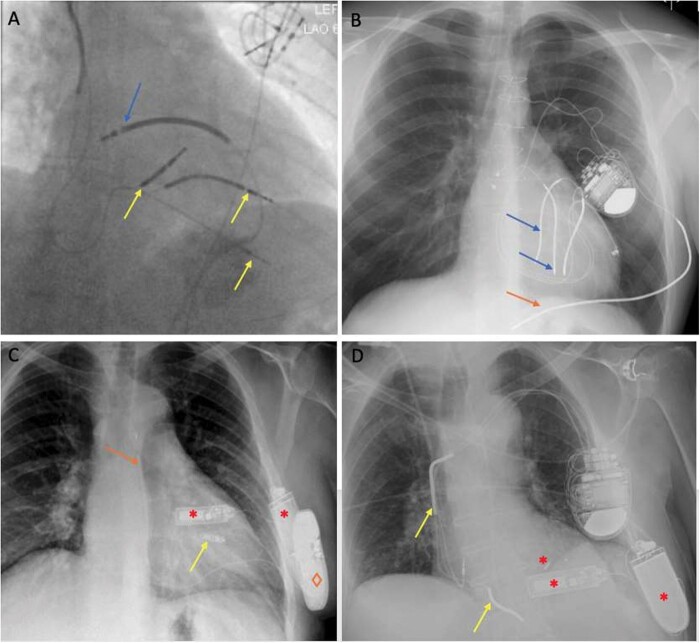
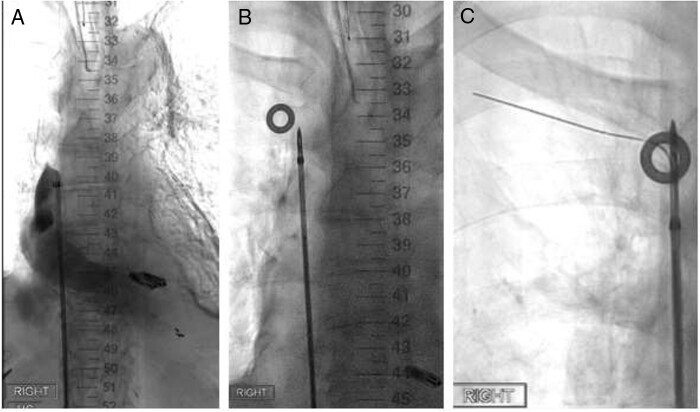
Implantable cardioverter-defibrillators (ICDs) have revolutionized the treatment of acquired or inherited cardiac diseases associated with a high risk of sudden cardiac death due to ventricular tachyarrhythmias. Contemporary ICD devices offer reliable arrhythmia detection and discrimination algorithms and deliver highly efficient tachytherapies. Percutaneously inserted transvenous defibrillator coils with pectoral generator placement are the first-line approach in the majority of adults due to their extensively documented clinical benefit and efficiency with comparably low periprocedural implantation risks as well as the option of providing pain-free tachycardia treatment via anti-tachycardia pacing (ATP), concomitant bradycardiaprotection, and incorporation in a cardiac resynchronization therapy if indicated. Yet, expanding ICD indications particularly among younger and more complex patient groups as well as the increasingly evident long-term consequences and complications associated with intravascular lead placements promoted the development of alternative ICD configurations. Most established in daily clinical practice is the subcutaneous ICD but other innovative extravascular approaches like epicardial, pericardial, extra-pleural, and most recently substernal defibrillator coil placements have been introduced as well to overcome shortcomings associated with traditional devices and allow for individualized treatment strategies tailored to the patients characteristics and needs. The review aims to provide practical solutions for common complications encountered with transvenous ICD systems including restricted venous access, high defibrillation/fibrillation thresholds (DFTs), and recurrent device infections. We summarize the contemporary options for non-traditional extravascular ICD configurations outlining indications, advantages, and disadvantages.
植入式心脏复律除颤器(ICD)彻底改变了治疗获得性或遗传性心脏病的方法,这些疾病由于室性心动过速而存在较高的心脏性猝死风险。当代 ICD 设备提供可靠的心律失常检测和鉴别算法,并提供高效的心动过速治疗。由于其广泛记录的临床益处和效率,以及通过抗心动过速起搏(ATP)提供无痛心动过速治疗、伴随的心动过缓保护以及在需要时纳入心脏再同步治疗的选择,经皮插入的经静脉除颤器线圈和胸肌发生器放置是大多数成年人的一线方法,同时其围手术期植入风险相对较低。然而,随着 ICD 适应证的不断扩大,特别是在年轻和更复杂的患者群体中,以及与血管内导线放置相关的长期后果和并发症日益明显,促进了替代 ICD 配置的发展。在日常临床实践中应用最广泛的是皮下 ICD,但其他创新的血管外方法,如心外膜、心包、胸腔外和最近的胸骨后除颤器线圈放置,也已被引入,以克服传统设备的缺点,并允许根据患者的特点和需求制定个体化的治疗策略。本综述旨在为经静脉 ICD 系统遇到的常见并发症提供实用的解决方案,包括静脉通路受限、高除颤/纤维性颤动阈值(DFTs)和反复发生的设备感染。我们总结了非传统血管外 ICD 配置的当代选择,概述了适应证、优点和缺点。