Department of Neuroscience, College of Medicine, University of Florida, BMS J483/CTRND, 1275 Center Drive, Gainesville, FL, 32610, USA.
Center for Translational Research in Neurodegenerative Disease, College of Medicine, University of Florida, Gainesville, FL, 32610, USA.
Acta Neuropathol Commun. 2021 Aug 28;9(1):146. doi: 10.1186/s40478-021-01242-2.
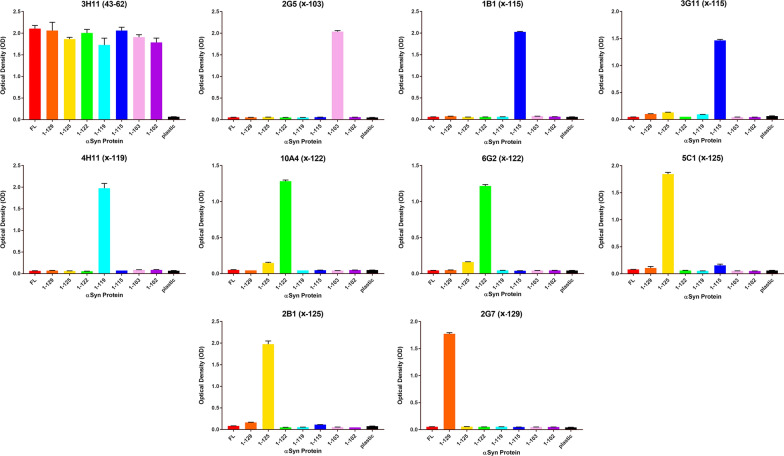
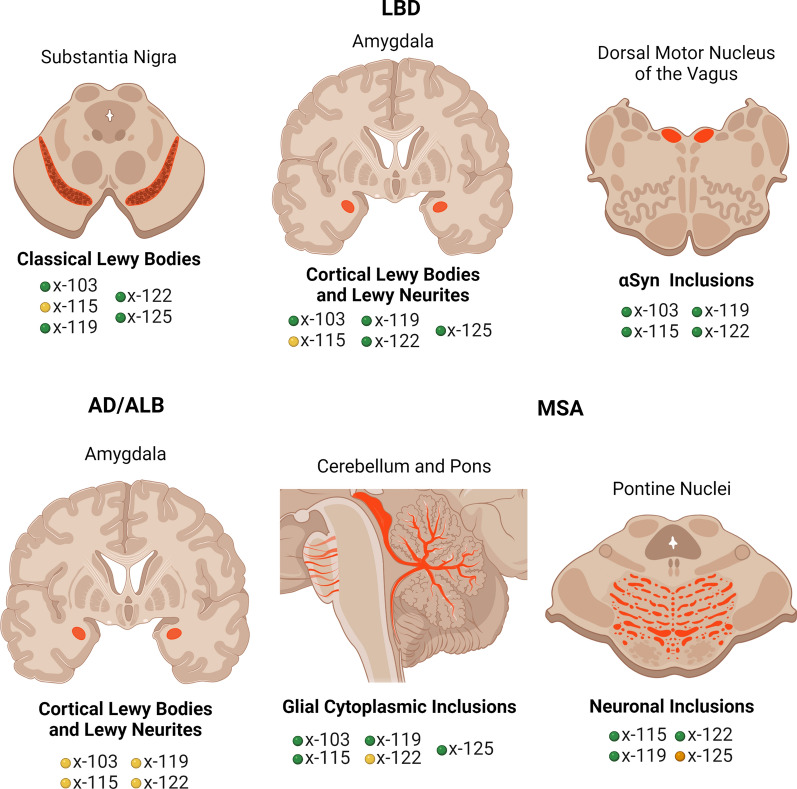
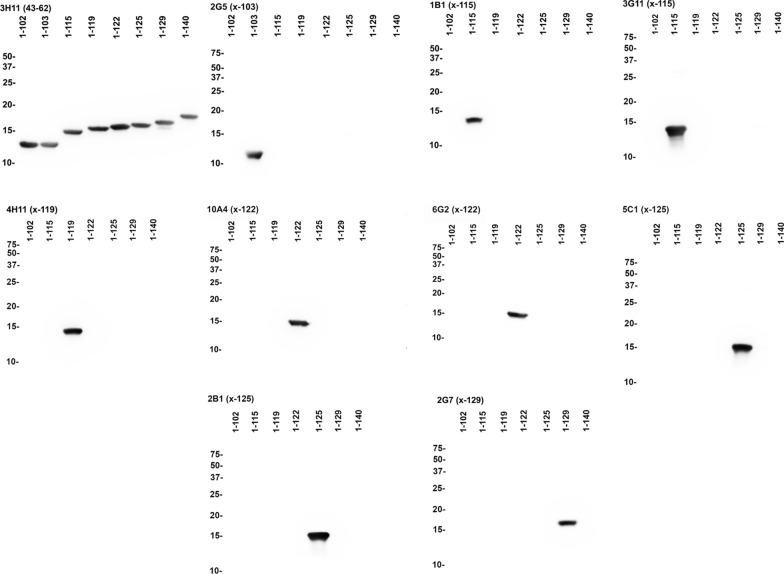
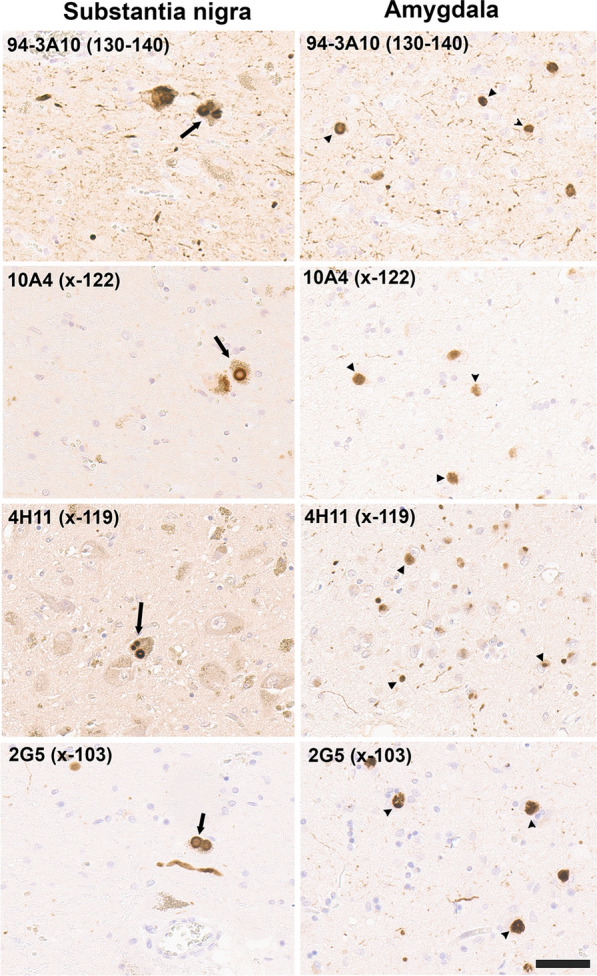
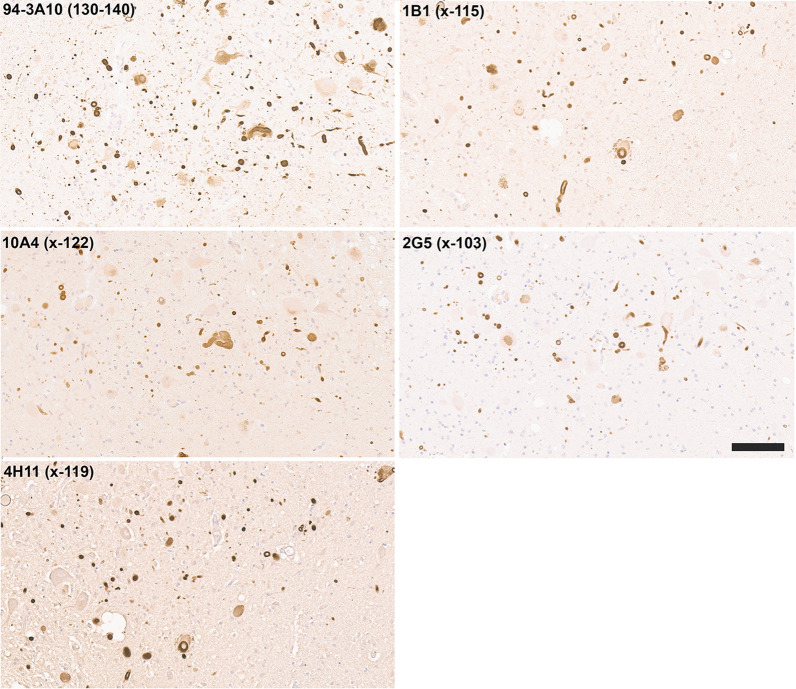
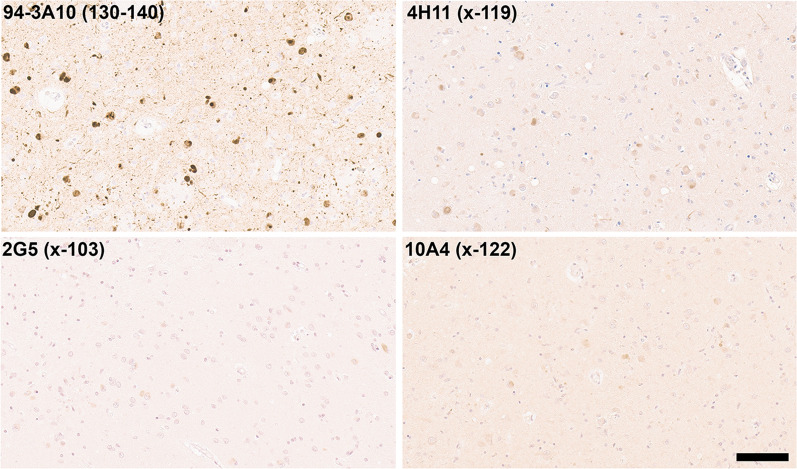
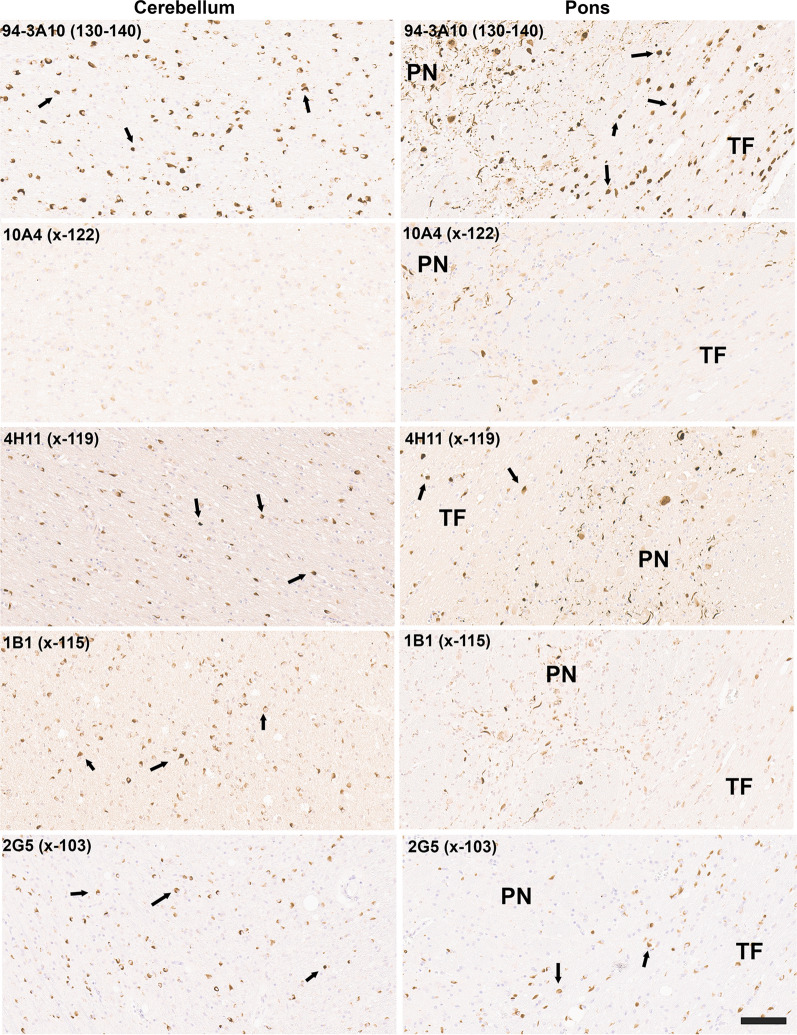
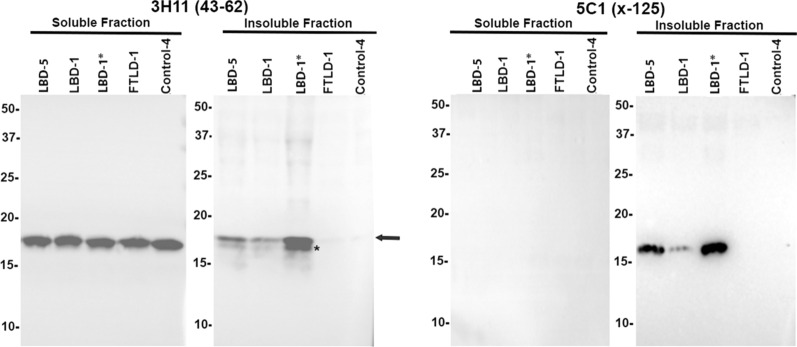
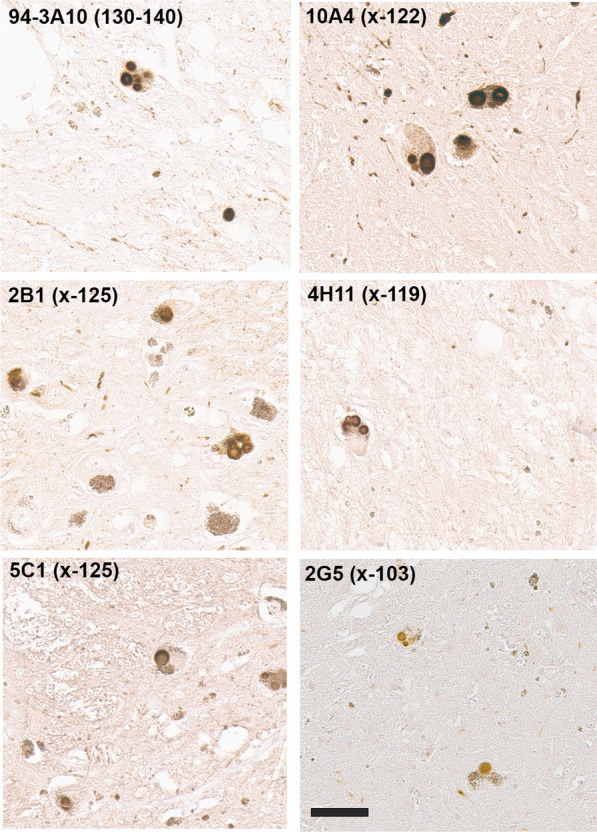
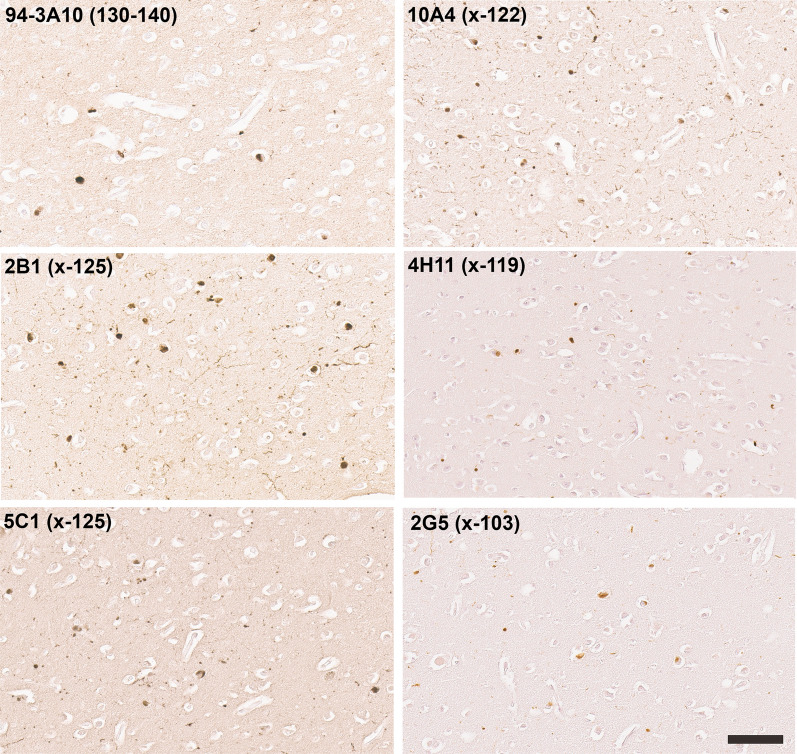
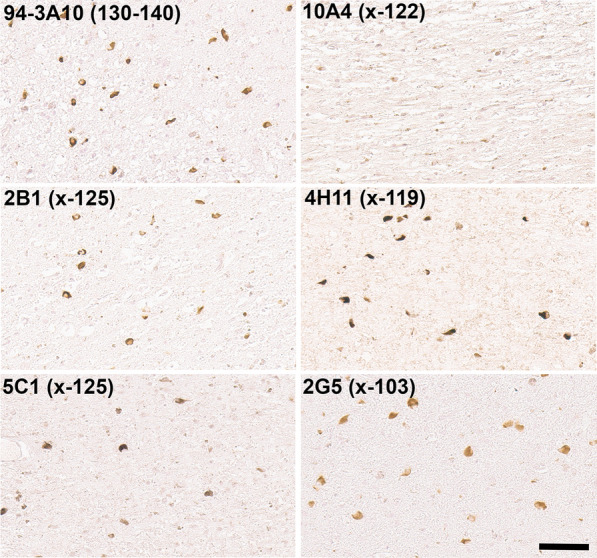
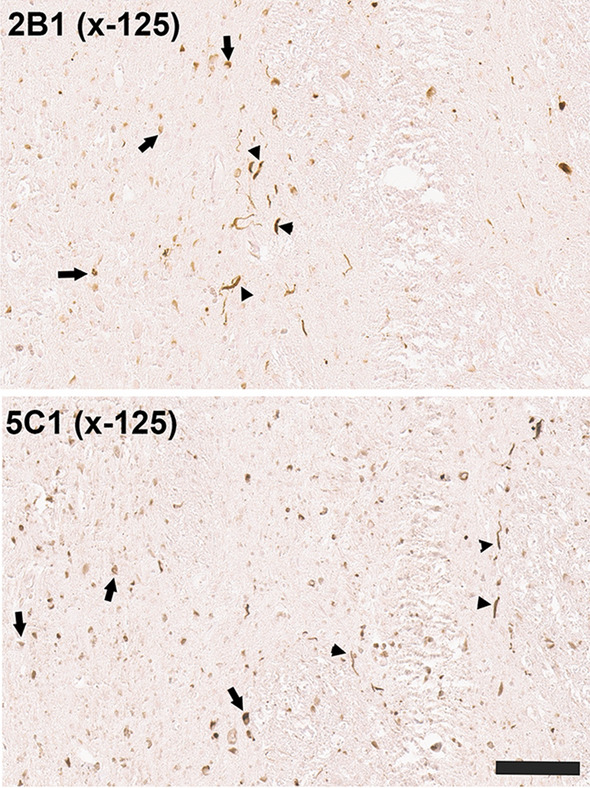
Synucleinopathies, including Parkinson's disease (PD), Lewy body dementia (LBD), Alzheimer's disease with amygdala restricted Lewy bodies (AD/ALB), and multiple system atrophy (MSA) comprise a spectrum of neurodegenerative disorders characterized by the presence of distinct pathological α-synuclein (αSyn) inclusions. Experimental and pathological studies support the notion that αSyn aggregates contribute to cellular demise and dysfunction with disease progression associated with a prion-like spread of αSyn aggregates via conformational templating. The initiating event(s) and factors that contribute to diverse forms of synucleinopathies remain poorly understood. A major post-translational modification of αSyn associated with pathological inclusions is a diverse array of specific truncations within the carboxy terminal region. While these modifications have been shown experimentally to induce and promote αSyn aggregation, little is known about their disease-, region- and cell type specific distribution. To this end, we generated a series of monoclonal antibodies specific to neo-epitopes in αSyn truncated after residues 103, 115, 119, 122, 125, and 129. Immunocytochemical investigations using these new tools revealed striking differences in the αSyn truncation pattern between different synucleinopathies, brain regions and specific cellular populations. In LBD, neuronal inclusions in the substantia nigra and amygdala were positive for αSyn cleaved after residues 103, 119, 122, and 125, but not 115. In contrast, in the same patients' brain αSyn cleaved at residue 115, as well as 103, 119 and 122 were abundant in the dorsal motor nucleus of the vagus. In patients with AD/ALB, these modifications were only weakly or not detected in amygdala αSyn inclusions. αSyn truncated at residues 103, 115, 119, and 125 was readily present in MSA glial cytoplasmic inclusions, but 122 cleaved αSyn was only weakly or not present. Conversely, MSA neuronal pathology in the pontine nuclei was strongly reactive to the αSyn x-122 neo-epitope but did not display any reactivity for αSyn 103 cleavage. These studies demonstrate significant disease-, region- and cell type specific differences in carboxy terminal αSyn processing associated with pathological inclusions that likely contributes to their distinct strain-like prion properties and promotes the diversity displayed in the degrees of these insidious diseases.
突触核蛋白病包括帕金森病(PD)、路易体痴呆(LBD)、伴有杏仁核限制路易体的阿尔茨海默病(AD/ALB)和多系统萎缩症(MSA),它们构成了一组神经退行性疾病,其特征是存在不同的病理性α-突触核蛋白(αSyn)包涵体。实验和病理研究支持这样的观点,即αSyn 聚集物通过构象模板促进细胞死亡和功能障碍,与疾病进展相关的αSyn 聚集物的类朊病毒样传播。与不同形式的突触核蛋白病相关的起始事件和促成因素仍知之甚少。与病理性包涵体相关的αSyn 的一个主要翻译后修饰是在羧基末端区域内存在多种特定的截断。虽然这些修饰已被证明可诱导和促进αSyn 聚集,但对其疾病、区域和细胞类型特异性分布知之甚少。为此,我们生成了一系列针对 αSyn 在残基 103、115、119、122、125 和 129 截断后的新表位的单克隆抗体。使用这些新工具进行的免疫细胞化学研究揭示了不同突触核蛋白病、脑区和特定细胞群体之间 αSyn 截断模式的显著差异。在 LBD 中,黑质和杏仁核中的神经元包涵体对 αSyn 在残基 103、119、122 和 125 处的切割呈阳性,但在残基 115 处不呈阳性。相比之下,在同一患者的大脑中,残基 115 以及 103、119 和 122 处的 αSyn 切割在迷走神经背核中大量存在。在 AD/ALB 患者中,这些修饰在杏仁核 αSyn 包涵体中仅微弱或检测不到。在 MSA 神经胶质细胞质包涵体中,很容易检测到残基 103、115、119 和 125 截断的 αSyn,但 122 切割的 αSyn 则微弱或不存在。相反,MSA 桥脑核神经元病理学对 αSyn x-122 新表位强烈反应,但对 αSyn 103 切割无反应。这些研究表明,与病理性包涵体相关的羧基末端 αSyn 加工存在显著的疾病、区域和细胞类型特异性差异,这可能有助于其独特的类朊病毒特性,并促进这些隐匿性疾病程度的多样性。