Quimby Kim R, Sobers Natasha, George Colette, Greaves Natalie, Browman-Jones Francine, Samuels T Alafia
George Alleyne Chronic Disease Research Centre, Caribbean Institute for Health Research, The University of the West Indies, Jemmott's Lane, St. Michael, Bridgetown, Barbados.
Faculty of Medical Sciences, The University of the West Indies, Cave Hill Campus, Bridgetown, Barbados.
Implement Sci Commun. 2021 Aug 28;2(1):95. doi: 10.1186/s43058-021-00196-9.
The aims of this feasibility study were to (1) examine the implementation of a community-based health advocate (CHA) training programme to develop the clinical skills needed to support a diabetes remission protocol based on a low-calorie diet (LCD) and (2) investigate if participant weight loss can be achieved and diabetes remission induced under these conditions.
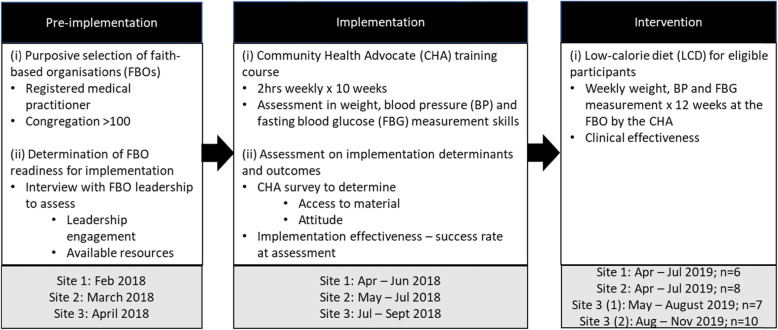
This tripartite study followed a type 2 implementation-effectiveness design. Three faith-based organisations (FBOs) were purposively selected as study sites. Implementation outcomes were guided by the Consolidated Framework for Implementation Research. During the pre-implementation phase, site 'readiness' to facilitate the intervention was determined from a site visit and an interview with the FBOs' leadership. During the implementation phase, congregants could volunteer for the 10-week CHA training which included practical exercises in weight, glucose and blood pressure (BP) measurement, and a summative practical assessment. Acceptability and implementation effectiveness were assessed via survey. During the intervention phase, other congregants and community members with T2DM or pre-diabetes and overweight were invited to participate in the 12-week LCD. Anti-diabetic medication was discontinued on day 1 of the intervention. Clinical effectiveness was determined from the change in weight, fasting blood glucose (FBG) and BP which were monitored weekly at the FBO by the CHA. HbA1C was performed at weeks 1 and 12.
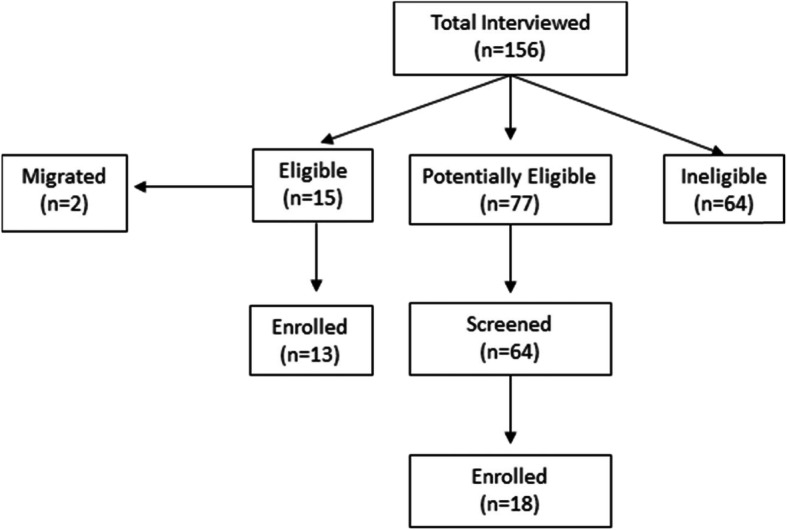
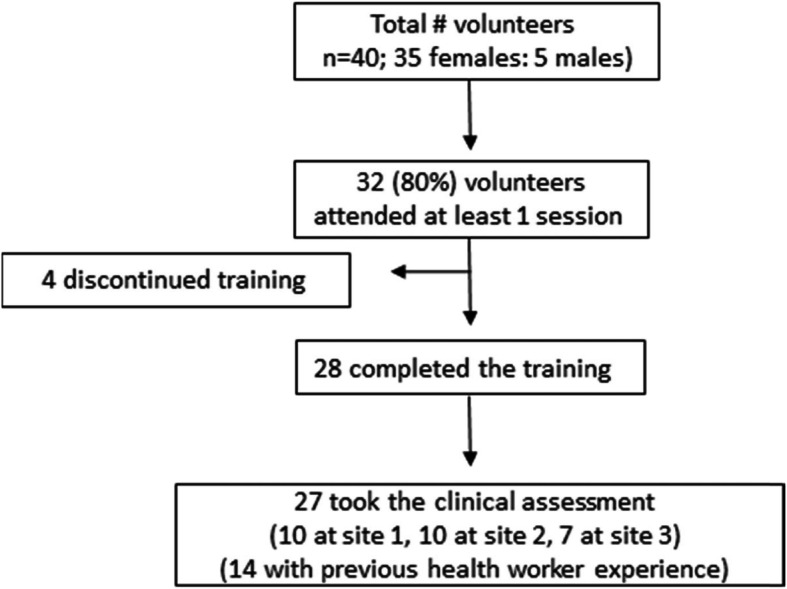
The FBOs were found to be ready as determined by their adequate resources and engagement in health-related matters. Twenty-nine CHAs completed the training; all attained a passing grade at ≥1 clinical station, indicating implementation effectiveness. CHA feedback indicated that the programme structure was acceptable and provided sufficient access to intervention-related material. Thirty-one persons participated in the LCD (11 T2DM:20 pre-diabetes). Mean (95%CI) weight loss was 6.0 kg (3.7 to 8.2), 7.9 kg in males vs 5.7 kg in females; A1C (%) decreased from 6.6 to 6.1, with a greater reduction in those with T2DM when compared to pre-diabetes. FBG decreased from 6.4 to 6.0mmol/L. T2DM remission rates were 60% and 90% by A1C<6.5% and FBG<7mmol/L respectively. Pre-diabetes remission was 18% and 40% by A1C<5.7% and FBG<5.6 respectively.
Implementation of a community-based diabetes remission protocol is both feasible and clinically effective. Its sustainability is to be determined. Adaptability to other disorders or other settings should be investigated.
NCT03536377 registered on 24 May 2018.
本可行性研究的目的是:(1)检验基于社区的健康倡导者(CHA)培训项目的实施情况,以培养支持基于低热量饮食(LCD)的糖尿病缓解方案所需的临床技能;(2)调查在这些条件下能否实现参与者体重减轻并诱导糖尿病缓解。
本三方研究采用2型实施-有效性设计。有目的地选择了三个基于宗教的组织(FBO)作为研究地点。实施结果以实施研究综合框架为指导。在实施前阶段,通过实地考察和与FBO领导层的访谈来确定该地点促进干预措施的“准备情况”。在实施阶段,教友可以自愿参加为期10周的CHA培训,其中包括体重、血糖和血压(BP)测量的实践练习以及总结性实践评估。通过调查评估可接受性和实施效果。在干预阶段,如果2型糖尿病(T2DM)或糖尿病前期和超重的其他教友和社区成员被邀请参加为期12周的LCD。在干预的第1天停用抗糖尿病药物。临床有效性由体重、空腹血糖(FBG)和血压的变化来确定,CHA每周在FBO对其进行监测。在第1周和第12周进行糖化血红蛋白(HbA1C)检测。
发现FBO有准备,这由其充足的资源和对健康相关事务的参与度决定。29名CHA完成了培训;所有人在≥1个临床站点达到及格分数,表明实施有效。CHA的反馈表明该项目结构是可接受的,并且提供了足够的与干预相关材料的获取途径。31人参加了LCD(11例T2DM:20例糖尿病前期)。平均(95%CI)体重减轻6.0 kg(3.7至8.2),男性减轻7.9 kg,女性减轻5.7 kg;糖化血红蛋白(A1C)(%)从6.6降至6.1,与糖尿病前期相比,T2DM患者下降幅度更大。空腹血糖从6.4降至6.0 mmol/L。根据糖化血红蛋白(A1C)<6.5%和空腹血糖(FBG)<7 mmol/L,T2DM缓解率分别为60%和90%。根据糖化血红蛋白(A1C)<5.7%和空腹血糖(FBG)<5.6,糖尿病前期缓解率分别为18%和40%。
基于社区的糖尿病缓解方案的实施既可行又具有临床有效性。其可持续性有待确定。应研究其对其他疾病或其他环境的适应性。
2018年5月24日注册,注册号为NCT03536377。