Martin Gaëtan, Rissanen Antti J, Garcia Sarahi L, Mehrshad Maliheh, Buck Moritz, Peura Sari
Department of Forest Mycology and Plant Pathology, Science for Life Laboratory, Swedish University of Agricultural Sciences, Uppsala, Sweden.
Faculty of Engineering and Natural Sciences, Tampere University, Tampere, Finland.
Front Microbiol. 2021 Aug 12;12:669937. doi: 10.3389/fmicb.2021.669937. eCollection 2021.
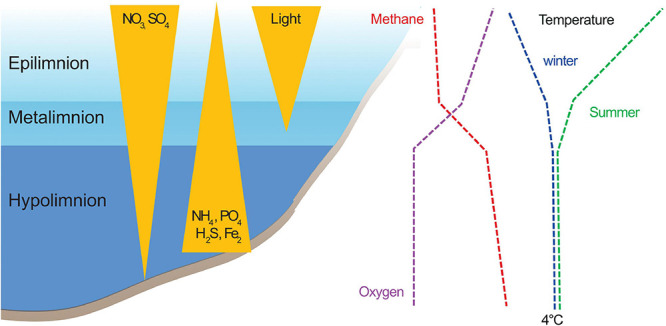
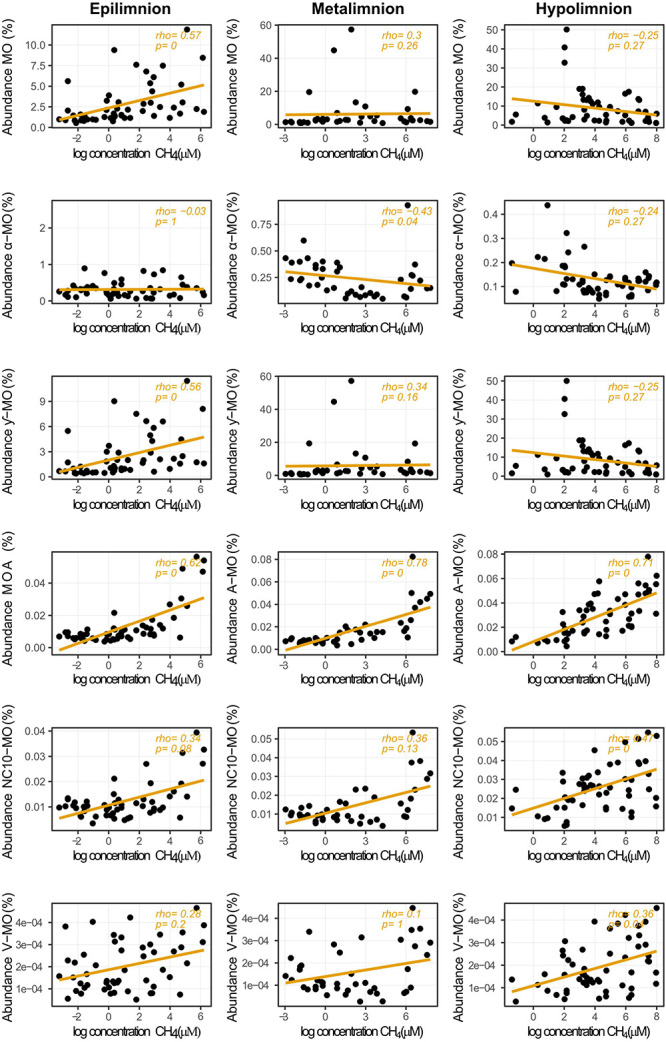
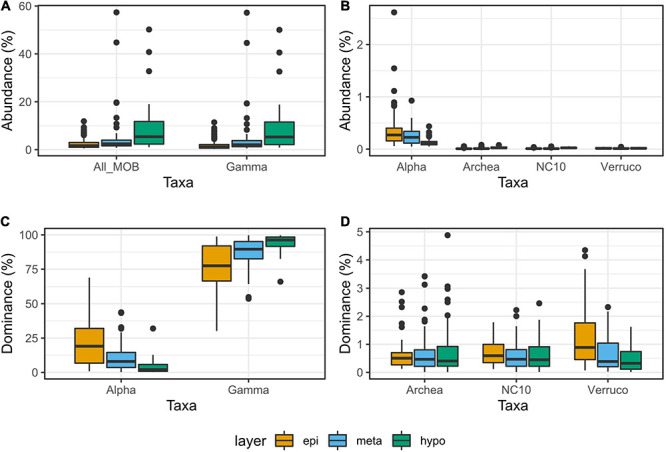
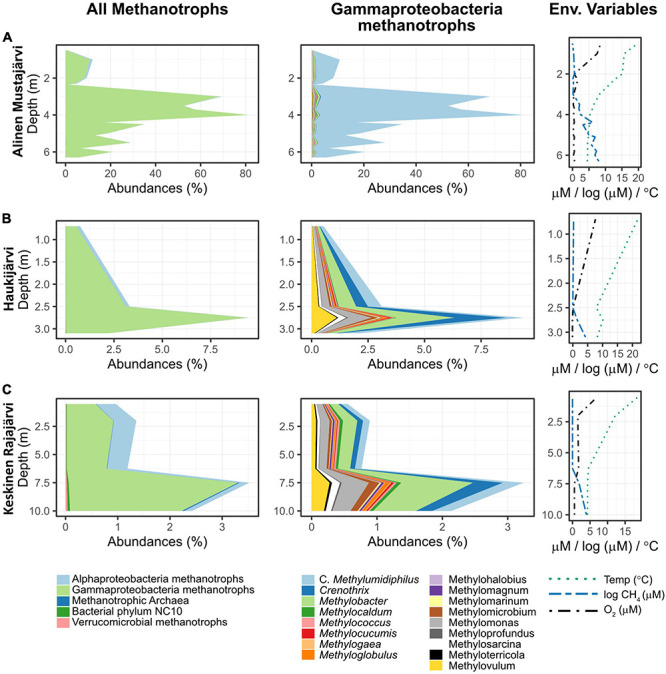
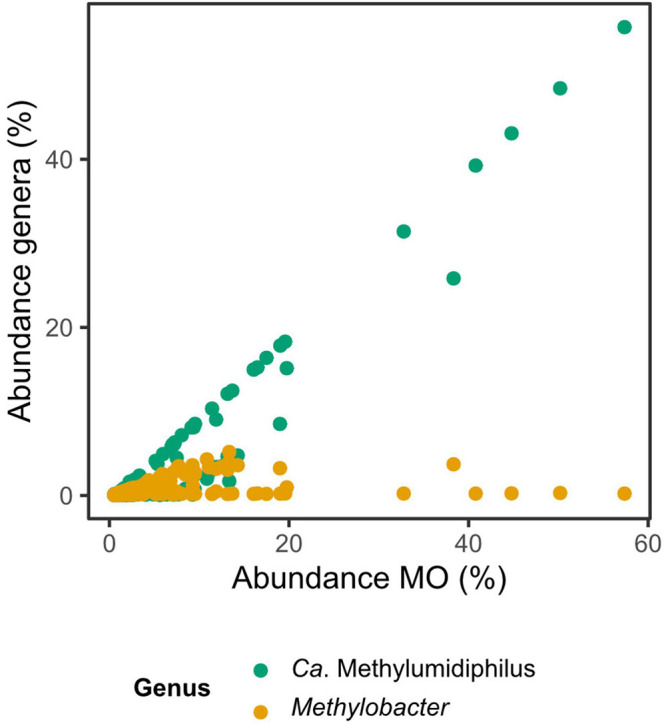
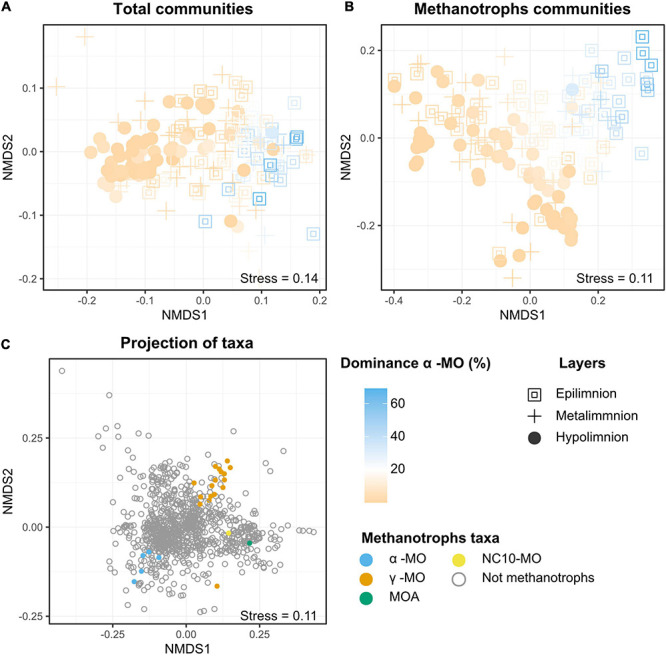
Boreal lakes and ponds produce two-thirds of the total natural methane emissions above the latitude of 50° North. These lake emissions are regulated by methanotrophs which can oxidize up to 99% of the methane produced in the sediments and the water column. Despite their importance, the diversity and distribution of the methanotrophs in lakes are still poorly understood. Here, we used shotgun metagenomic data to explore the diversity and distribution of methanotrophs in 40 oxygen-stratified water bodies in boreal and subarctic areas in Europe and North America. In our data, gammaproteobacterial methanotrophs (order ) generally dominated the methanotrophic communities throughout the water columns. A recently discovered lineage of , Methylumidiphilus, was present in all the studied water bodies and dominated the methanotrophic community in lakes with a high relative abundance of methanotrophs. Alphaproteobacterial methanotrophs were the second most abundant group of methanotrophs. In the top layer of the lakes, characterized by low CH concentration, their abundance could surpass that of the gammaproteobacterial methanotrophs. These results support the theory that the alphaproteobacterial methanotrophs have a high affinity for CH and can be considered stress-tolerant strategists. In contrast, the gammaproteobacterial methanotrophs are competitive strategists. In addition, relative abundances of anaerobic methanotrophs, Methanoperedenaceae and Methylomirabilis, were strongly correlated, suggesting possible co-metabolism. Our data also suggest that these anaerobic methanotrophs could be active even in the oxic layers. In non-metric multidimensional scaling, alpha- and gammaproteobacterial methanotrophs formed separate clusters based on their abundances in the samples, except for the gammaproteobacterial Methylumidiphilus, which was separated from these two clusters. This may reflect similarities in the niche and environmental requirements of the different genera within alpha- and gammaproteobacterial methanotrophs. Our study confirms the importance of O and CH in shaping the methanotrophic communities and suggests that one variable cannot explain the diversity and distribution of the methanotrophs across lakes. Instead, we suggest that the diversity and distribution of freshwater methanotrophs are regulated by lake-specific factors.
北半球的湖泊和池塘产生了北纬50°以上自然甲烷排放总量的三分之二。这些湖泊排放受到甲烷氧化菌的调节,甲烷氧化菌能够氧化沉积物和水柱中产生的高达99%的甲烷。尽管它们很重要,但湖泊中甲烷氧化菌的多样性和分布仍然知之甚少。在这里,我们使用鸟枪法宏基因组数据来探索欧洲和北美的北方和亚北极地区40个分层水体中甲烷氧化菌的多样性和分布。在我们的数据中,γ-变形菌纲甲烷氧化菌(目 )通常在整个水柱中的甲烷营养群落中占主导地位。最近发现的一个 谱系,即甲基湿地菌属,存在于所有研究的水体中,并在甲烷氧化菌相对丰度较高的湖泊中主导甲烷营养群落。α-变形菌纲甲烷氧化菌是第二丰富的甲烷氧化菌群。在湖泊的顶层,其特征是CH浓度较低,它们的丰度可能超过γ-变形菌纲甲烷氧化菌。这些结果支持了这样一种理论,即α-变形菌纲甲烷氧化菌对CH具有高亲和力,可以被认为是耐胁迫策略者。相比之下,γ-变形菌纲甲烷氧化菌是竞争策略者。此外,厌氧甲烷氧化菌、甲烷食烷菌科和食甲基菌属的相对丰度高度相关,表明可能存在共代谢。我们的数据还表明,这些厌氧甲烷氧化菌甚至在有氧层中也可能是活跃的。在非度量多维标度分析中,α-变形菌纲和γ-变形菌纲甲烷氧化菌根据它们在样本中的丰度形成了单独的聚类,除了γ-变形菌纲的甲基湿地菌属,它与这两个聚类分开。这可能反映了α-变形菌纲和γ-变形菌纲甲烷氧化菌不同属的生态位和环境要求的相似性。我们的研究证实了氧气和甲烷在塑造甲烷营养群落中的重要性,并表明单一变量无法解释湖泊中甲烷氧化菌的多样性和分布。相反,我们认为淡水甲烷氧化菌的多样性和分布受湖泊特定因素的调节。