Alamri Abdulhakeem S, Alhomrani Majid, Alsanie Walaa F, Alghamdi Ahmad Joman, Alghamdi Zaher M, Al-Subaie Abdualmohsen A, Alharthi Yasser A, Alqurashi Hesham H, Asdaq Syed Mohammed Basheeruddin
Department of Clinical Laboratory Sciences, College of Applied Medical Sciences, Taif University, Taif, Saudi Arabia.
Centre of Biomedical Sciences Research (CBSR), Deanship of Scientific Research, Taif University, Saudi Arabia.
Saudi J Biol Sci. 2021 Sep;28(9):4921-4925. doi: 10.1016/j.sjbs.2021.05.063. Epub 2021 Jun 1.
The prevalence of nonalcoholic fatty liver disease (NAFLD) in Saudi Arabia is predicted to exceed 30% by 2030. NAFLD leads to liver fibrosis, thus increasing morbidity and health care burden. Obesity and diabetes have been strongly associated with NAFLD in different cities in Saudi Arabia.
Therefore, we aim to determine the prevalence rate of NAFLD and specific risk factors for NAFLD among patients of tertiary care hospital of Taif city.
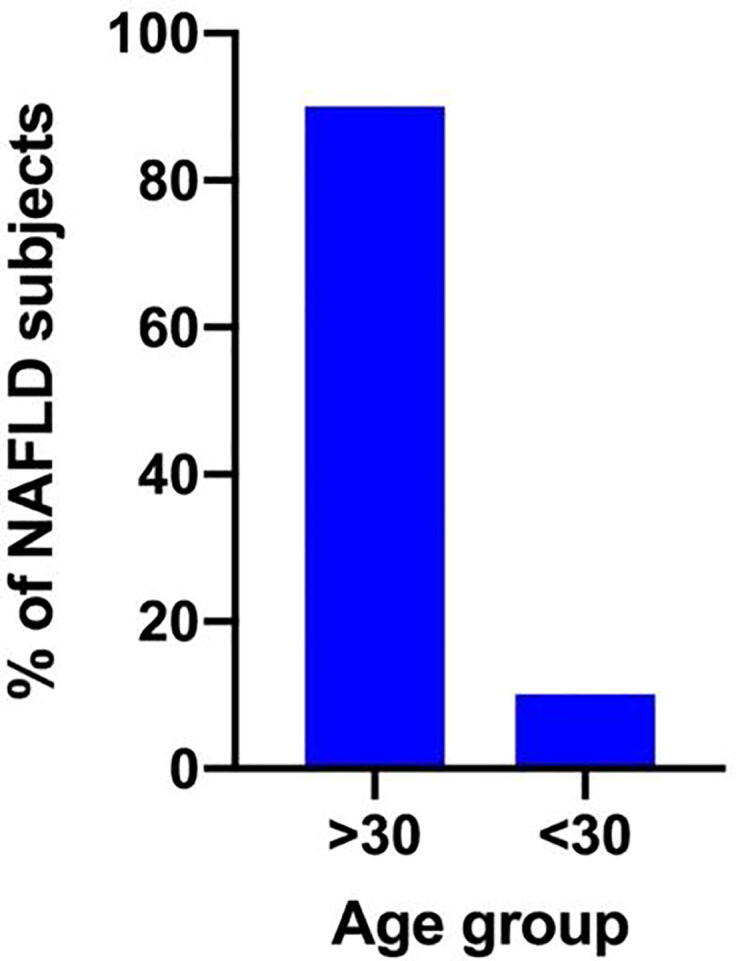
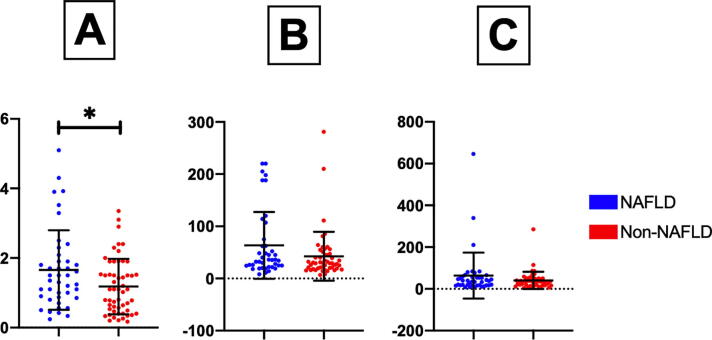
We retrospectively analyzed the medical records of patients for two years, between Feb 2017 and Feb 2019, (n = 100) referred to the hepatology clinic at King Abdulaziz Specialist Hospital in Taif. The diagnosis of NAFLD was based on the radiology report for patients who were aged >20 years old. Other parameters including fasting blood glucose (FBG), platelets count, alanine transaminase (ALT), aspartate transaminase (AST) and total bilirubin were statistically analyzed.
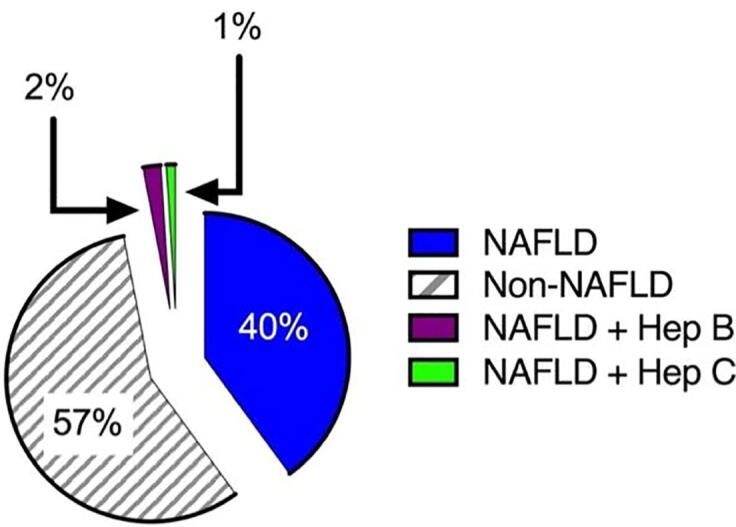
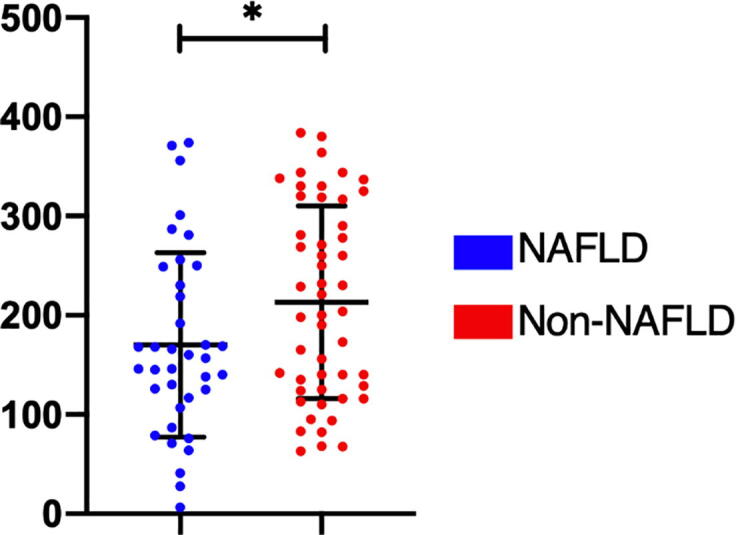
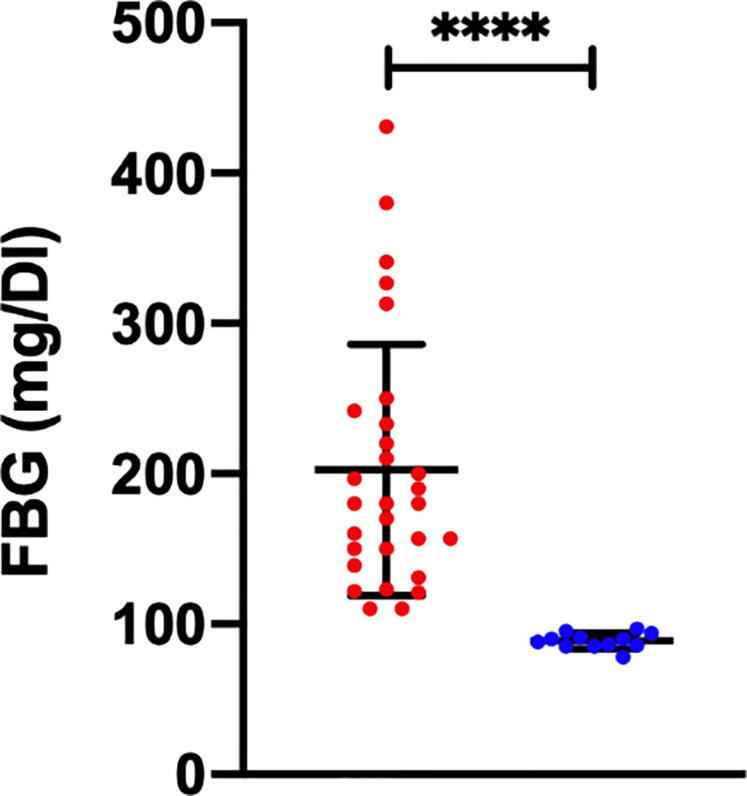
We found that 40% (P < 0.05) of all patients had NAFLD. The results revealed that a significantly high number of patients with NAFLD have high FBG levels (75%, P < 0.0001) and total bilirubin (P < 0.05). Meanwhile, platelet count was significantly reduced in patients with NAFLD (P < 0.05).
NAFLD can be a serious health problem in the Taif region. In addition, high FBG is a significant specific risk factor for NAFLD. Health care providers should pay more attention to limiting the prevalence of NAFLD and its risk factors.
预计到2030年,沙特阿拉伯非酒精性脂肪性肝病(NAFLD)的患病率将超过30%。NAFLD会导致肝纤维化,从而增加发病率和医疗负担。在沙特阿拉伯的不同城市,肥胖和糖尿病与NAFLD密切相关。
因此,我们旨在确定塔伊夫市三级护理医院患者中NAFLD的患病率以及NAFLD的特定危险因素。
我们回顾性分析了2017年2月至2019年2月期间转诊至塔伊夫阿卜杜勒阿齐兹专科医院肝病诊所的患者(n = 100)的两年病历。NAFLD的诊断基于年龄>20岁患者的放射学报告。对包括空腹血糖(FBG)、血小板计数、丙氨酸转氨酶(ALT)、天冬氨酸转氨酶(AST)和总胆红素在内的其他参数进行了统计分析。
我们发现所有患者中有40%(P < 0.05)患有NAFLD。结果显示,NAFLD患者中血糖水平高(75%,P < 0.0001)和总胆红素高(P < 0.05)的患者数量显著增加。同时,NAFLD患者的血小板计数显著降低(P < 0.05)。
NAFLD在塔伊夫地区可能是一个严重的健康问题。此外,高血糖是NAFLD的一个重要特定危险因素。医疗服务提供者应更加关注限制NAFLD及其危险因素的流行。