Rowaiye Adekunle Babajide, Mendes Yoroshi Joana Teca, Olofinsae Samson Ayodeji, Oche John Breakthrough, Oladipo Oluwakemi Hannah, Okpalefe Okiemute Ajiroghene, Ogidigo Joyce Oloaigbe
Department of Medical Biotechnology, National Biotechnology Development Agency, Abuja, Nigeria.
Department of Biochemistry, Nile University of Nigeria, Abuja, Nigeria.
Heliyon. 2021 Aug 10;7(8):e07742. doi: 10.1016/j.heliyon.2021.e07742. eCollection 2021 Aug.
The Human Telomerase enzyme has become a drug target in the treatment of cancers and age-related disorders. This study aims to identify potential natural inhibitors of the Human Telomerase from compounds derived from edible African plants.
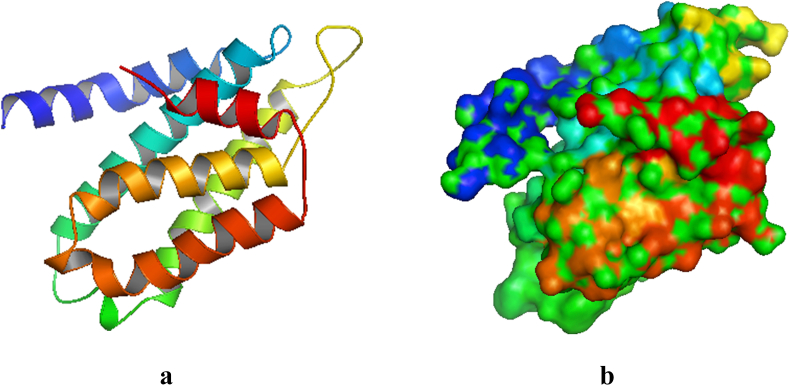
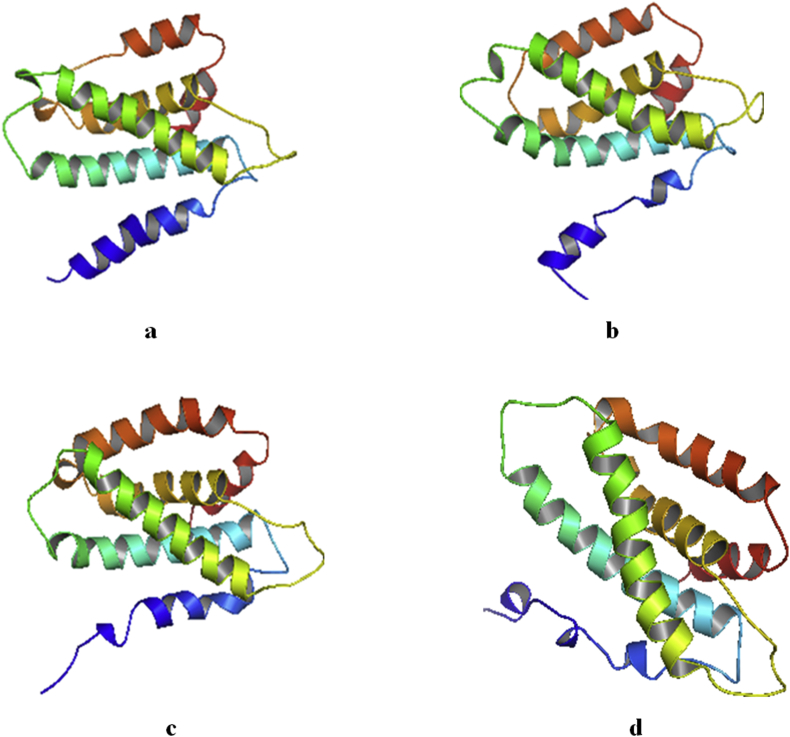
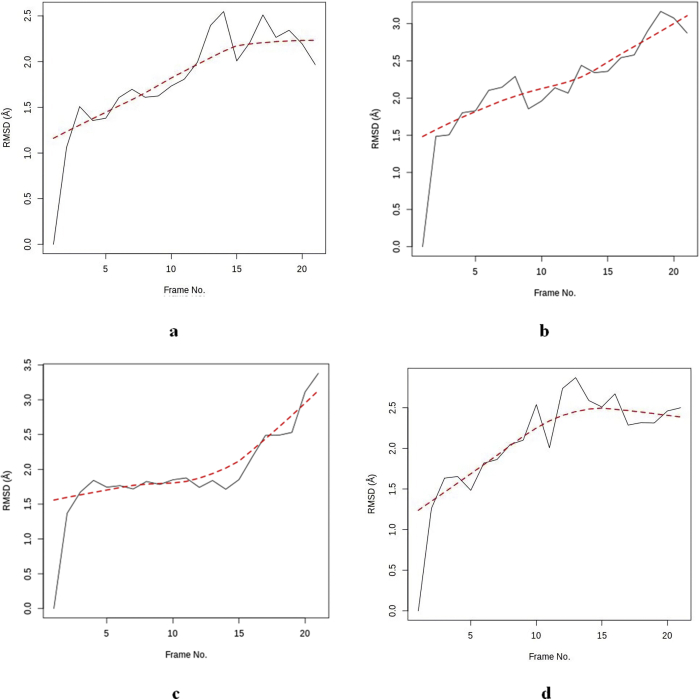
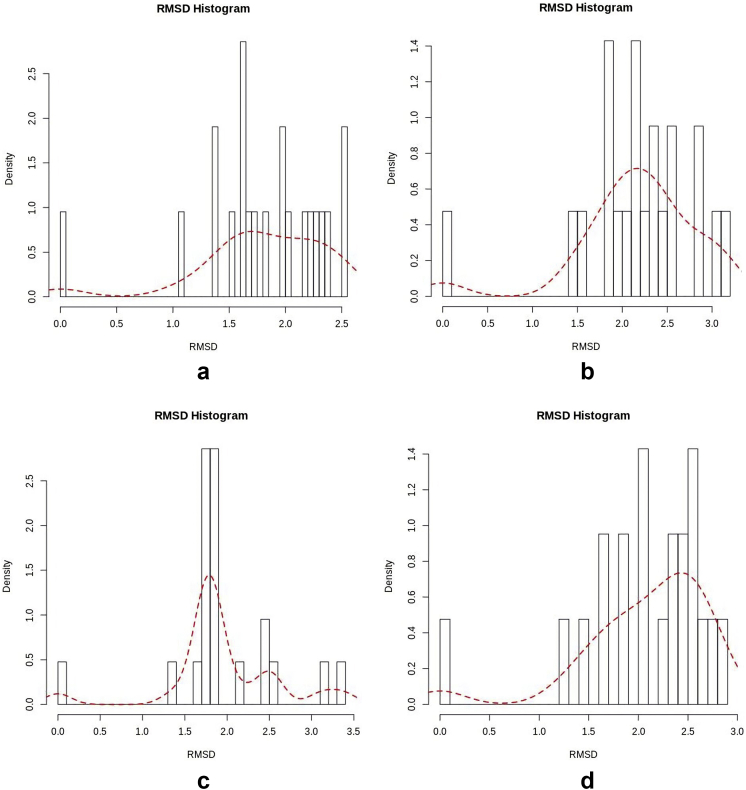
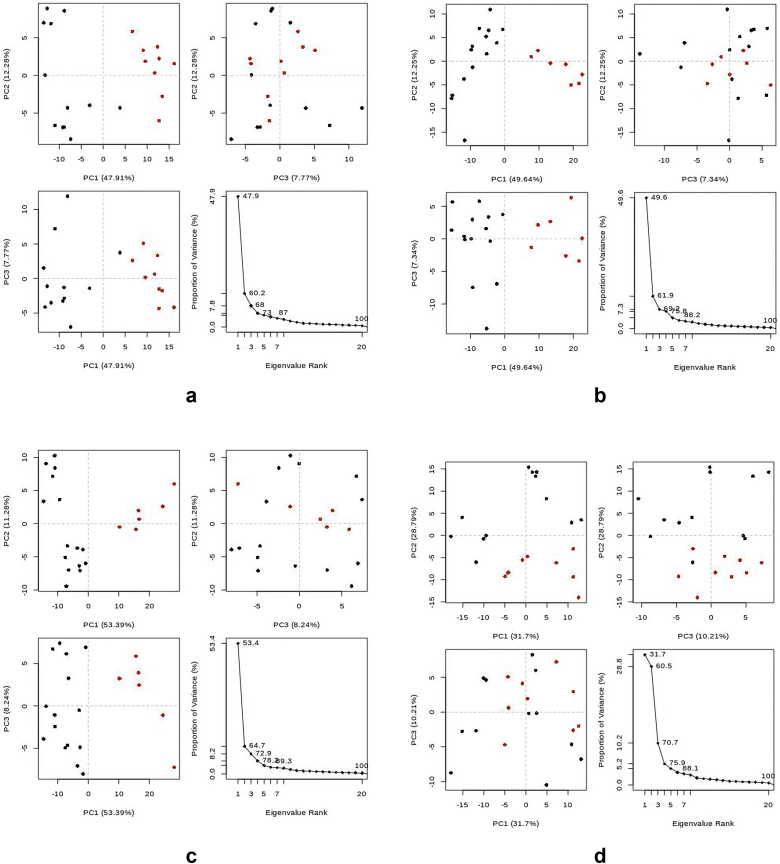
A library of 1,126 natural compounds was molecularly docked against the Telomerase Reverse Transcriptase (PDB ID: 5ugw), the catalytic subunit of the target protein. Curcumin, a known Telomerase inhibitor was used as the standard. The front-runner compounds were screened for bioavailability, pharmacokinetic properties, and bioactivity using the SWISSADME, PKCSM, and Molinspiration webservers respectively. The molecular dynamic simulation and analyses of the apo and holo proteins were performed by the Galaxy supercomputing webserver.
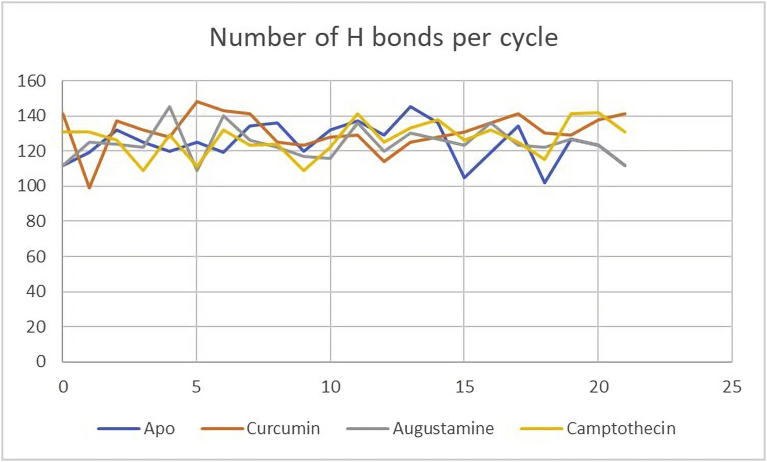
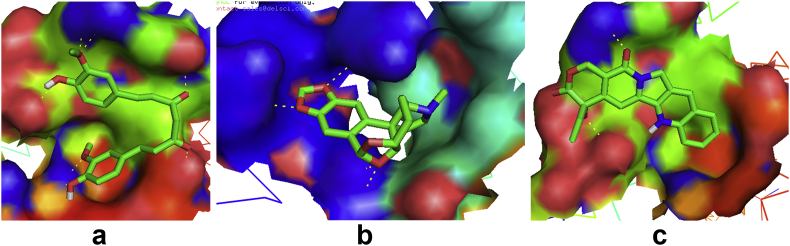
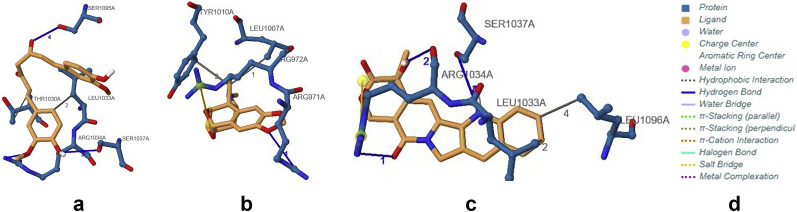
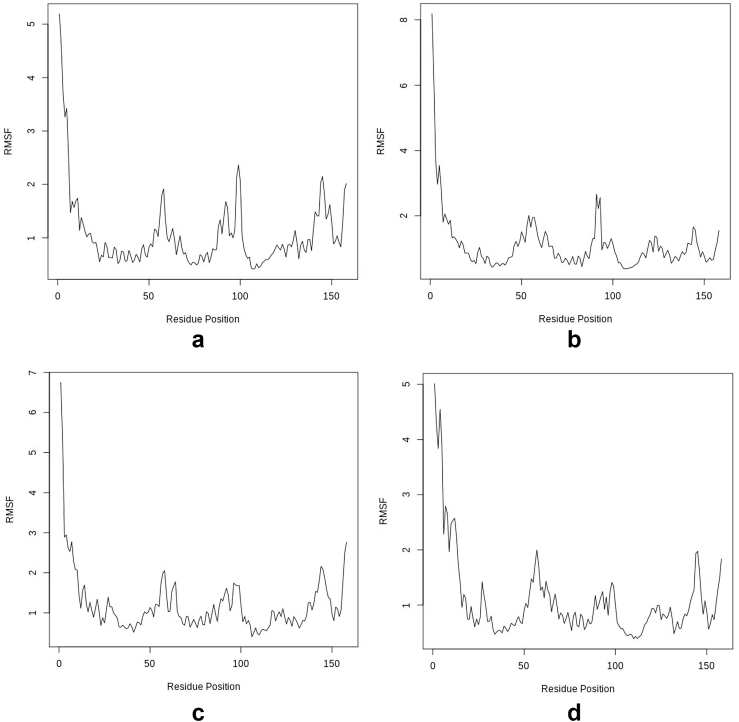
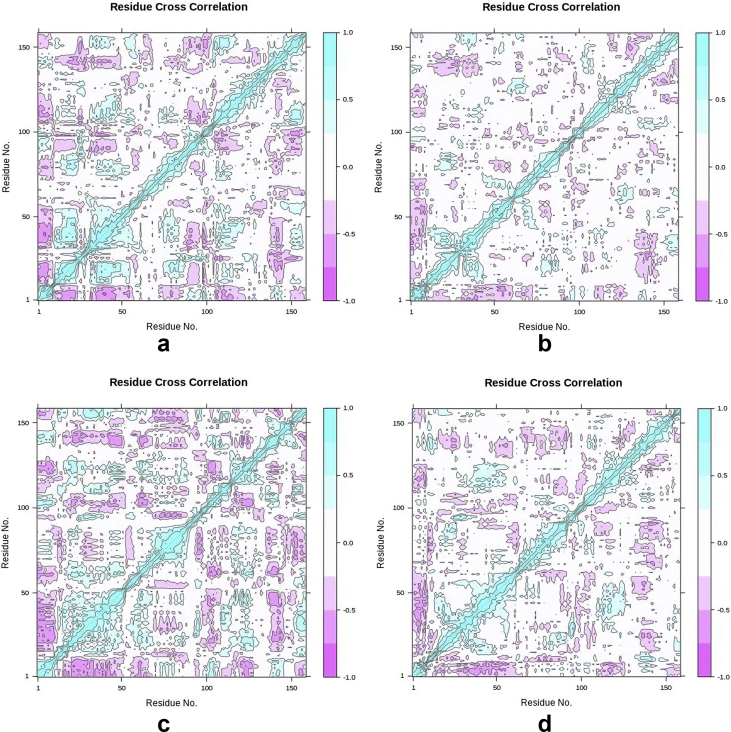
The results of the molecular docking and virtual screening reveal Augustamine and Camptothecin as lead compounds. Augustamine has better drug-likeness and pharmacokinetic properties while Camptothecin showed better bioactivity and stronger binding affinity (-8.2 kcal/mol) with the target. The holo structure formed by Camptothecin showed greater inhibitory activity against the target with a total RMSF of 169.853, B-Factor of 20.164, and 108 anti-correlating residues.
Though they both act at the same binding site, Camptothecin induces greater Telomerase inhibition and better molecular stability than the standard, Curcumin. Further tests are required to investigate the inhibitory activities of the lead compounds.
人类端粒酶已成为癌症和与年龄相关疾病治疗中的一个药物靶点。本研究旨在从非洲可食用植物衍生的化合物中鉴定人类端粒酶的潜在天然抑制剂。
针对端粒酶逆转录酶(PDB ID:5ugw),即目标蛋白的催化亚基,对1126种天然化合物库进行分子对接。已知的端粒酶抑制剂姜黄素用作标准对照。分别使用SWISSADME、PKCSM和Molinspiration网络服务器对领先化合物进行生物利用度、药代动力学性质和生物活性筛选。通过Galaxy超级计算网络服务器对无配体蛋白和结合配体蛋白进行分子动力学模拟和分析。
分子对接和虚拟筛选结果显示奥古斯塔明和喜树碱为先导化合物。奥古斯塔明具有更好的类药性和药代动力学性质,而喜树碱表现出更好的生物活性以及与靶点更强的结合亲和力(-8.2千卡/摩尔)。喜树碱形成的结合配体结构对靶点显示出更大的抑制活性,总均方根波动为169.853,B因子为20.164,且有108个反相关残基。
尽管它们都作用于相同的结合位点,但与标准对照姜黄素相比,喜树碱诱导的端粒酶抑制作用更强,分子稳定性更好。需要进一步测试来研究先导化合物的抑制活性。