Department of Cardiac Surgery and Shanghai Institute of Cardiovascular Diseases, Zhongshan Hospital, Fudan University, Shanghai, China.
Institutes of Biomedical Sciences and the Shanghai Key Laboratory of Medical Epigenetics, Shanghai Medical College, Fudan University, Shanghai, China.
Elife. 2021 Sep 6;10:e69310. doi: 10.7554/eLife.69310.
Bicuspid aortic valve (BAV) is the most common congenital cardiovascular disease in general population and is frequently associated with the development of thoracic aortic aneurysm (TAA). There is no effective strategy to intervene with TAA progression due to an incomplete understanding of the pathogenesis. Insufficiency of NOTCH1 expression is highly related to BAV-TAA, but the underlying mechanism remains to be clarified.
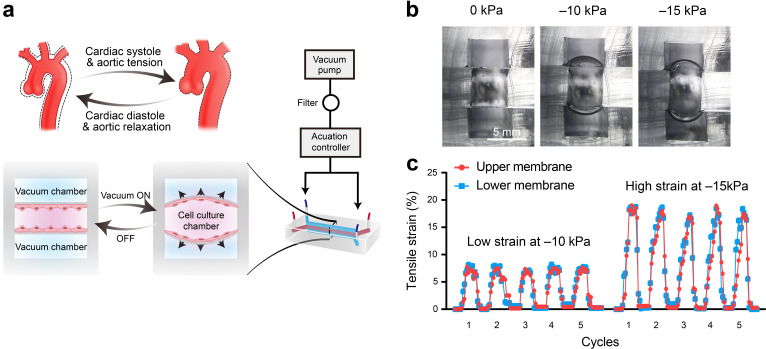
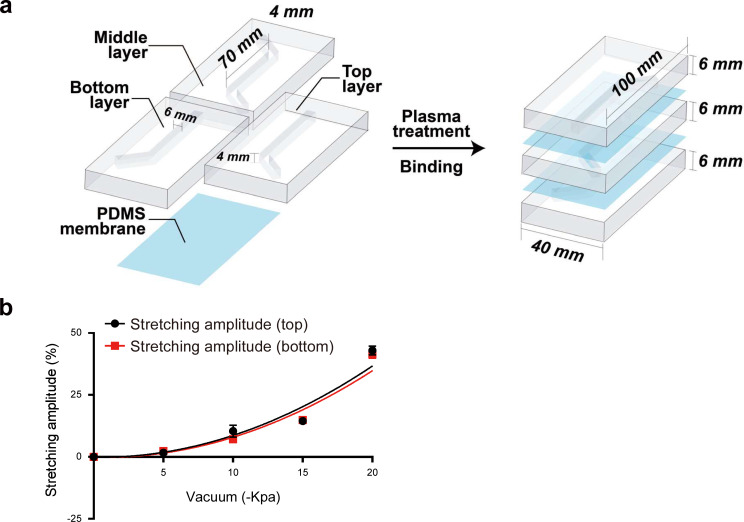
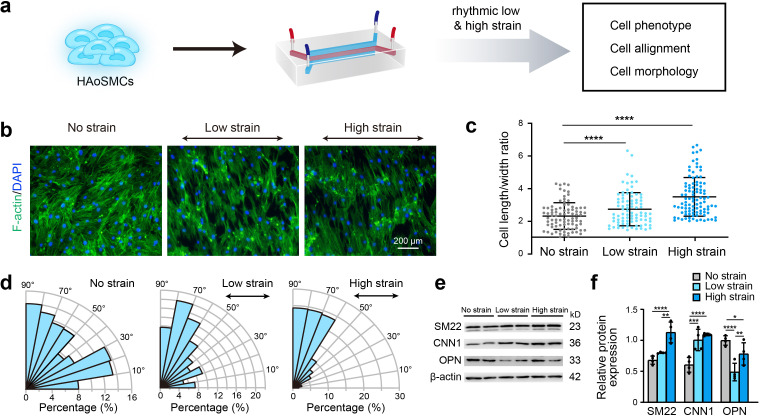
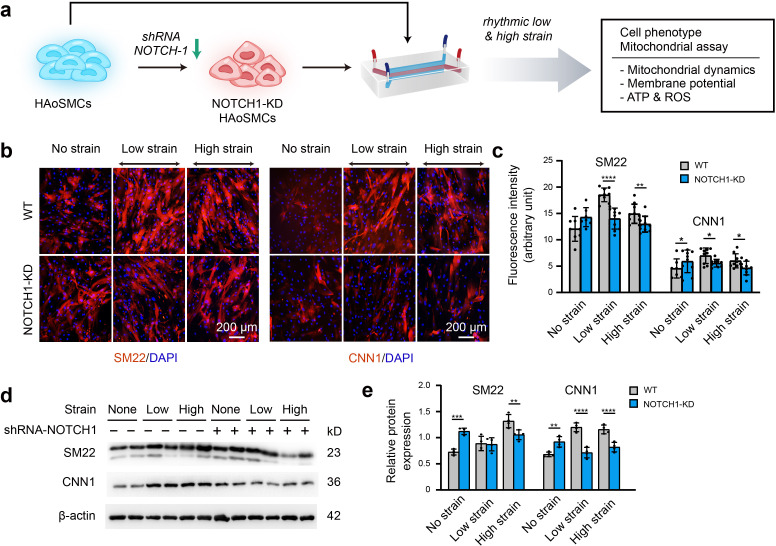
A comparative proteomics analysis was used to explore the biological differences between non-diseased and BAV-TAA aortic tissues. A microfluidics-based aorta smooth muscle-on-a-chip model was constructed to evaluate the effect of NOTCH1 deficiency on contractile phenotype and mitochondrial dynamics of human aortic smooth muscle cells (HAoSMCs).
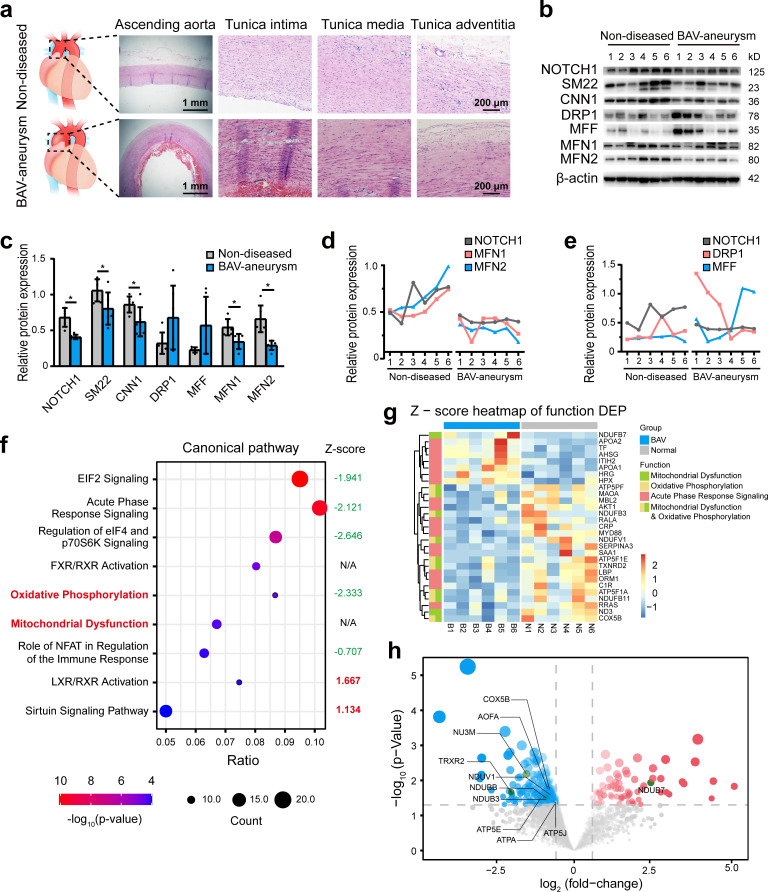
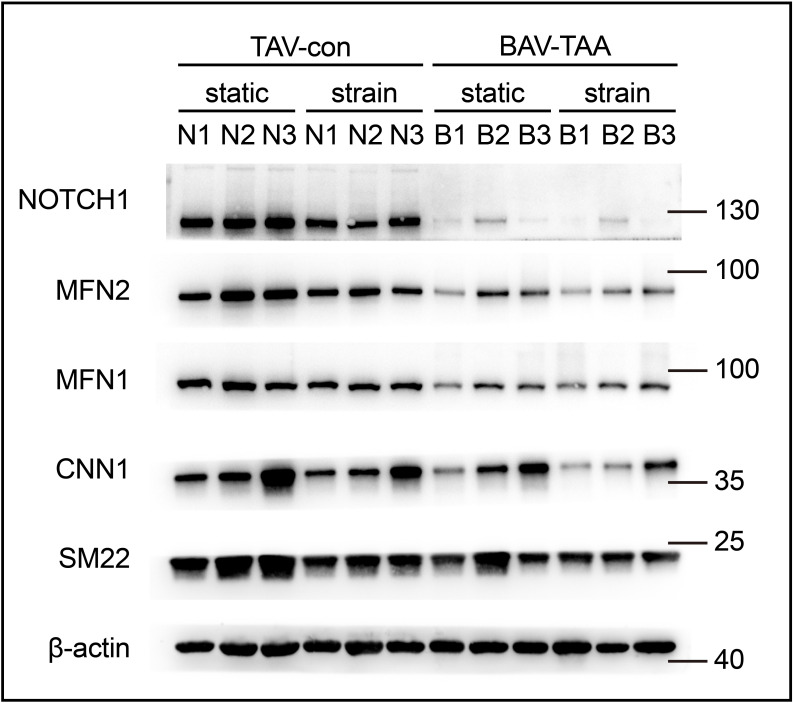
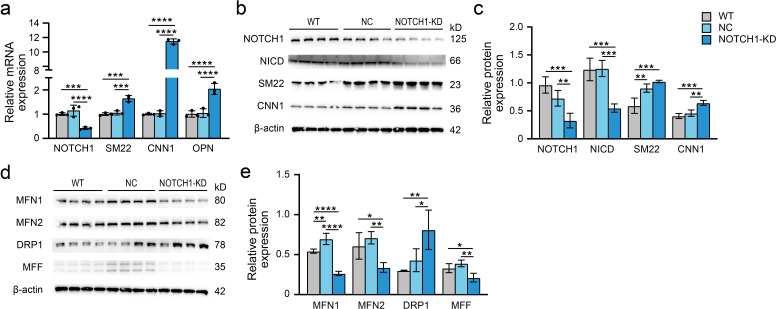
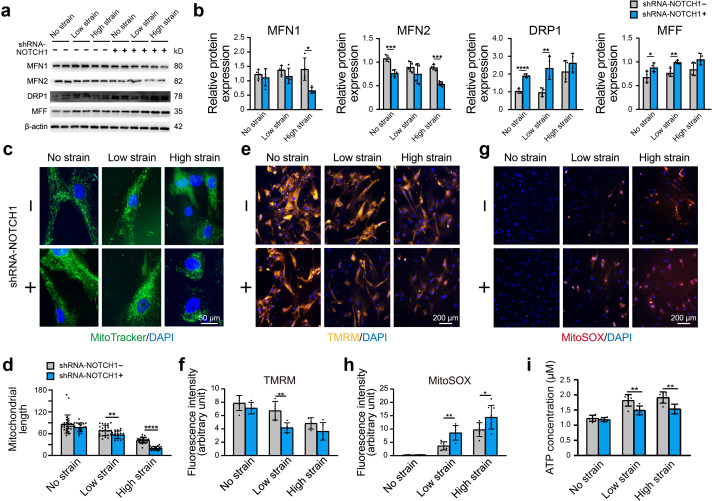
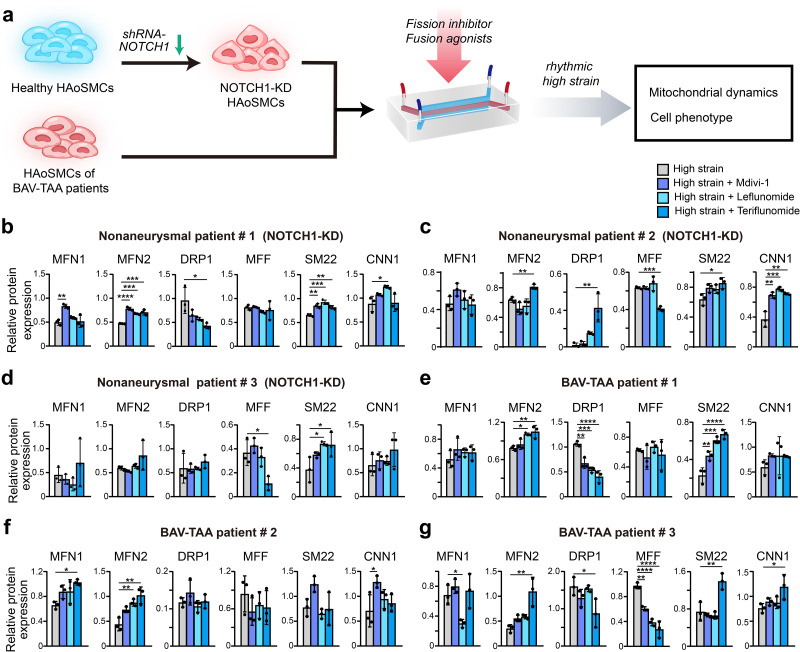
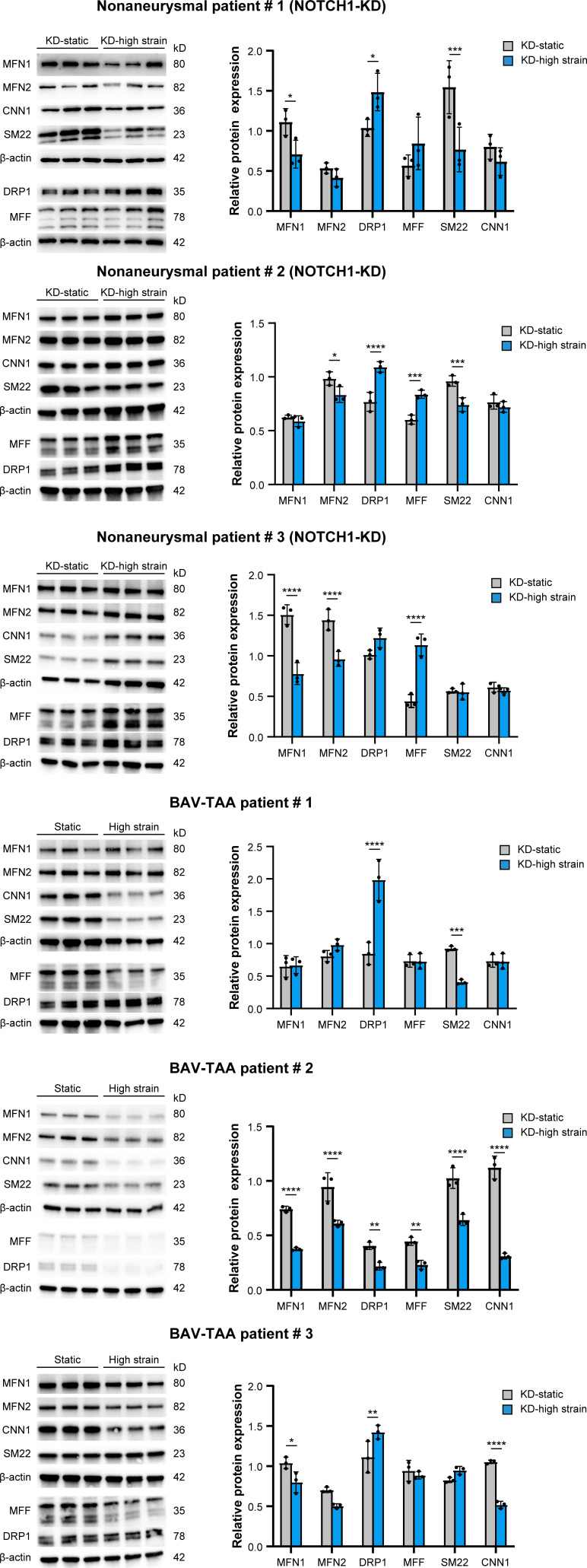
Protein analyses of human aortic tissues showed the insufficient expression of NOTCH1 and impaired mitochondrial dynamics in BAV-TAA. HAoSMCs with NOTCH1-knockdown exhibited reduced contractile phenotype and were accompanied by attenuated mitochondrial fusion. Furthermore, we identified that mitochondrial fusion activators (leflunomide and teriflunomide) or mitochondrial fission inhibitor (Mdivi-1) partially rescued the disorders of mitochondrial dynamics in HAoSMCs derived from BAV-TAA patients.
The aorta smooth muscle-on-a-chip model simulates the human pathophysiological parameters of aorta biomechanics and provides a platform for molecular mechanism studies of aortic disease and related drug screening. This aorta smooth muscle-on-a-chip model and human tissue proteomic analysis revealed that impaired mitochondrial dynamics could be a potential therapeutic target for BAV-TAA.
National Key R and D Program of China, National Natural Science Foundation of China, Shanghai Municipal Science and Technology Major Project, Shanghai Science and Technology Commission, and Shanghai Municipal Education Commission.
二叶式主动脉瓣(BAV)是普通人群中最常见的先天性心血管疾病,常与胸主动脉瘤(TAA)的发展有关。由于对发病机制的不完全了解,目前尚无有效的策略来干预 TAA 的进展。NOTCH1 表达不足与 BAV-TAA 高度相关,但潜在机制仍需阐明。
采用比较蛋白质组学分析方法探讨非病变和 BAV-TAA 主动脉组织之间的生物学差异。构建基于微流控的人主动脉平滑肌芯片模型,评估 NOTCH1 缺失对人主动脉平滑肌细胞(HAoSMCs)收缩表型和线粒体动力学的影响。
人主动脉组织的蛋白质分析显示,NOTCH1 表达不足和线粒体动力学受损在 BAV-TAA 中存在。NOTCH1 敲低的 HAoSMCs 表现出收缩表型减弱,并伴有线粒体融合减少。此外,我们发现线粒体融合激活剂(来氟米特和特立氟胺)或线粒体分裂抑制剂(Mdivi-1)部分挽救了源自 BAV-TAA 患者的 HAoSMCs 中线粒体动力学的紊乱。
人主动脉平滑肌芯片模型模拟了主动脉生物力学的人类生理病理参数,为主动脉疾病的分子机制研究和相关药物筛选提供了平台。该人主动脉平滑肌芯片模型和人类组织蛋白质组学分析表明,受损的线粒体动力学可能是 BAV-TAA 的潜在治疗靶点。
国家重点研发计划、国家自然科学基金、上海市重大科技专项、上海市科学技术委员会和上海市教育委员会。