Ma Jing, Han Wei, Lu Kai
Department of Thyroid and Breast Surgery, Nanjing Hospital of Chinese Medicine affiliated to Nanjing University of Chinese Medicine, Nanjing, China.
Front Oncol. 2021 Aug 20;11:711756. doi: 10.3389/fonc.2021.711756. eCollection 2021.
The incidence of thyroid cancer, whose local recurrence and metastasis lead to death, has always been high and the pathogenesis of papillary thyroid carcinoma (PTC) has not been clearly elucidated. Therefore, the research for more accurate prognosis-related predictive biomarkers is imminent, and a key gene can often be a prognostic marker for multiple tumors.
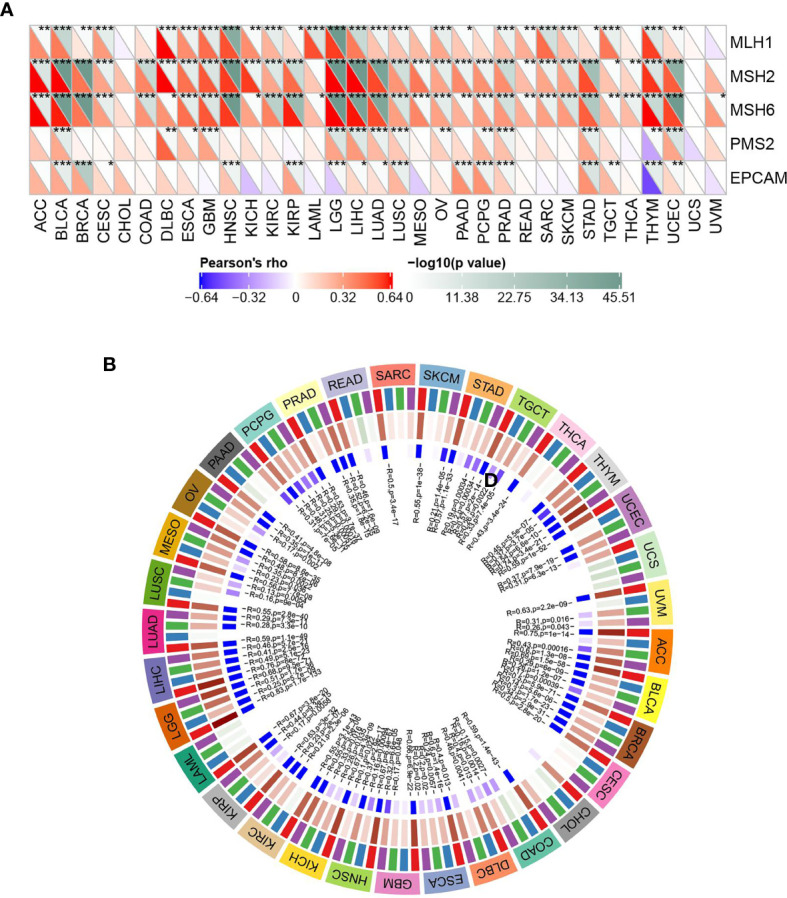
Gene expression profiles of various cancers in the TCGA and GTEx databases were downloaded, and genes significantly associated with the prognosis of THCA were identified by combining differential analysis with survival analysis. Then, a series of bioinformatics tools and methods were used to analyze the expression of the gene in each cancer and the correlation of each expression with prognosis, tumor immune microenvironment, immune neoantigens, immune checkpoints, DNA repair genes, and methyltransferases respectively. The possible biological mechanisms were also investigated by GSEA enrichment analysis.
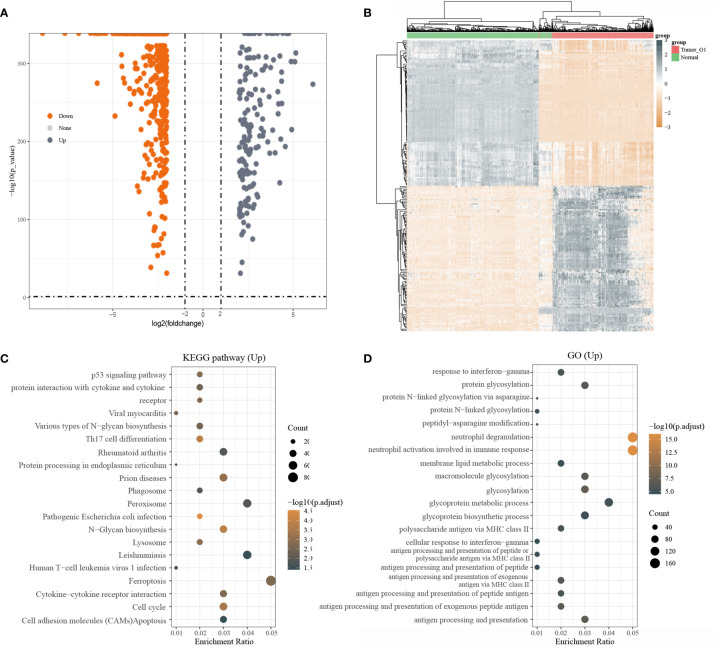
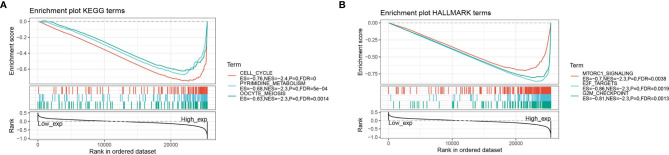
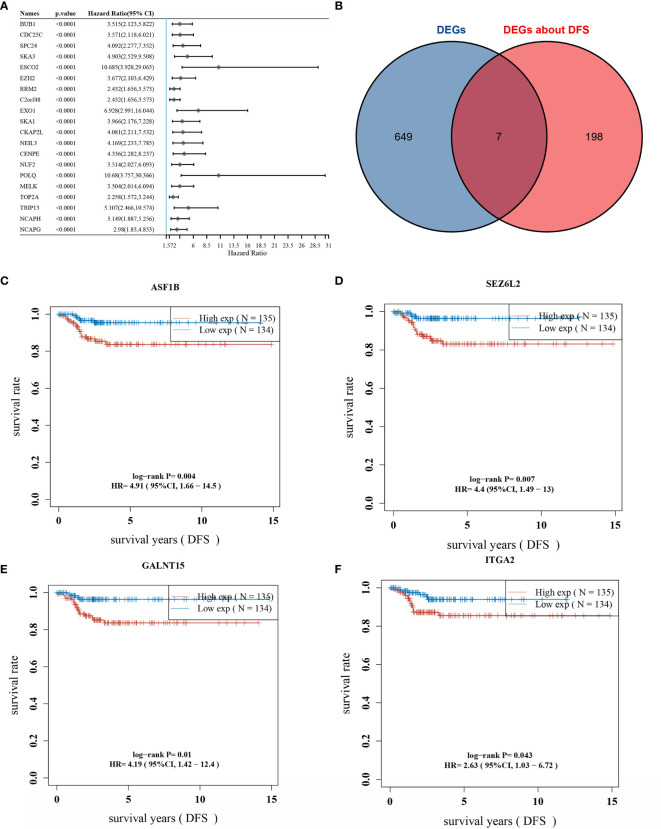
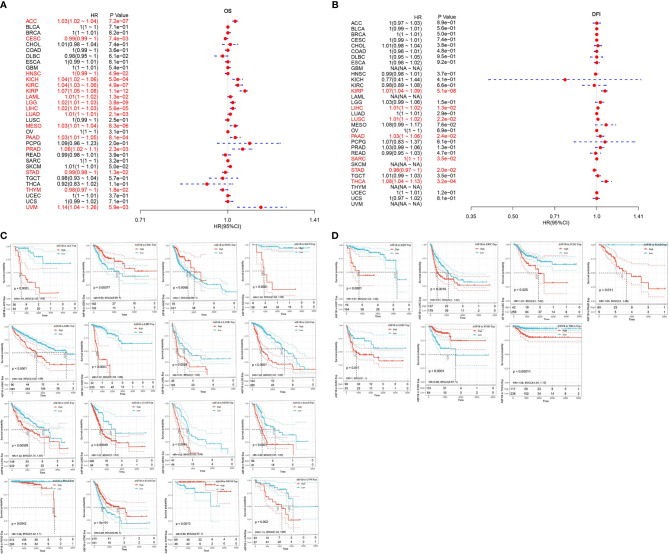
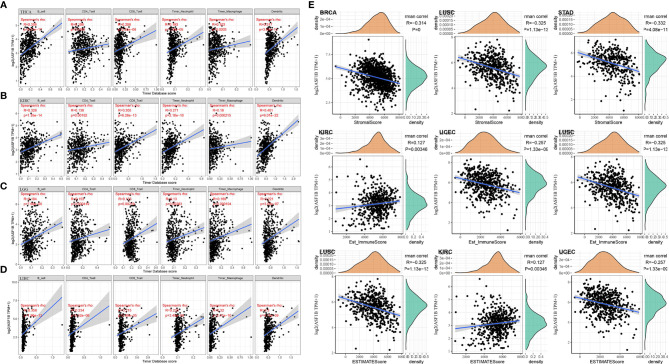
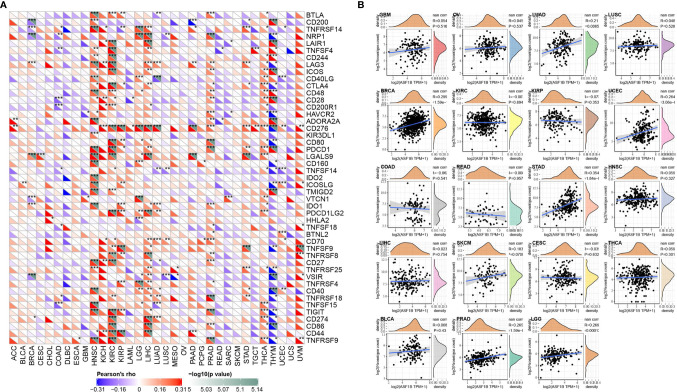
656 differentially expressed genes were identified from two datasets and 960 DEGs that were associated with disease-free survival in THCA patients were screened survival analysis. The former and the latter were crossed to obtain 7 key genes, and the gene with the highest risk factor, ASF1B, was selected for this study. Differential analysis of multiple databases showed that ASF1B was commonly and highly expressed in pan-cancer. Survival analysis showed that high ASF1B expression was significantly associated with poor patient prognosis in multiple cancers. In addition, ASF1B expression levels were found to be associated with tumor immune infiltration in THCA, KIRC, LGG, and LIHC, and with tumor microenvironment in BRCA, LUSC, STAD, UCEC, and KIRC. Further analysis of the relationship between ASF1B expression and immune checker gene expression suggested that ASF1B may regulate tumor immune patterns in most tumors by regulating the expression levels of specific immune checker genes. Finally, GSEA enrichment analysis showed that ASF1B high expression was mainly enriched in cell cycle, MTORC1 signaling system, E2F targets, and G2M checkpoints pathways.
ASF1B may be an independent prognostic marker for predicting the prognosis of THCA patients. The pan-cancer analysis suggested that ASF1B may play an important role in the tumor micro-environment and tumor immunity and it has the potential of serving as a predictive biomarker for multiple cancers.
甲状腺癌的发病率一直居高不下,其局部复发和转移会导致死亡,而甲状腺乳头状癌(PTC)的发病机制尚未完全阐明。因此,迫切需要研究更准确的预后相关预测生物标志物,关键基因通常可作为多种肿瘤的预后标志物。
下载TCGA和GTEx数据库中各种癌症的基因表达谱,通过差异分析与生存分析相结合,确定与甲状腺癌预后显著相关的基因。然后,使用一系列生物信息学工具和方法,分别分析该基因在每种癌症中的表达情况,以及每种表达与预后、肿瘤免疫微环境、免疫新抗原、免疫检查点、DNA修复基因和甲基转移酶的相关性。还通过GSEA富集分析研究了可能的生物学机制。
从两个数据集中鉴定出656个差异表达基因,通过生存分析筛选出960个与甲状腺癌患者无病生存相关的差异表达基因。将前者与后者交叉,获得7个关键基因,本研究选择风险因素最高的基因ASF1B。多个数据库的差异分析表明,ASF1B在泛癌中普遍高表达。生存分析表明,ASF1B高表达与多种癌症患者的不良预后显著相关。此外,发现ASF1B表达水平与甲状腺癌、肾透明细胞癌、低级别胶质瘤和肝细胞癌的肿瘤免疫浸润相关,与乳腺癌、肺鳞癌、胃癌、子宫内膜癌和肾透明细胞癌的肿瘤微环境相关。进一步分析ASF1B表达与免疫检查基因表达之间的关系表明,ASF1B可能通过调节特定免疫检查基因的表达水平来调节大多数肿瘤的肿瘤免疫模式。最后,GSEA富集分析表明,ASF1B高表达主要富集在细胞周期、MTORC1信号系统、E2F靶点和G2M检查点通路中。
ASF1B可能是预测甲状腺癌患者预后的独立预后标志物。泛癌分析表明,ASF1B可能在肿瘤微环境和肿瘤免疫中发挥重要作用,具有作为多种癌症预测生物标志物的潜力。