Department of Synapse and Network Development, Netherlands Institute for Neuroscience, Amsterdam, Netherlands.
Department of Biological Sciences, University of Toronto Scarborough, Toronto, Canada.
Elife. 2021 Sep 7;10:e62091. doi: 10.7554/eLife.62091.
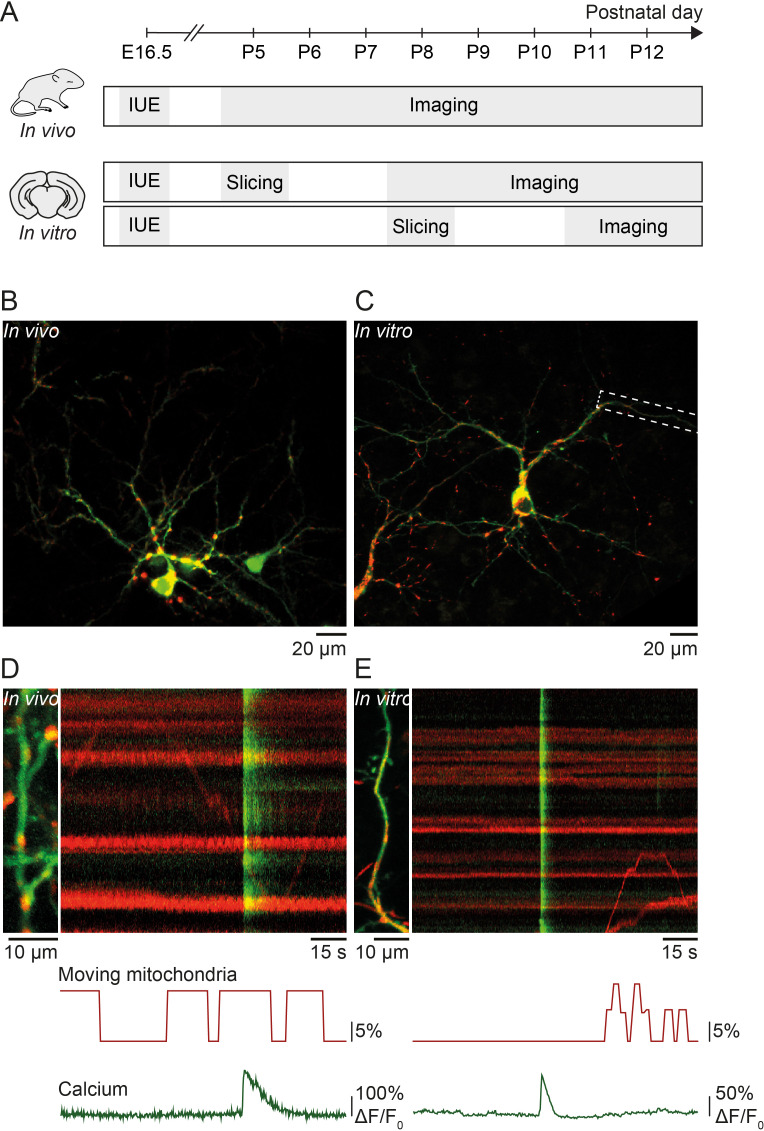
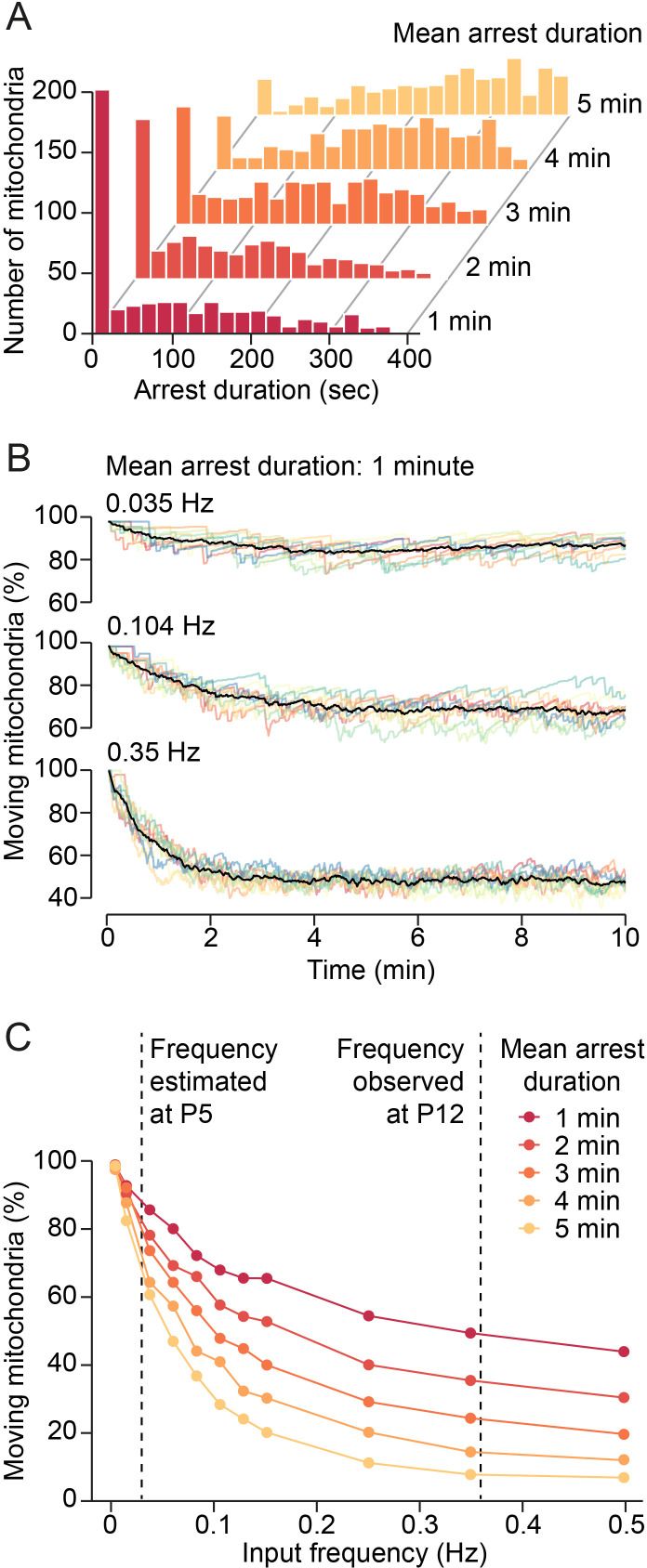
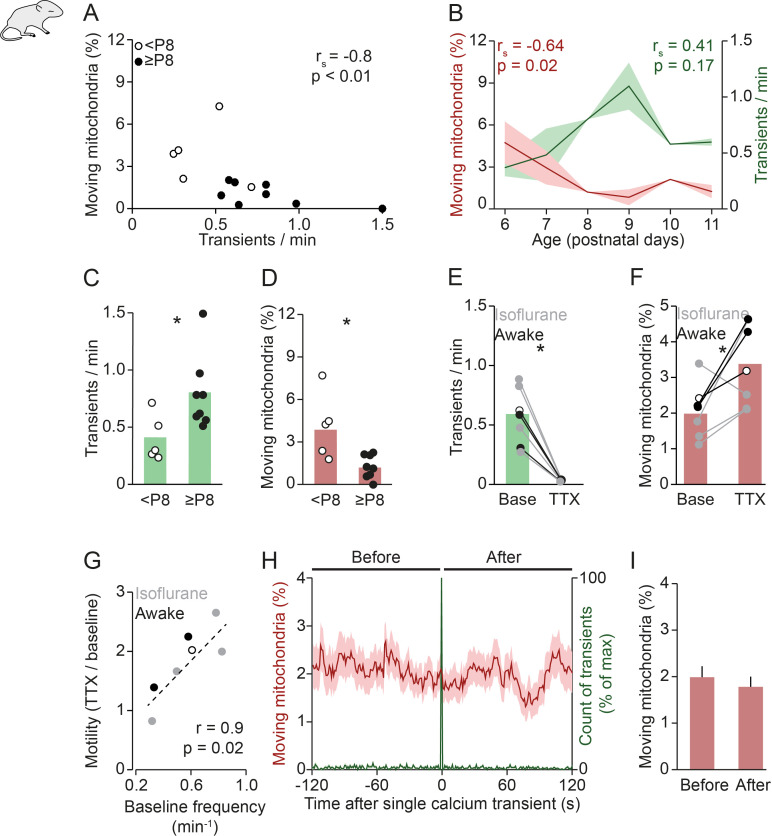
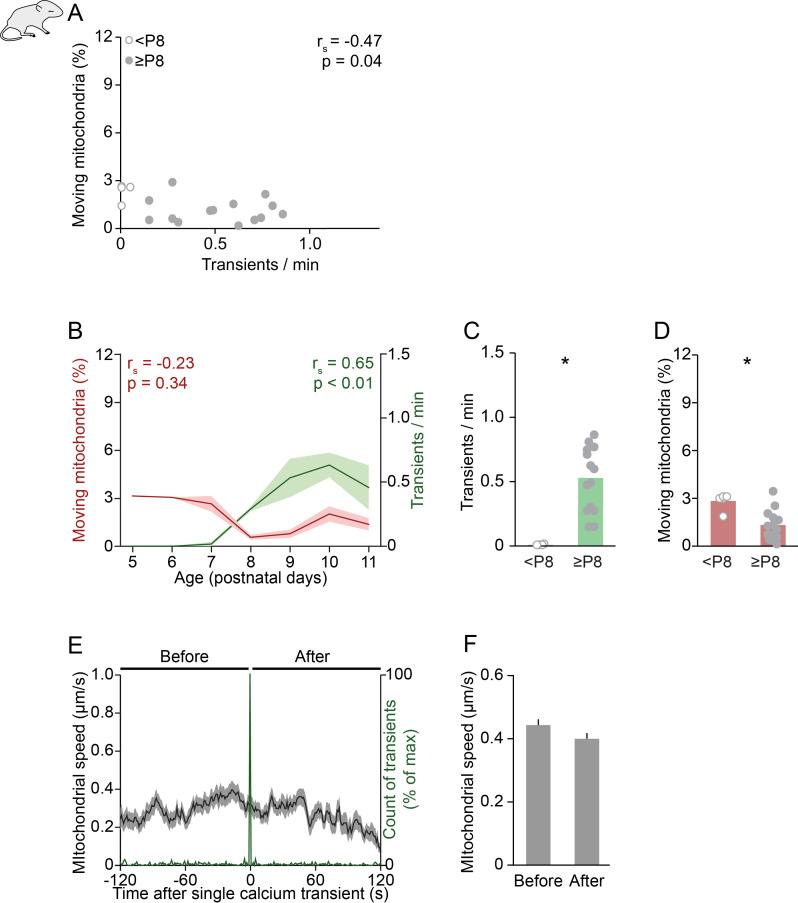
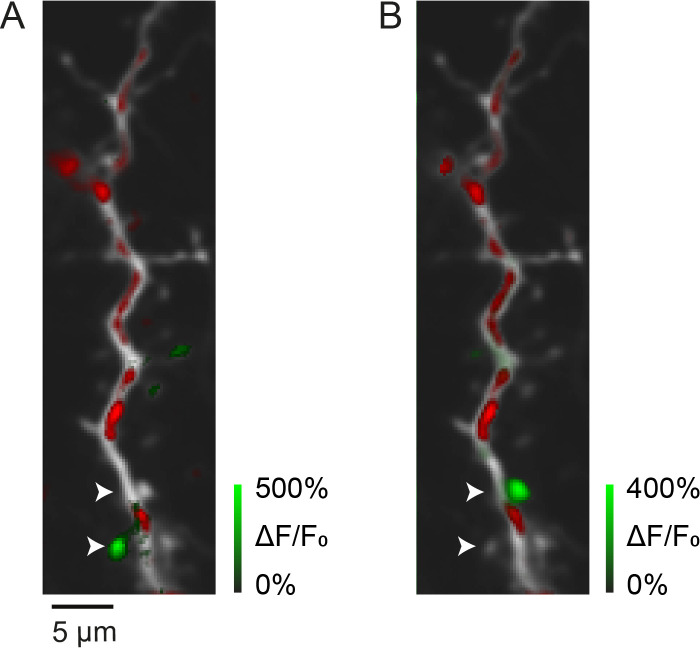
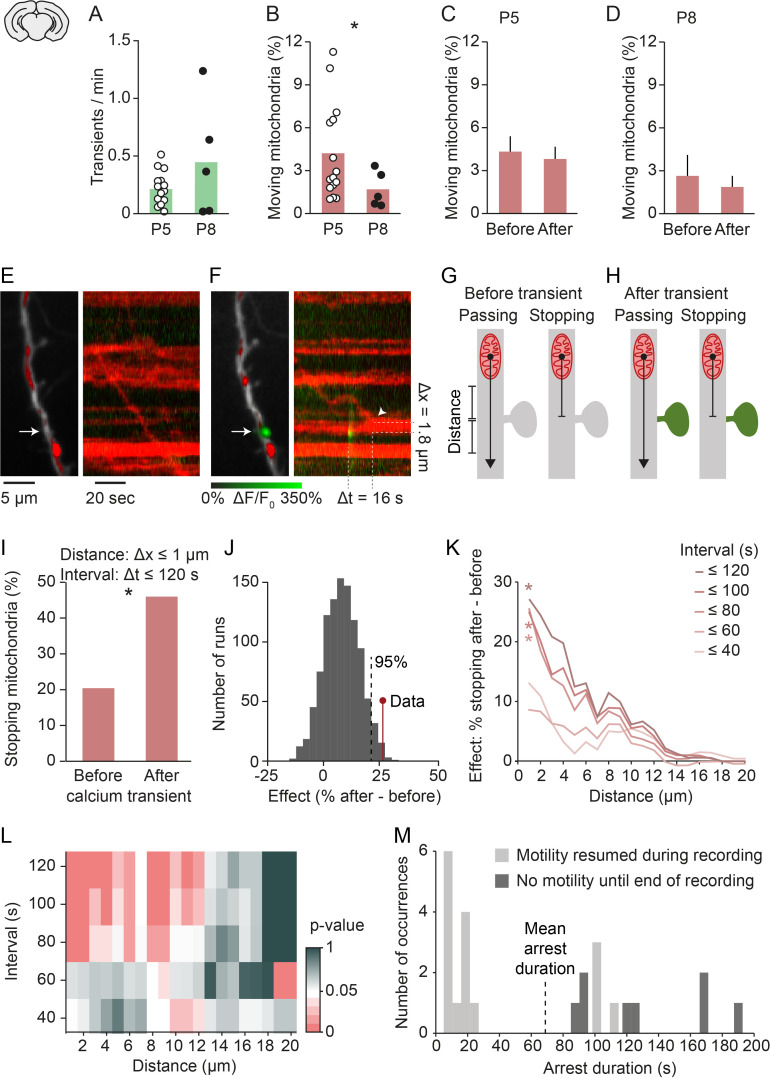
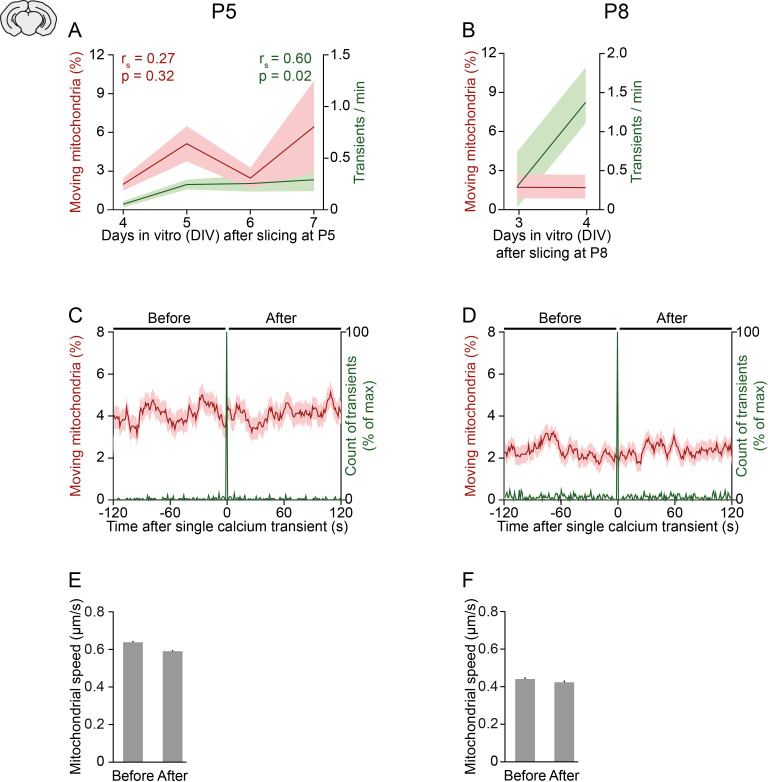
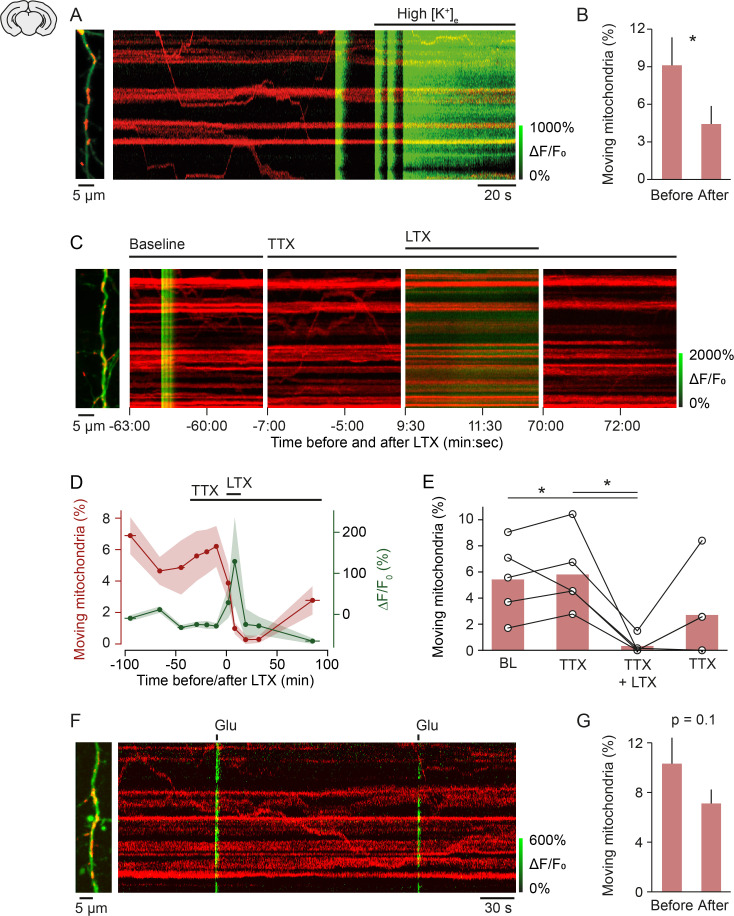
Developing neurons form synapses at a high rate. Synaptic transmission is very energy-demanding and likely requires ATP production by mitochondria nearby. Mitochondria might be targeted to active synapses in young dendrites, but whether such motility regulation mechanisms exist is unclear. We investigated the relationship between mitochondrial motility and neuronal activity in the primary visual cortex of young mice in vivo and in slice cultures. During the first 2 postnatal weeks, mitochondrial motility decreases while the frequency of neuronal activity increases. Global calcium transients do not affect mitochondrial motility. However, individual synaptic transmission events precede local mitochondrial arrest. Pharmacological stimulation of synaptic vesicle release, but not focal glutamate application alone, stops mitochondria, suggesting that an unidentified factor co-released with glutamate is required for mitochondrial arrest. A computational model of synaptic transmission-mediated mitochondrial arrest shows that the developmental increase in synapse number and transmission frequency can contribute substantially to the age-dependent decrease of mitochondrial motility.
发育中的神经元以很高的速度形成突触。突触传递非常耗能,可能需要附近线粒体产生 ATP。线粒体可能被靶向到年轻树突中的活跃突触,但这种运动调节机制是否存在尚不清楚。我们在体内和切片培养物中研究了年轻小鼠初级视觉皮层中线粒体运动和神经元活动之间的关系。在出生后的前 2 周,线粒体运动减少,而神经元活动的频率增加。整体钙瞬变不会影响线粒体运动。然而,单个突触传递事件先于局部线粒体停滞。突触小泡释放的药理学刺激,但不是单独的局灶性谷氨酸应用,会阻止线粒体,表明与谷氨酸共同释放的一种未知因子对于线粒体停滞是必需的。突触传递介导的线粒体停滞的计算模型表明,突触数量和传递频率的发育性增加可以大大促进线粒体运动随年龄的降低。