
叶片性状的变化调节了干旱地中海灌木丛中植物营养和生殖物候序列。
Variations in Leaf Traits Modulate Plant Vegetative and Reproductive Phenological Sequencing Across Arid Mediterranean Shrublands.
作者信息
Navarro Teresa, Hidalgo-Triana Noelia
机构信息
Department of Botany and Plant Physiology (Botany Area), Faculty of Science, University of Malaga, Malaga, Spain.
出版信息
Front Plant Sci. 2021 Aug 23;12:708367. doi: 10.3389/fpls.2021.708367. eCollection 2021.
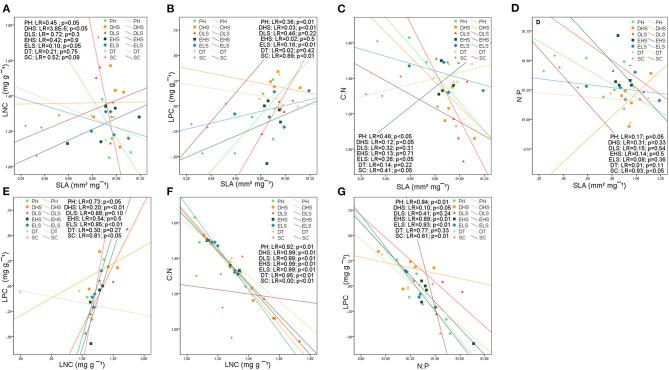
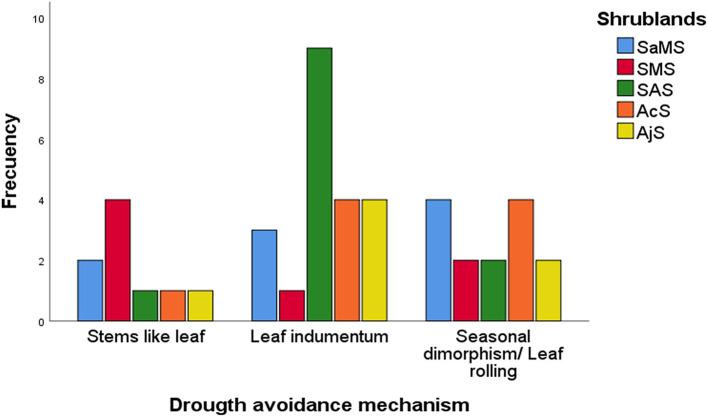
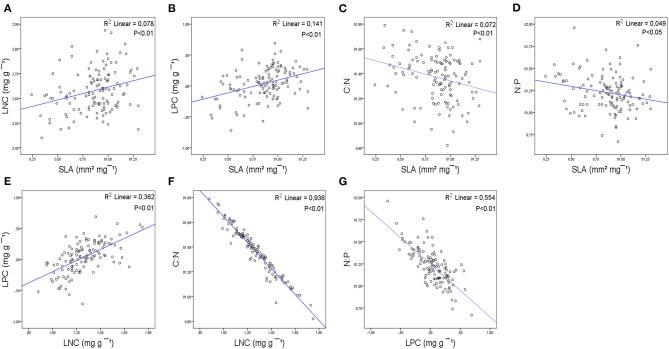
Structural and nutrient traits of a leaf are important for understanding plant ecological strategies (e.g., drought avoidance). We studied the specific leaf area (SLA), leaf carbon content (LCC), leaf nitrogen content (LNC), leaf phosphorous content (LPC), and the phenophase sequence index (PSI) in 126 Mediterranean perennial species from predesert (SMS) and semiarid (SaMS) to subalpine (SAS), alpine cushion (AcS), and oro-Mediterranean (AjS) shrublands, which represent eight functional groups (evergreen and deciduous trees, evergreen large and half shrubs, deciduous large and half shrubs, succulents and perennial herbs). We analyzed the variation and relationships between leaf traits and PSI among shrublands, functional groups, and within species with drought-avoidance mechanisms. SLA variation of 20-60% could be ascribed to differences between functional groups and only 38-48% to different shrublands increasing from the predesert to the alpine. Alpine species display low PSI and N:P and high SLA, LNC, LPC, LCC, and C:N. On the contrary, predesert and semiarid showed high PSI and low SLA. SLA mediates the vegetative and reproductive phenological plant sequencing, high SLA is often associated with the overlapping in growth and reproductive phenophases with a seasonal reduction of vegetative growth, whereas low SLA is associated with vegetative and reproductive sequencing and a seasonal extension of vegetative growth. Species with drought-avoidance mechanisms (e.g., semideciduous species) contribute to an increase in the mean values of the SLA and LNC because these species show similar leaf and phenological patterns as the deciduous (high SLA and LNC and low PSI). The N:P indicates that only the alpine shrublands could present P limitations. The positive correlations between SLA and LPC and LNC and LPC (leaf economic spectrum) and the negative correlation between SLA and C:N were consistently maintained in the studied arid Mediterranean shrublands.
叶片的结构和养分特征对于理解植物生态策略(如避旱)十分重要。我们研究了126种地中海多年生植物的比叶面积(SLA)、叶片碳含量(LCC)、叶片氮含量(LNC)、叶片磷含量(LPC)以及物候序列指数(PSI),这些植物分布于从荒漠前(SMS)、半干旱(SaMS)到亚高山(SAS)、高山垫状(AcS)和山地地中海(AjS)灌丛,代表了八个功能组(常绿和落叶乔木、常绿大灌木和半灌木、落叶大灌木和半灌木、多肉植物和多年生草本)。我们分析了灌丛间、功能组间以及具有避旱机制的物种内叶片性状与PSI之间的变异及关系。20%-60%的SLA变异可归因于功能组间的差异,而从荒漠前到高山,不同灌丛间的差异仅导致38%-48%的变异。高山物种表现出低PSI和低N:P,以及高SLA、LNC、LPC、LCC和C:N。相反,荒漠前和半干旱地区的物种表现出高PSI和低SLA。SLA介导了植物营养和生殖物候的排序,高SLA通常与生长和生殖物候期的重叠以及营养生长的季节性减少相关,而低SLA则与营养和生殖排序以及营养生长的季节性延长相关。具有避旱机制的物种(如半落叶物种)会导致SLA和LNC平均值增加,因为这些物种表现出与落叶物种相似的叶片和物候模式(高SLA和LNC以及低PSI)。N:P表明只有高山灌丛可能存在磷限制。在所研究的干旱地中海灌丛中,SLA与LPC以及LNC与LPC之间的正相关(叶片经济谱)和SLA与C:N之间的负相关始终存在。



 Zotero 插件