Department of Botany, Faculty of Agronomy, Horticulture and Bioengineering, Poznań University of Life Sciences, Wojska Polskiego 71 C, 60-625, Poznan, Poland.
Department of General Zoology, Faculty of Biology, Adam Mickiewicz University in Poznań, 61-614, Poznan, Poland.
Sci Rep. 2021 Sep 9;11(1):17969. doi: 10.1038/s41598-021-97516-9.
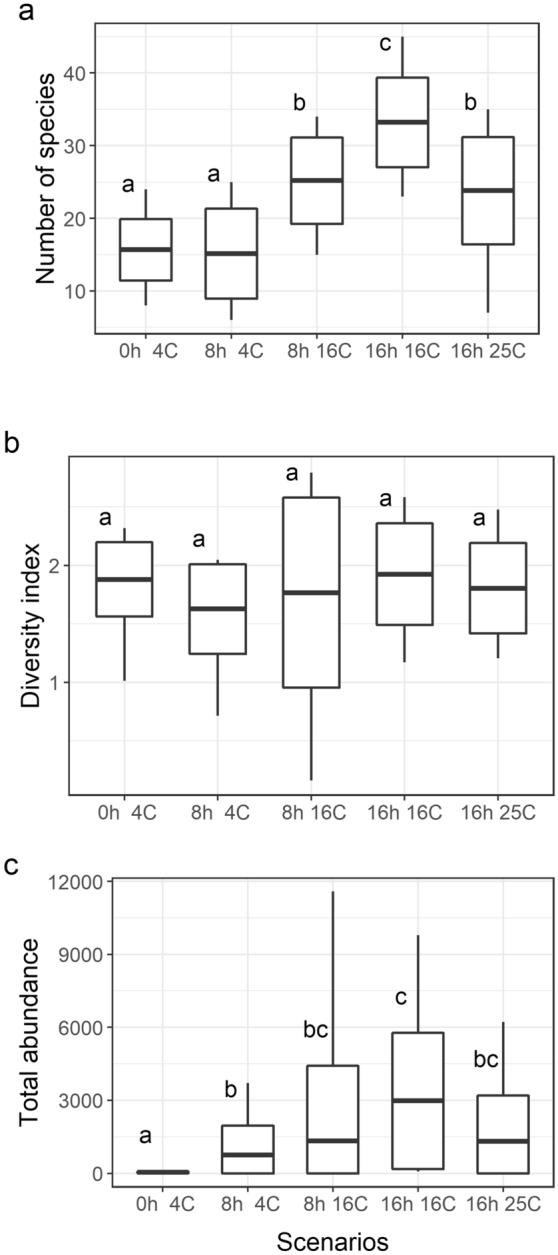
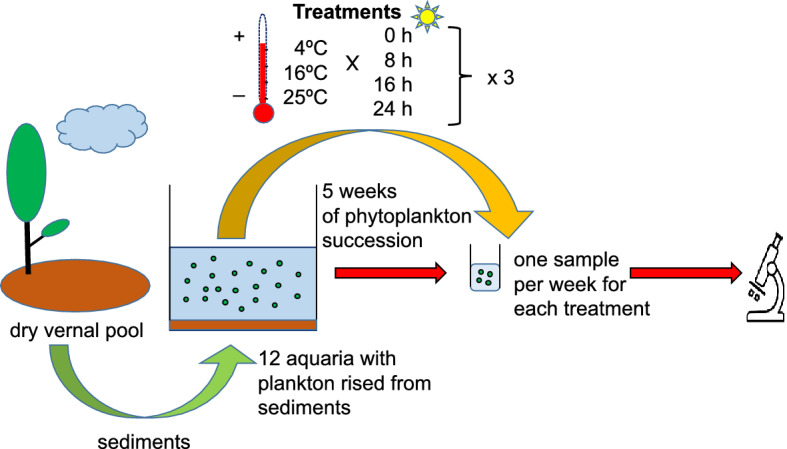
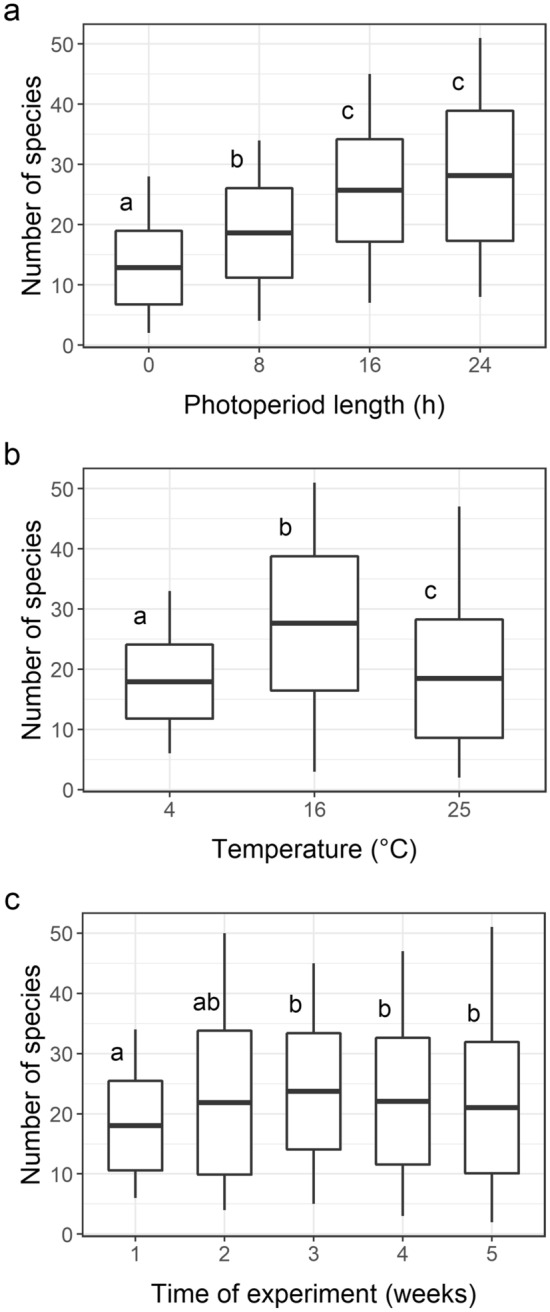
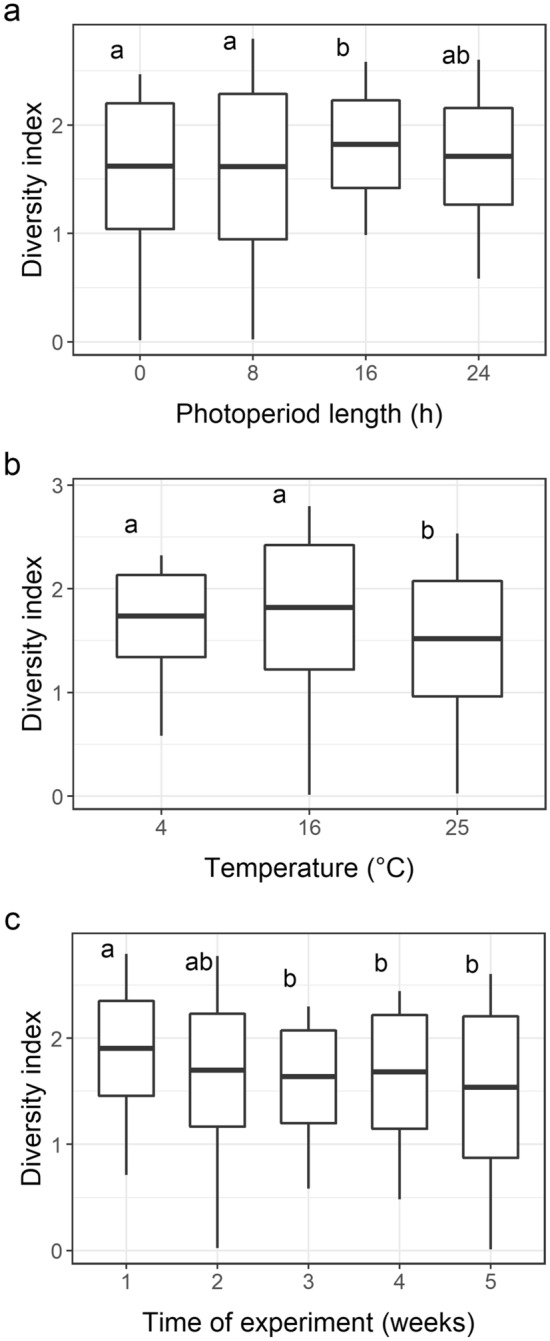
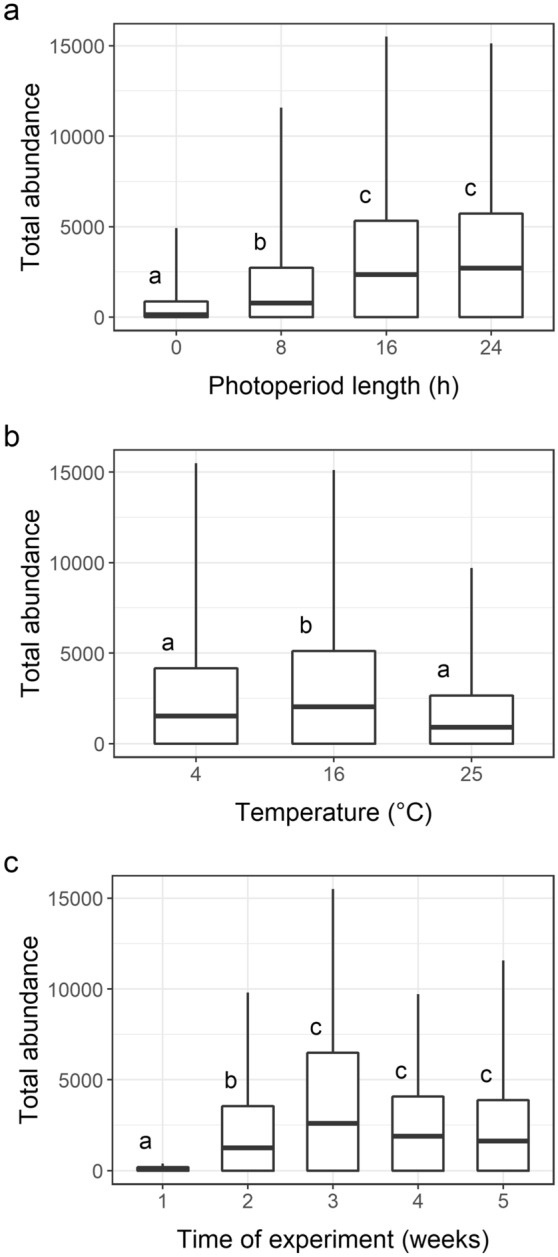
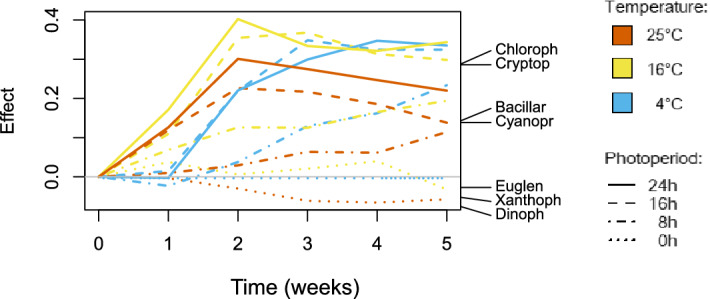
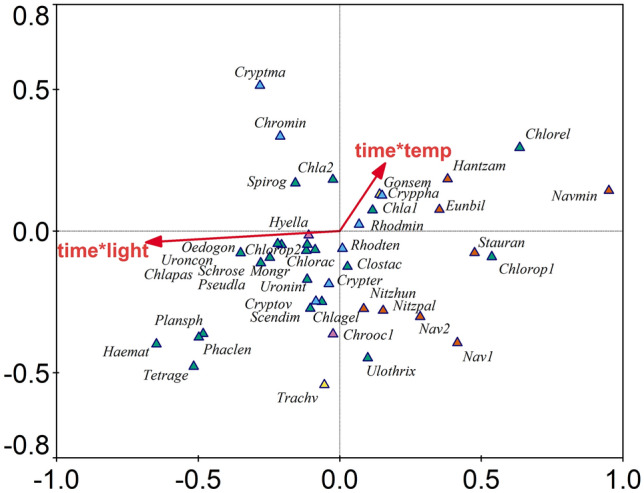
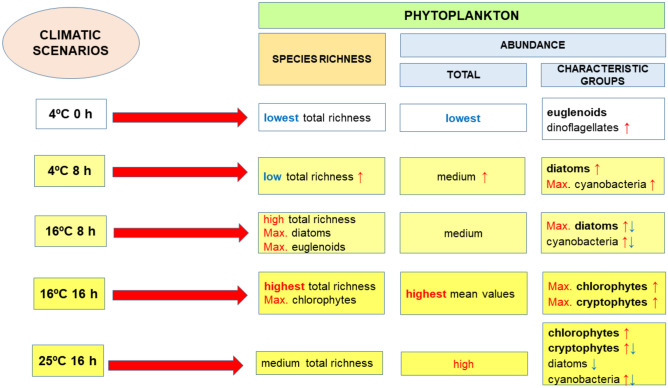
Temporary water bodies, especially vernal pools, are the most sensitive aquatic environments to climate change yet the least studied. Their functioning largely depends on their phytoplankton community structure. This study aimed to determine how temperature and photoperiod length (by simulating inundation in different parts of the year under five climate scenarios) affect the succession and structure of phytoplankton communities soon after inundation. Photoperiod was the most important factor affecting phytoplankton species richness, total abundance and the abundance of taxonomic groups in the course of succession. A long photoperiod (16 h) and a moderate temperature (16 °C) in vernal pool microcosms (late spring inundation after a warm snowless winter) were the most favourable conditions for phytoplankton growth (especially for the main taxonomic groups: chlorophytes and cryptophytes) and species richness. With short photoperiods (inundation in winter) and low temperatures, the communities transformed towards diatoms, euglenoids and cyanobacteria. In line with our predictions, a high temperature (25 °C) favoured a decline in phytoplankton species diversity. Our study shows that climate change will result in seasonal shifts in species abundance or even in their disappearance and, finally, in potential strong changes in the biodiversity and food webs of aquatic ecosystems in the future.
临时水体,特别是季节性池塘,是对气候变化最敏感的水生环境,但也是研究最少的环境。它们的功能在很大程度上取决于其浮游植物群落结构。本研究旨在确定温度和光周期长度(通过在五个气候情景下模拟不同年份的淹没来实现)在淹没后不久如何影响浮游植物群落的演替和结构。光周期是影响浮游植物物种丰富度、总丰度和分类群丰度的最重要因素。在季节性池塘微宇宙中(温暖无雪的冬季后晚春淹没),长光周期(16 小时)和适中温度(16°C)是浮游植物生长(特别是主要分类群:绿藻和隐藻)和物种丰富度的最有利条件。在短光周期(冬季淹没)和低温下,群落向硅藻、眼虫和蓝藻转化。与我们的预测一致,高温(25°C)有利于浮游植物物种多样性的下降。我们的研究表明,气候变化将导致物种丰度的季节性变化,甚至导致某些物种的消失,最终导致未来水生生态系统的生物多样性和食物网发生潜在的强烈变化。