Department of Biological Medicines & Shanghai Engineering Research Center of Immunotherapeutics, Fudan University School of Pharmacy, Shanghai, China.
Division of Spine, Department of Orthopedics, Tongji Hospital, School of Medicine, Tongji University, Shanghai, China.
Front Immunol. 2021 Aug 24;12:727941. doi: 10.3389/fimmu.2021.727941. eCollection 2021.
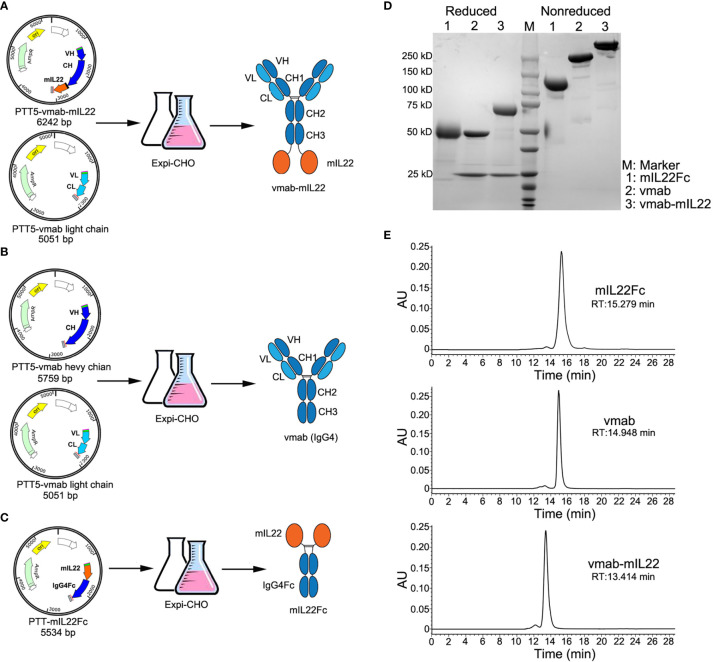
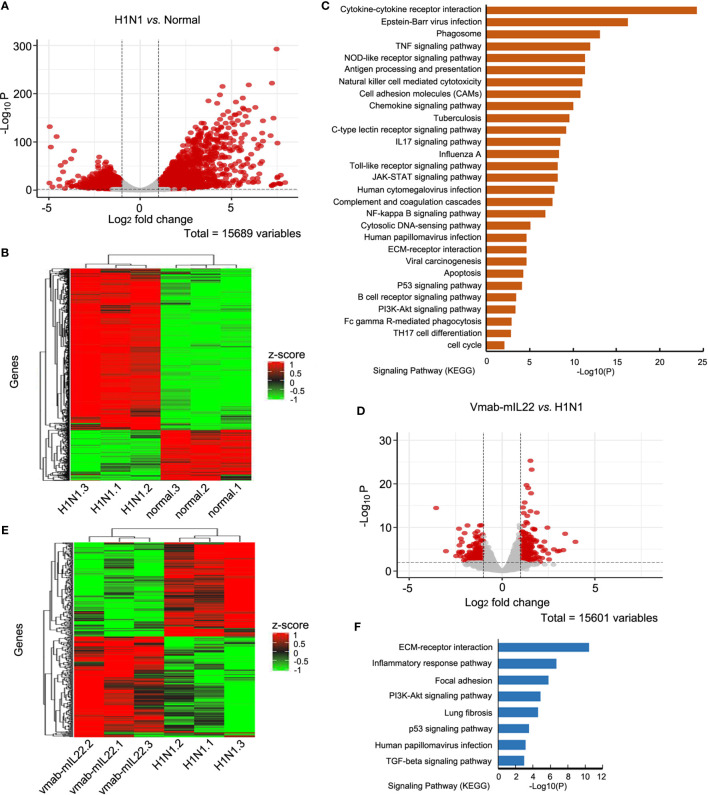
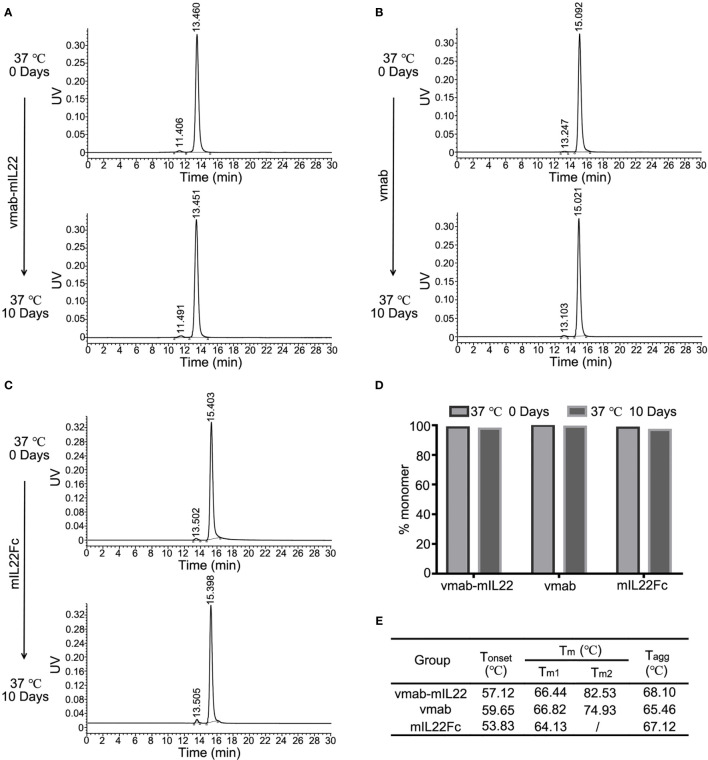
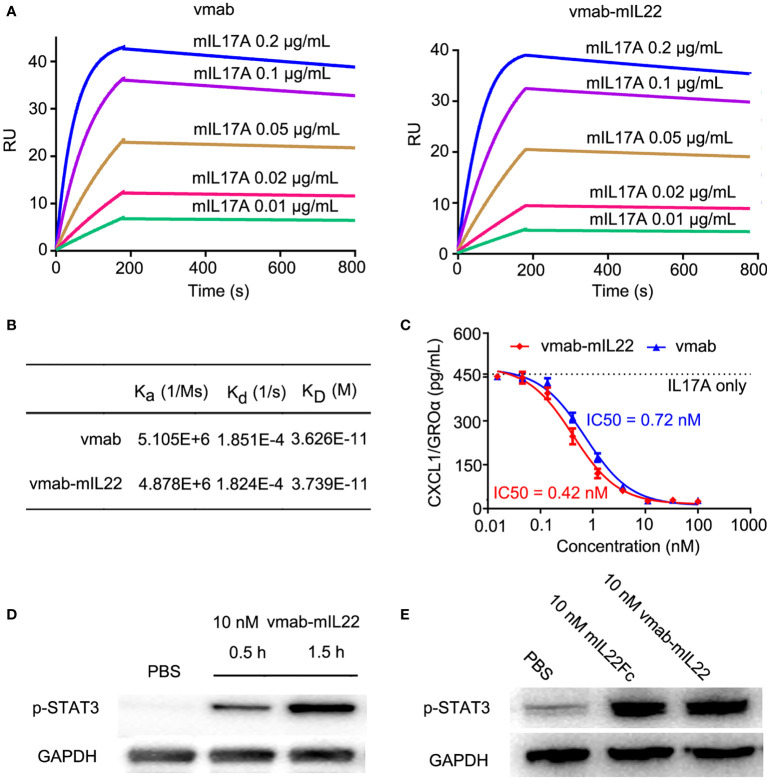
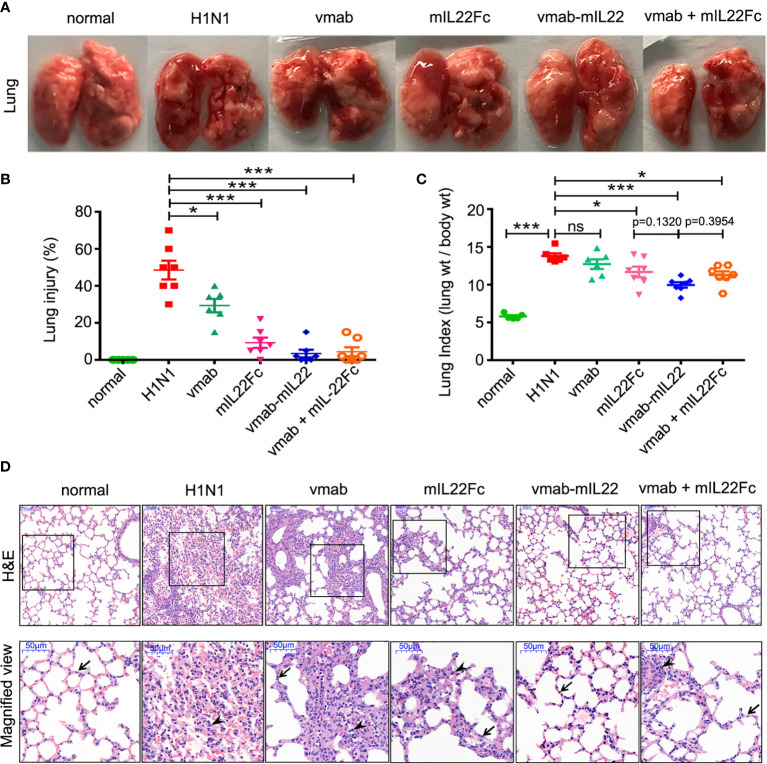
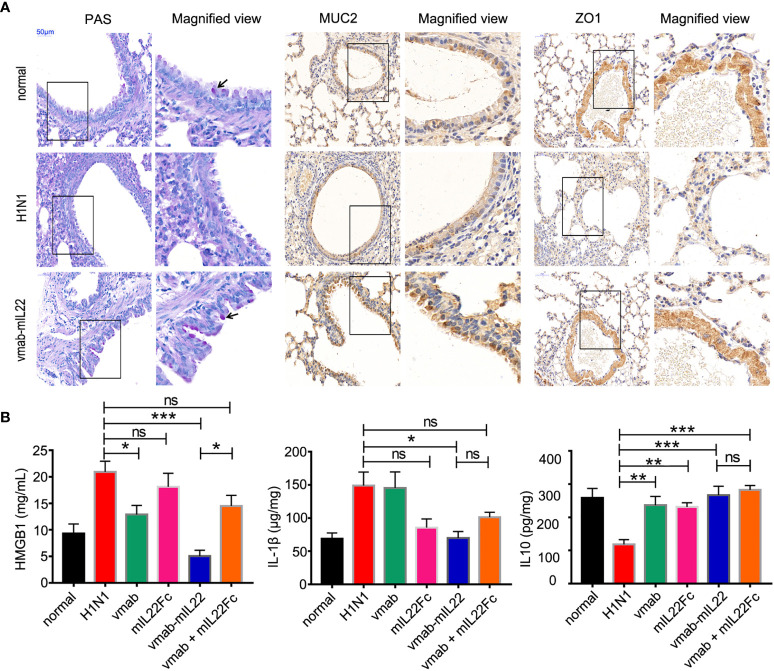
Influenza A virus infection is usually associated with acute lung injury, which is typically characterized by tracheal mucosal barrier damage and an interleukin 17A (IL-17A)-mediated inflammatory response in lung tissues. Although targeting IL-17A has been proven to be beneficial for attenuating inflammation around lung cells, it still has a limited effect on pulmonary tissue recovery after influenza A virus infection. In this research, interleukin 22 (IL-22), a cytokine involved in the repair of the pulmonary mucosal barrier, was fused to the C-terminus of the anti-IL-17A antibody vunakizumab to endow the antibody with a tissue recovery function. The vunakizumab-IL22 (vmab-IL-22) fusion protein exhibits favorable stability and retains the biological activities of both the anti-IL-17A antibody and IL-22 . Mice infected with lethal H1N1 influenza A virus and treated with vmab-mIL22 showed attenuation of lung index scores and edema when compared to those of mice treated with saline or vmab or mIL22 alone. Our results also illustrate that vmab-mIL22 triggers the upregulation of MUC2 and ZO1, as well as the modulation of cytokines such as IL-1β, HMGB1 and IL-10, indicating the recovery of pulmonary goblet cells and the suppression of excessive inflammation in mice after influenza A virus infection. Moreover, transcriptome profiling analysis suggest the downregulation of fibrosis-related genes and signaling pathways, including genes related to focal adhesion, the inflammatory response pathway, the TGF-β signaling pathway and lung fibrosis upon vmab-mIL22 treatment, which indicates that the probable mechanism of vmab-mIL22 in ameliorating H1N1 influenza A-induced lung injury. Our results reveal that the bifunctional fusion protein vmab-mIL22 can trigger potent therapeutic effects in H1N1-infected mice by enhancing lung tissue recovery and inhibiting pulmonary inflammation, which highlights a potential approach for treating influenza A virus infection by targeting IL-17A and IL-22 simultaneously.
甲型流感病毒感染通常与急性肺损伤有关,其特征通常是气管黏膜屏障损伤和肺组织中白细胞介素 17A(IL-17A)介导的炎症反应。尽管靶向 IL-17A 已被证明可有效减轻肺细胞周围的炎症,但对甲型流感病毒感染后肺组织的恢复作用仍有限。在这项研究中,白细胞介素 22(IL-22),一种参与肺黏膜屏障修复的细胞因子,被融合到抗 IL-17A 抗体 vunakizumab 的 C 末端,赋予该抗体组织恢复功能。vunakizumab-IL22(vmab-IL-22)融合蛋白表现出良好的稳定性,并保留了抗 IL-17A 抗体和 IL-22 的生物学活性。与单独用生理盐水、vunakizumab 或 mIL22 治疗的小鼠相比,感染致死性 H1N1 流感病毒并接受 vmab-mIL22 治疗的小鼠肺指数评分和水肿减轻。我们的结果还表明,vmab-mIL22 触发 MUC2 和 ZO1 的上调,以及调节细胞因子如 IL-1β、HMGB1 和 IL-10,表明在甲型流感病毒感染后,小鼠的肺杯状细胞恢复和过度炎症受到抑制。此外,转录组谱分析表明,纤维化相关基因和信号通路的下调,包括与局灶黏附、炎症反应途径、TGF-β信号通路和肺纤维化相关的基因,表明 vmab-mIL22 治疗后可能的机制是改善 H1N1 流感 A 诱导的肺损伤。我们的结果表明,双功能融合蛋白 vmab-mIL22 通过增强肺组织恢复和抑制肺炎症,在 H1N1 感染的小鼠中引发强大的治疗效果,这突显了通过同时靶向 IL-17A 和 IL-22 治疗甲型流感病毒感染的潜在方法。