Neuroprotective Drug Discovery Key Laboratory, Jiangsu Key Laboratory of Neurodegeneration, Nanjing Medical University, Nanjing, China.
The First Affiliated Hospital of Nanjing Medical University, Nanjing, China.
J Cell Mol Med. 2021 Oct;25(20):9753-9766. doi: 10.1111/jcmm.16923. Epub 2021 Sep 12.
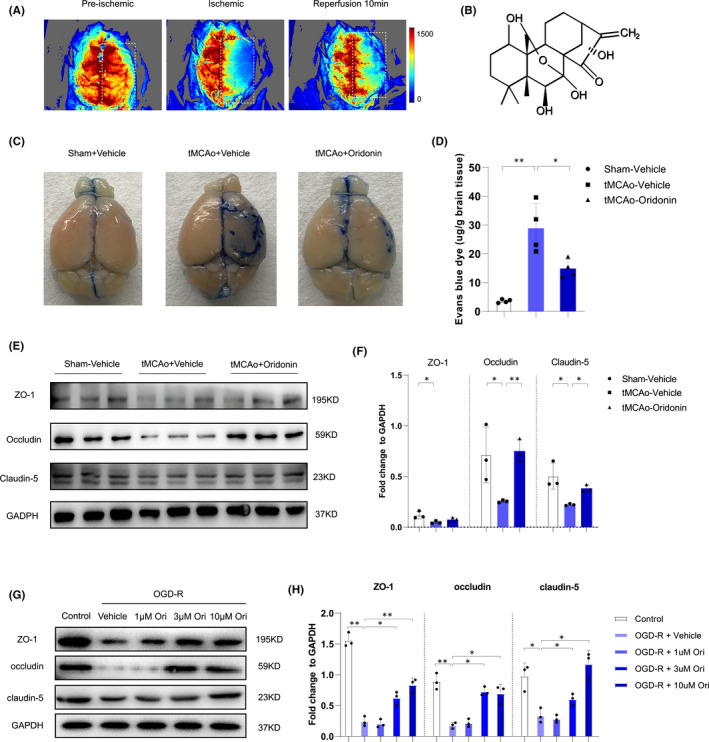
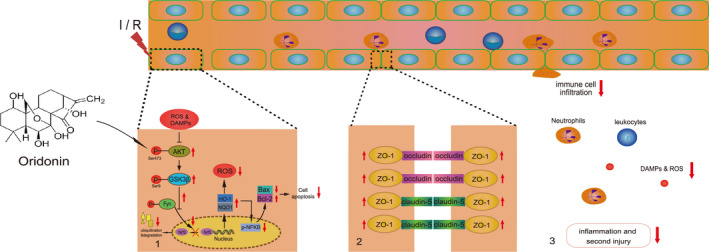
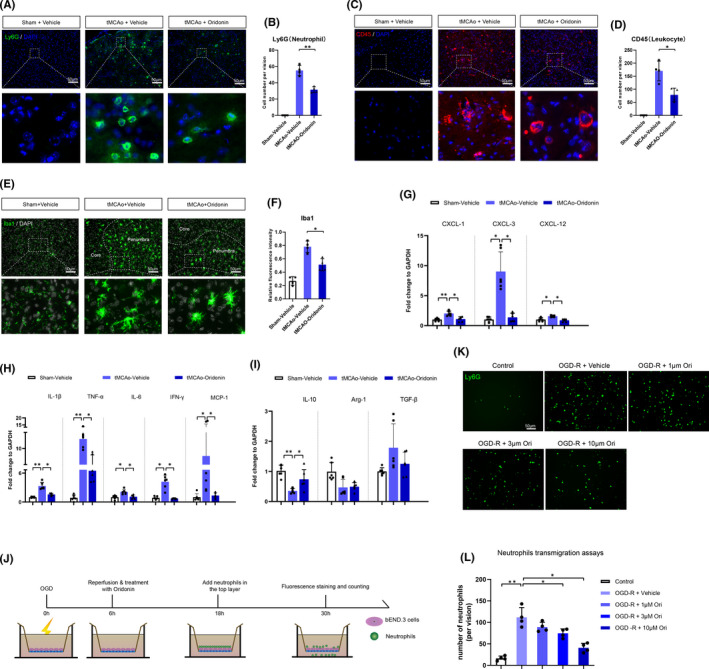
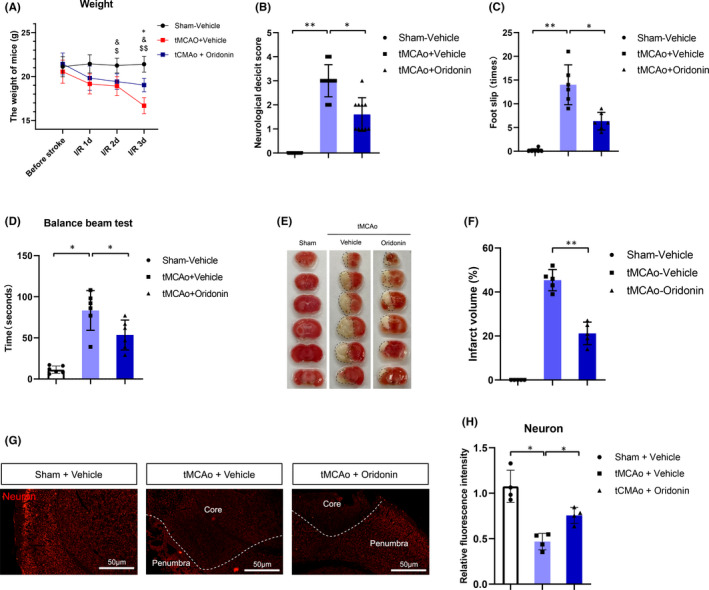
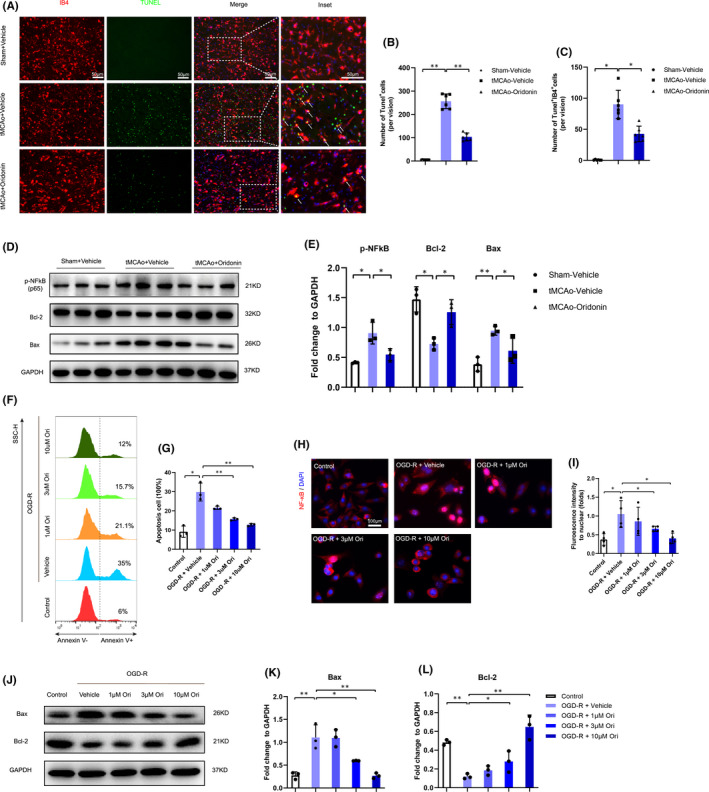
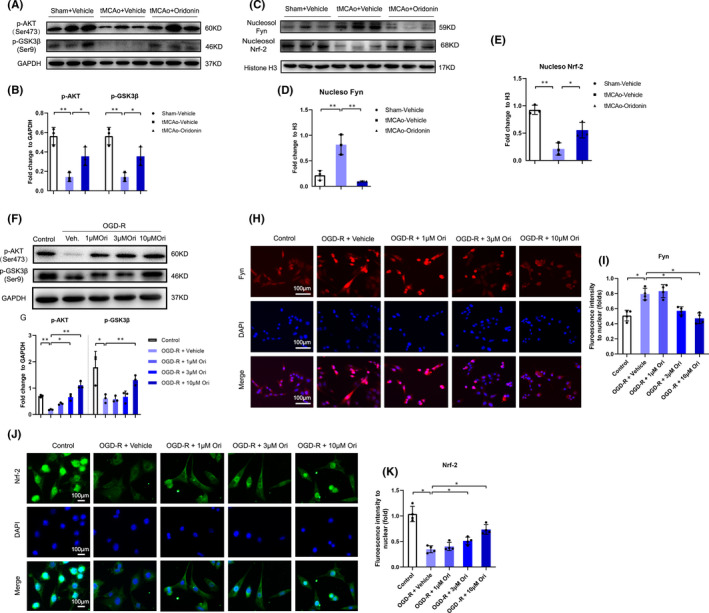
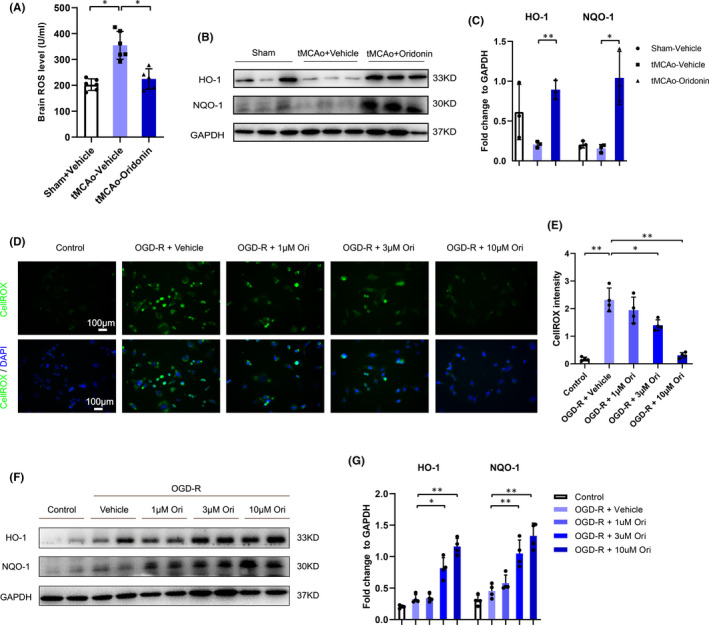
Oridonin, a natural diterpenoid compound extracted from a Chinese herb, has been proved to exert anti-oxidative stress effects in various disease models. The aim of the present study was to investigate the protective effects of oridonin on oxidative stress-induced endothelial injury in ischaemic stroke. We found oridonin repaired blood-brain barrier (BBB) integrity presented with upregulation of tight junction proteins (TJ proteins) expression, inhibited the infiltration of periphery inflammatory cells and neuroinflammation and thereby reduced infarct volume in ischaemic stroke mice. Furthermore, our results showed that oridonin could protect against oxidative stress-induced endothelial injury via promoting nuclear translocation of nuclear factor-erythroid 2 related factor 2 (Nrf-2). The specific mechanism could be the activation of AKT(Ser473)/GSK3β(Ser9)/Fyn signalling pathway. Our findings revealed the therapeutic effect and mechanism of oridonin in ischaemic stroke, which provided fundamental evidence for developing the extracted compound of Chinese herbal medicine into an innovative drug for ischaemic stroke treatment.
冬凌草甲素是一种从中国草药中提取的天然二萜化合物,已被证明在各种疾病模型中具有抗氧化应激作用。本研究旨在探讨冬凌草甲素对缺血性脑卒中诱导的内皮损伤的保护作用。我们发现冬凌草甲素修复血脑屏障(BBB)的完整性,上调紧密连接蛋白(TJ 蛋白)的表达,抑制外周炎性细胞和神经炎症的浸润,从而减少缺血性脑卒中小鼠的梗死体积。此外,我们的结果表明,冬凌草甲素通过促进核因子红细胞 2 相关因子 2(Nrf-2)的核易位来保护内皮细胞免受氧化应激诱导的损伤。其具体机制可能是激活 AKT(Ser473)/GSK3β(Ser9)/Fyn 信号通路。本研究揭示了冬凌草甲素在缺血性脑卒中中的治疗作用和机制,为将中药提取物开发成治疗缺血性脑卒中的创新药物提供了基础依据。