
胶态金纳米载体是否可为缺血性脑卒中提供有效的诊断或治疗方法?
Would Colloidal Gold Nanocarriers Present An Effective Diagnosis Or Treatment For Ischemic Stroke?
机构信息
Department of Medical Nanotechnology, Faculty of Advanced Technologies in Medicine, Iran University of Medical Sciences, Tehran, Iran.
Physiology Research Center, Faculty of Medicine, Iran University of Medical Sciences, Tehran, Iran.
出版信息
Int J Nanomedicine. 2019 Oct 7;14:8013-8031. doi: 10.2147/IJN.S210035. eCollection 2019.
INTRODUCTION
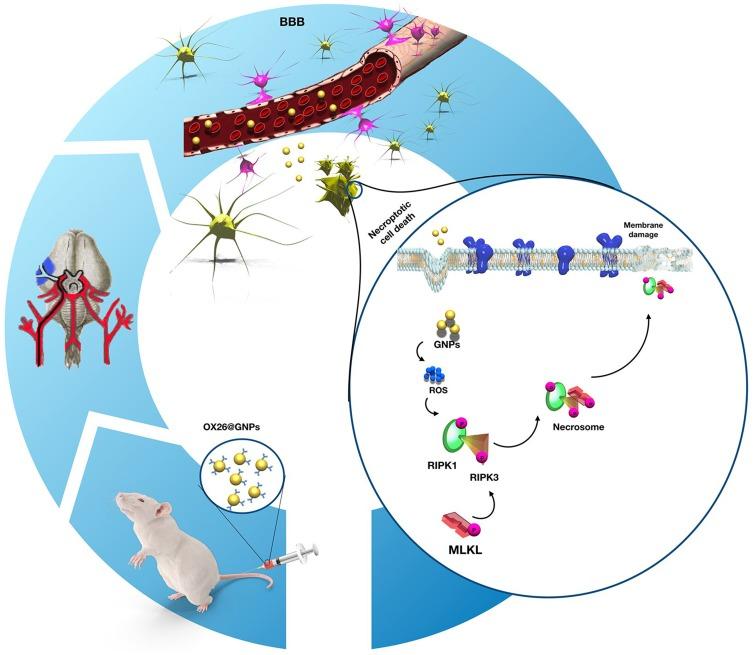
This study was conducted to evaluate OX26-PEG-coated gold nanoparticles (GNPs) (OX26@GNPs) as a novel targeted nanoparticulate system on cell survival after ischemic stroke.
MATERIALS AND METHODS
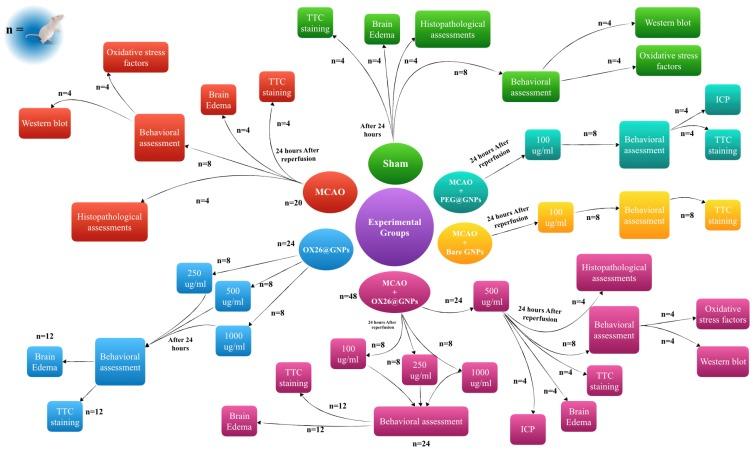
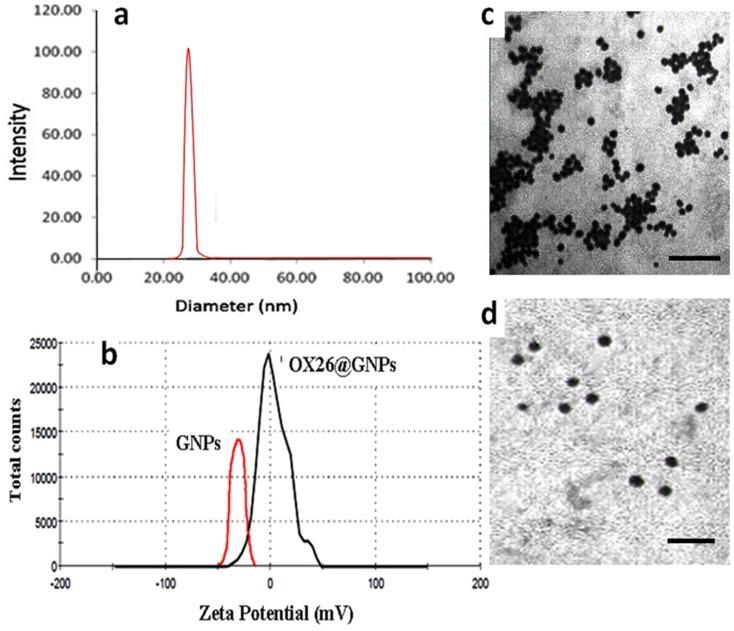
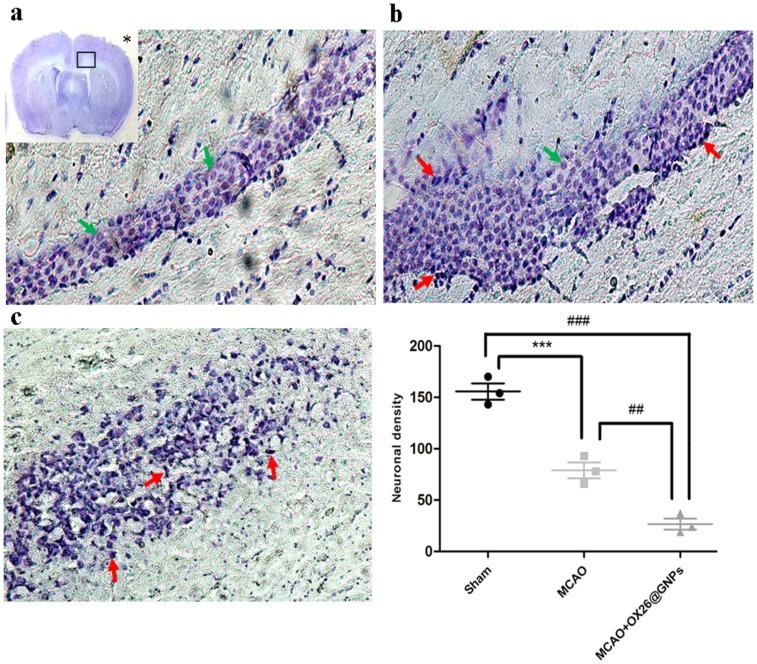
Dynamic light scattering (DLS), zeta sizer, and transmission electron microscopy (TEM) were performed to characterize the OX26@GNPs. The effect of OX26@GNPs on infarct volume, neuronal loss, and necroptosis was evaluated 24 h after reperfusion using 2, 3,5-Triphenyltetrazolium chloride (TTC) staining, Nissl staining and Western blot assay, respectively.
RESULTS
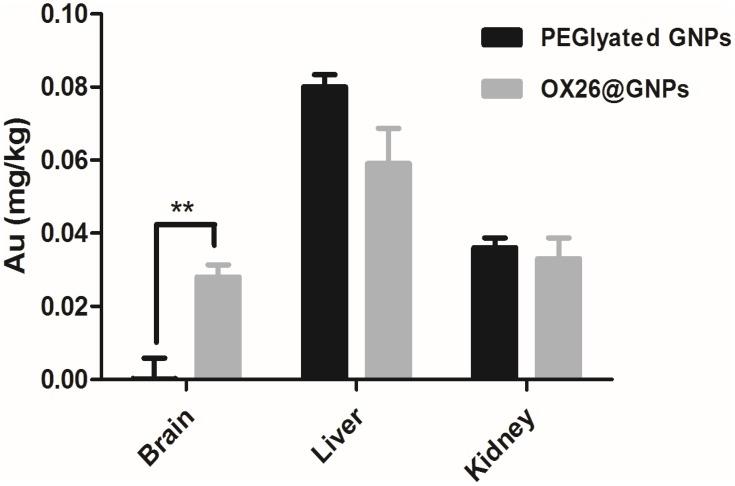
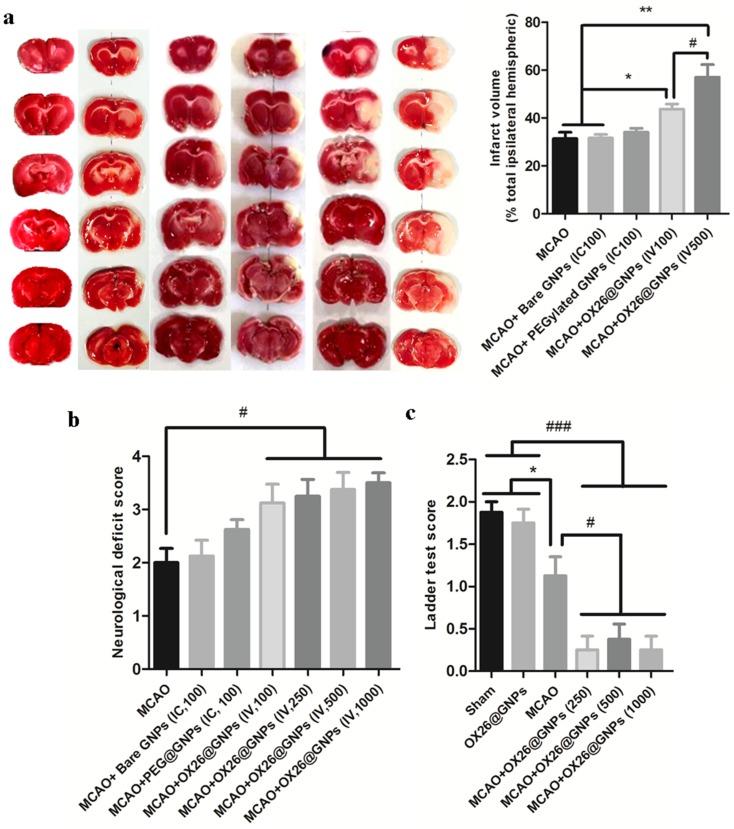
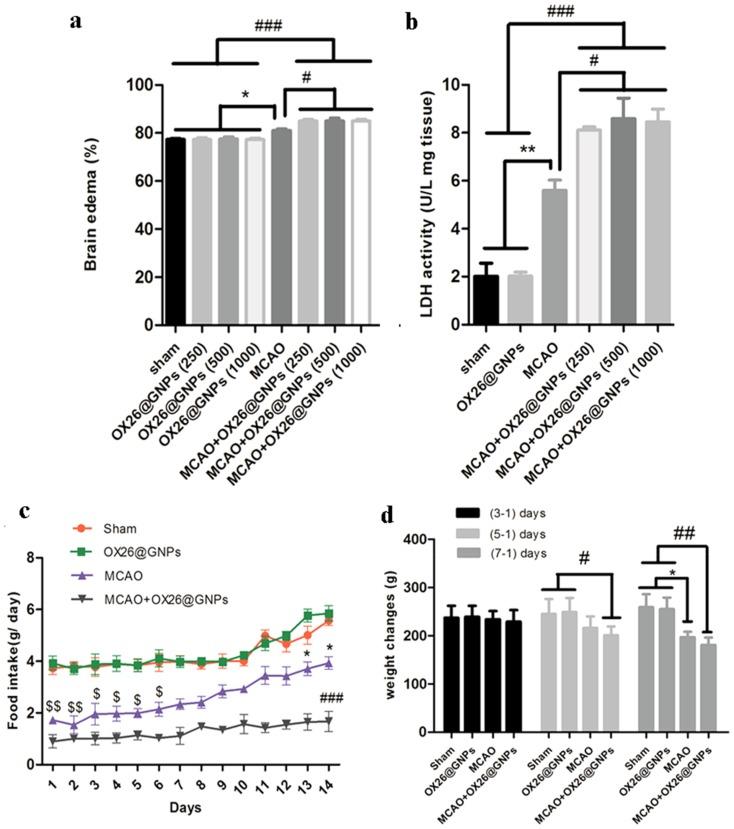
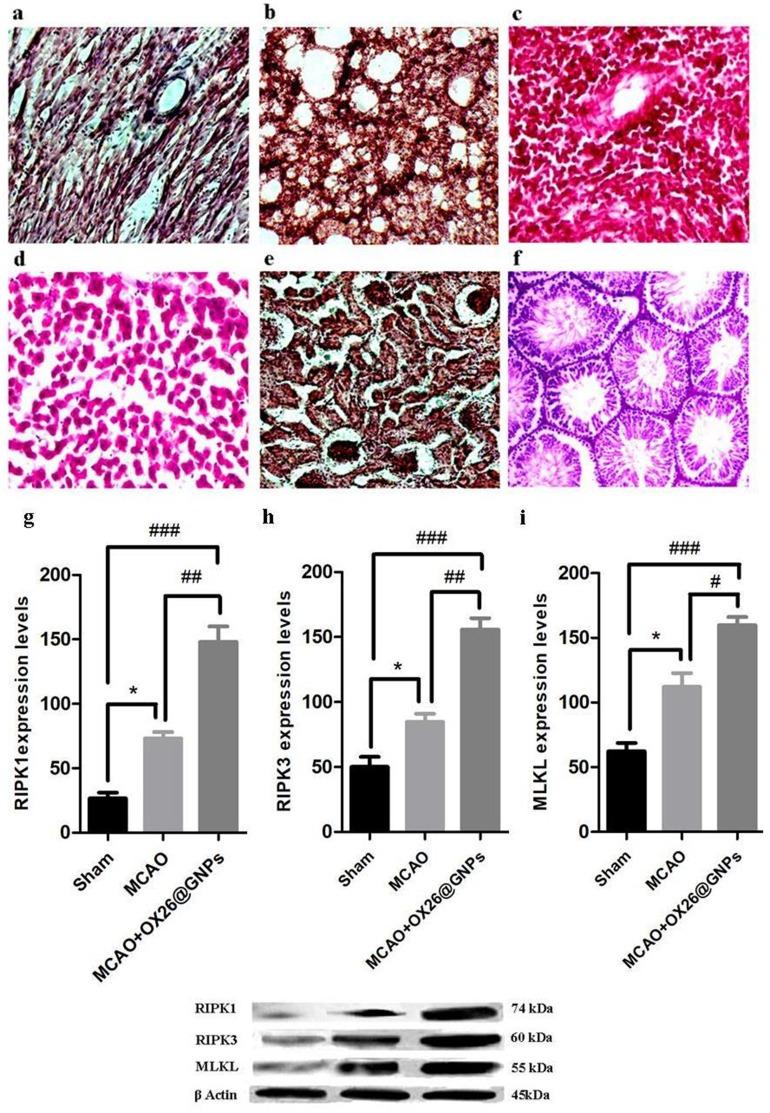
Conjugation of OX26-PEG to the surface of the 25 nm colloidal gold particles increased their size to 32±2 nm, while a zeta potential change of -40.4 to 3.40 mV remarkably increased the stability of the nanoparticles. Most importantly, OX26@GNPs significantly increased the infarcted brain tissue, while bare GNPs and PEGylated GNPs had no effect on the infarct volume. However, our results indicated an extension of necroptotic cell death, followed by cell membrane damage.
CONCLUSION
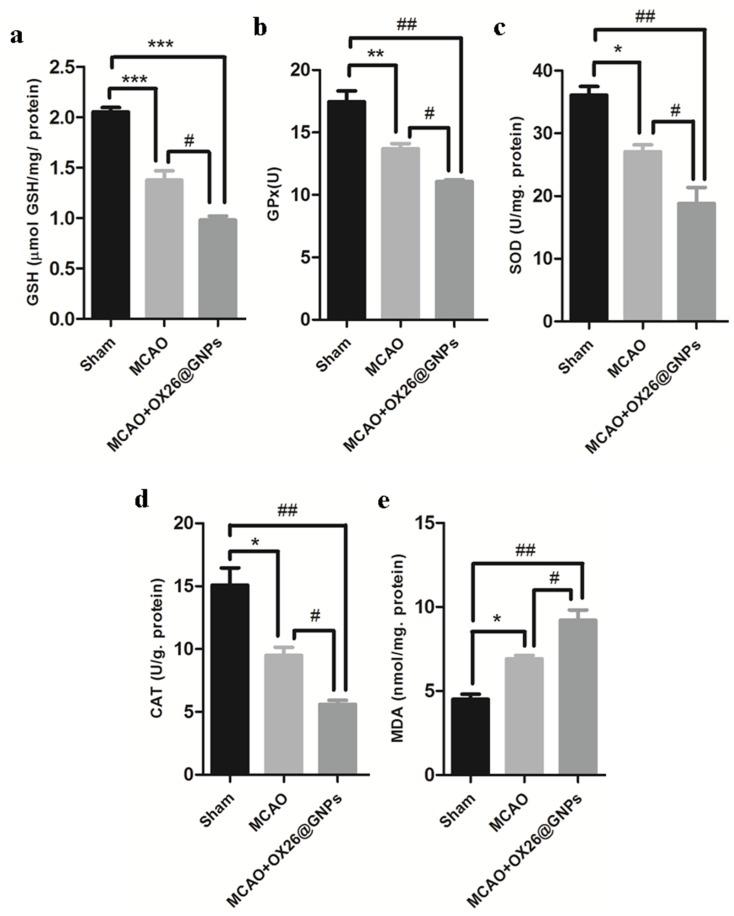
Collectively, our results showed that the presently formulated OX26@GNPs are not suitable nanocarriers nor contrast agents under oxidative stress for the diagnosis and treatment of ischemic stroke. Moreover, our findings suggest that the cytotoxicity of GNPs in the brain is significantly associated with their surface charge.
简介
本研究旨在评估 OX26-PEG 涂层金纳米颗粒(GNPs)(OX26@GNPs)作为一种新型靶向纳米颗粒系统对缺血性中风后细胞存活的影响。
材料与方法
采用动态光散射(DLS)、zeta 粒径仪和透射电子显微镜(TEM)对 OX26@GNPs 进行表征。采用 2,3,5-三苯基四氮唑氯化物(TTC)染色、尼氏染色和 Western blot 分析分别评估 OX26@GNPs 对再灌注 24 小时后梗死体积、神经元丢失和坏死性凋亡的影响。
结果
将 OX26-PEG 偶联到 25nm 胶体金颗粒表面会使其粒径增加到 32±2nm,而zeta 电位从-40.4 变为 3.40mV,显著提高了纳米颗粒的稳定性。最重要的是,OX26@GNPs 显著增加了梗死脑组织,而裸 GNPs 和 PEG 化 GNPs 对梗死体积没有影响。然而,我们的结果表明坏死性细胞死亡的延长,随后是细胞膜的损伤。
结论
综上所述,我们的结果表明,目前制备的 OX26@GNPs 不适合作为氧化应激下缺血性中风的诊断和治疗用的纳米载体或对比剂。此外,我们的研究结果表明,脑内 GNPs 的细胞毒性与其表面电荷显著相关。
 Zotero 插件