Mozaffari Khashayar, Dejam Dillon, Duong Courtney, Ding Kevin, French Alexis, Ng Edwin, Preet Komal, Franks Alyssa, Kwan Isabelle, Phillips H Westley, Kim Dennis Y, Yang Isaac
Neurosurgery, Ronald Reagan University of California Los Angeles Medical Center, Los Angeles, USA.
Neurosurgery, David Geffen School of Medicine, University of California, Los Angeles, USA.
Cureus. 2021 Aug 10;13(8):e17056. doi: 10.7759/cureus.17056. eCollection 2021 Aug.
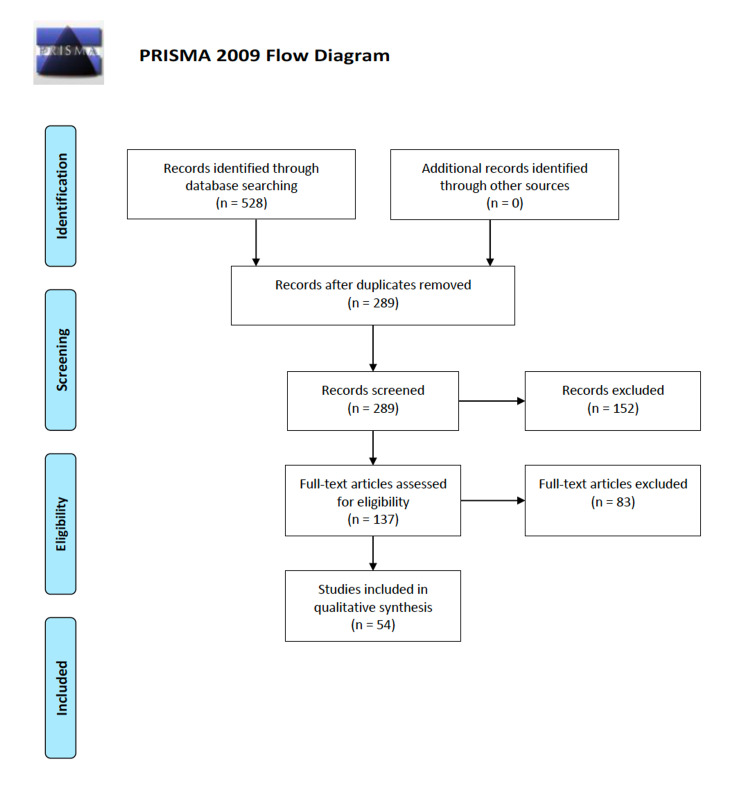
Traumatic brain injury (TBI) is responsible for the majority of trauma-related deaths and is a leading cause of disability. It is characterized by an inflammatory process involved in the progression of secondary brain injury. TBI is measured by the Glasgow Coma Scale (GCS) with scores ranging from 15-3, demonstrating mild to severe brain injury. Apart from this clinical assessment of TBI, compendiums of literature have been published on TBI-related serum markers.Herein we create a comprehensive appraisal of the most prominent serum biomarkers used in the assessment and care of TBI.The PubMed, Scopus, Cochrane, and Web of Science databases were queried with the terms "biomarker" and "traumatic brain injury" as search terms with only full-text, English articles within the past 10 years selected. Non-human studies were excluded, and only adult patients fell within the purview of this analysis. A total of 528 articles were analyzed in the initial search with 289 selected for screening. A further 152 were excluded for primary screening. Of the remaining 137, 54 were included in the final analysis. Serum biomarkers were listed into the following broad categories for ease of discussion: immune markers and markers of inflammation, hormones as biomarkers, coagulation and vasculature, genetic polymorphisms, antioxidants and oxidative stress, apoptosis and degradation pathways, and protein markers. Glial fibrillary acidic protein(GFAP), S100, and neurons specific enolase (NSE) were the most prominent and frequently cited markers. Amongst these three, no single serum biomarker demonstrated neither superior sensitivity nor specificity compared to the other two, therefore noninvasive panels should incorporate these three serum biomarkers to retain sensitivity and maximize specificity for TBI.
创伤性脑损伤(TBI)是创伤相关死亡的主要原因,也是导致残疾的主要因素。其特征是参与继发性脑损伤进展的炎症过程。TBI通过格拉斯哥昏迷量表(GCS)进行测量,分数范围为15 - 3分,表明脑损伤程度从轻到重。除了这种TBI的临床评估外,还发表了关于TBI相关血清标志物的文献综述。在此,我们对用于TBI评估和护理的最突出血清生物标志物进行全面评估。以“生物标志物”和“创伤性脑损伤”为检索词查询了PubMed、Scopus、Cochrane和Web of Science数据库,仅选择过去10年内的全文英文文章。排除非人类研究,且仅成年患者纳入本分析范围。在初始检索中总共分析了528篇文章,选择289篇进行筛选。在初步筛选中又排除了152篇。在其余137篇中,54篇纳入最终分析。为便于讨论,血清生物标志物分为以下几大类:免疫标志物和炎症标志物、作为生物标志物的激素、凝血与血管系统、基因多态性、抗氧化剂和氧化应激、细胞凋亡和降解途径以及蛋白质标志物。胶质纤维酸性蛋白(GFAP)、S100和神经元特异性烯醇化酶(NSE)是最突出且被频繁引用的标志物。在这三种标志物中,与其他两种相比,没有单一血清生物标志物表现出更高的敏感性或特异性,因此无创检测组合应纳入这三种血清生物标志物,以保持对TBI的敏感性并最大化特异性。