Roy Chowdhury Susmita, Anantharaman Venkataraman
Department of Emergency Medicine, Singapore General Hospital, Outram Road, Singapore, 169608, Singapore.
Int J Emerg Med. 2021 Sep 15;14(1):54. doi: 10.1186/s12245-021-00378-1.
Bystander cardiopulmonary resuscitation (CPR) rates remain fairly low through most communities despite multiple interventions through the years. Understanding the attitudes and fears behind CPR training and performance would help target education and training to raise the rates of bystander CPR and consequently survival rates of victims. 7909 participants at a single-day mass CPR training session in Singapore were given survey questionnaires to fill out. 6473 people submitted completed forms upon the conclusion of the training session. Some issues looked at were the overall level of difficulty of CPR, difficulty levels of specific skills, attitudes towards refresher training, attitudes towards performing CPR, and fears when doing so.
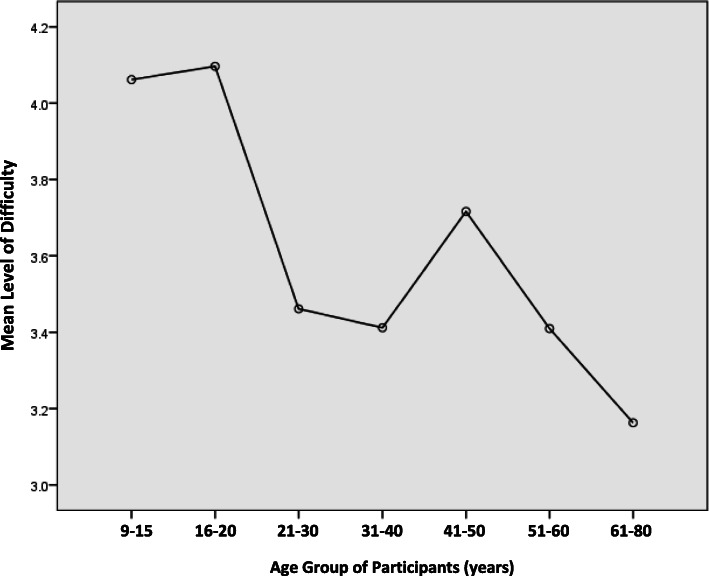
The mean level of difficulty of CPR was rated 3.98 (scale of 1-10), with those with previous CPR training rating it easier. The skills rated most difficult were performing mouth-to-mouth breathing and chest compressions, while the easiest rated was recognizing non-responsiveness. A majority (69.7%) would agree to go for refresher training every 2 years and 88.7% felt everyone should be trained in CPR. 71.6% would perform full CPR for a member of the public in cardiac arrest and only 20.7% would prefer to only do chest compressions. The most cited fear was a low level of confidence, and fears of acquiring infections or aversion to mouth-to-mouth breathing were low.
The survey results show that most participants in Singapore are keen to perform conventional CPR for a member of the public and can help to target future CPR training accordingly.
尽管多年来采取了多种干预措施,但在大多数社区中,旁观者心肺复苏术(CPR)的实施率仍然相当低。了解心肺复苏培训和实施背后的态度和恐惧,将有助于针对性地开展教育和培训,以提高旁观者心肺复苏术的实施率,从而提高受害者的生存率。在新加坡举行为期一天的大规模心肺复苏培训课程中,7909名参与者被发放调查问卷填写。培训课程结束时,6473人提交了完整的表格。研究的一些问题包括心肺复苏术的总体难度水平、特定技能的难度水平、对复习培训的态度、对实施心肺复苏术的态度以及实施时的恐惧。
心肺复苏术的平均难度水平被评为3.98(1 - 10分制),有过心肺复苏培训经历的人认为其更容易。被评为最难的技能是进行口对口呼吸和胸外按压,而最容易的是识别无反应状态。大多数人(69.7%)同意每两年参加一次复习培训,88.7%的人认为每个人都应该接受心肺复苏培训。71.6%的人会对心脏骤停的公众进行完整的心肺复苏术,只有20.7%的人更愿意只进行胸外按压。最常提到的恐惧是信心不足,而对感染或对口对口呼吸的厌恶等恐惧较低。
调查结果表明,新加坡的大多数参与者热衷于对公众实施传统的心肺复苏术,这有助于为未来的心肺复苏培训确定目标。