Head of Cardiology, Cardiothoracic Department, University Hospital "Santa Maria della Misericordia", ASUFC, Piazzale Santa Maria della Misericordia 15, Udine 33100, Italy.
1st Cardiology Clinic, National and Kapodistrian University of Athens, School of Medicine, Hippokration General Hospital, Athens, Greece.
Eur Heart J. 2022 Aug 14;43(31):2946-2957. doi: 10.1093/eurheartj/ehab452.
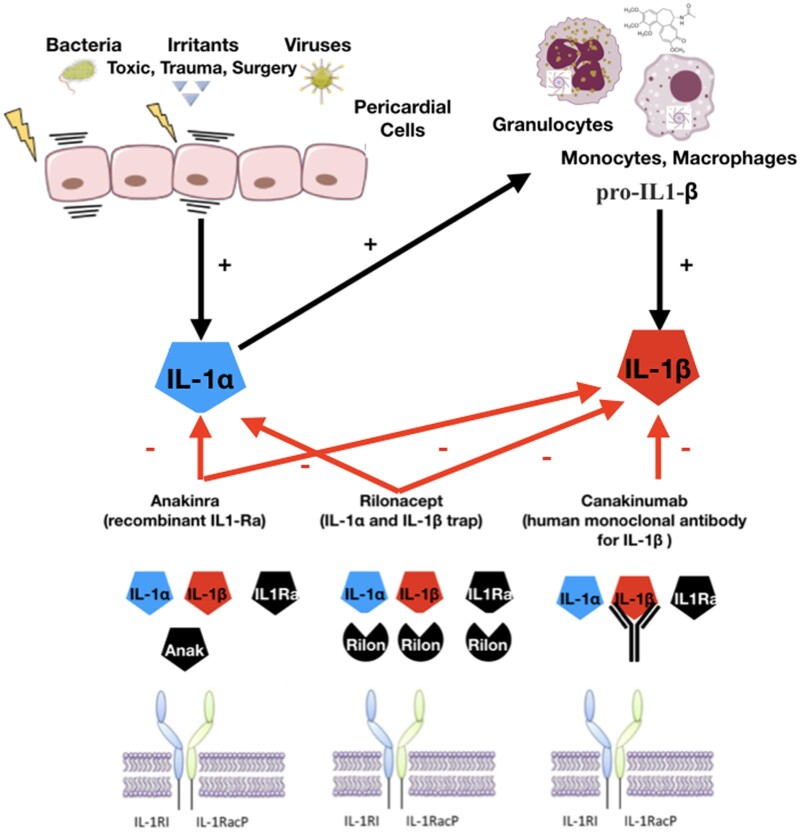
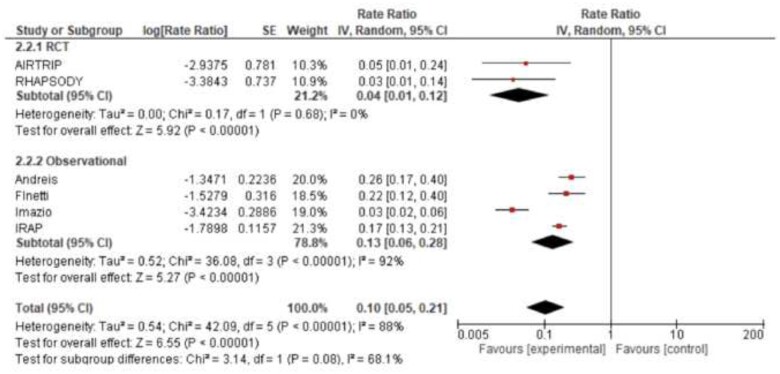
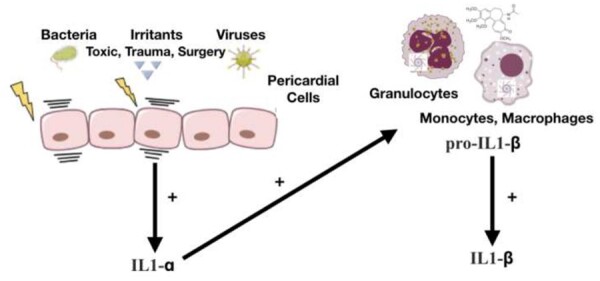
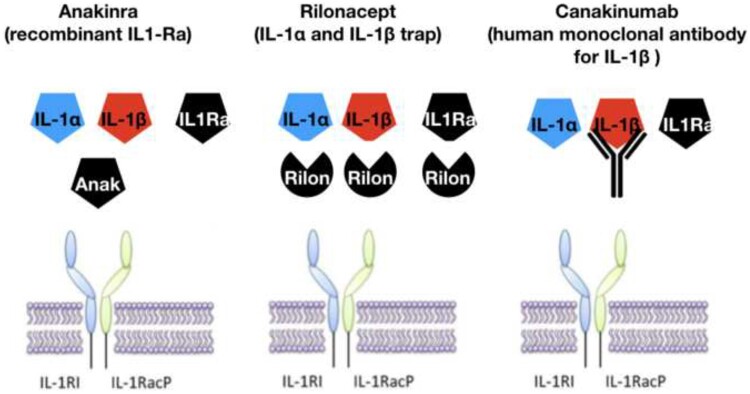
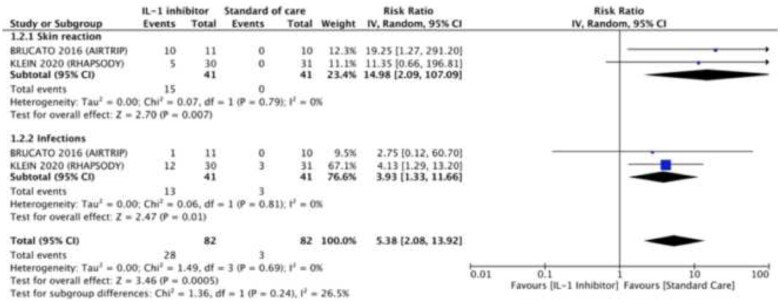
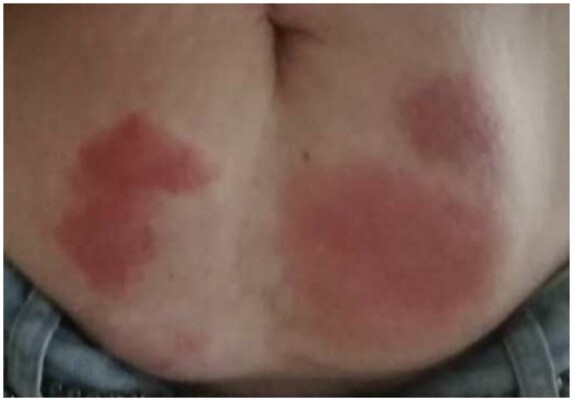
Anti-interleukin (IL)-1 agents have been developed for the treatment of autoinflammatory and rheumatic conditions, where overproduction of IL-1 is an important pathophysiologic process. IL-1α and IL-1β are the most studied members of the IL-1 family of cytokines and have the strongest proinflammatory effects. A naturally occurring antagonist (IL-1Ra) mitigates their proinflammatory effects. Overproduction of both IL-1α (released by inflamed/damaged pericardial cells) and IL-1β (released by inflammatory cells) is now a well-recognized therapeutic target in patients with recurrent idiopathic pericarditis. Currently, there are three available anti-IL-1 agents: anakinra (recombinant human IL-1Ra), rilonacept (a soluble decoy receptor 'trap', binding both IL-1α and IL-1β), and canakinumab (human monoclonal anti-IL-1β antibody). For patients with corticosteroid-dependent and colchicine-resistant recurrent pericarditis with evidence of systemic inflammation, as evidenced by elevated C-reactive protein, the efficacy and safety of anakinra (2 mg/kg/day up to 100 mg/day subcutaneously usually for at least 6 months, then tapered) and rilonacept (320 mg subcutaneously for the first day followed by 160 mg subcutaneously weekly) have been clearly demonstrated in observational studies and randomized controlled clinical trials. Severe side effects are rare and discontinuation rates are very low (<4%). The most common reported side effect is injection site reactions (>50% of patients). In this article, we describe the historical and pathophysiological background and provide a comprehensive review of these agents, which appear to be the most significant advance in medical therapy of recurrent pericarditis in the last 5 years.
抗白细胞介素 (IL)-1 药物已被开发用于治疗自身炎症性和风湿性疾病,其中 IL-1 的过度产生是一个重要的病理生理过程。IL-1α 和 IL-1β 是 IL-1 细胞因子家族中研究最多的成员,具有最强的促炎作用。一种天然存在的拮抗剂 (IL-1Ra) 减轻了它们的促炎作用。现在,在复发性特发性心包炎患者中,IL-1α(由发炎/受损的心包细胞释放)和 IL-1β(由炎症细胞释放)的过度产生已成为一个公认的治疗靶点。目前,有三种可用的抗 IL-1 药物:anakinra(重组人 IL-1Ra)、rilonacept(一种可溶性诱饵受体“陷阱”,可结合 IL-1α 和 IL-1β)和 canakinumab(人单克隆抗 IL-1β 抗体)。对于依赖皮质类固醇和秋水仙碱的复发性心包炎患者,有证据表明存在全身炎症,表现为 C 反应蛋白升高,anakinra(每天 2mg/kg 至 100mg 皮下注射,通常至少 6 个月,然后逐渐减少)和 rilonacept(第一天皮下注射 320mg,然后每周皮下注射 160mg)的疗效和安全性已在观察性研究和随机对照临床试验中得到明确证实。严重副作用罕见,停药率非常低(<4%)。最常见的报告副作用是注射部位反应(>50%的患者)。在本文中,我们描述了这些药物的历史和病理生理学背景,并对其进行了全面回顾,这些药物似乎是过去 5 年来复发性心包炎治疗的最重要进展。