German Center for Diabetes Research (DZD e.V.), fMEG-Center, Institute for Diabetes Research and Metabolic Diseases of the Helmholtz Center Munich/ fMEG Center, University of Tuebingen, Otfried-Müller-Strasse 47, 72076, Tuebingen, Germany.
Department of Women's and Children's health, Uppsala University, Uppsala, Sweden.
BMC Pregnancy Childbirth. 2021 Sep 17;21(1):628. doi: 10.1186/s12884-021-04099-4.
Prenatal maternal stress can have adverse effects on birth outcomes and fetal development. Relaxation techniques have been examined as potential countermeasures. This study investigates different relaxation techniques and their effect on self-reported stress levels and physiological stress levels in pregnant women.
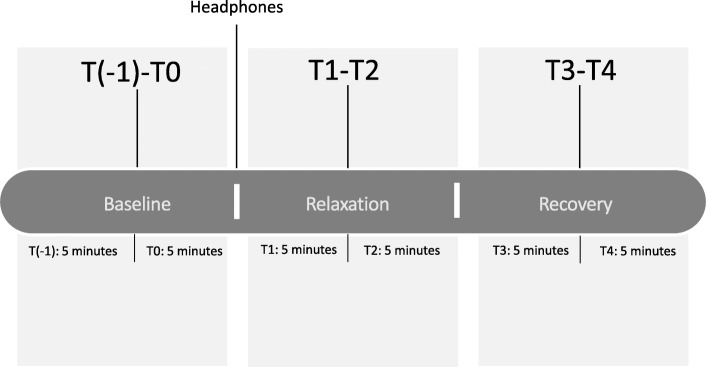
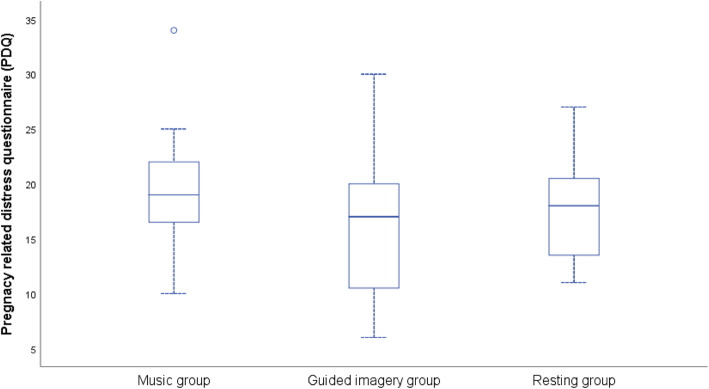
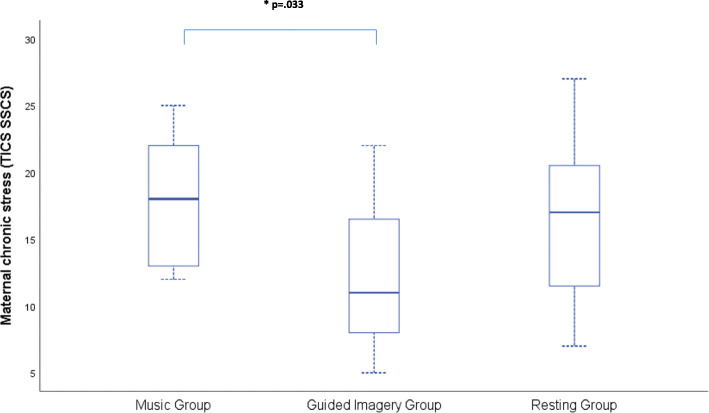
In this cross-sectional study, 38 pregnant women in their 30th to 40th gestational week were assigned to one of three, 20-min lasting relaxation groups: listening to music (N = 12), following a guided imagery (N = 12) or resting (N = 12). The intervention, i.e., acute relaxation (music, guided imagery or resting) took place once for each study participant. Study inclusion criteria were age over 18 years, German speaking, singleton and uncomplicated pregnancy during the 30th and 40th week of gestation. The stress levels were determined during the study. Current stress level during the study was assessed by a visual analogue scale. Chronic stress levels were assessed by the Trier Inventory of Chronic Stress and the Pregnancy Distress questionnaire. Multivariate analyses of covariance were performed and dependent measures included stress levels as well as physiological measures, i.e., cardiovascular activity (electrocardiogram) and skin conductance levels.
All three forms of relaxation led to reduced maternal stress which manifested itself in significantly decreased skin conductance, F(3,94) = 18.011, p = .001, η = .365, and subjective stress levels after the interventions with no significant group difference. Post-intervention stress ratings were further affected by gestational age, with less subjective relaxation in women later in gestation, F (1, 34)=4.971, p = .032, η = .128.
Independent of relaxation technique, single, 20-min relaxation intervention (music, guided imagery or resting) can significantly reduce maternal stress. Notably, women at an earlier stage in their pregnancy reported higher relaxation after the intervention than women later in gestation. Hence, gestational age may influence perceived stress levels and should be considered when evaluating relaxation or stress management interventions during pregnancy.
Not applicable.
产前母体应激会对分娩结果和胎儿发育产生不良影响。放松技术已被研究为潜在的对策。本研究调查了不同的放松技术及其对孕妇自我报告的应激水平和生理应激水平的影响。
在这项横断面研究中,将 38 名处于 30 至 40 孕周的孕妇分为三组,每组 20 分钟:听音乐(N=12)、遵循引导意象(N=12)或休息(N=12)。干预措施,即急性放松(音乐、引导意象或休息),每位研究参与者各进行一次。研究纳入标准为年龄大于 18 岁,会说德语,单胎妊娠,30 至 40 孕周妊娠无并发症。在研究期间确定应激水平。当前研究期间的应激水平通过视觉模拟量表进行评估。慢性应激水平通过特里尔慢性应激量表和妊娠压力问卷进行评估。进行了多元协方差分析,因变量包括应激水平以及生理指标,即心血管活动(心电图)和皮肤电导水平。
所有三种放松形式均导致母体应激减轻,表现为皮肤电导显著降低,F(3,94)=18.011,p=0.001,η=0.365,以及干预后主观应激水平无显著组间差异。干预后的应激评分进一步受孕龄影响,妊娠晚期女性的主观放松程度较低,F(1,34)=4.971,p=0.032,η=0.128。
独立于放松技术,单次 20 分钟的放松干预(音乐、引导意象或休息)可显著降低母体应激。值得注意的是,妊娠早期的女性在干预后报告的放松程度高于妊娠晚期的女性。因此,孕龄可能会影响感知到的应激水平,在评估妊娠期间的放松或应激管理干预时应予以考虑。
不适用。