Department of Neurology, Medical School, University of Pécs, Rét u. 2, Pécs, H-7623, Hungary.
Department of Medical Imaging, Semmelweis University, Balassa út 6, Budapest, H-1083, Hungary.
BMC Neurol. 2021 Sep 18;21(1):363. doi: 10.1186/s12883-021-02352-z.
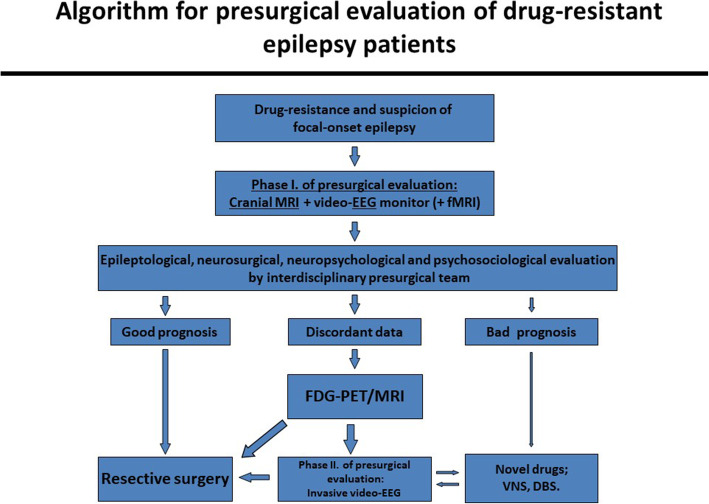
When MRI fails to detect a potentially epileptogenic lesion, the chance of a favorable outcome after epilepsy surgery becomes significantly lower (from 60 to 90% to 20-65%). Hybrid FDG-PET/MRI may provide additional information for identifying the epileptogenic zone. We aimed to investigate the possible effect of the introduction of hybrid FDG-PET/MRI into the algorithm of the decision-making in both lesional and non-lesional drug-resistant epileptic patients.
In a prospective study of patients suffering from drug-resistant focal epilepsy, 30 nonlesional and 30 lesional cases with discordant presurgical results were evaluated using hybrid FDG-PET/MRI.
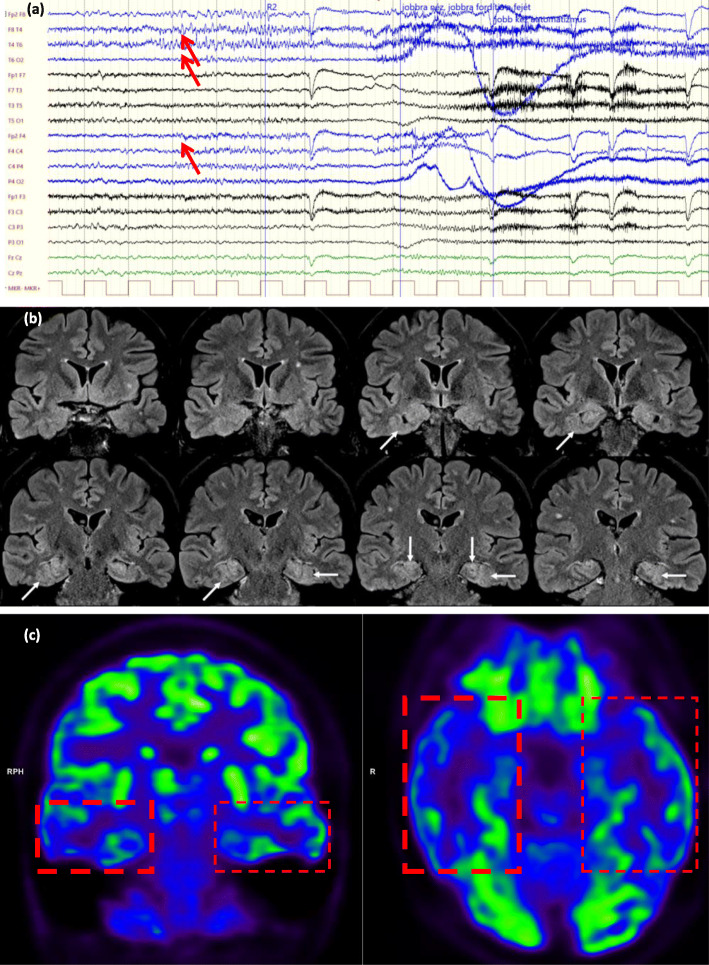
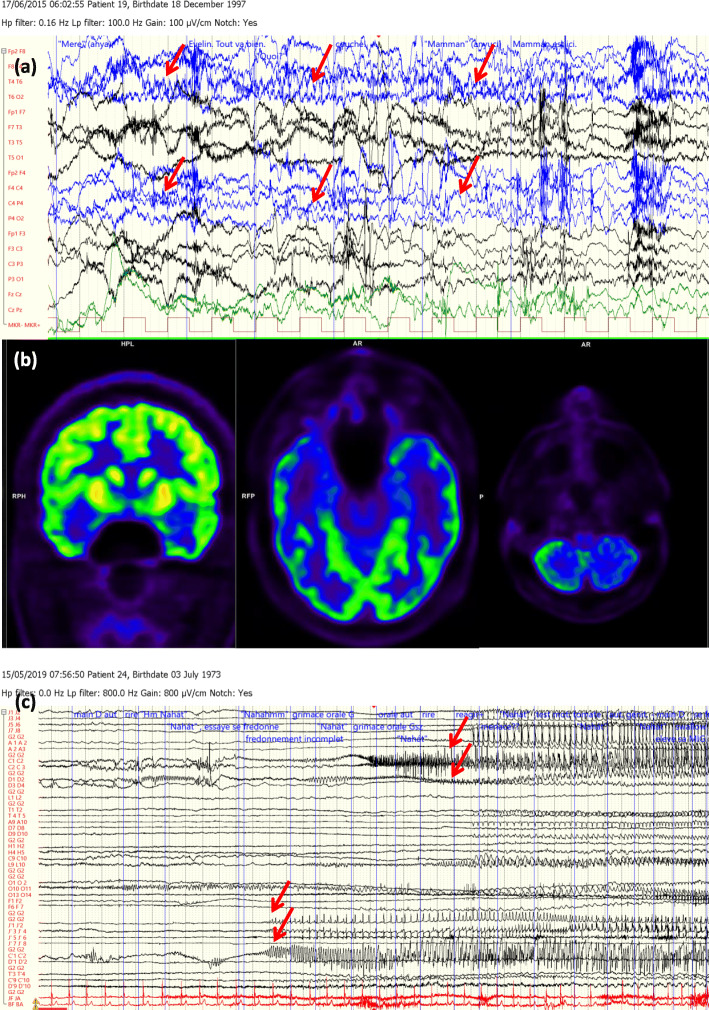
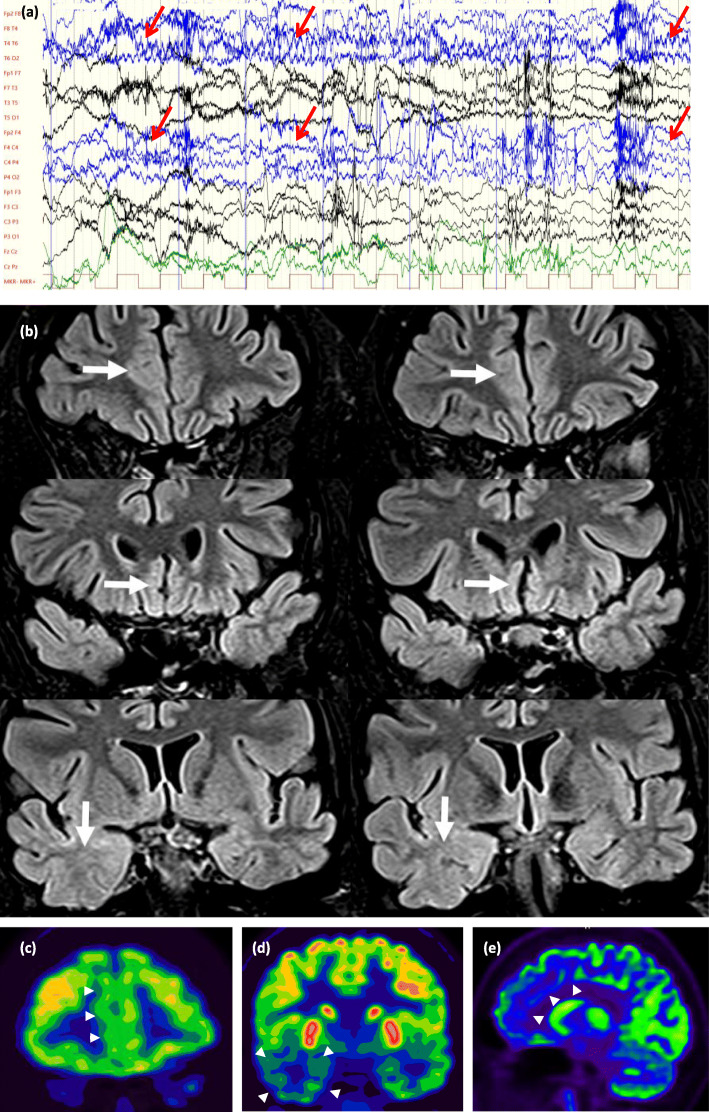
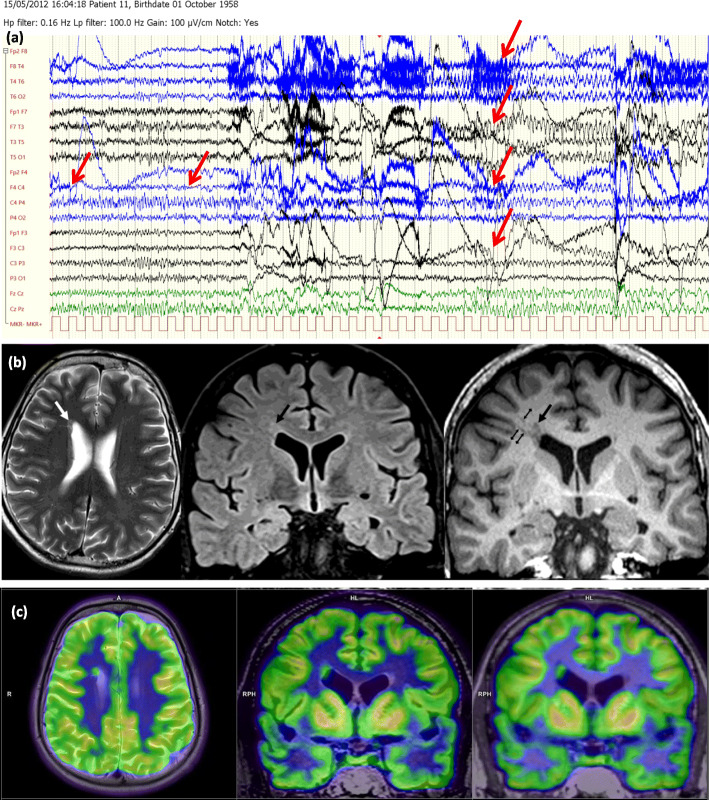
The hybrid imaging revealed morphological lesion in 18 patients and glucose hypometabolism in 29 patients within the nonlesional group. In the MRI positive group, 4 patients were found to be nonlesional, and in 9 patients at least one more epileptogenic lesion was discovered, while in another 17 cases the original lesion was confirmed by means of hybrid FDG-PET/MRI. As to the therapeutic decision-making, these results helped to indicate resective surgery instead of intracranial EEG (iEEG) monitoring in 2 cases, to avoid any further invasive diagnostic procedures in 7 patients, and to refer 21 patients for iEEG in the nonlesional group. Hybrid FDG-PET/MRI has also significantly changed the original therapeutic plans in the lesional group. Prior to the hybrid imaging, a resective surgery was considered in 3 patients, and iEEG was planned in 27 patients. However, 3 patients became eligible for resective surgery, 6 patients proved to be inoperable instead of iEEG, and 18 cases remained candidates for iEEG due to the hybrid FDG-PET/MRI. Two patients remained candidates for resective surgery and one patient became not eligible for any further invasive intervention.
The results of hybrid FDG-PET/MRI significantly altered the original plans in 19 of 60 cases. The introduction of hybrid FDG-PET/MRI into the presurgical evaluation process had a potential modifying effect on clinical decision-making.
Trial registry: Scientific Research Ethics Committee of the Medical Research Council of Hungary.
008899/2016/OTIG . Date of registration: 08 February 2016.
当 MRI 未能检测到潜在的致痫病灶时,癫痫手术后的良好预后机会显著降低(从 60%至 90%降至 20%至 65%)。FDG-PET/MRI 融合显像可能为识别致痫区提供额外信息。我们旨在研究在病灶性和非病灶性耐药性癫痫患者的决策算法中引入 FDG-PET/MRI 的可能效果。
在一项对耐药性局灶性癫痫患者的前瞻性研究中,使用 FDG-PET/MRI 对 30 例非病灶性和 30 例病灶性且术前结果不一致的病例进行评估。
在非病灶组中,融合成像显示 18 例患者存在形态学病灶,29 例患者存在葡萄糖代谢低下。在 MRI 阳性组中,有 4 例被发现无病灶,9 例患者发现了至少一个额外的致痫病灶,而在另外 17 例患者中,融合 FDG-PET/MRI 证实了原始病灶。在治疗决策方面,这些结果有助于在 2 例患者中指示行切除术而不是颅内脑电图(iEEG)监测,在 7 例患者中避免任何进一步的有创诊断程序,并将 21 例患者转诊至非病灶组进行 iEEG。FDG-PET/MRI 也显著改变了病灶组的原始治疗计划。在进行融合成像之前,考虑行切除术的患者有 3 例,计划行 iEEG 的患者有 27 例。然而,有 3 例患者适合行切除术,6 例患者证明无法手术而不是行 iEEG,18 例患者由于 FDG-PET/MRI 仍适合行 iEEG。2 例患者仍适合行切除术,1 例患者不适合进一步的有创干预。
FDG-PET/MRI 的结果显著改变了 60 例病例中的 19 例原始计划。将 FDG-PET/MRI 引入术前评估过程对临床决策有潜在的修正作用。
匈牙利医学研究理事会科学研究伦理委员会。
008899/2016/OTIG。注册日期:2016 年 2 月 8 日。