J Am Dent Assoc. 2021 Dec;152(12):981-990. doi: 10.1016/j.adaj.2021.06.007. Epub 2021 Sep 16.
Dental procedures often produce aerosols and spatter, which have the potential to transmit pathogens such as severe acute respiratory syndrome coronavirus 2. The existing literature is limited.
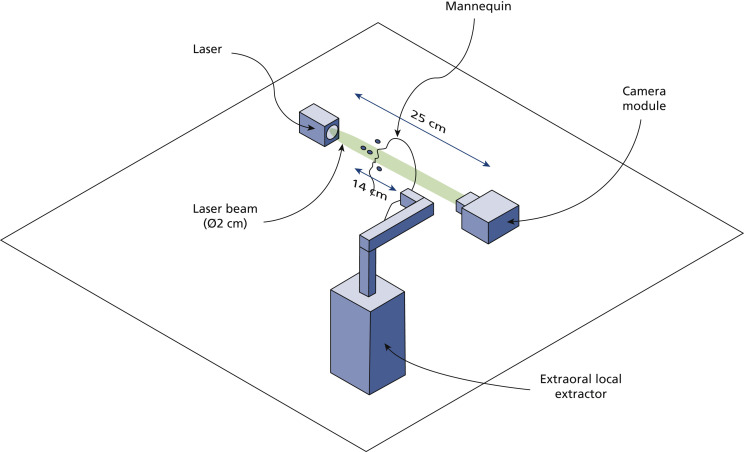
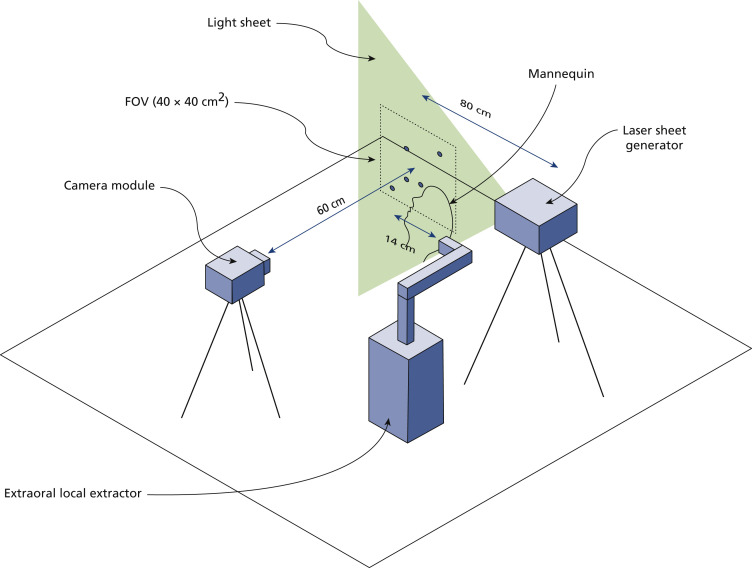
Aerosols and spatter were generated from an ultrasonic scaling procedure on a dental manikin and characterized via 2 optical imaging methods: digital inline holography and laser sheet imaging. Capture efficiencies of various aerosol mitigation devices were evaluated and compared.
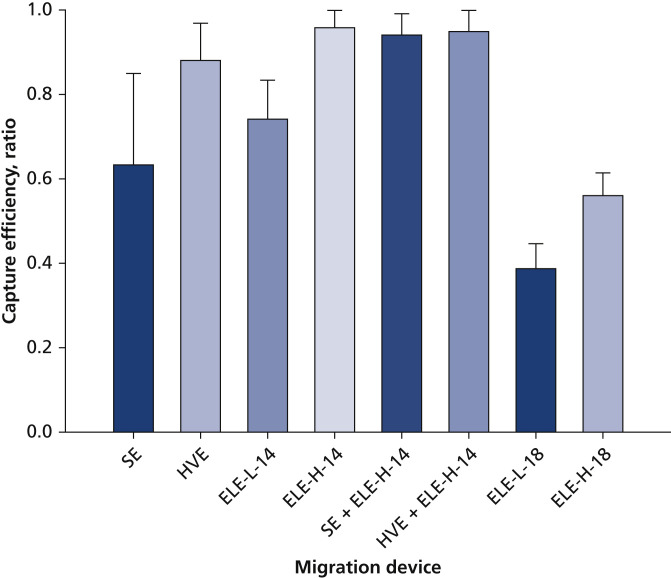
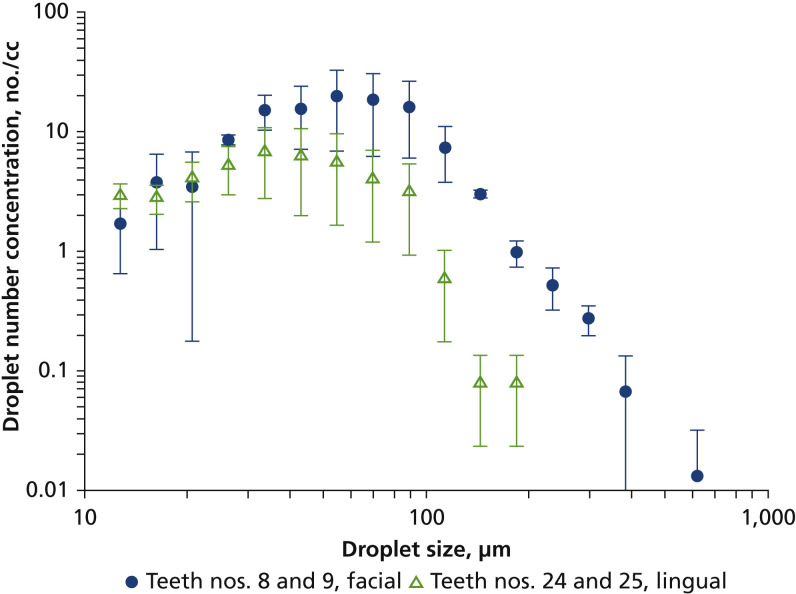
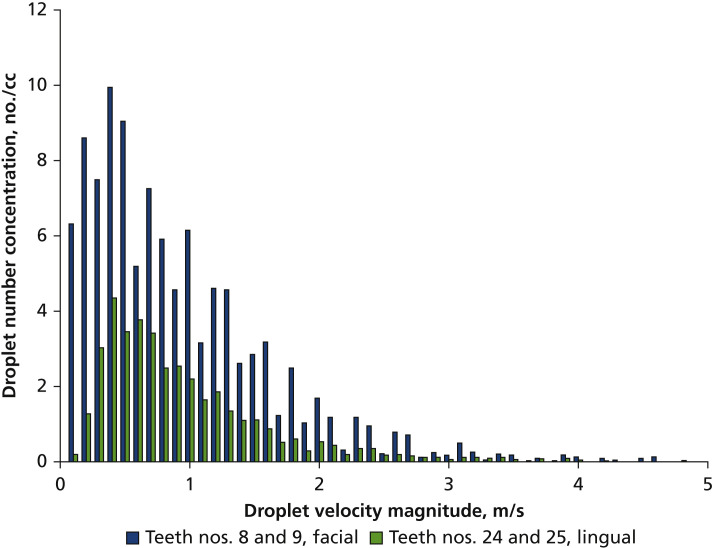
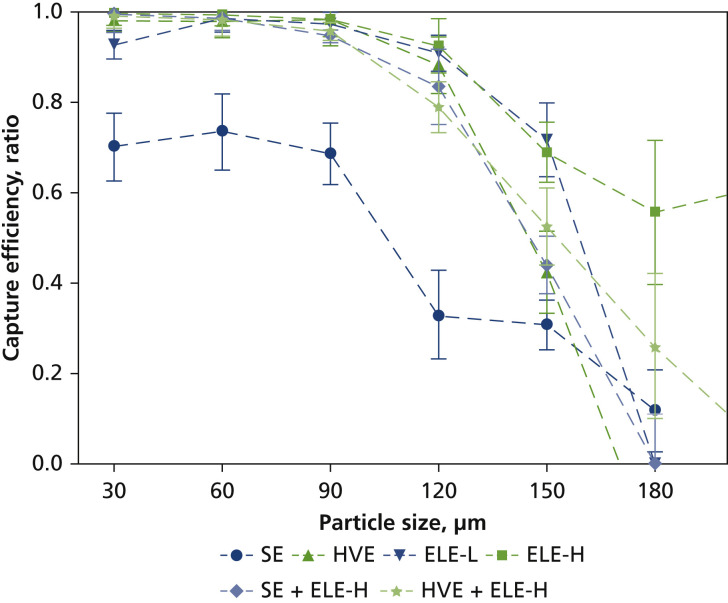
The ultrasonic scaling procedure generated a wide size range of aerosols (up to a few hundred μm) and occasional large spatter, which emit at low velocity (mostly < 3 m/s). Use of a saliva ejector and high-volume evacuator (HVE) resulted in overall reductions of 63% and 88%, respectively, whereas an extraoral local extractor (ELE) resulted in a reduction of 96% at the nominal design flow setting.
The study results showed that the use of ELE or HVE significantly reduced aerosol and spatter emission. The use of HVE generally requires an additional person to assist a dental hygienist, whereas an ELE can be operated hands free when a dental hygienist is performing ultrasonic scaling and other operations.
An ELE aids in the reduction of aerosols and spatters during ultrasonic scaling procedures, potentially reducing transmission of oral or respiratory pathogens like severe acute respiratory syndrome coronavirus 2. Position and airflow of the device are important to effective aerosol mitigation.
牙科操作通常会产生气溶胶和飞沫,这些飞沫有传播 SARS-CoV-2 等病原体的潜力。现有文献有限。
在牙科仿头模上进行超声洁牙操作,生成气溶胶和飞沫,并用两种光学成像方法进行特征描述:数字在线全息术和激光片层成像。评估并比较了各种气溶胶缓解装置的捕获效率。
超声洁牙操作产生了广泛的气溶胶粒径范围(可达数百微米)和偶尔的大飞沫,这些飞沫的发射速度较低(大多<3 m/s)。使用唾液抽吸器和大流量抽吸器(HVE)分别使气溶胶的总减少率达到了 63%和 88%,而口腔外局部抽吸器(ELE)在标称设计流量设置下使减少率达到了 96%。
研究结果表明,ELE 或 HVE 的使用显著减少了气溶胶和飞沫的排放。HVE 通常需要额外的人来协助牙科保健师,而当牙科保健师进行超声洁牙和其他操作时,ELE 可以实现无手持操作。
ELE 有助于减少超声洁牙过程中的气溶胶和飞沫,从而降低 SARS-CoV-2 等口腔或呼吸道病原体的传播风险。设备的位置和气流对于有效的气溶胶缓解非常重要。