Li Yapei, Li Ying, Li Lijun, Yin Minghui, Wang Jiangang, Li Xiaohui
Department of Health Management Center, the Third Xiangya Hospital, Central South University, Changsha, China.
Department of Pharmacology, Xiangya School of Pharmaceutical Sciences, Central South University, Changsha, China.
Pulm Circ. 2021 Sep 15;11(4):20458940211046156. doi: 10.1177/20458940211046156. eCollection 2021 Oct-Dec.
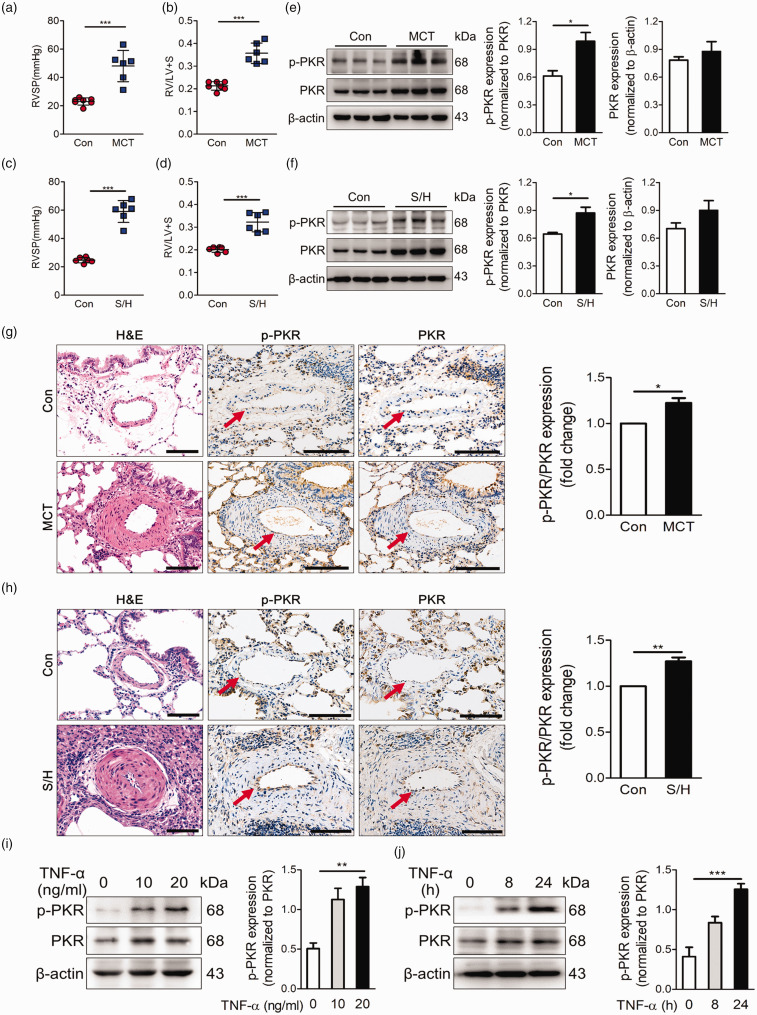
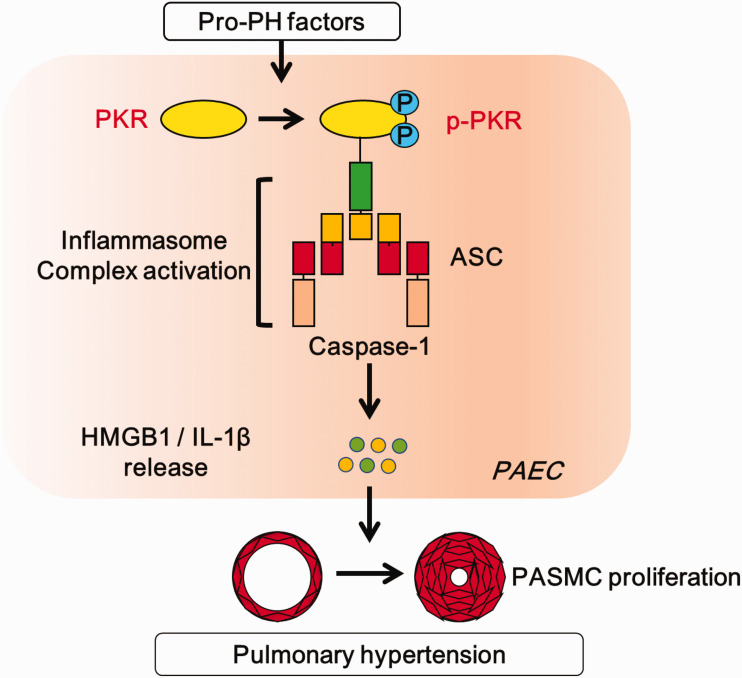
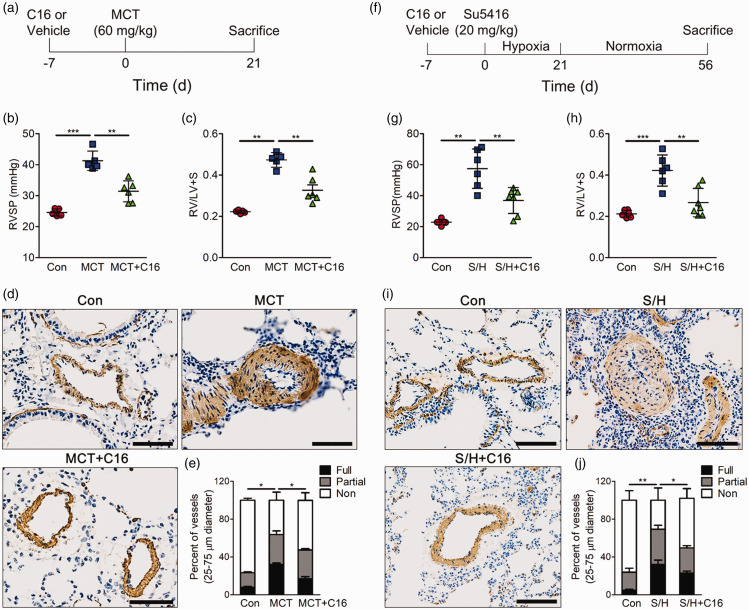
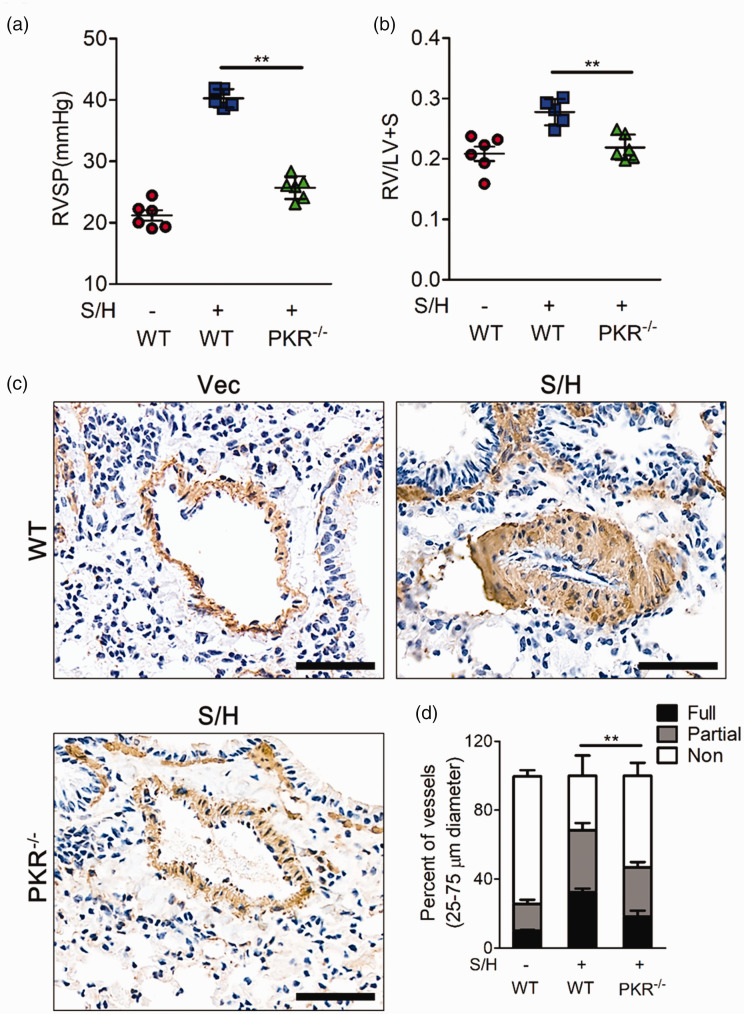
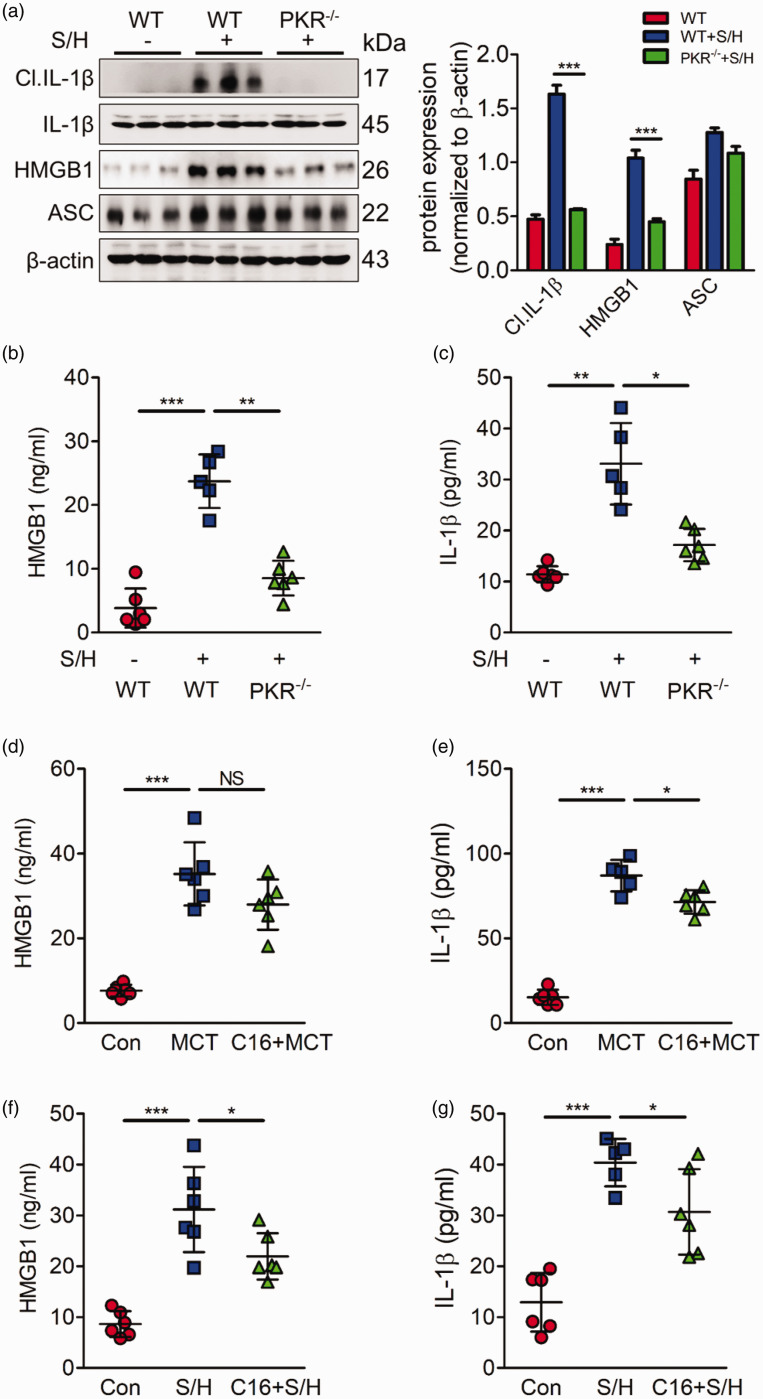
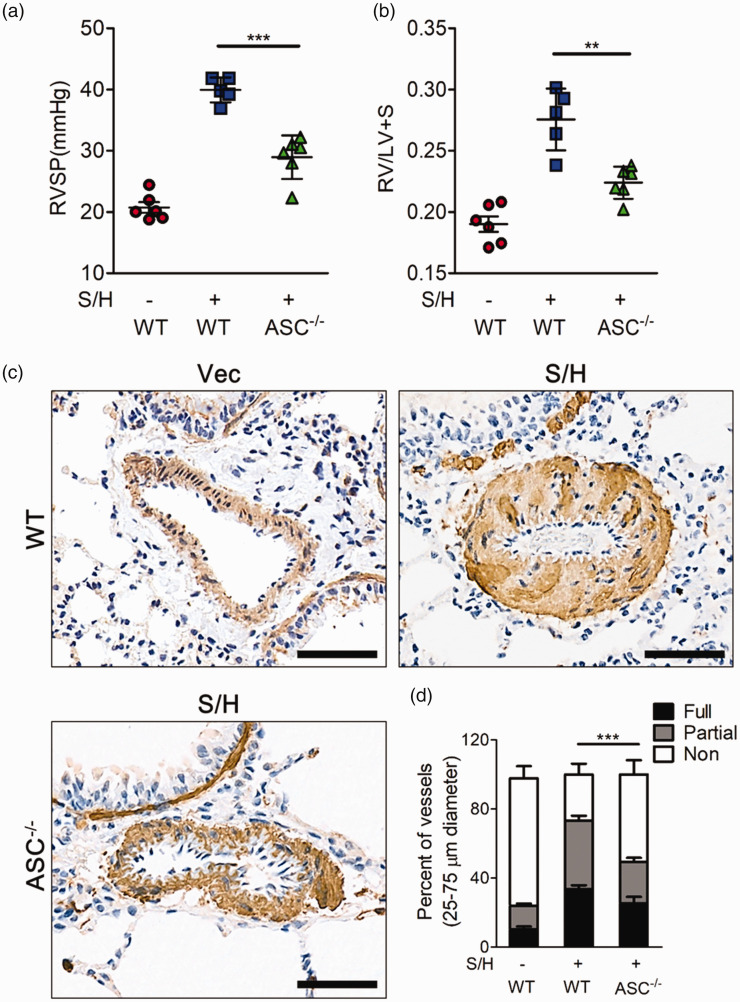
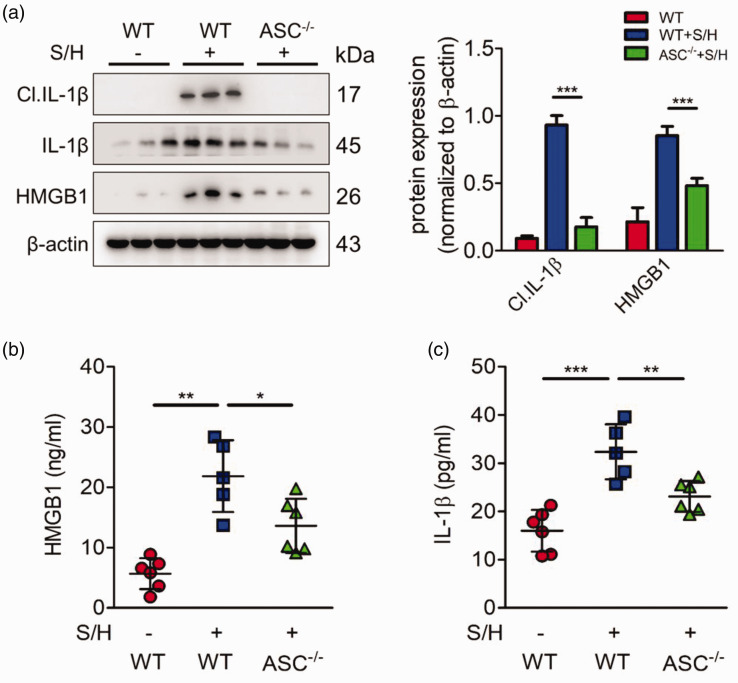
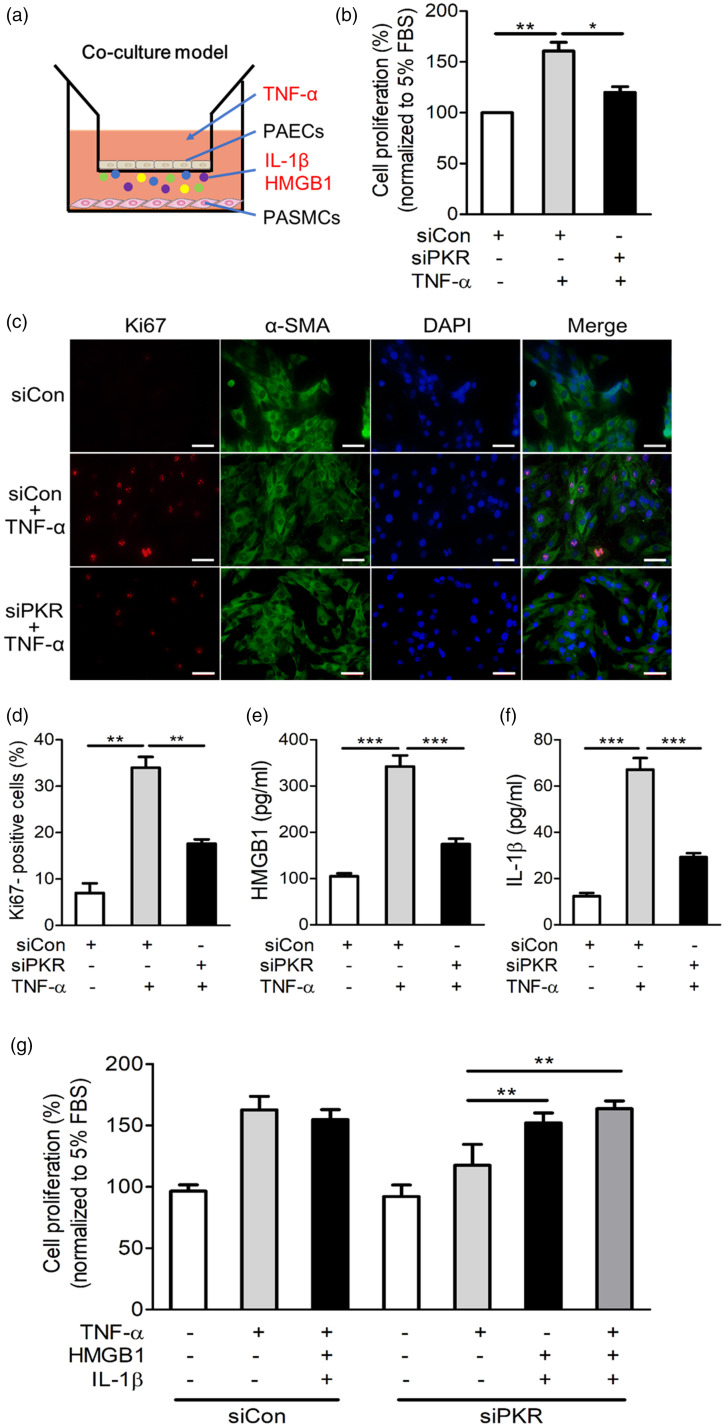
Pulmonary hypertension is a progressive fatal disease that currently has no specific therapeutic approaches. In this study, dsRNA-dependent protein kinase (PKR) was considered a candidate molecule in pulmonary hypertension. We demonstrated that PKR is activated in the endothelium of experimental pulmonary hypertension models. Deletion of PKR or treatment with the PKR activation inhibitor C16 inhibited the development of pulmonary hypertension. To explore the mechanism of PKR in pulmonary hypertension, we detected its downstream signaling and found that PKR knockout represses apoptosis-associated speck-like protein containing CARD (ASC) activation to inhibit high mobility group box 1 (HMGB1) and interleukin-1 beta release. To further explore whether ASC mediates the pro-pulmonary hypertension role of PKR, we used ASC deletion mice and found that ASC deletion inhibits the development of pulmonary hypertension and the release of HMGB1 and interleukin-1 beta. Furthermore, we co-cultured pulmonary arterial endothelial cells (PAECs) and pulmonary arterial smooth muscle cells (PASMCs) and found that endothelial PKR promotes PASMCs proliferation through the release of HMGB1 and interleukin-1 beta. In conclusion, these data indicate that endothelial PKR promotes the excessive proliferation of PASMCs by inducing ASC activation to release HMGB1 and interleukin-1 beta, which lead to the development of pulmonary hypertension. Our study will provide a novel insight that PKR is a potential target in the future treatment of pulmonary hypertension.
肺动脉高压是一种进行性致命疾病,目前尚无特异性治疗方法。在本研究中,双链RNA依赖性蛋白激酶(PKR)被视为肺动脉高压的候选分子。我们证明PKR在实验性肺动脉高压模型的内皮细胞中被激活。敲除PKR或用PKR激活抑制剂C16处理可抑制肺动脉高压的发展。为了探究PKR在肺动脉高压中的作用机制,我们检测了其下游信号,发现敲除PKR可抑制含半胱天冬酶激活和招募结构域的凋亡相关斑点样蛋白(ASC)的激活,从而抑制高迁移率族蛋白B1(HMGB1)和白细胞介素-1β的释放。为了进一步探究ASC是否介导PKR的促肺动脉高压作用,我们使用了ASC基因敲除小鼠,发现敲除ASC可抑制肺动脉高压的发展以及HMGB1和白细胞介素-1β的释放。此外,我们将肺动脉内皮细胞(PAECs)和肺动脉平滑肌细胞(PASMCs)共培养,发现内皮细胞中的PKR通过释放HMGB1和白细胞介素-1β促进PASMCs增殖。总之,这些数据表明内皮细胞中的PKR通过诱导ASC激活以释放HMGB1和白细胞介素-1β,促进PASMCs过度增殖,进而导致肺动脉高压的发展。我们的研究将为PKR作为未来肺动脉高压治疗的潜在靶点提供新的见解。