Kanemaru Hisashi, Mizukami Yukari, Kaneko Akira, Tagawa Hidemi, Kimura Toshihiro, Kuriyama Haruka, Sawamura Soichiro, Kajihara Ikko, Makino Katsunari, Miyashita Azusa, Aoi Jun, Makino Takamitsu, Masuguchi Shinichi, Fukushima Satoshi, Ihn Hironobu
Department of Dermatology and Plastic Surgery, Faculty of Life Sciences, Kumamoto University, 1-1-1 Honjo, Kumamoto, Japan.
iScience. 2021 Aug 30;24(9):103067. doi: 10.1016/j.isci.2021.103067. eCollection 2021 Sep 24.
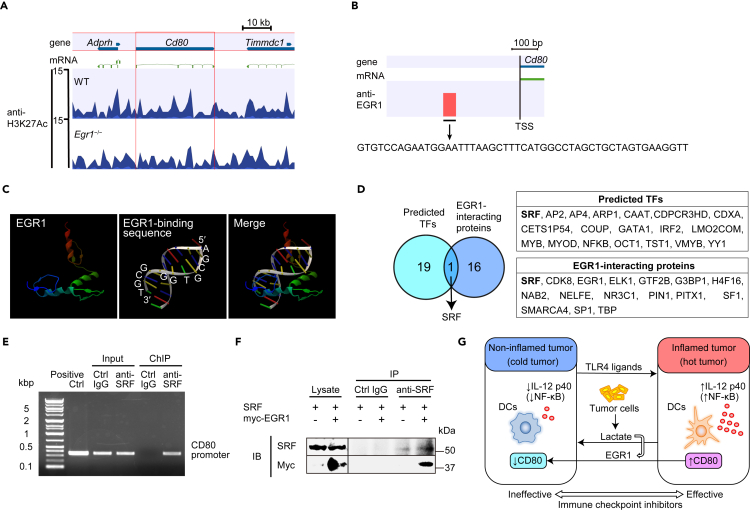
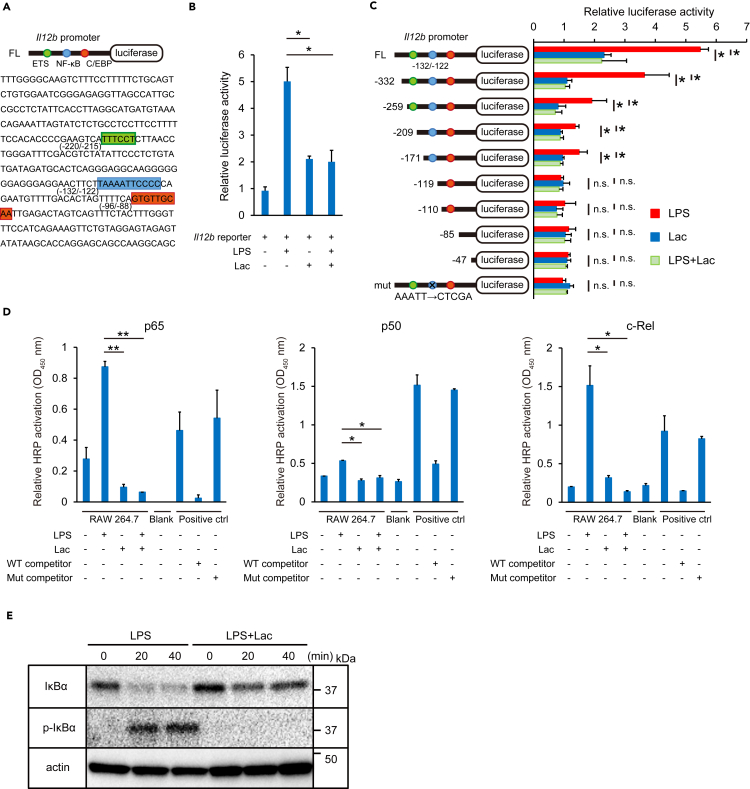
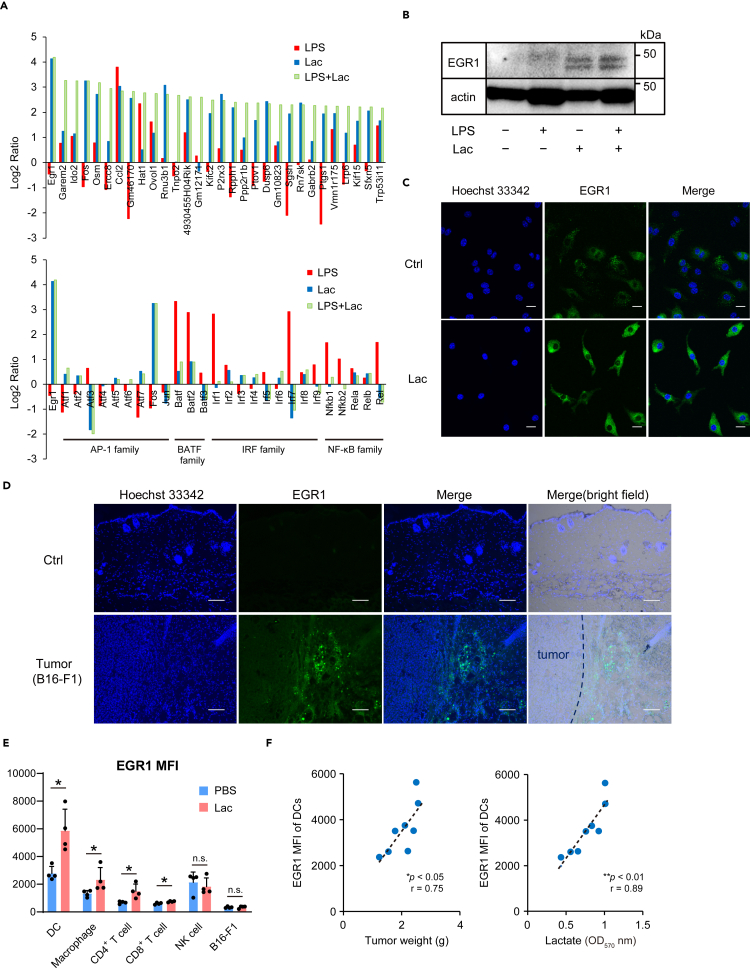
Turning non-inflamed (cold) tumors into inflamed (hot) tumors is important for maximizing the effect of immune checkpoint inhibitors (ICIs) against malignancies. We showed that lactate, a product of the Warburg effect, inhibited the efficacy of ICIs and suppressed IL-12 p40 expression in dendritic cells (DCs) through reducing NF-κB p65, p50, and c-Rel DNA-binding activity to the IL-12 p40 promoter. Additionally, lactate promoted the expression of early growth response protein 1 (EGR1), whose expression was increased in human invasive melanoma compared with non-invasive melanoma. We also found that EGR1 interacts with serum response factor (SRF) and represses the expression of CD80 in DCs. These findings suggest that lactate and its induced EGR1 are key factors that turn hot tumors into cold tumors and may represent targets in cancer treatment with ICIs.
将非炎症性(冷)肿瘤转变为炎症性(热)肿瘤对于最大化免疫检查点抑制剂(ICI)对抗恶性肿瘤的效果至关重要。我们发现,作为瓦伯格效应产物的乳酸,通过降低核因子κB p65、p50和c-Rel与白细胞介素-12 p40启动子的DNA结合活性,抑制了ICI的疗效,并抑制了树突状细胞(DC)中白细胞介素-12 p40的表达。此外,乳酸促进了早期生长反应蛋白1(EGR1)的表达,与非侵袭性黑色素瘤相比,其在人类侵袭性黑色素瘤中的表达增加。我们还发现,EGR1与血清反应因子(SRF)相互作用,并抑制DC中CD80的表达。这些发现表明,乳酸及其诱导的EGR1是将热肿瘤转变为冷肿瘤的关键因素,可能代表ICI癌症治疗中的靶点。