IICB-Translational Research Unit of Excellence, Division of Cancer Biology and Inflammatory Disorders, CSIR-Indian Institute of Chemical Biology, Kolkata, India.
Academy of Scientific and Innovative Research, Kolkata, India.
Front Immunol. 2019 Aug 7;10:1878. doi: 10.3389/fimmu.2019.01878. eCollection 2019.
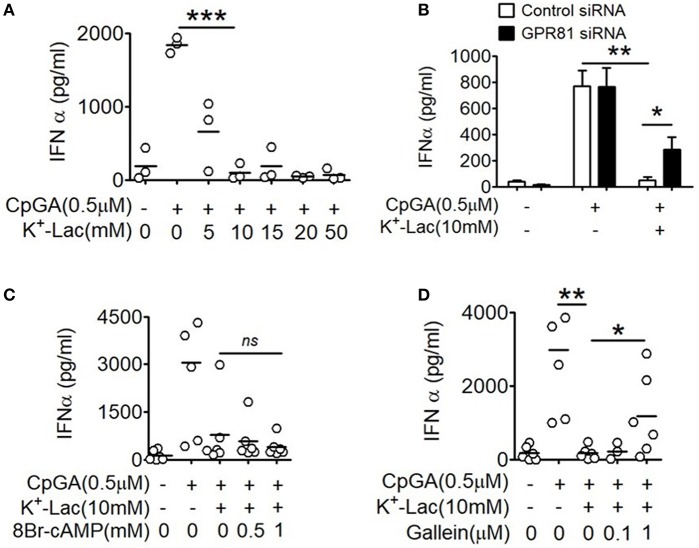
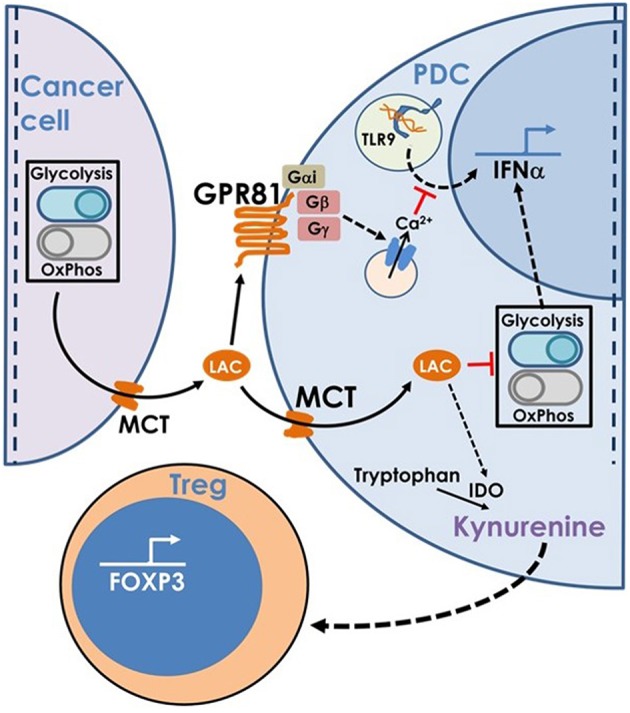
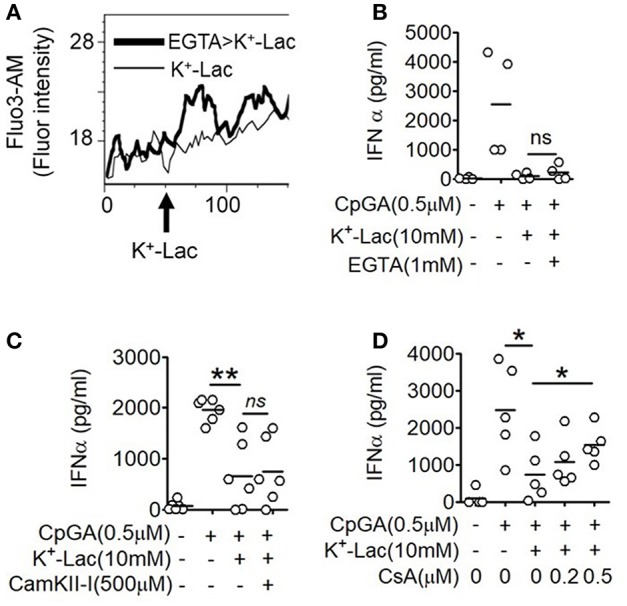
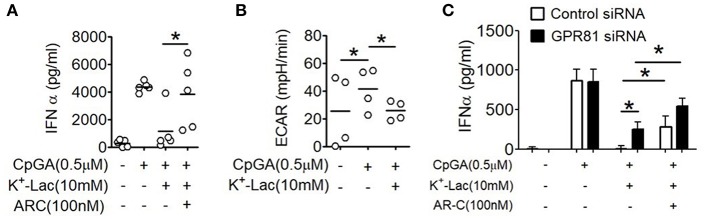
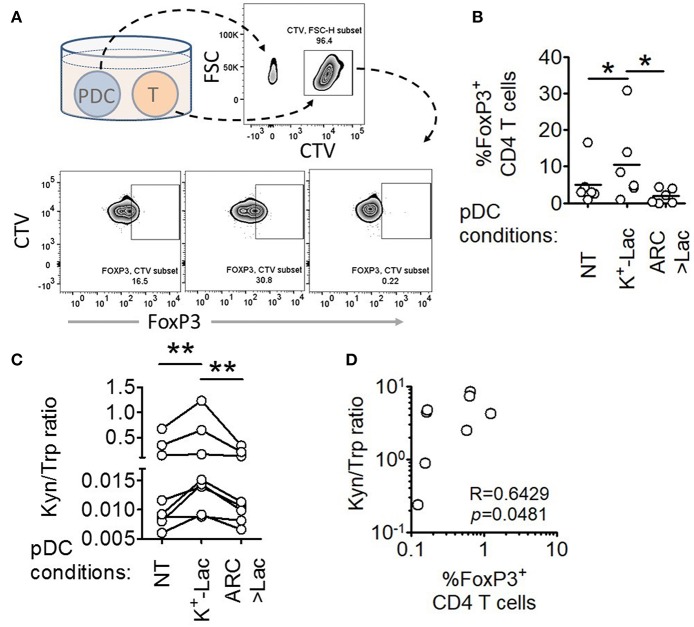
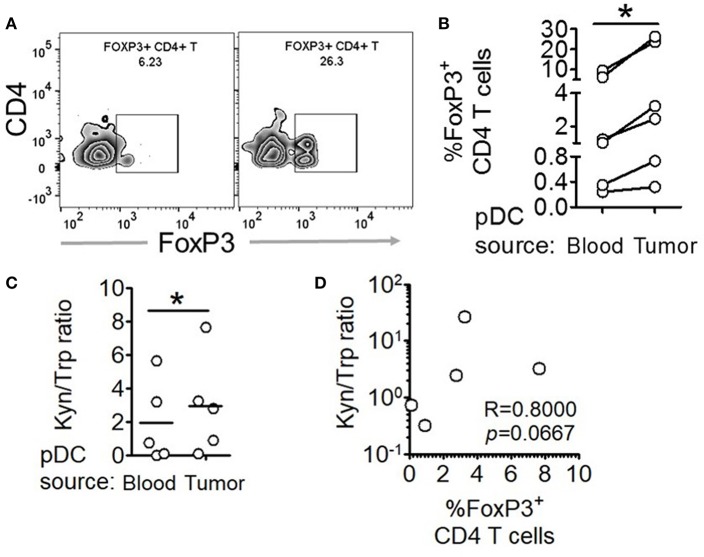
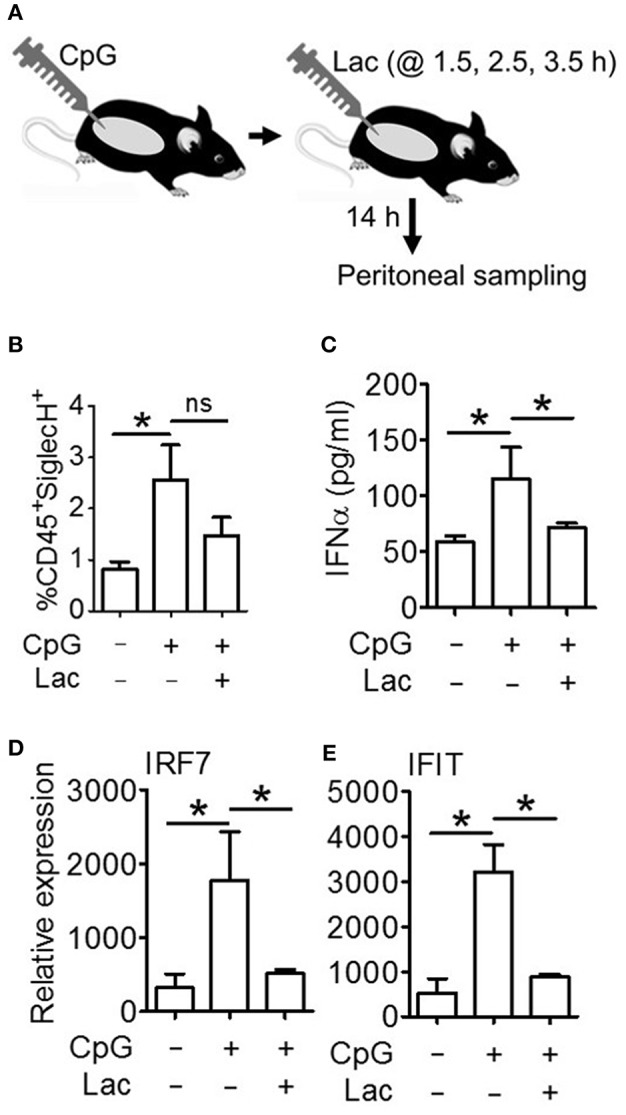
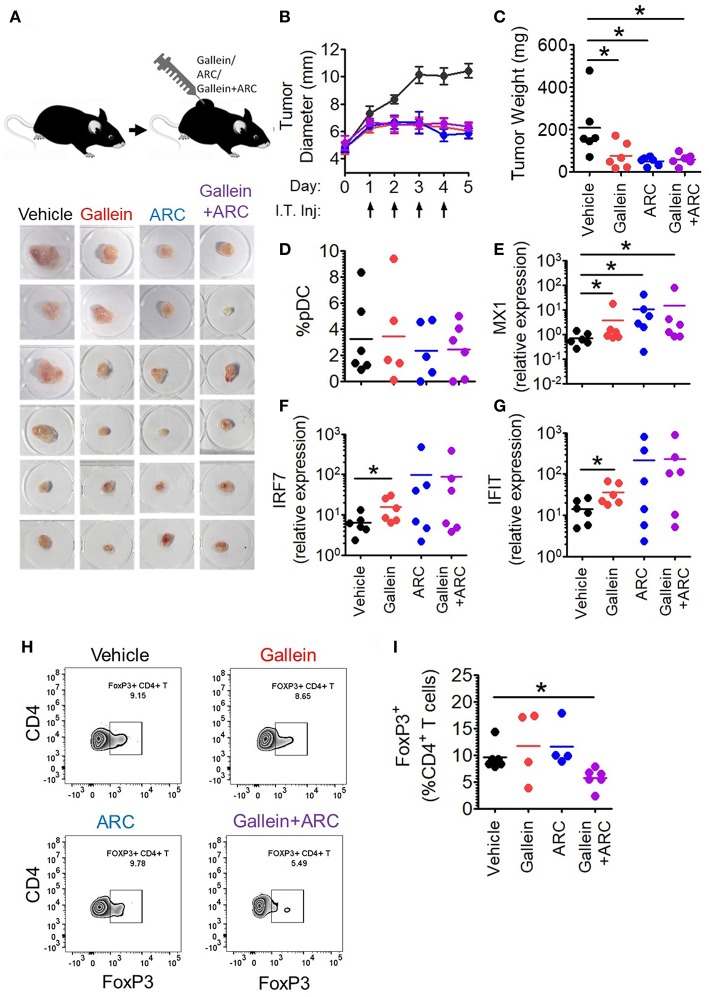
Plasmacytoid dendritic cells are the most efficient producers of type I interferons, viz. IFNα, in the body and thus have the ability to influence anti-tumor immune responses. But repression of effective intra-tumoral pDC activation is a key immuno-evasion strategy exhibited in tumors-tumor-recruited pDCs are rendered "tolerogenic," characterized by deficiency in IFNα induction and ability to expand regulatory T cells . But the tumor-derived factors that drive this functional reprogramming of intra-tumoral pDCs are not established. In this study we aimed at exploring if intra-tumoral abundance of the oncometabolite lactate influences intra-tumoral pDC function. We found that lactate attenuates IFNα induction by pDCs mediated by intracellular Ca mobilization triggered by cell surface GPR81 receptor as well as directly by cytosolic import of lactate in pDCs through the cell surface monocarboxylate transporters, affecting cellular metabolism needed for effective pDC activation. We also found that lactate enhances tryptophan metabolism and kynurenine production by pDCs which contribute to induction of FoxP3 CD4 regulatory T cells, the major immunosuppressive immune cell subset in tumor microenvironment. We validated these mechanisms of lactate-driven pDC reprogramming by looking into tumor recruited pDCs isolated from patients with breast cancers as well as in a preclinical model of breast cancer in mice. Thus, we discovered a hitherto unknown link between intra-tumoral abundance of an oncometabolite resulting from metabolic adaptation in cancer cells and the pro-tumor tolerogenic function of tumor-recruited pDCs, revealing new therapeutic targets for potentiating anti-cancer immune responses.
浆细胞样树突状细胞是体内产生 I 型干扰素(即 IFNα)的最有效细胞,因此具有影响抗肿瘤免疫反应的能力。但是,有效抑制肿瘤内 pDC 的激活是肿瘤中表现出的一种关键免疫逃避策略——肿瘤募集的 pDC 被“耐受化”,其特征是 IFNα 诱导和扩增调节性 T 细胞的能力缺陷。但是,驱动这种肿瘤内 pDC 功能重编程的肿瘤衍生因子尚未确定。在这项研究中,我们旨在探讨肿瘤内代谢产物乳酸盐的丰度是否会影响肿瘤内 pDC 的功能。我们发现,乳酸盐通过细胞表面 GPR81 受体触发的细胞内 Ca 动员以及通过细胞表面单羧酸转运蛋白直接将乳酸盐内导入 pDC 来抑制 pDC 介导的 IFNα 诱导,从而影响有效 pDC 激活所需的细胞代谢。我们还发现,乳酸盐增强了 pDC 色氨酸代谢和犬尿氨酸产生,这有助于诱导 FoxP3 CD4 调节性 T 细胞,FoxP3 CD4 调节性 T 细胞是肿瘤微环境中主要的免疫抑制性免疫细胞亚群。我们通过研究从乳腺癌患者中分离出的肿瘤募集的 pDC 以及在小鼠乳腺癌的临床前模型中验证了这些乳酸盐驱动的 pDC 重编程机制。因此,我们发现了一种新的治疗靶点,用于增强抗肿瘤免疫反应,即肿瘤内代谢产物丰度与肿瘤募集的 pDC 的促肿瘤耐受功能之间的迄今未知的联系。