Department of Cardiology, State Key Laboratory of Organ Failure Research, Nanfang Hospital, Southern Medical University, 1838 Guangzhou Avenue North, Guangzhou 510515, China; Wards of Cadres, Zhuhai People's Hospital (Zhuhai Hospital Affiliated with Jinan University), Zhuhai 519000, China.
Department of Cardiology, State Key Laboratory of Organ Failure Research, Nanfang Hospital, Southern Medical University, 1838 Guangzhou Avenue North, Guangzhou 510515, China; Guangzhou Regenerative Medicine and Health Guangdong Laboratory, Guangzhou 510005, China; Guangdong Provincial Key Laboratory of Shock and Microcirculation, Guangzhou 510515, China.
Mol Ther. 2022 Feb 2;30(2):915-931. doi: 10.1016/j.ymthe.2021.09.017. Epub 2021 Sep 20.
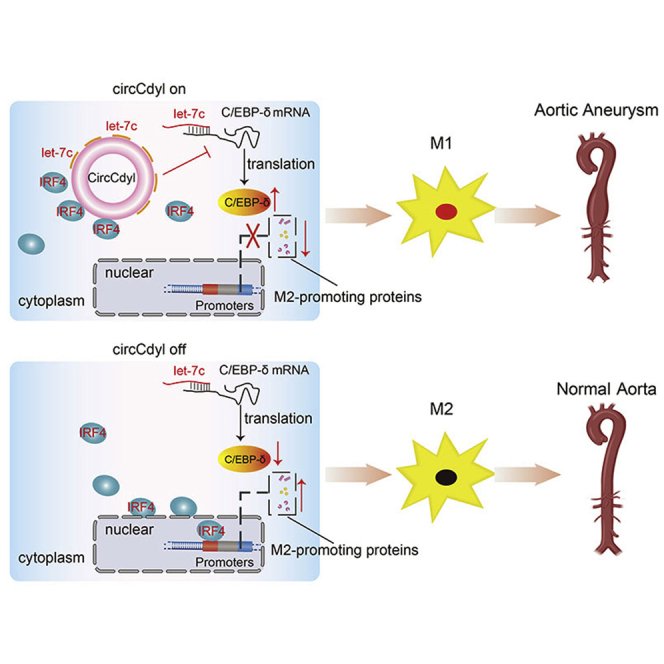
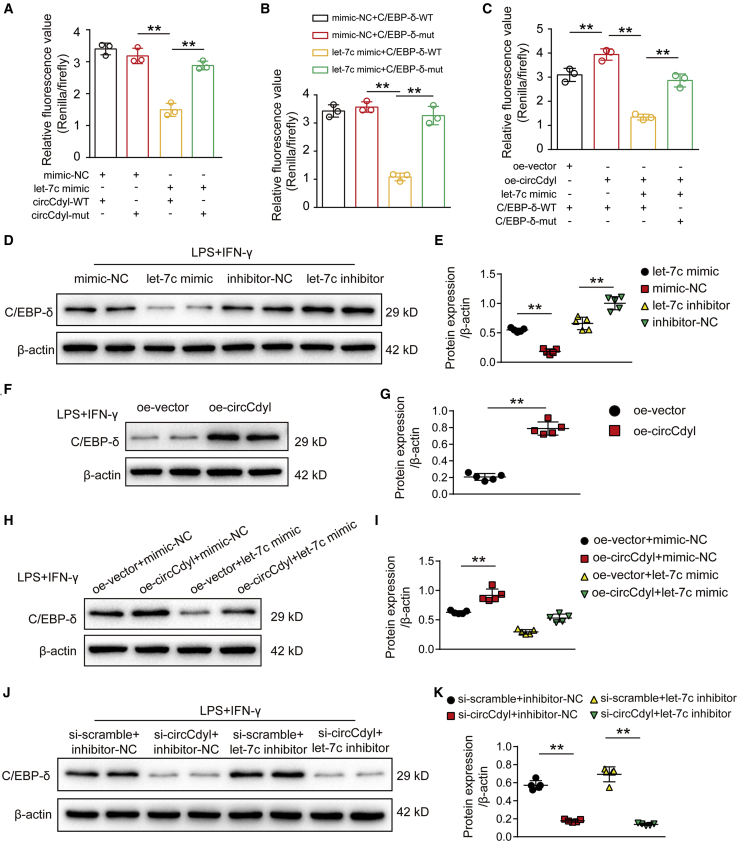
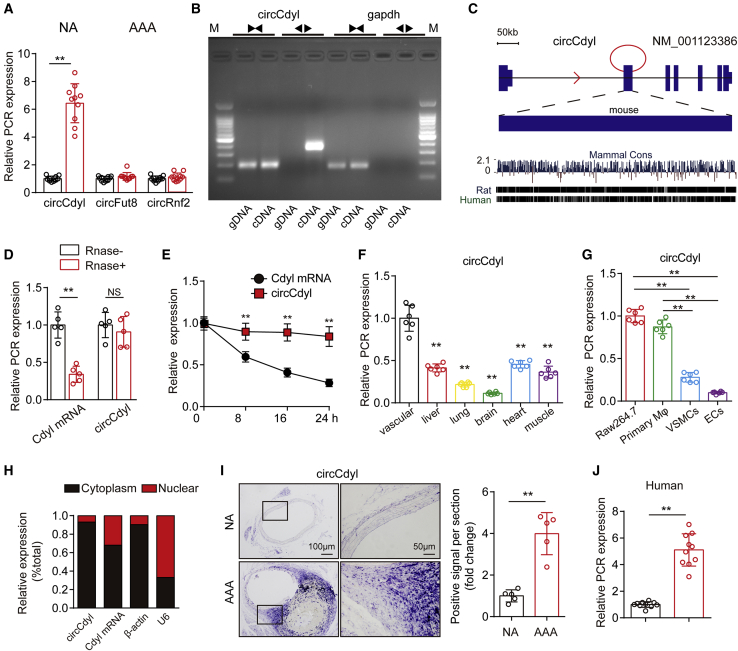
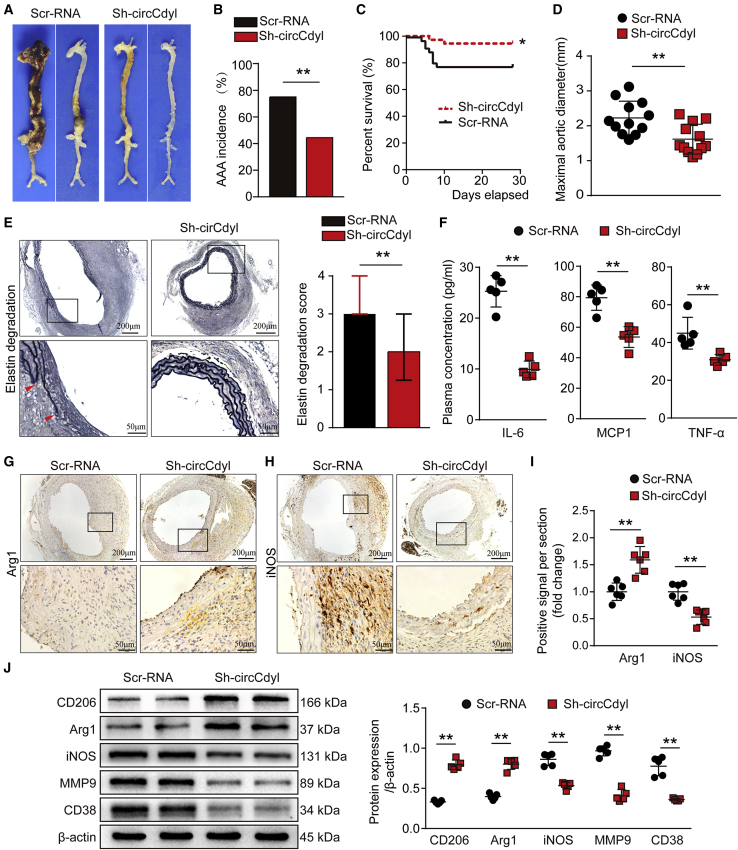
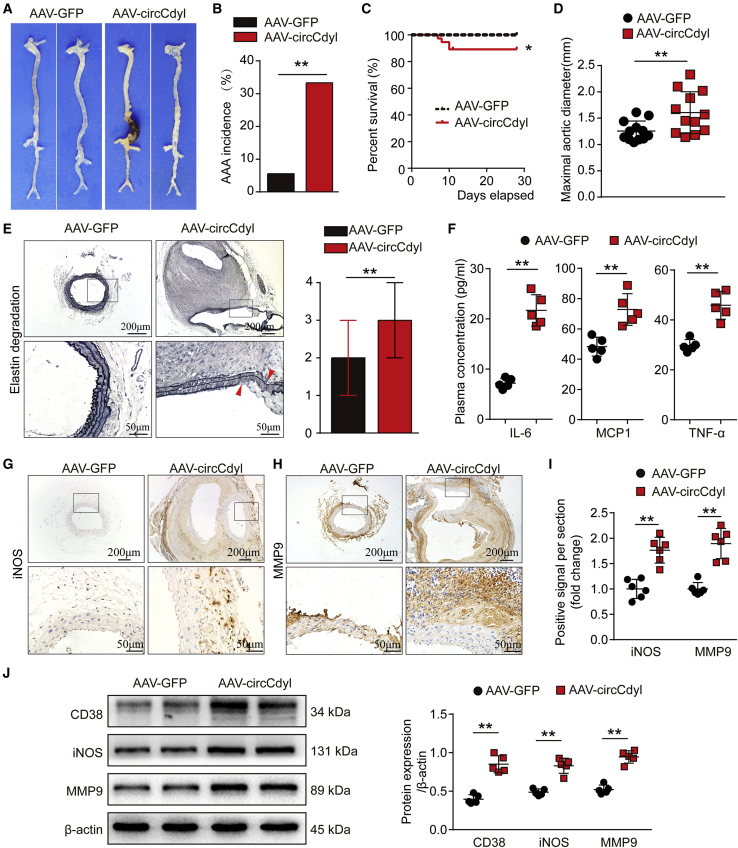
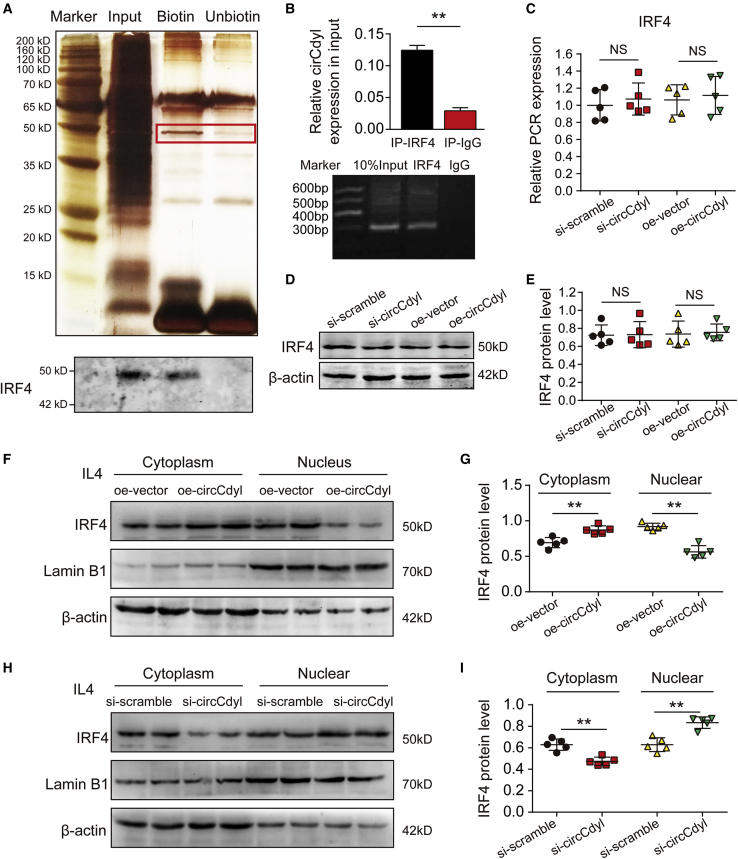
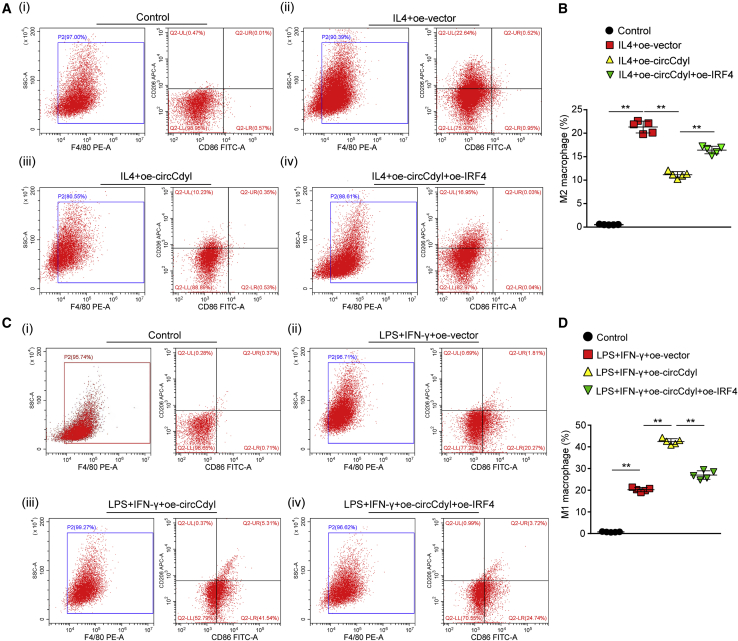
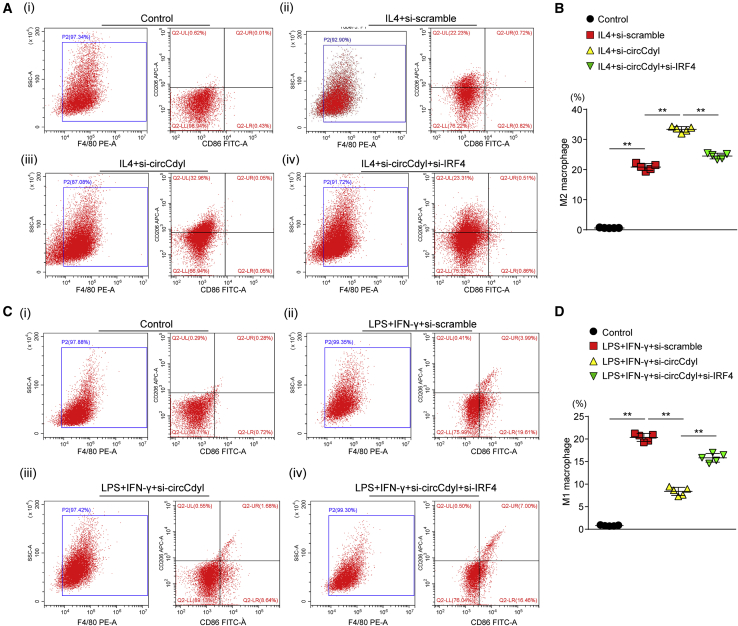
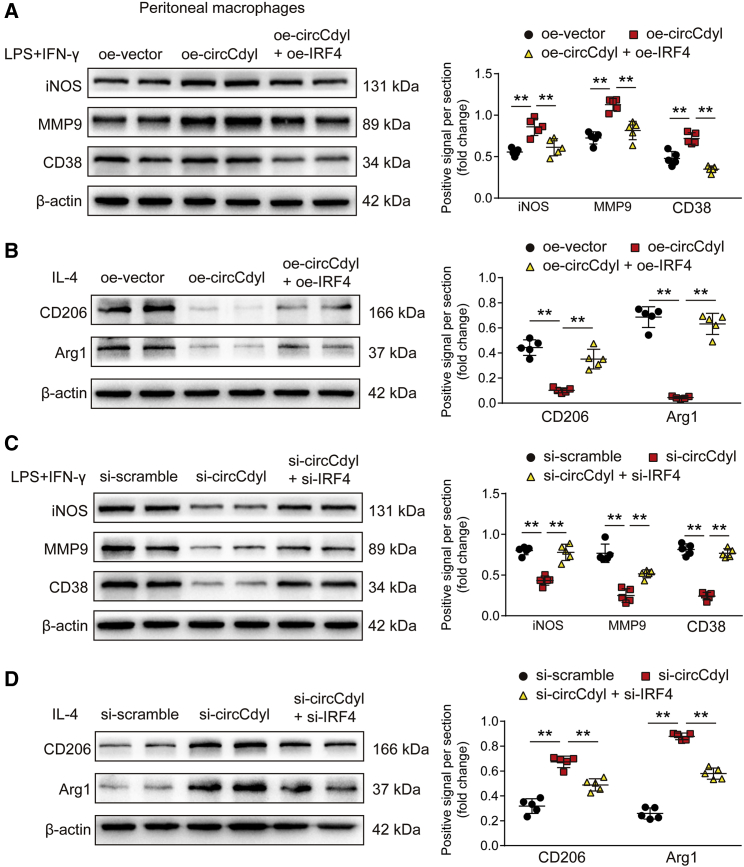
Macrophage polarization plays a crucial role in regulating abdominal aortic aneurysm (AAA) formation. Circular RNAs (circRNAs) are important regulators of macrophage polarization during the development of cardiovascular diseases. How-ever, the roles of circRNAs in regulating AAA formation through modulation of macrophage polarization remain unknown. In the present study, we compared circRNA microarray data under two distinct polarizing conditions (M1 and M2 macrophages) and identified an M1-enriched circRNA, circCdyl. Loss- and gain-of-function assay results demonstrated that circCdyl overexpression accelerated angiotensin II (Ang II)- and calcium chloride (CaCl)-induced AAA formation by promoting M1 polarization and M1-type inflammation, while circCdyl deficiency showed the opposite effects. RNA pulldown, mass spectrometry analysis, and RNA immunoprecipitation (RIP) assays were conducted to elucidate the underlying mechanisms by which circCdyl regulates AAA formation and showed that circCdyl promotes vascular inflammation and M1 polarization by inhibiting interferon regulatory factor 4 (IRF4) entry into the nucleus, significantly inducing AAA formation. In addition, circCdyl was shown to act as a let-7c sponge, promoting C/EBP-δ expression in macrophages to induce M1 polarization. Our results indicate an important role for circCdyl-mediated macrophage polarization in AAA formation and provide a potent therapeutic target for AAA treatment.
巨噬细胞极化在调节腹主动脉瘤(AAA)形成中起着关键作用。环状 RNA(circRNA)是心血管疾病发展过程中调节巨噬细胞极化的重要调控因子。然而,circRNA 如何通过调节巨噬细胞极化来调节 AAA 的形成尚不清楚。在本研究中,我们比较了两种不同极化条件(M1 和 M2 巨噬细胞)下的 circRNA 微阵列数据,鉴定出一种 M1 富集的 circRNA,circCdyl。敲低和过表达实验结果表明,circCdyl 的过表达通过促进 M1 极化和 M1 型炎症加速血管紧张素 II(Ang II)和氯化钙(CaCl)诱导的 AAA 形成,而 circCdyl 的缺失则表现出相反的效果。RNA 下拉、质谱分析和 RNA 免疫沉淀(RIP)实验阐明了 circCdyl 调节 AAA 形成的潜在机制,表明 circCdyl 通过抑制干扰素调节因子 4(IRF4)进入细胞核,显著促进血管炎症和 M1 极化,从而促进 AAA 的形成。此外,circCdyl 被证明可以作为 let-7c 的海绵,促进巨噬细胞中 C/EBP-δ 的表达,从而诱导 M1 极化。我们的研究结果表明,circCdyl 介导的巨噬细胞极化在 AAA 形成中起着重要作用,并为 AAA 的治疗提供了一个有潜力的治疗靶点。