Cell Biology and Biophysics Unit, European Molecular Biology Laboratory, Heidelberg, Germany.
Department of Clinical Sciences, Faculty of Veterinary Medicine, Utrecht University, Utrecht, the Netherlands.
J Cell Biol. 2021 Nov 1;220(11). doi: 10.1083/jcb.202010106. Epub 2021 Sep 22.
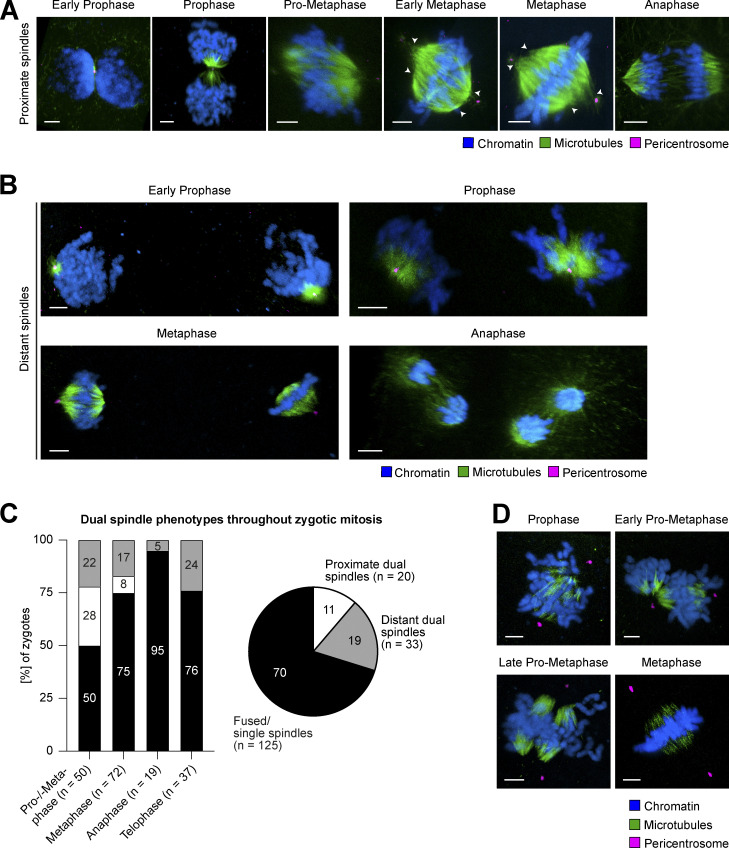
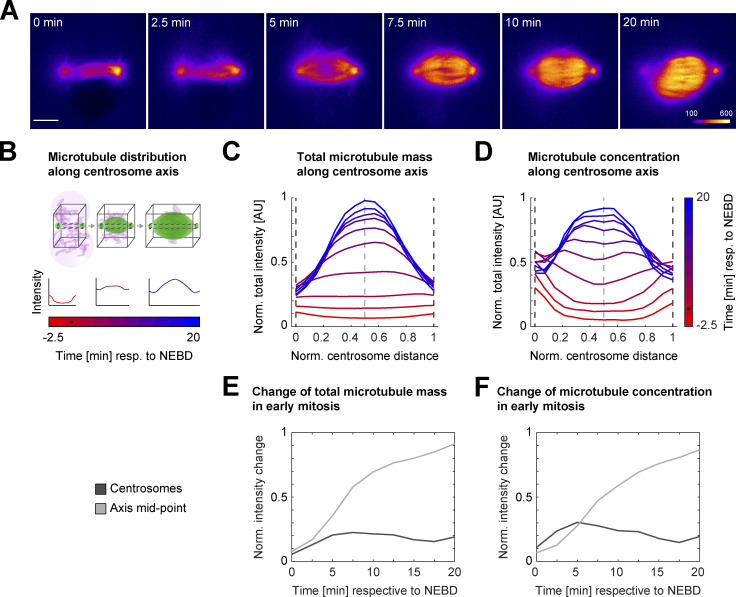
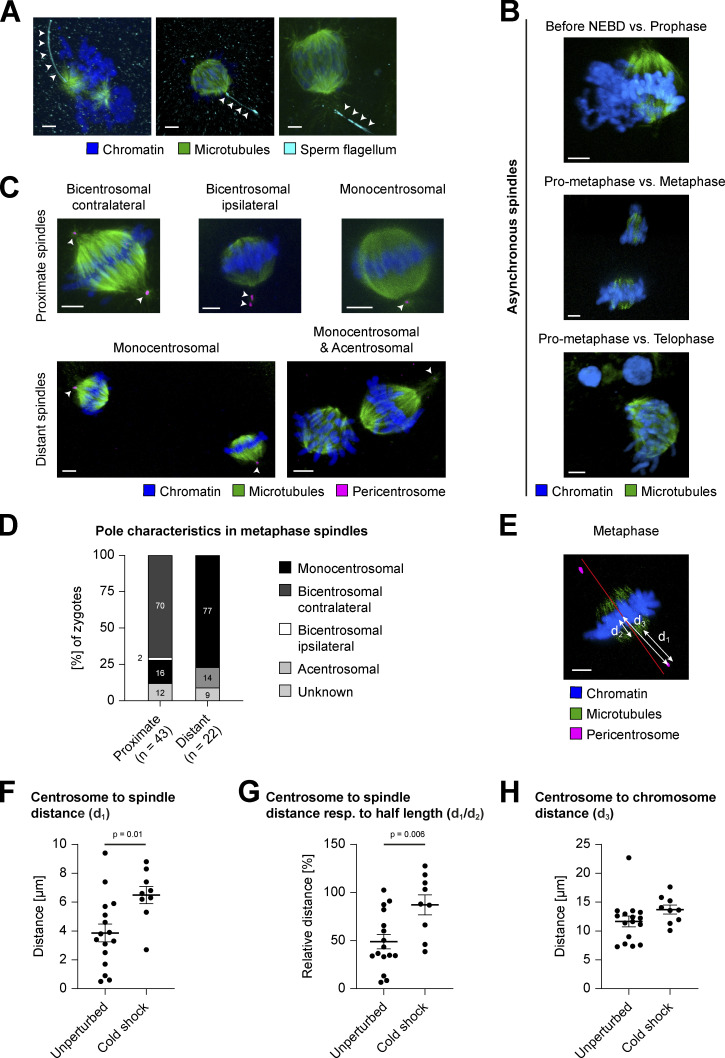
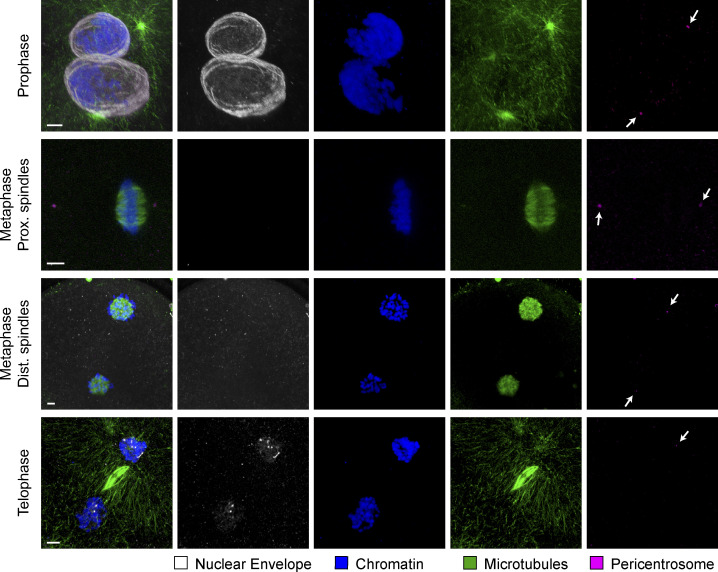
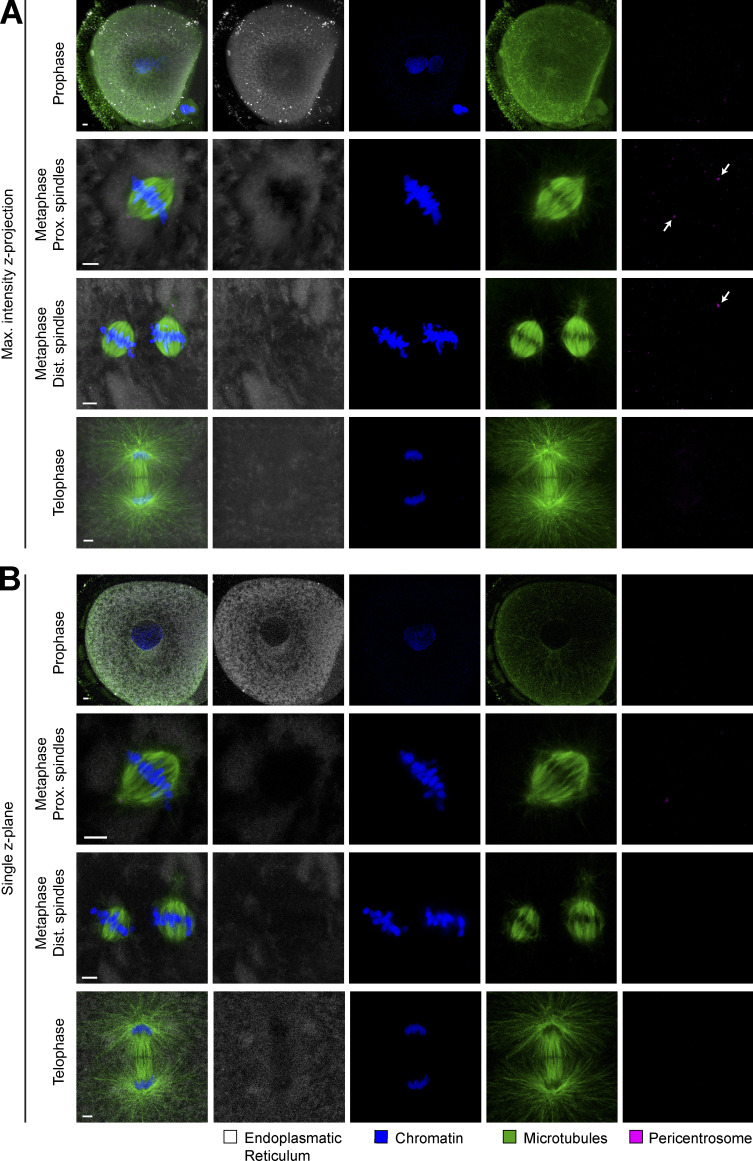
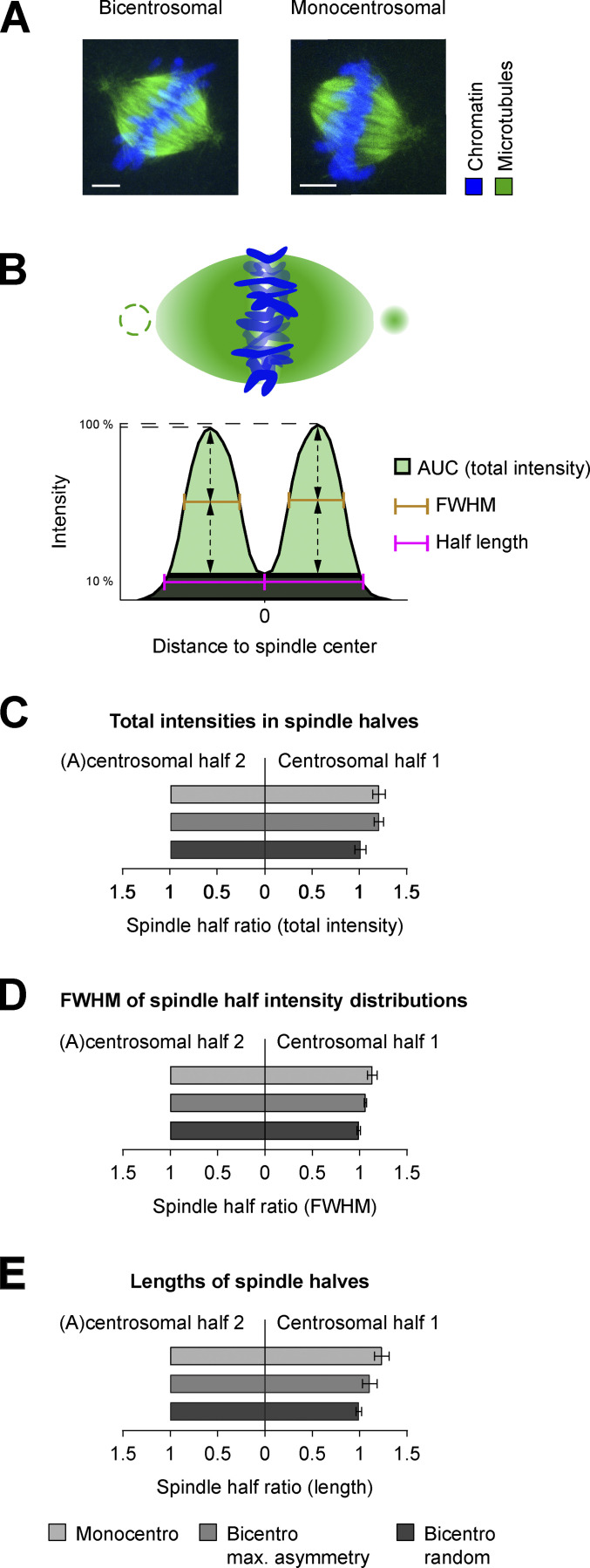
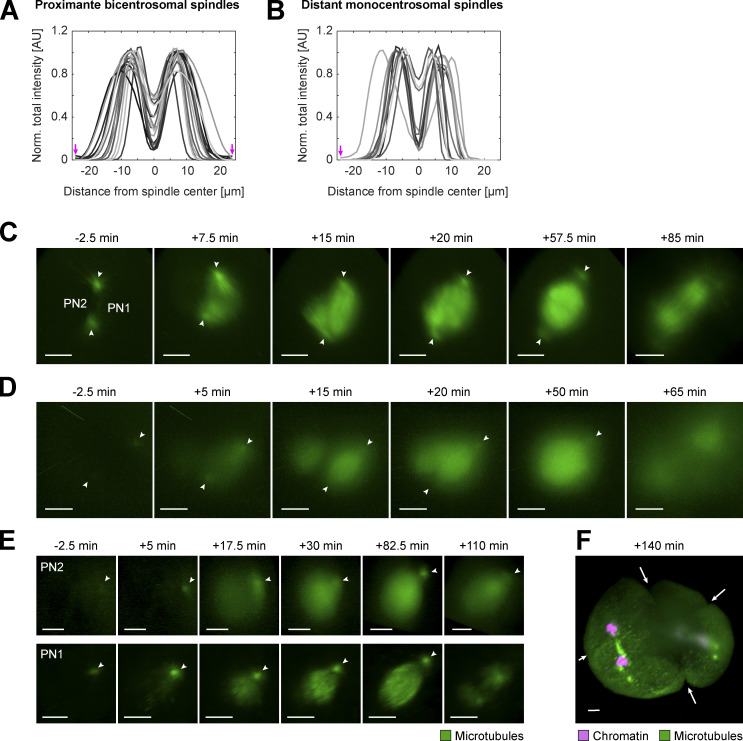
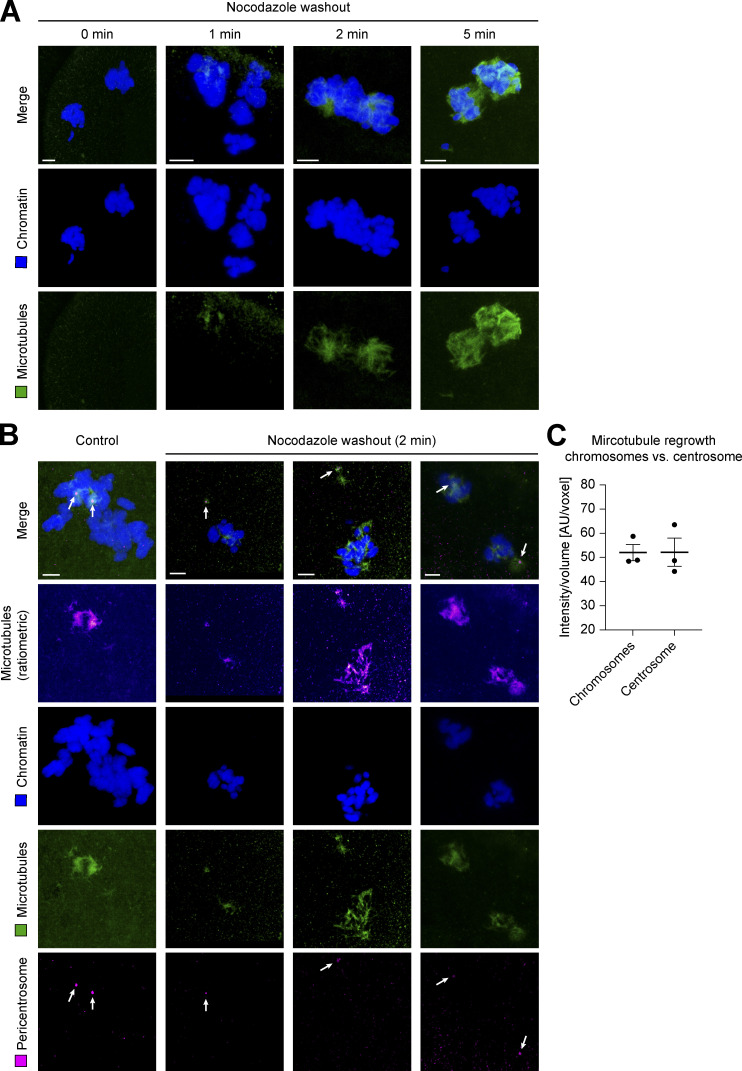
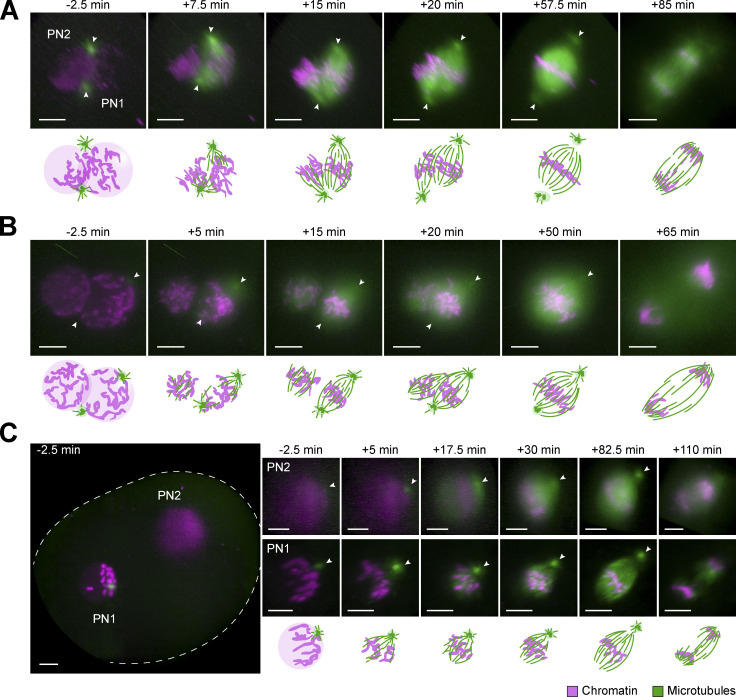
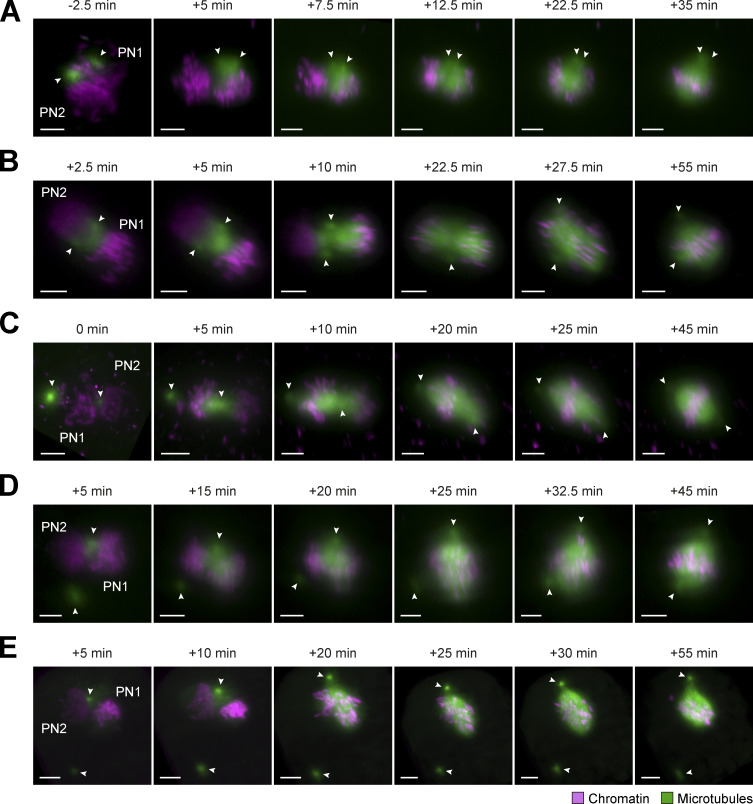
The first mitosis of the mammalian embryo must partition the parental genomes contained in two pronuclei. In rodent zygotes, sperm centrosomes are degraded, and instead, acentriolar microtubule organizing centers and microtubule self-organization guide the assembly of two separate spindles around the genomes. In nonrodent mammals, including human or bovine, centrosomes are inherited from the sperm and have been widely assumed to be active. Whether nonrodent zygotes assemble a single centrosomal spindle around both genomes or follow the dual spindle self-assembly pathway is unclear. To address this, we investigated spindle assembly in bovine zygotes by systematic immunofluorescence and real-time light-sheet microscopy. We show that two independent spindles form despite the presence of centrosomes, which had little effect on spindle structure and were only loosely connected to the two spindles. We conclude that the dual spindle assembly pathway is conserved in nonrodent mammals. This could explain whole parental genome loss frequently observed in blastomeres of human IVF embryos.
哺乳动物胚胎的第一次有丝分裂必须将两个原核中包含的亲代基因组分开。在啮齿动物的受精卵中,精子中心体被降解,取而代之的是无中心体的微管组织中心和微管的自我组织指导两个独立的纺锤体围绕基因组组装。在非啮齿类哺乳动物中,包括人类或牛,中心体是从精子中继承而来的,并且一直被广泛认为是活跃的。非啮齿类动物的受精卵是围绕着两个基因组形成一个中心体纺锤体,还是遵循双纺锤体自我组装途径尚不清楚。为了解决这个问题,我们通过系统免疫荧光和实时光片显微镜研究了牛受精卵中的纺锤体组装。我们发现,尽管存在中心体,但仍形成了两个独立的纺锤体,中心体对纺锤体结构几乎没有影响,而且与两个纺锤体的连接也很松散。我们得出结论,双纺锤体组装途径在非啮齿类哺乳动物中是保守的。这可以解释为什么在人类体外受精胚胎的卵裂球中经常观察到整个亲代基因组的丢失。