Max Planck Institute for Biophysical Chemistry, 37077 Göttingen, Germany.
Wellcome Centre for Mitochondrial Research, Biosciences Institute, Newcastle University, NE1 4EP Newcastle upon Tyne, UK.
Cell. 2021 May 27;184(11):2860-2877.e22. doi: 10.1016/j.cell.2021.04.013. Epub 2021 May 7.
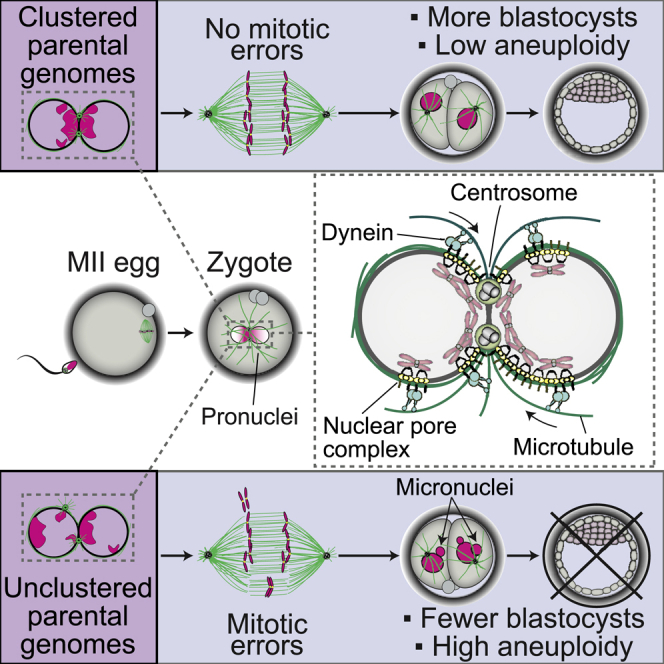
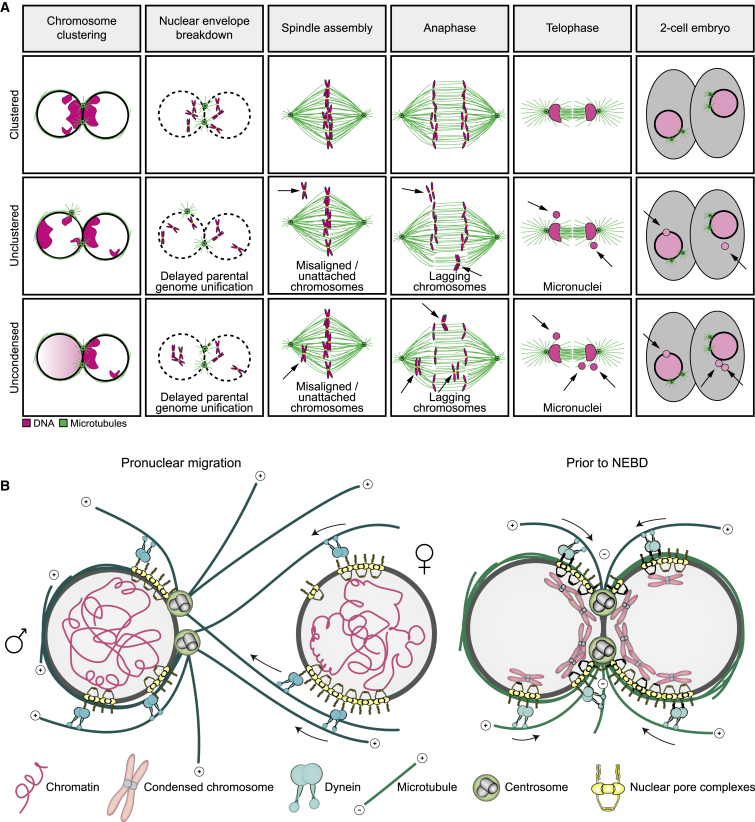
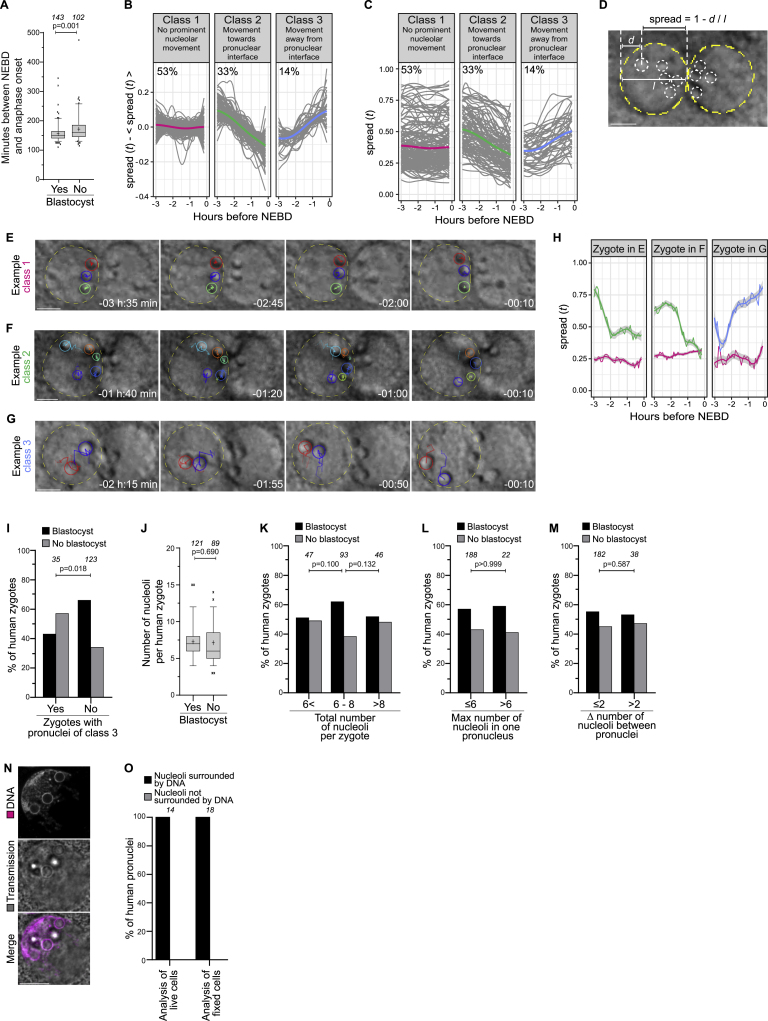
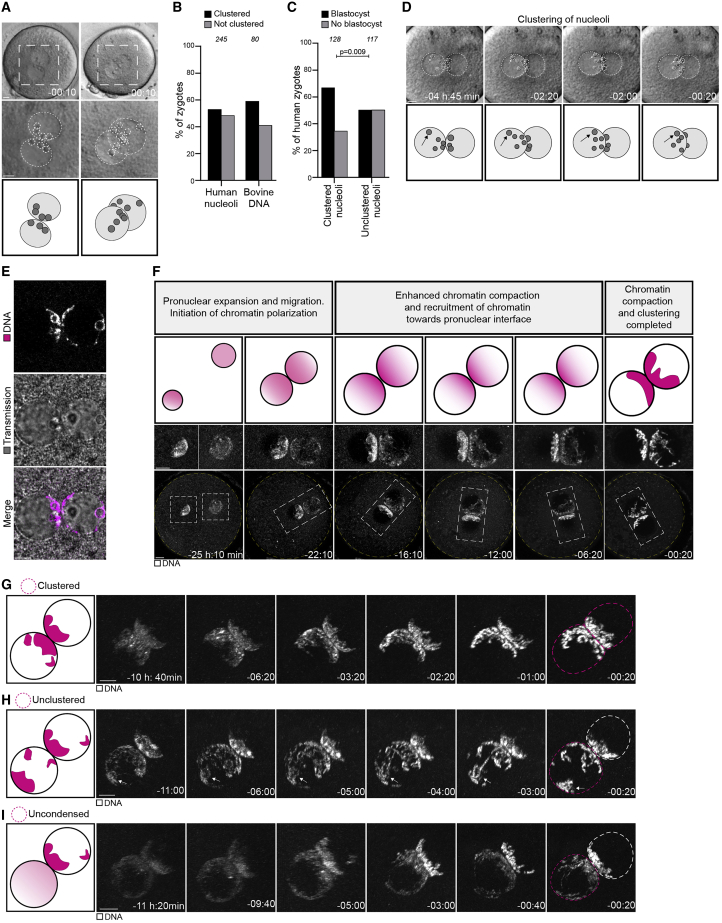
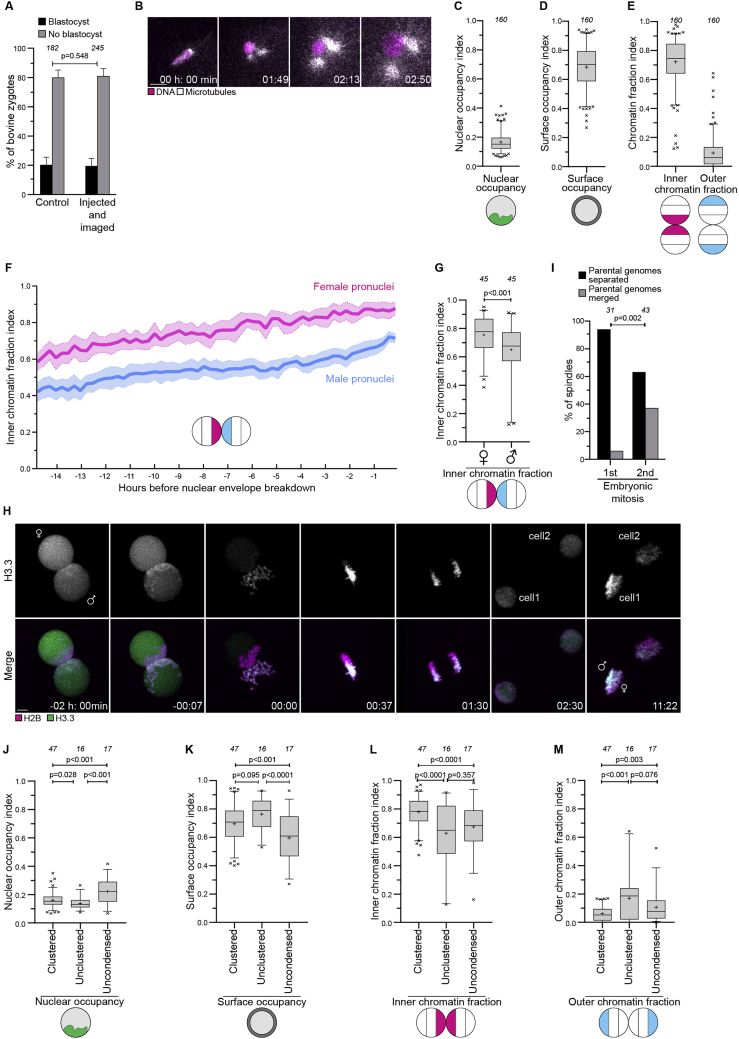
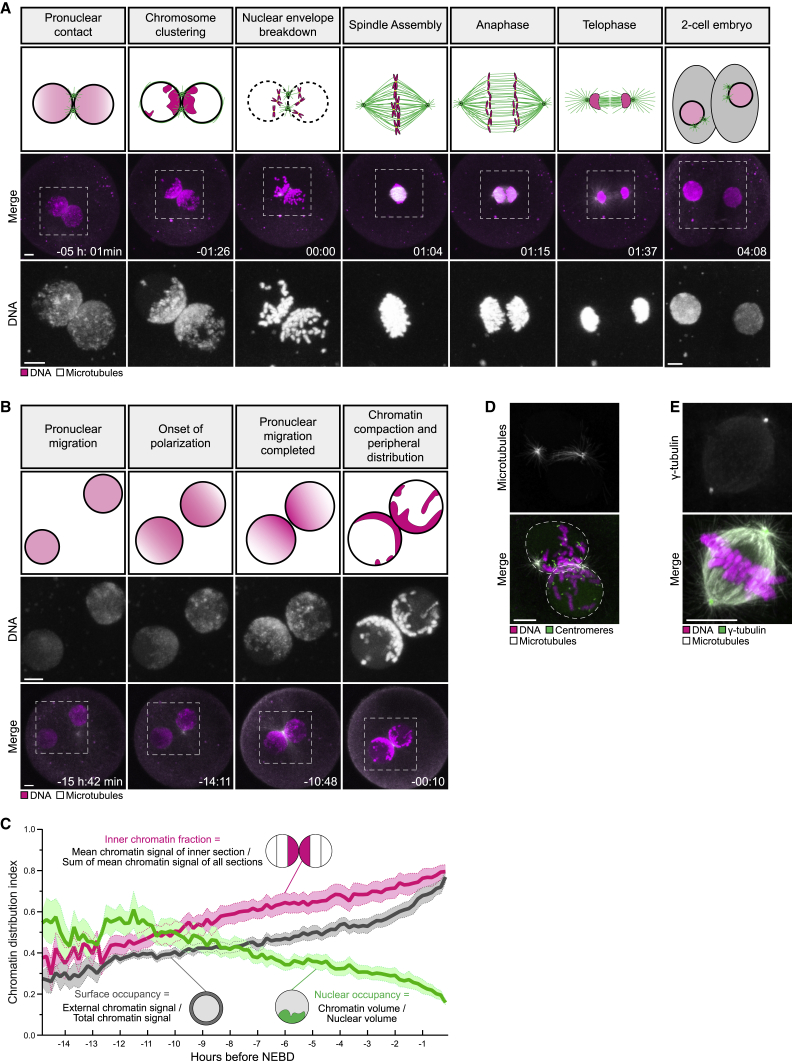
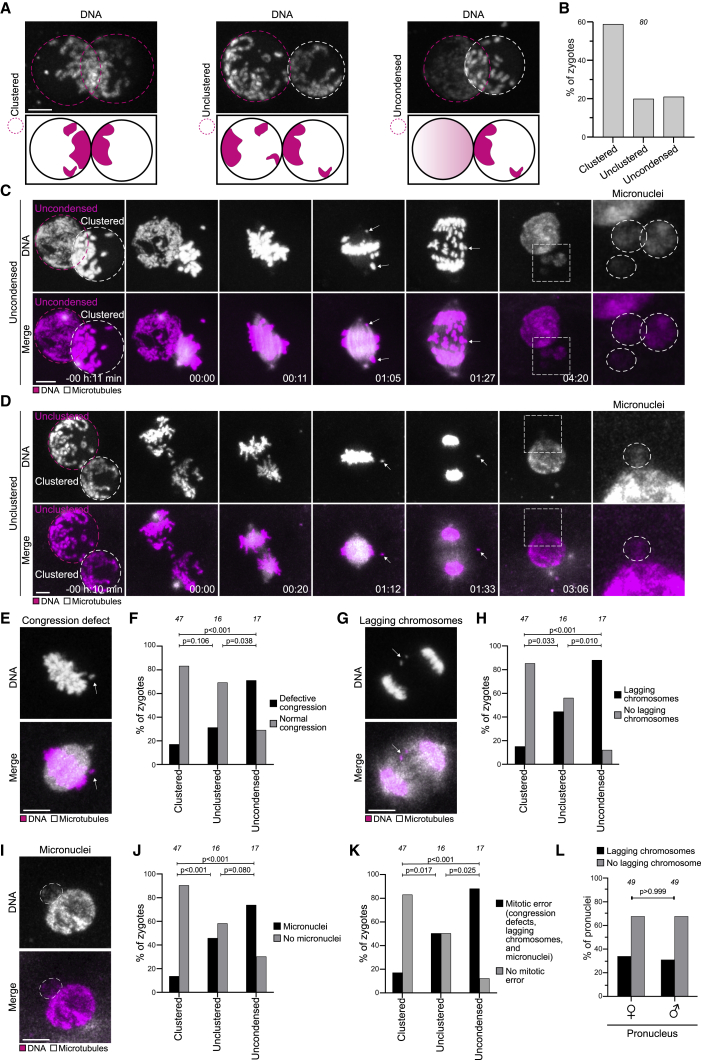
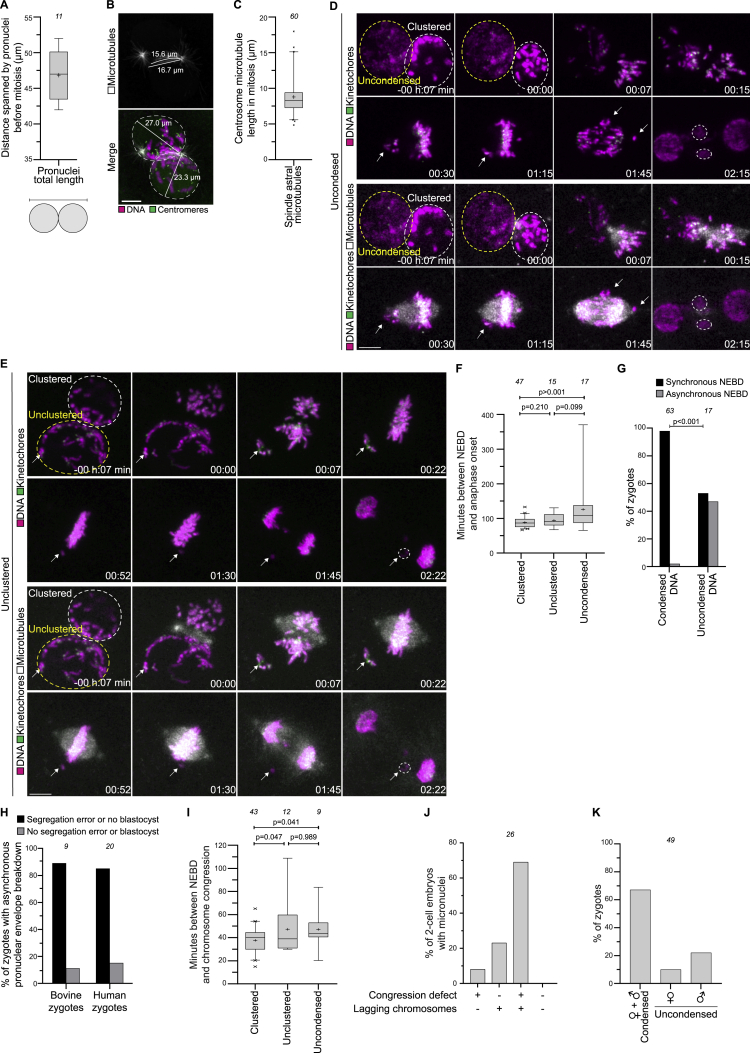
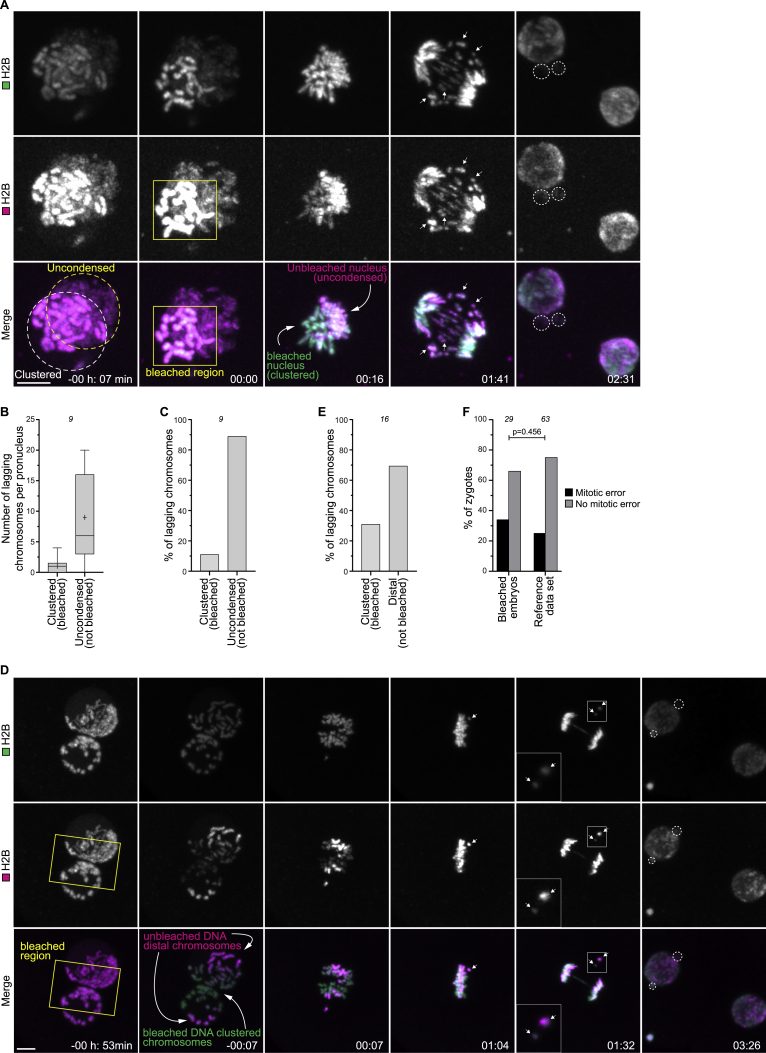
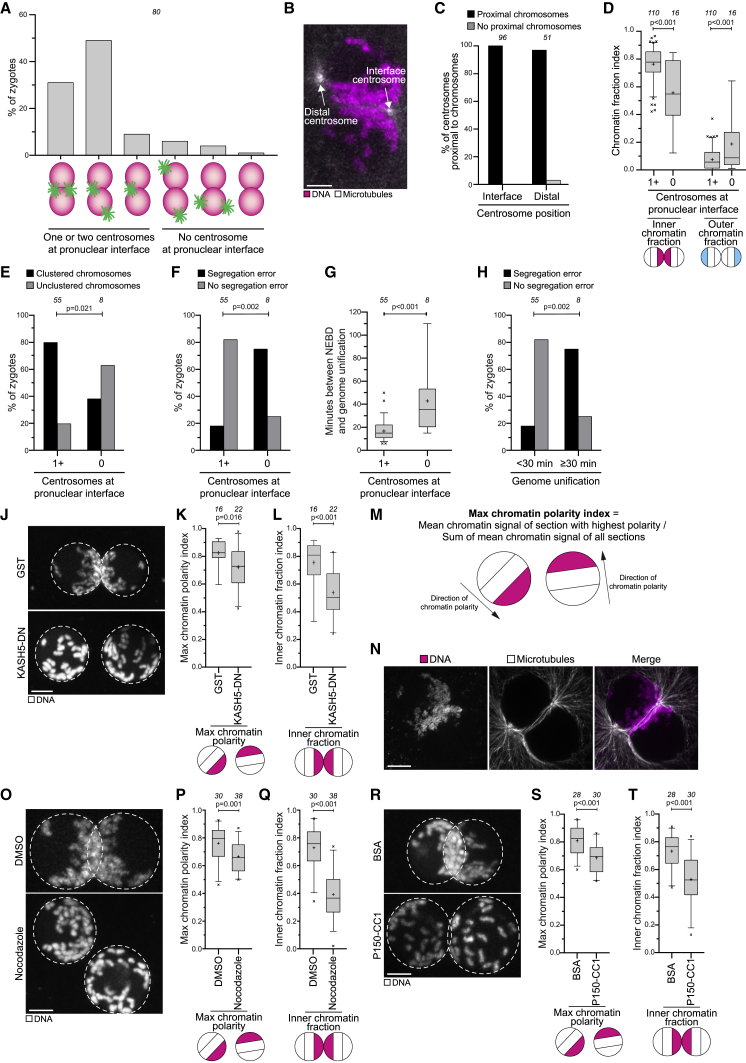
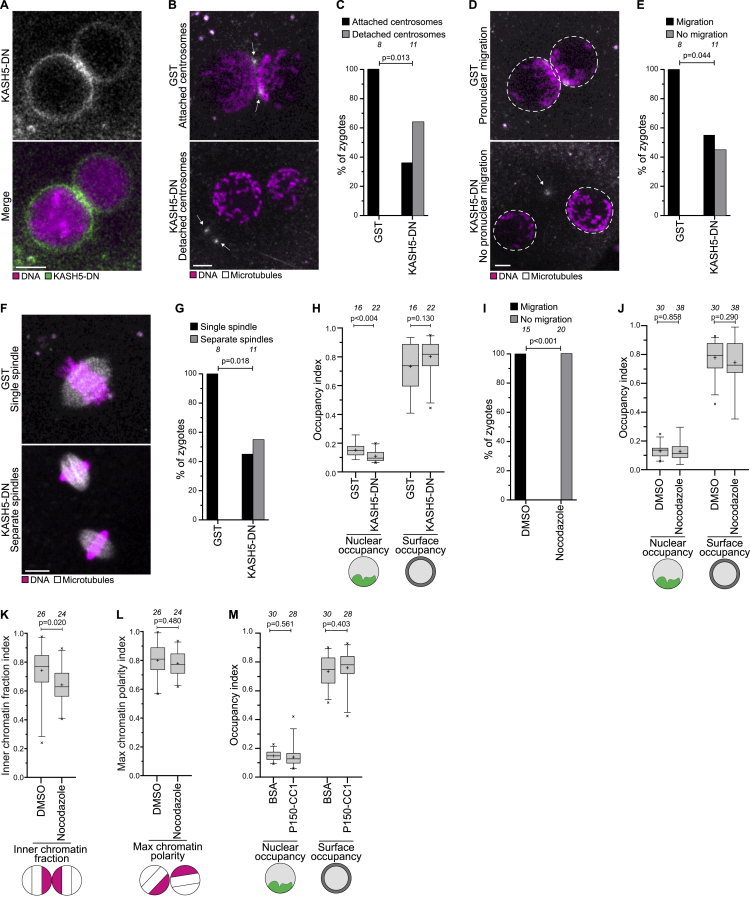
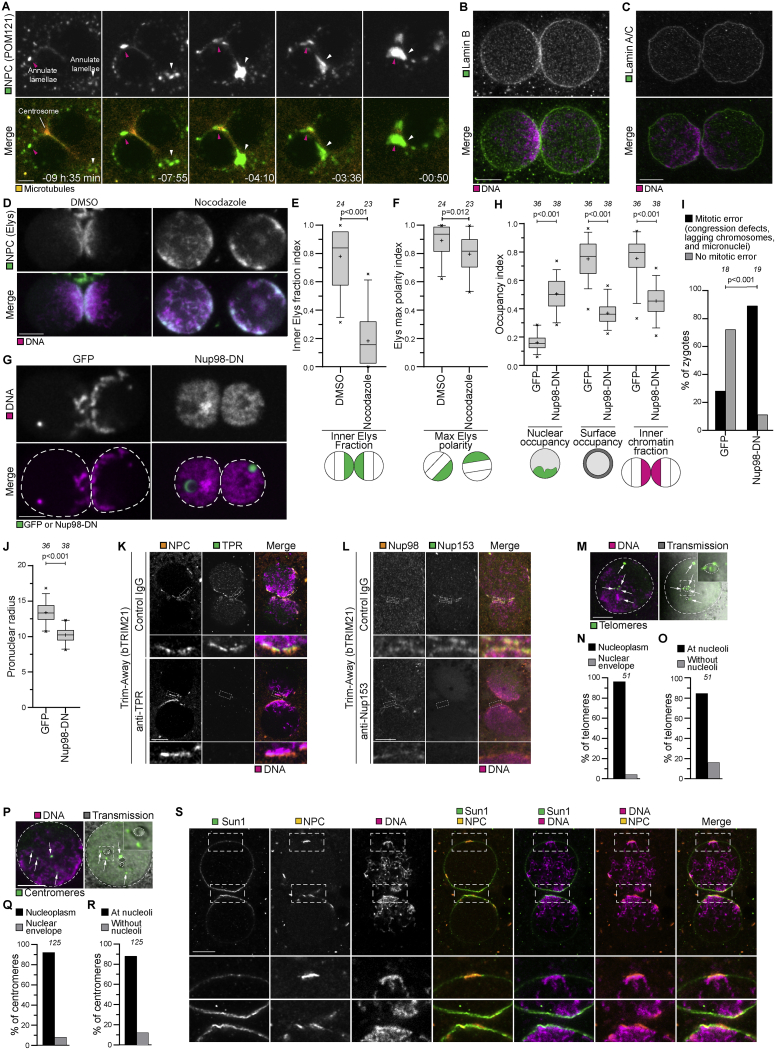
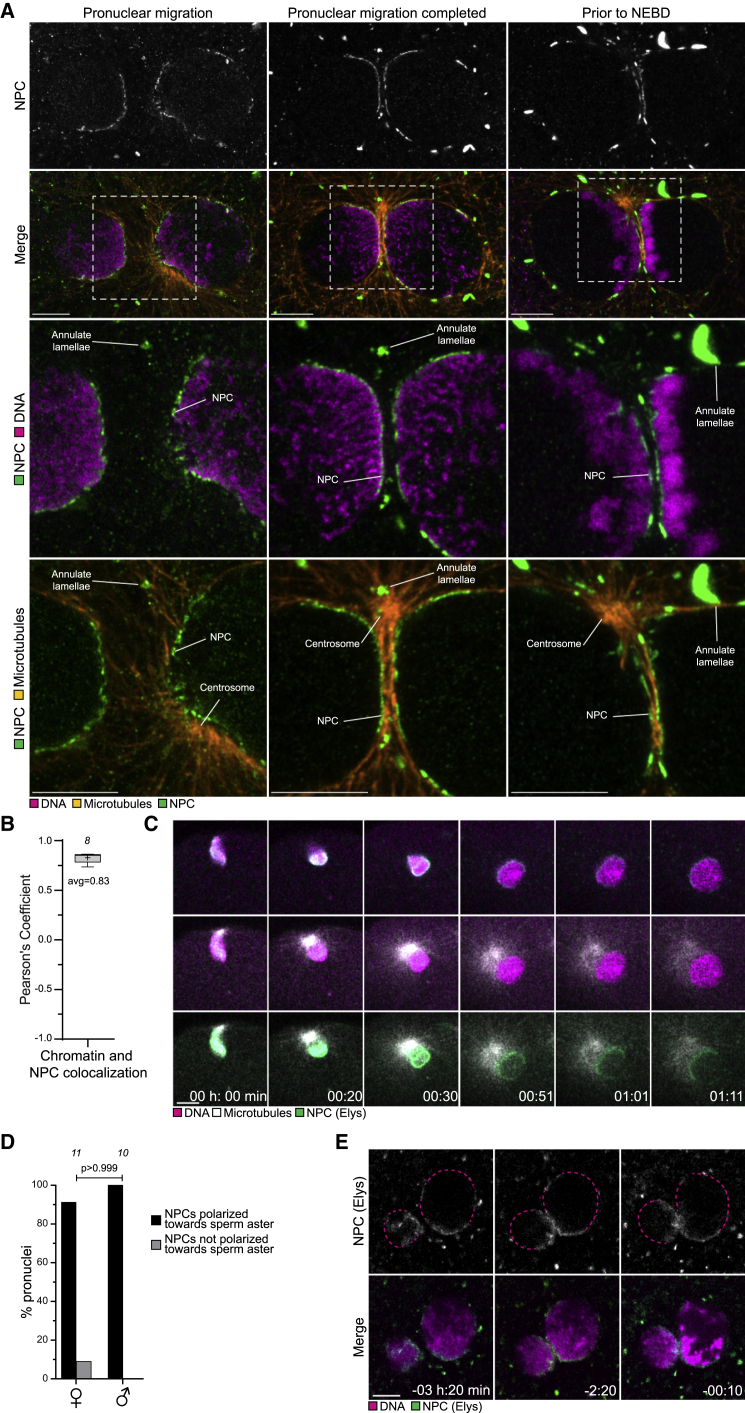
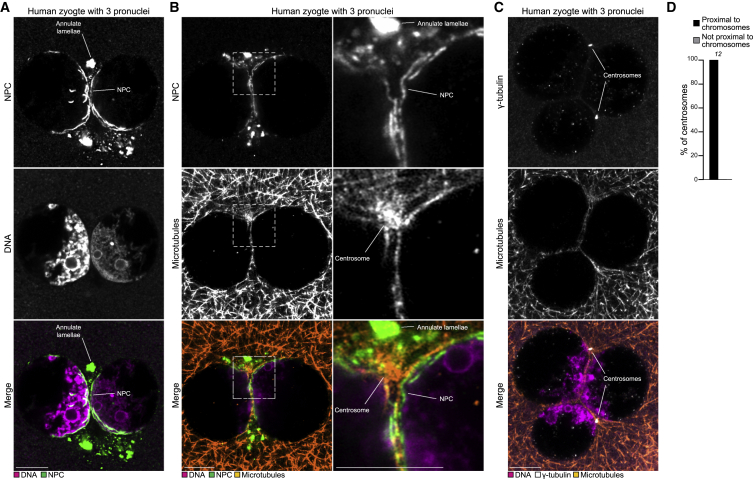
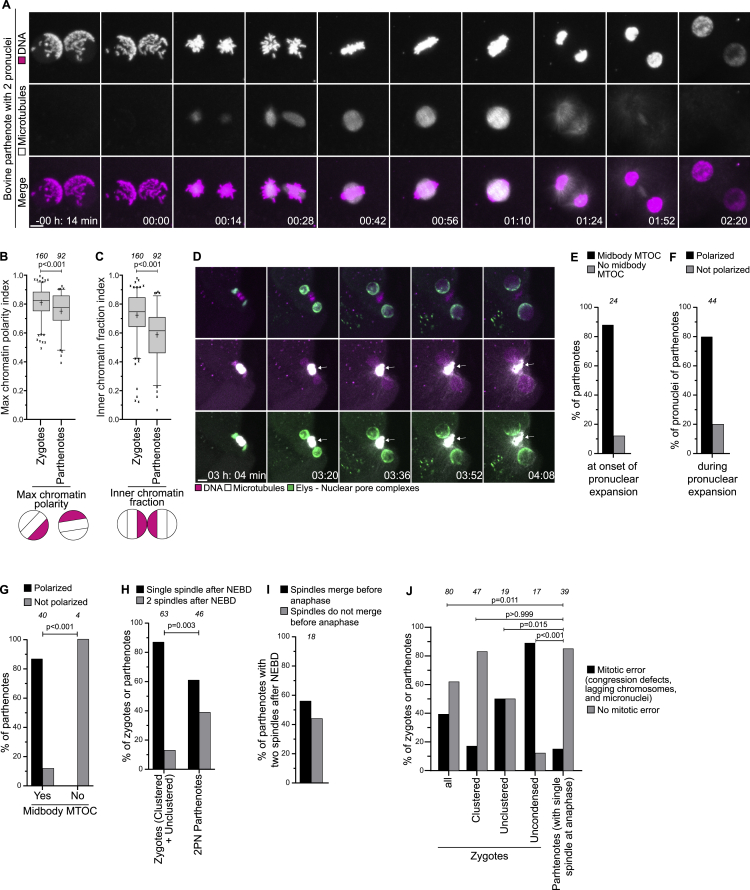
Most human embryos are aneuploid. Aneuploidy frequently arises during the early mitotic divisions of the embryo, but its origin remains elusive. Human zygotes that cluster their nucleoli at the pronuclear interface are thought to be more likely to develop into healthy euploid embryos. Here, we show that the parental genomes cluster with nucleoli in each pronucleus within human and bovine zygotes, and clustering is required for the reliable unification of the parental genomes after fertilization. During migration of intact pronuclei, the parental genomes polarize toward each other in a process driven by centrosomes, dynein, microtubules, and nuclear pore complexes. The maternal and paternal chromosomes eventually cluster at the pronuclear interface, in direct proximity to each other, yet separated. Parental genome clustering ensures the rapid unification of the parental genomes on nuclear envelope breakdown. However, clustering often fails, leading to chromosome segregation errors and micronuclei, incompatible with healthy embryo development.
大多数人类胚胎都是非整倍体。非整倍体通常在胚胎的早期有丝分裂分裂过程中出现,但它的起源仍然难以捉摸。在人类和牛的受精卵中,核仁聚集在原核界面的受精卵被认为更有可能发育成健康的整倍体胚胎。在这里,我们表明,亲代基因组与每个原核内的核仁聚集在一起,并且在受精后亲代基因组的可靠统一是必需的。在完整原核的迁移过程中,亲代基因组在由中心体、动力蛋白、微管和核孔复合物驱动的过程中彼此极化。母本和父本染色体最终聚集在原核界面,彼此直接接近,但彼此分开。亲代基因组的聚类确保了在核膜破裂时亲代基因组的快速统一。然而,聚类常常失败,导致染色体分离错误和微核,与健康胚胎发育不兼容。