Key Laboratory of Molecular Biophysics of the Ministry of Education, College of Life Science and Technology and Center for Human Genome Research, Huazhong University of Science and Technology, Wuhan, Hubei, P. R. China (J.W., H.P., Y. Yao, Y. Yu, X.J., J.C., C.X., Q.W.).
Institute of Genetics and Development, Chinese Academy of Sciences, Beijing, China (J.W.).
Arterioscler Thromb Vasc Biol. 2021 Nov;41(11):2756-2769. doi: 10.1161/ATVBAHA.121.316867. Epub 2021 Sep 23.
Angiogenic factor AGGF1 (angiogenic factor with G-patch and FHA [Forkhead-associated] domain 1) promotes angiogenesis as potently as VEGFA (vascular endothelial growth factor A) and regulates endothelial cell (EC) proliferation, migration, specification of multipotent hemangioblasts and venous ECs, hematopoiesis, and vascular development and causes vascular disease Klippel-Trenaunay syndrome when mutated. However, the receptor for AGGF1 and the underlying molecular mechanisms remain to be defined.
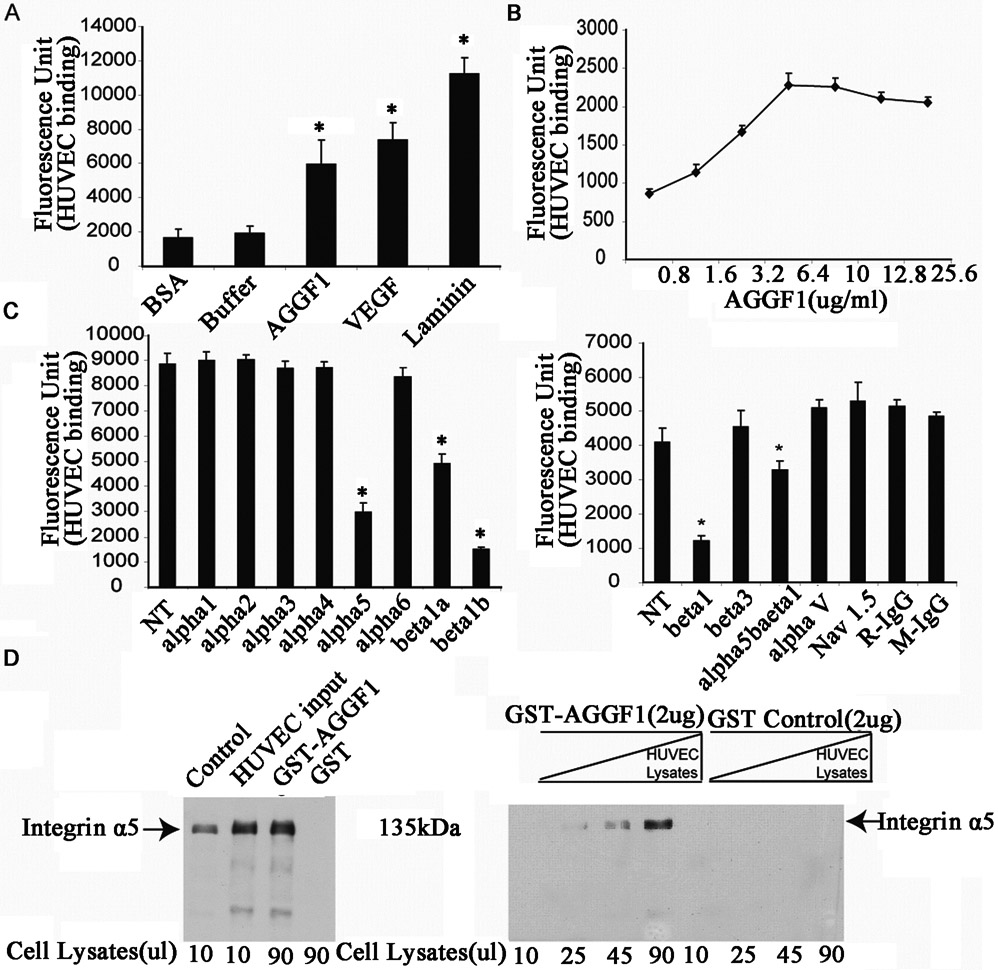
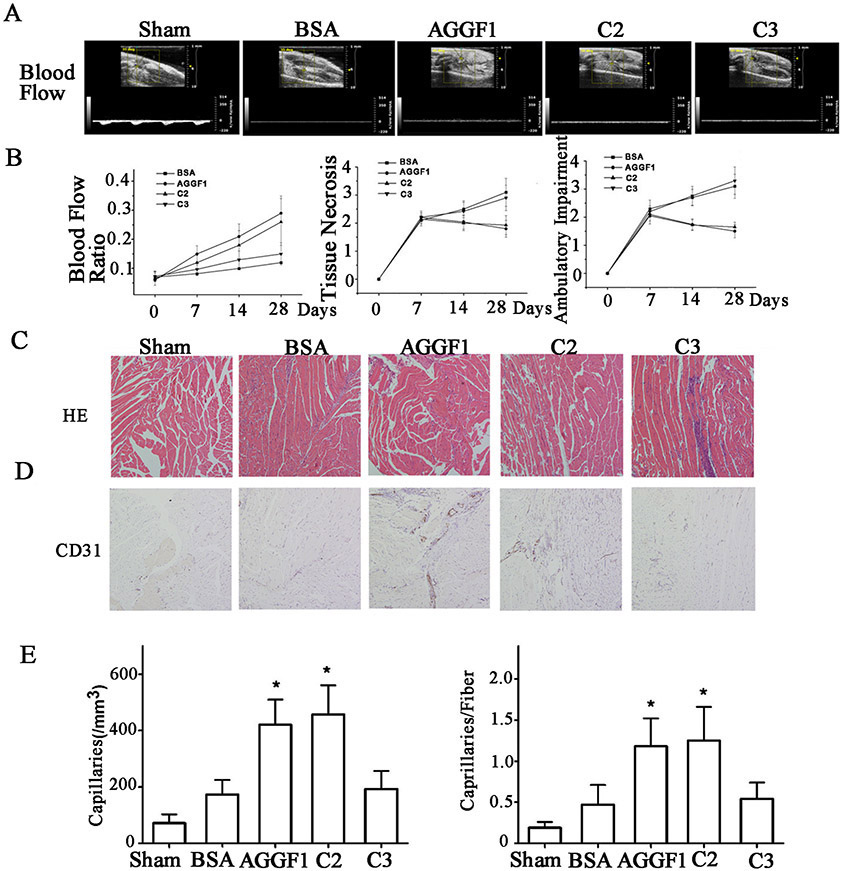
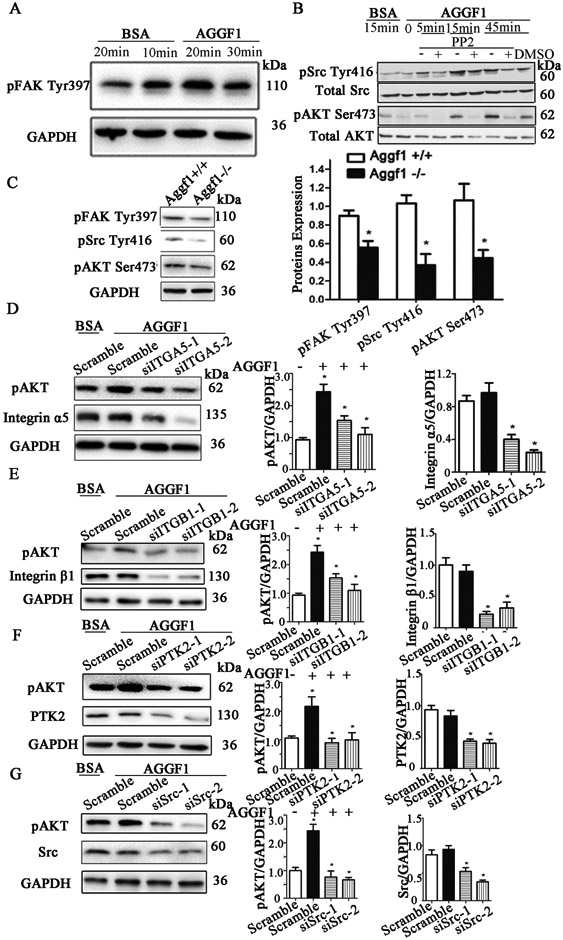
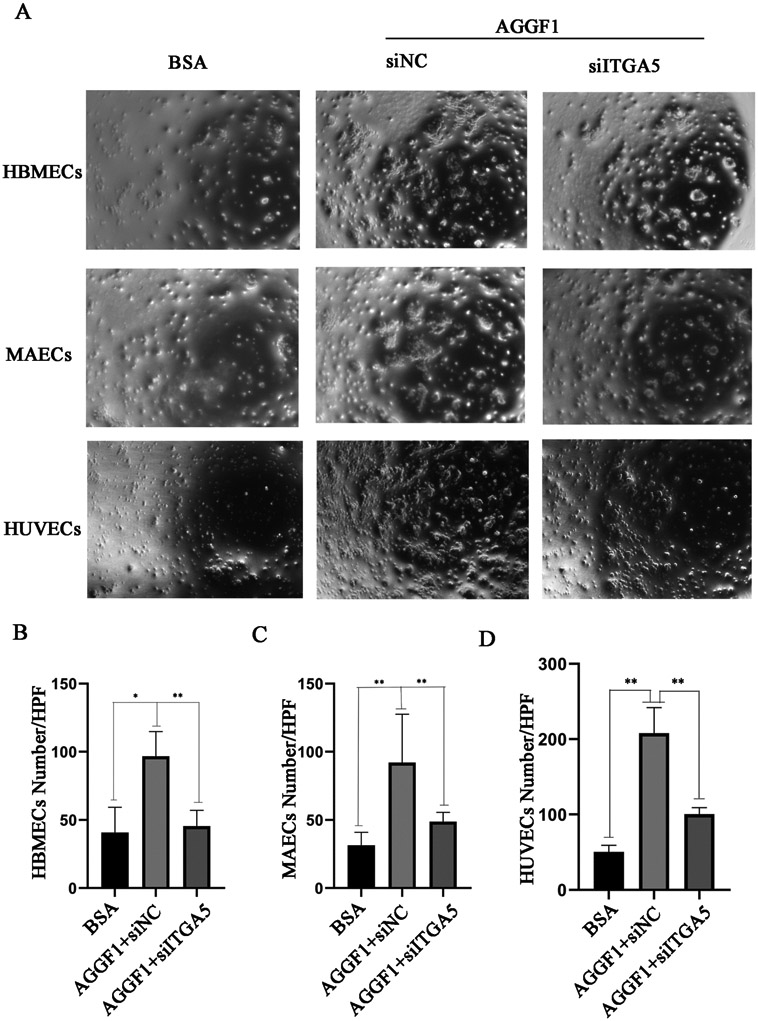
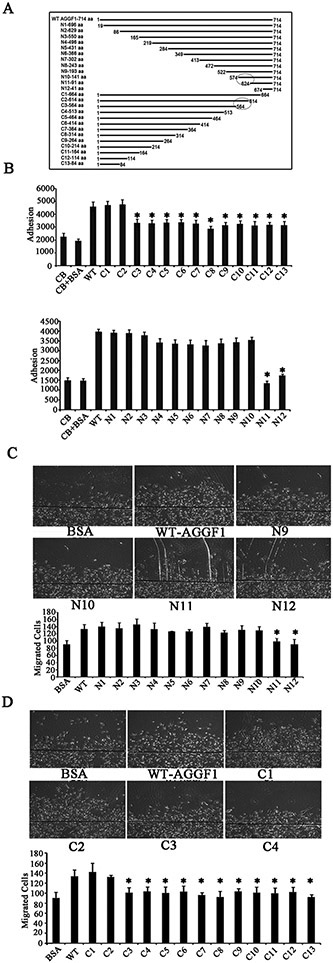
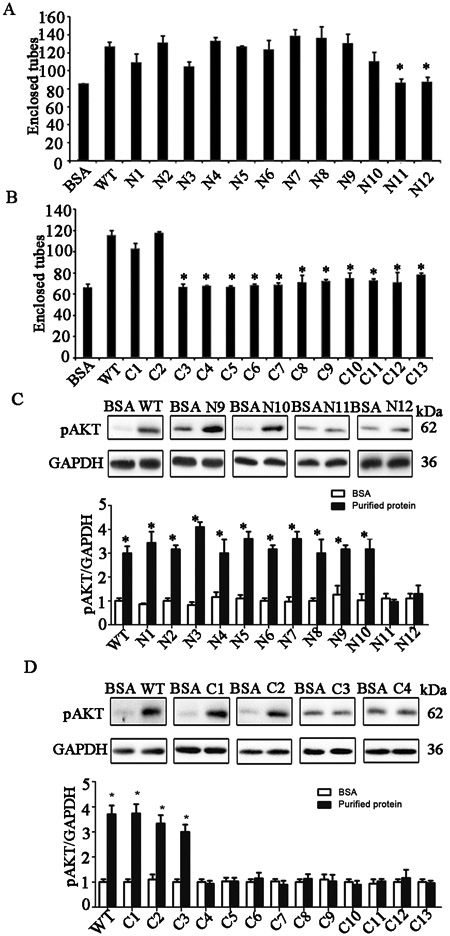
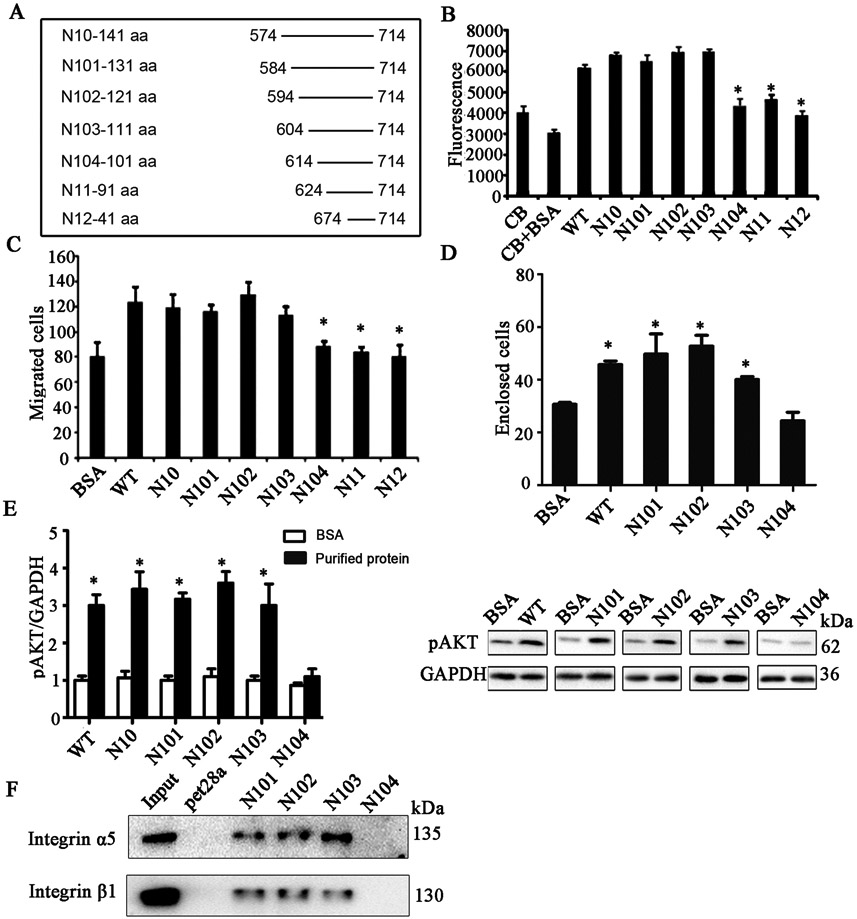
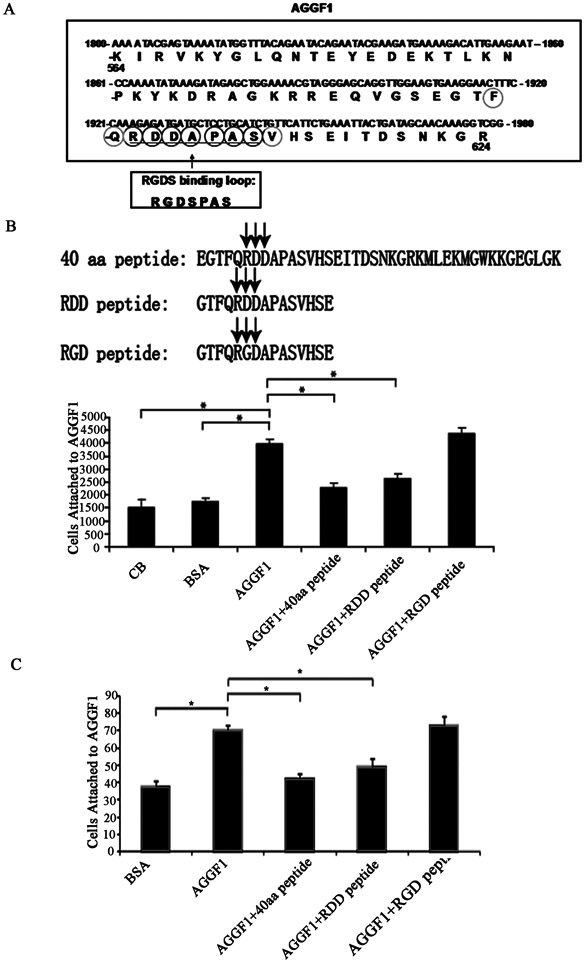
Using functional blocking studies with neutralizing antibodies, we identified [alpha]5[beta]1 as the receptor for AGGF1 on ECs. AGGF1 interacts with [alpha]5[beta]1 and activates FAK (focal adhesion kinase), Src (proto-oncogene tyrosine-protein kinase), and AKT (protein kinase B). Functional analysis of 12 serial N-terminal deletions and 13 C-terminal deletions by every 50 amino acids mapped the angiogenic domain of AGGF1 to a domain between amino acids 604-613 (FQRDDAPAS). The angiogenic domain is required for EC adhesion and migration, capillary tube formation, and AKT activation. The deletion of the angiogenic domain eliminated the effects of AGGF1 on therapeutic angiogenesis and increased blood flow in a mouse model for peripheral artery disease. A 40-mer or 15-mer peptide containing the angiogenic domain blocks AGGF1 function, however, a 15-mer peptide containing a single amino acid mutation from -RDD- to -RGD- (a classical RGD integrin-binding motif) failed to block AGGF1 function.
We have identified integrin [alpha]5[beta]1 as an EC receptor for AGGF1 and a novel AGGF1-mediated signaling pathway of [alpha]5[beta]1-FAK-Src-AKT for angiogenesis. Our results identify an FQRDDAPAS angiogenic domain of AGGF1 crucial for its interaction with [alpha]5[beta]1 and signaling.
血管生成因子 AGGF1(具有 G 补丁和 FHA [Forkhead 相关]结构域 1 的血管生成因子)的促血管生成作用与 VEGFA(血管内皮生长因子 A)一样强烈,并调节内皮细胞(EC)的增殖、迁移、多能性血原细胞和静脉 EC 的特化、造血以及血管发育,并在发生突变时导致血管疾病 Klippel-Trenaunay 综合征。然而,AGGF1 的受体和潜在的分子机制仍有待确定。
使用具有中和抗体的功能阻断研究,我们确定 [alpha]5[beta]1 是 EC 上 AGGF1 的受体。AGGF1 与 [alpha]5[beta]1 相互作用并激活 FAK(粘着斑激酶)、Src(原癌基因酪氨酸蛋白激酶)和 AKT(蛋白激酶 B)。通过每隔 50 个氨基酸进行 12 个连续 N 端缺失和 13 个 C 端缺失的功能分析,将 AGGF1 的血管生成结构域映射到氨基酸 604-613(FQRDDAPAS)之间的一个结构域。血管生成结构域是 EC 黏附和迁移、毛细血管形成和 AKT 激活所必需的。该血管生成结构域缺失消除了 AGGF1 对治疗性血管生成的影响,并增加了小鼠外周动脉疾病模型中的血流量。包含血管生成结构域的 40 肽或 15 肽可阻断 AGGF1 功能,但包含从 -RDD- 到 -RGD-(经典的 RGD 整合素结合基序)的单个氨基酸突变的 15 肽不能阻断 AGGF1 功能。
我们已将整合素 [alpha]5[beta]1 鉴定为 AGGF1 的 EC 受体,以及一种新的 AGGF1 介导的 [alpha]5[beta]1-FAK-Src-AKT 信号通路,用于血管生成。我们的结果确定了 AGGF1 与 [alpha]5[beta]1 相互作用和信号传导的关键 FQRDDAPAS 血管生成结构域。