Department of Laboratory Medicine, The Second Affiliated Hospital of Zhejiang University School of Medicine, 88 Jiefang Road, Hangzhou, 310009, Zhejiang, People's Republic of China.
Department of Biochemistry and Molecular Biology, Bengbu Medical College, Anhui, 233030, People's Republic of China.
Sci Rep. 2021 Sep 23;11(1):18875. doi: 10.1038/s41598-021-98381-2.
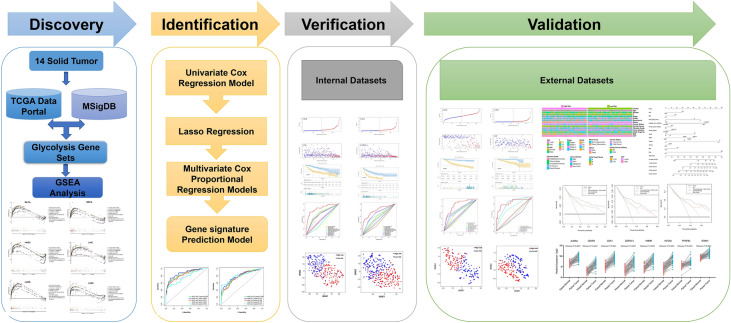
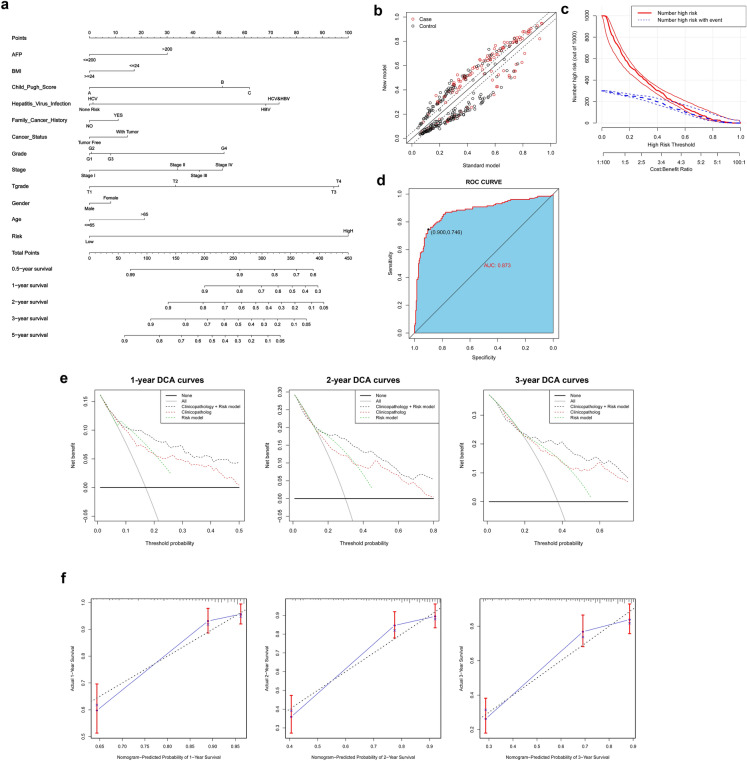
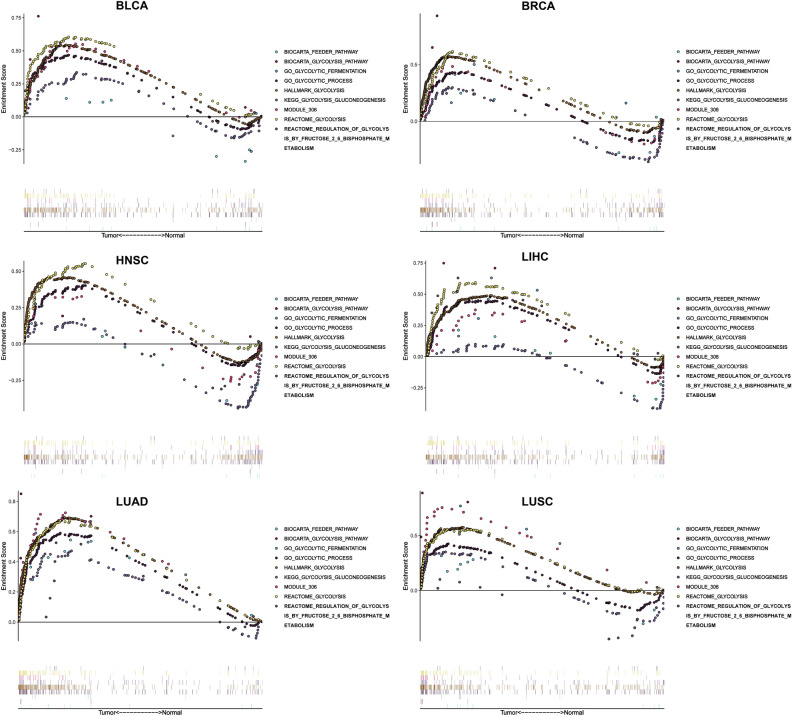
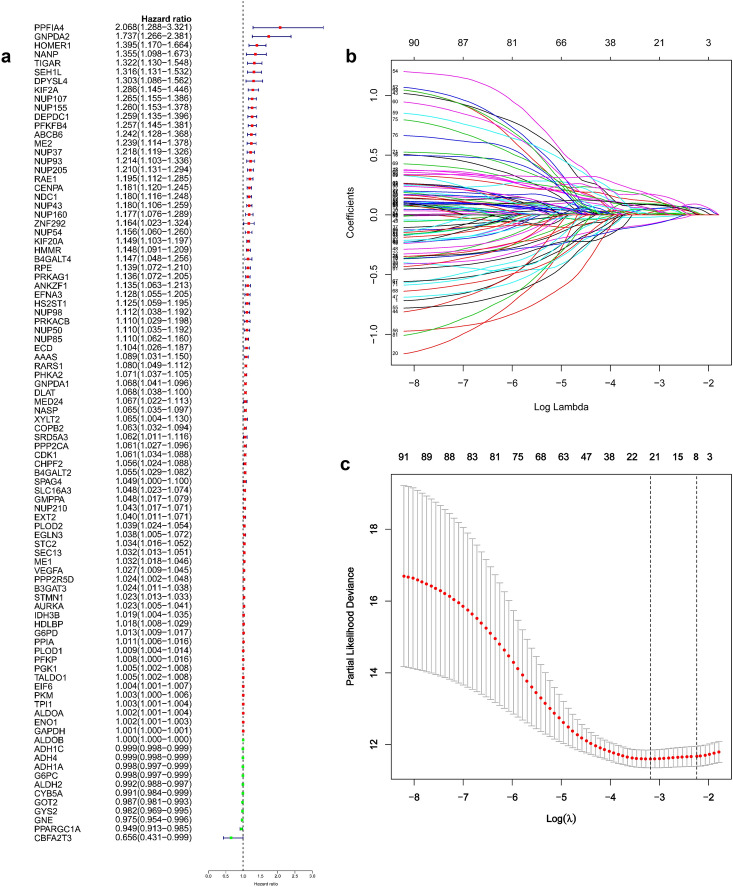
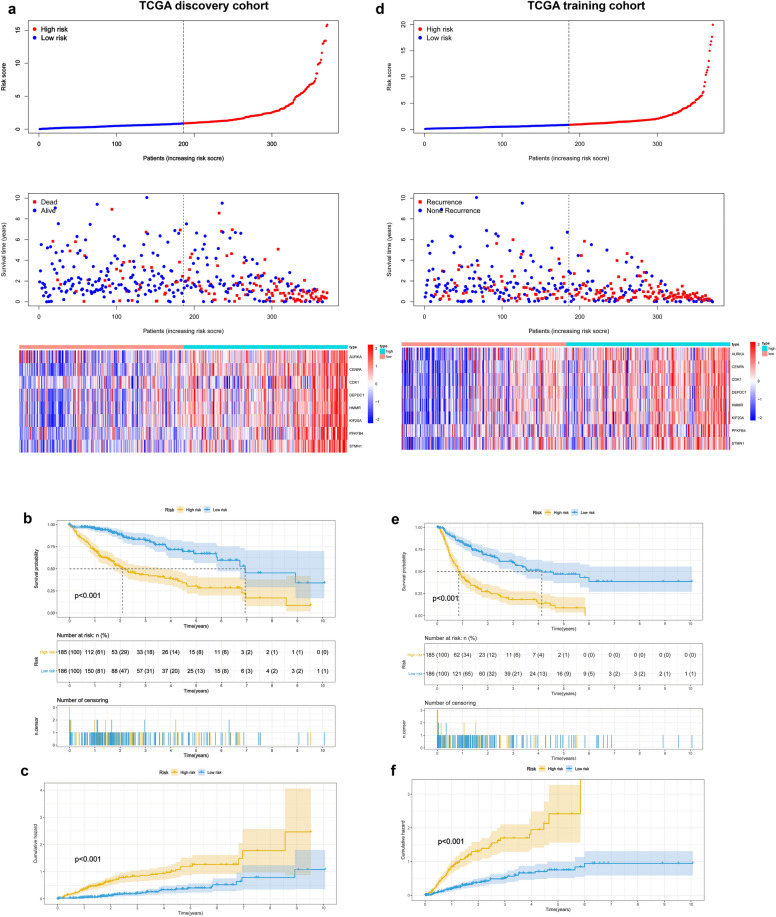
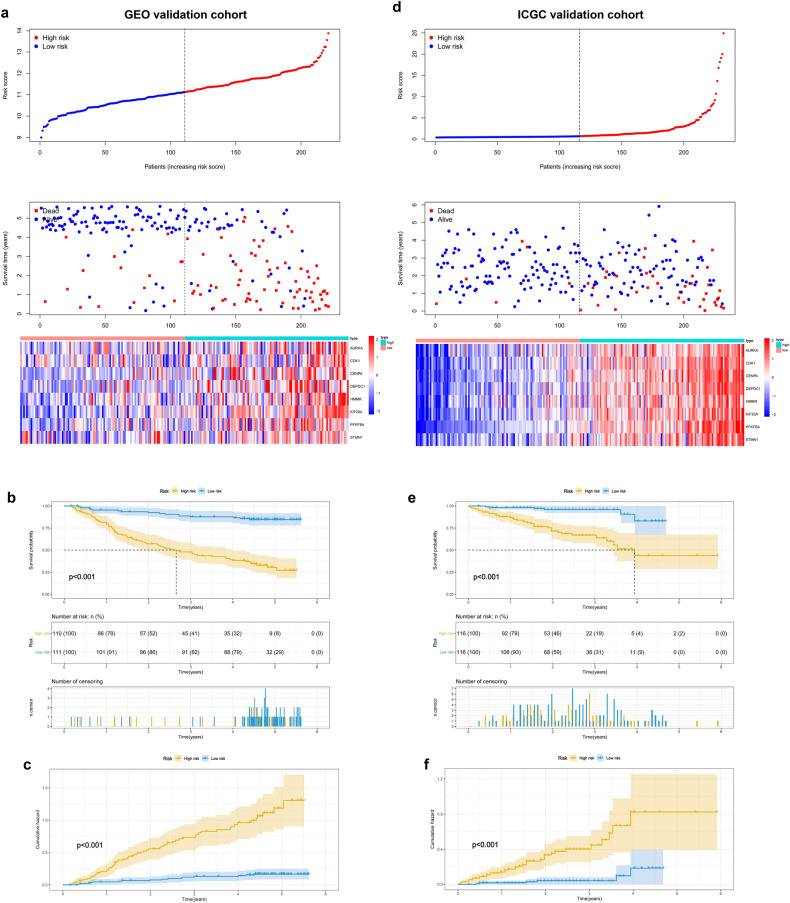
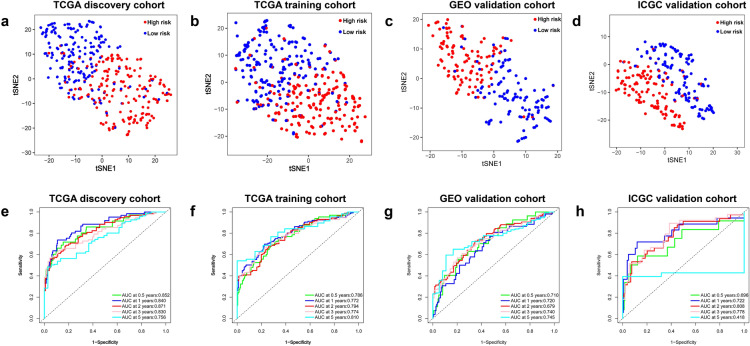
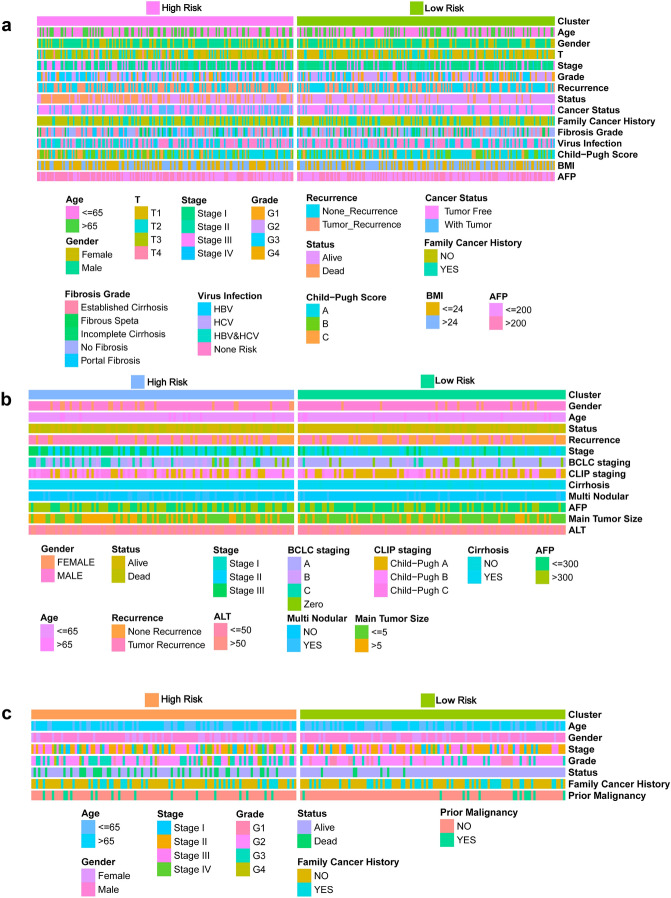
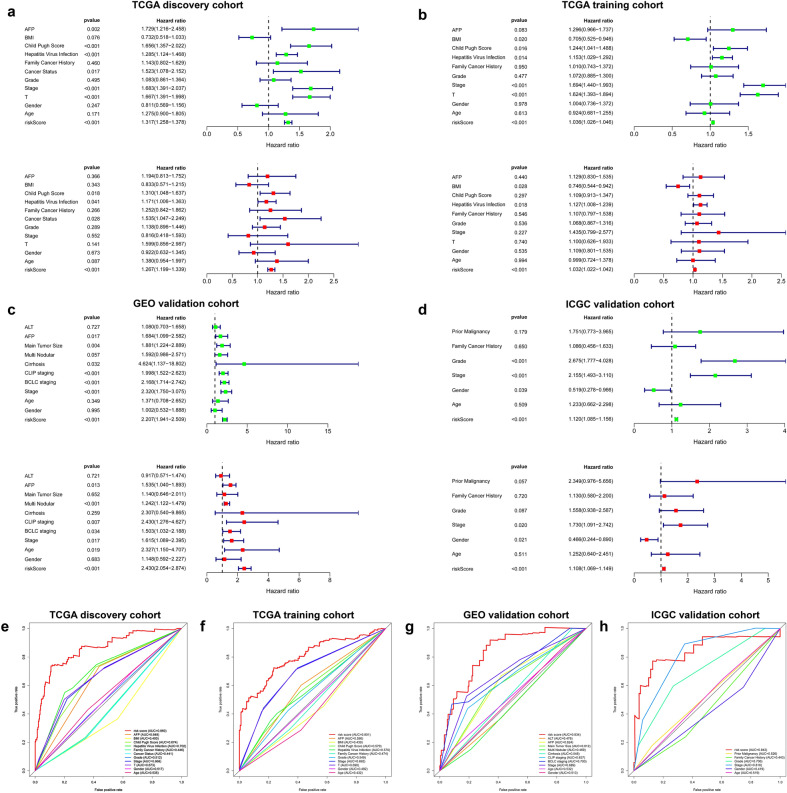
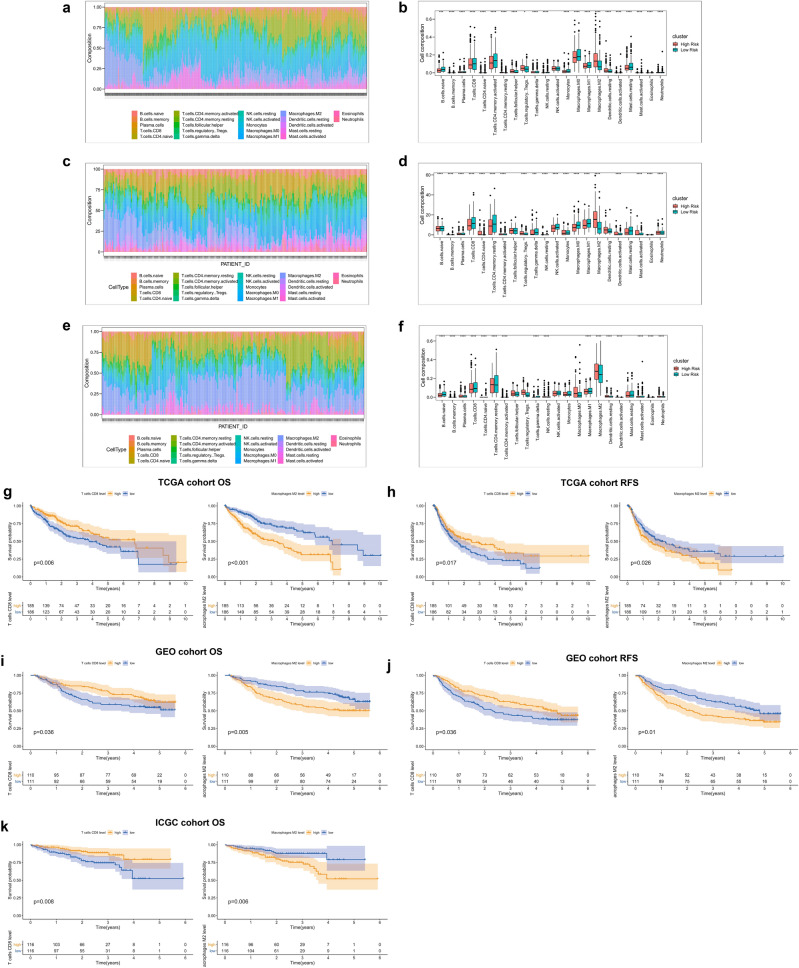
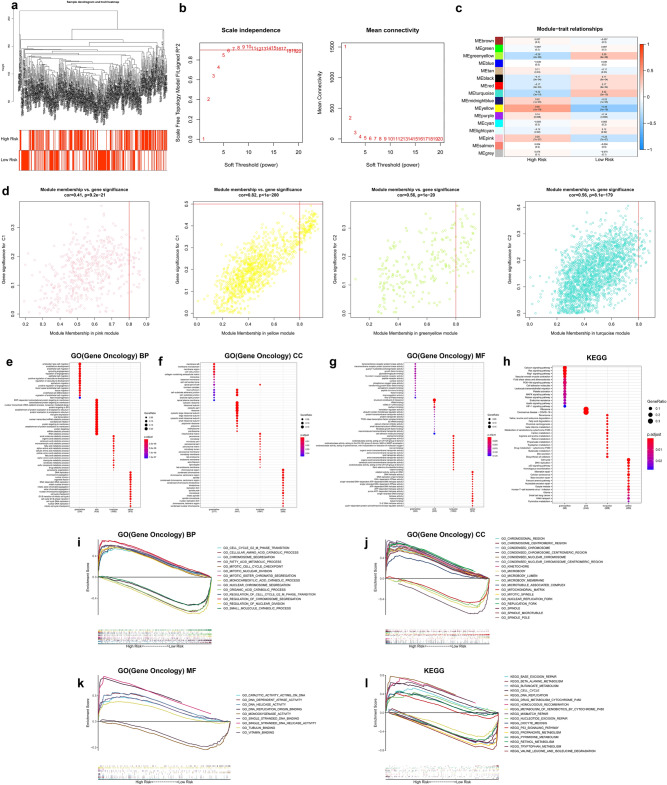
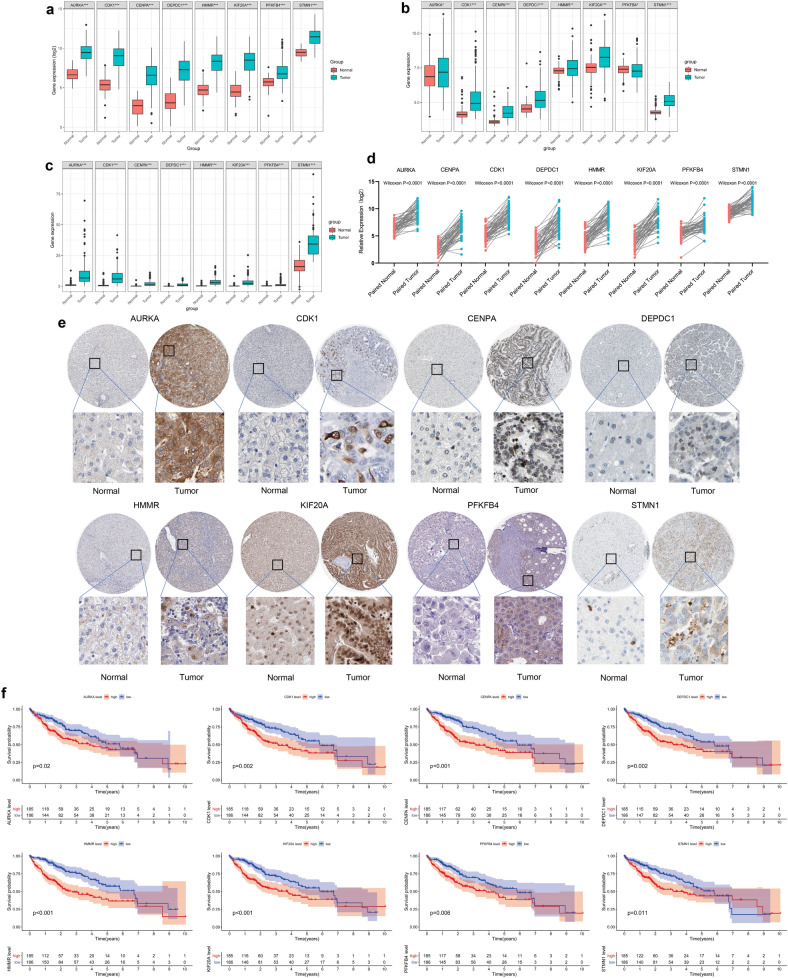
Metabolic pattern reconstruction is an important factor in tumor progression. Metabolism of tumor cells is characterized by abnormal increase in anaerobic glycolysis, regardless of high oxygen concentration, resulting in a significant accumulation of energy from glucose sources. These changes promotes rapid cell proliferation and tumor growth, which is further referenced a process known as the Warburg effect. The current study reconstructed the metabolic pattern in progression of cancer to identify genetic changes specific in cancer cells. A total of 12 common types of solid tumors were included in the current study. Gene set enrichment analysis (GSEA) was performed to analyze 9 glycolysis-related gene sets, which are implicated in the glycolysis process. Univariate and multivariate analyses were used to identify independent prognostic variables for construction of a nomogram based on clinicopathological characteristics and a glycolysis-related gene prognostic index (GRGPI). The prognostic model based on glycolysis genes showed high area under the curve (AUC) in LIHC (Liver hepatocellular carcinoma). The findings of the current study showed that 8 genes (AURKA, CDK1, CENPA, DEPDC1, HMMR, KIF20A, PFKFB4, STMN1) were correlated with overall survival (OS) and recurrence-free survival (RFS). Further analysis showed that the prediction model accurately distinguished between high- and low-risk cancer patients among patients in different clusters in LIHC. A nomogram with a well-fitted calibration curve based on gene expression profiles and clinical characteristics showed good discrimination based on internal and external cohorts. These findings indicate that changes in expression level of metabolic genes implicated in glycolysis can contribute to reconstruction of tumor-related microenvironment.
代谢模式重建是肿瘤进展的一个重要因素。肿瘤细胞的代谢特点是无氧糖酵解异常增加,无论氧浓度如何,都导致葡萄糖来源的能量大量积累。这些变化促进了细胞的快速增殖和肿瘤的生长,这进一步被称为沃伯格效应。本研究重建了癌症进展中的代谢模式,以确定癌细胞中特有的遗传变化。本研究共纳入 12 种常见的实体肿瘤。采用基因集富集分析(GSEA)分析了 9 个与糖酵解相关的基因集,这些基因集与糖酵解过程有关。采用单变量和多变量分析,根据临床病理特征和糖酵解相关基因预后指数(GRGPI)构建列线图,确定独立的预后变量。基于糖酵解基因的预后模型在 LIHC(肝肝细胞癌)中表现出较高的曲线下面积(AUC)。本研究的结果表明,8 个基因(AURKA、CDK1、CENPA、DEPDC1、HMMR、KIF20A、PFKFB4、STMN1)与总生存期(OS)和无复发生存期(RFS)相关。进一步分析表明,该预测模型能够准确区分 LIHC 不同聚类患者中高风险和低风险癌症患者。基于基因表达谱和临床特征的列线图具有良好的校准曲线拟合度,在内部和外部队列中均具有良好的区分度。这些发现表明,与糖酵解相关的代谢基因表达水平的变化可能有助于重建肿瘤相关的微环境。