Lu Xiuqin, Li Chuanyu, Xu Wenhao, Wu Yuanyuan, Wang Jian, Chen Shuxian, Zhang Hailiang, Huang Huadong, Huang Haineng, Liu Wangrui
Department of Nursing and Health Management, Shanghai University of Medicine & Health Sciences, Shanghai, China.
Department of Neurosurgery, Affiliated Hospital of Youjiang Medical University for Nationalities, Guangxi, China.
Front Oncol. 2021 Sep 7;11:676124. doi: 10.3389/fonc.2021.676124. eCollection 2021.
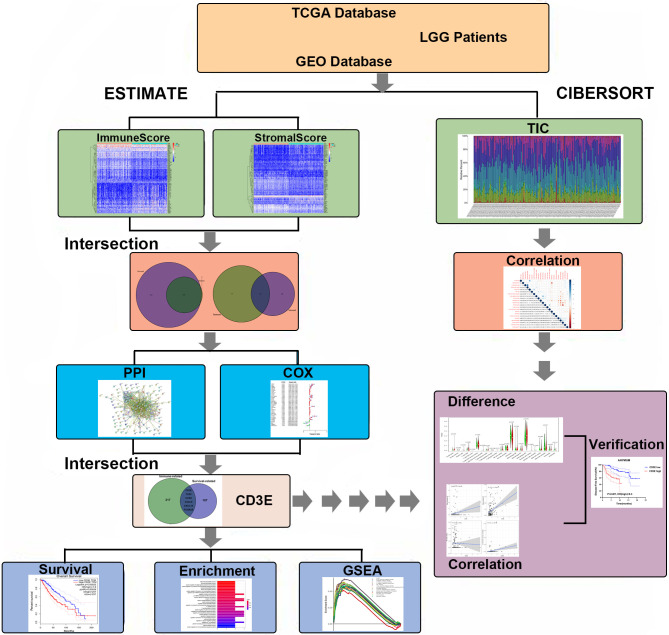
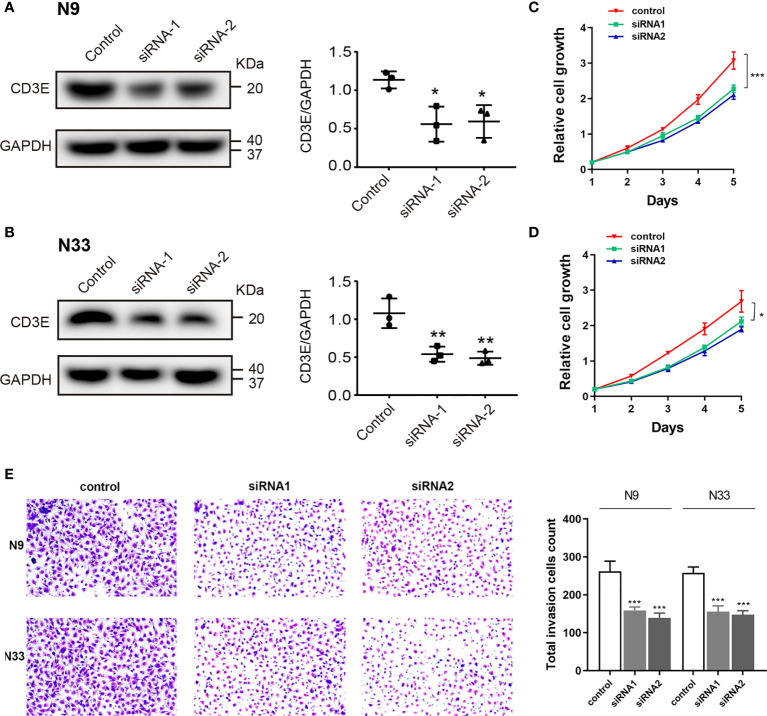
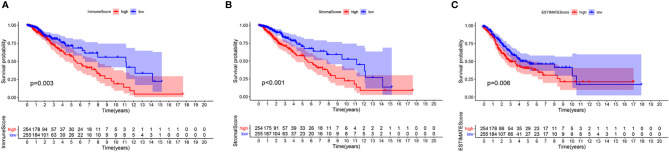
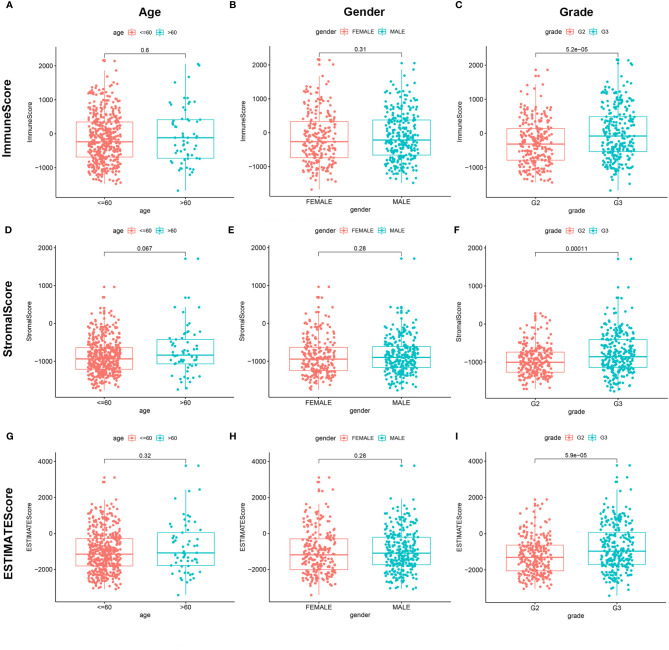
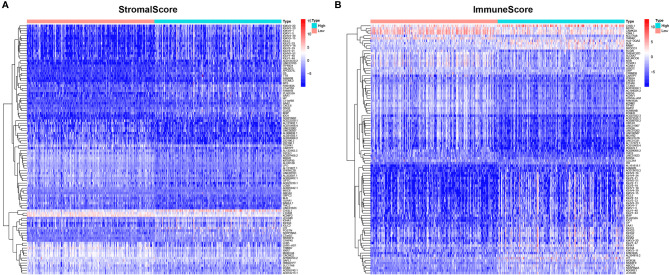
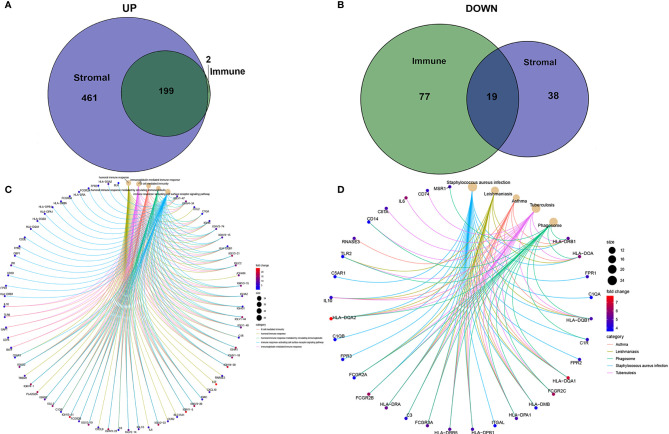
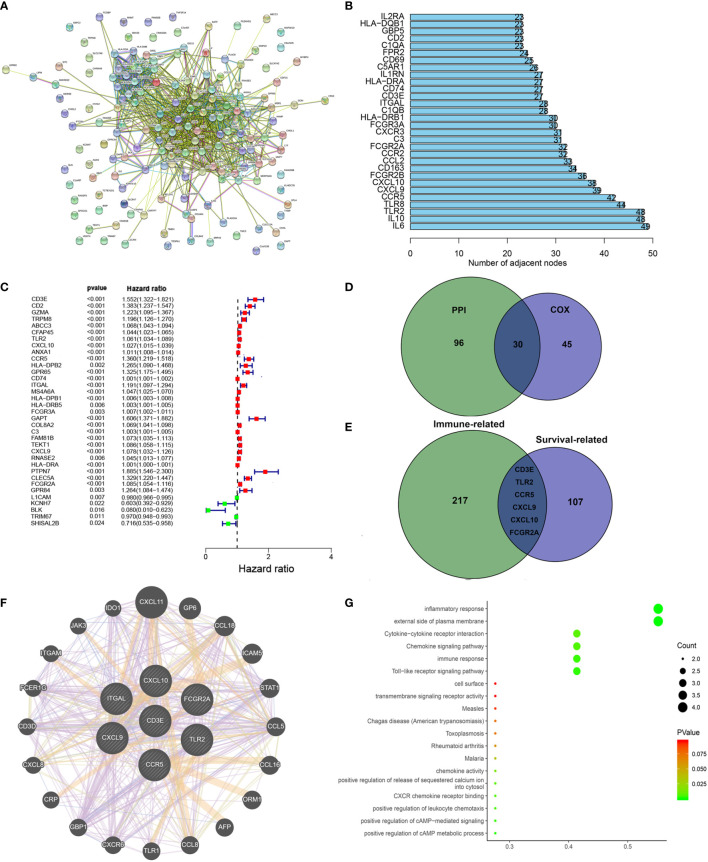
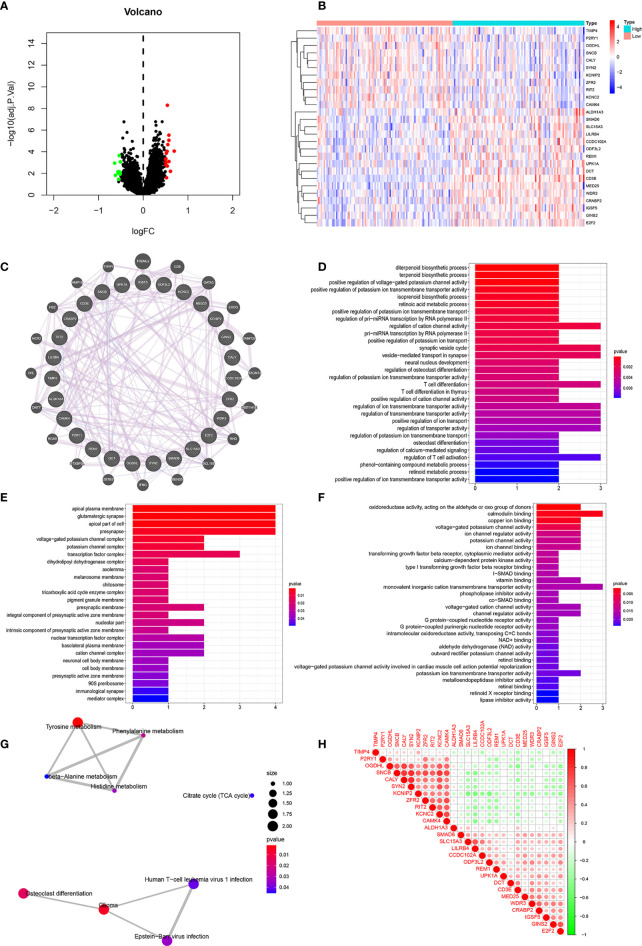
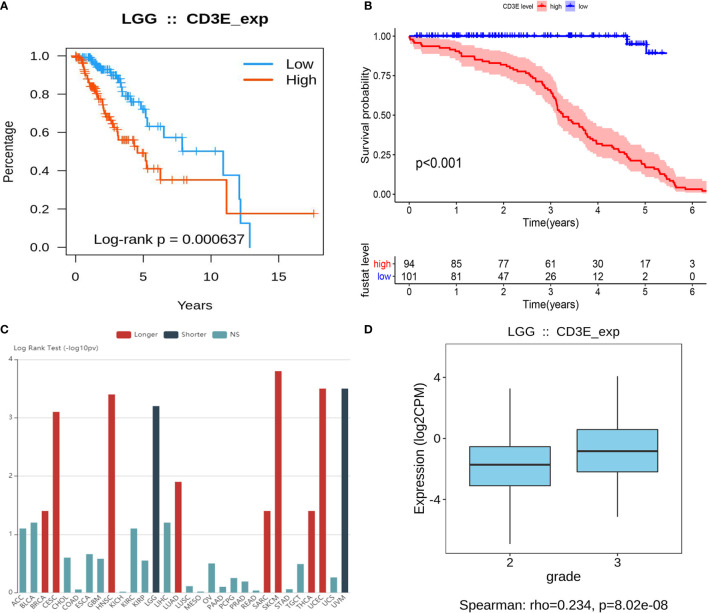
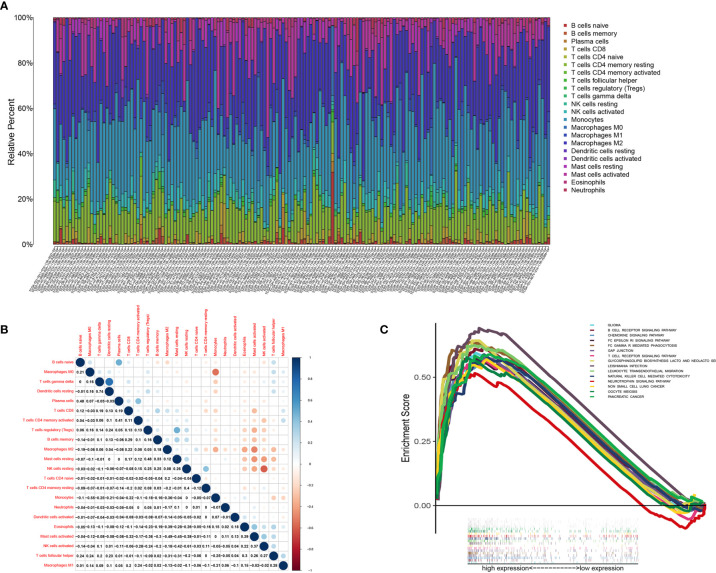
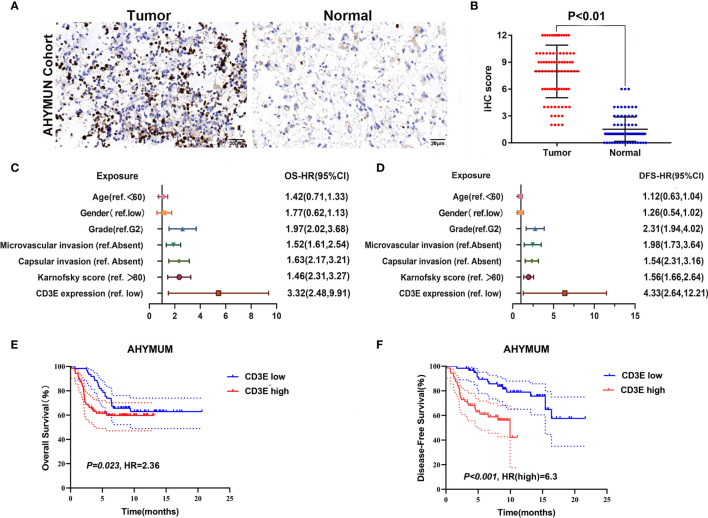
The tumor microenvironment (TME) contributes to the initiation and progression of many neoplasms. However, the impact of low-grade glioma (LGG) purity on carcinogenesis remains to be elucidated. We selected 509 LGG patients with available genomic and clinical information from the TCGA database. The percentage of tumor infiltrating immune cells and the tumor purity of LGG were evaluated using the ESTIMATE and CIBERSORT algorithms. Stromal-related genes were screened through Cox regression, and protein-protein interaction analyses and survival-related genes were selected in 487 LGG patients from GEO database. Hub genes involved in LGG purity were then identified and functionally annotated using bioinformatics analyses. Prognostic implications were validated in 100 patients from an Asian real-world cohort. Elevated tumor purity burden, immune scores, and stromal scores were significantly associated with poor outcomes and increased grade in LGG patients from the TCGA cohort. In addition, was selected with the most significant prognostic value (Hazard Ratio=1.552, <0.001). Differentially expressed genes screened according to expression were mainly involved in stromal related activities. Additionally, significantly increased expression was found in 100 LGG samples from the validation cohort compared with adjacent normal brain tissues. High expression could serve as an independent prognostic indicator for survival of LGG patients and promotes malignant cellular biological behaviors of LGG. In conclusion, tumor purity has a considerable impact on the clinical, genomic, and biological status of LGG. , the gene for novel membrane immune biomarker deeply affecting tumor purity, may help to evaluate the prognosis and develop individual immunotherapy strategies for LGG patients. Evaluating the ratio of differential tumor purity and expression levels may provide novel insights into the complex structure of the LGG microenvironment and targeted drug development.
肿瘤微环境(TME)促成了许多肿瘤的发生和发展。然而,低级别胶质瘤(LGG)纯度对肿瘤发生的影响仍有待阐明。我们从TCGA数据库中选取了509例具有可用基因组和临床信息的LGG患者。使用ESTIMATE和CIBERSORT算法评估肿瘤浸润免疫细胞的百分比和LGG的肿瘤纯度。通过Cox回归筛选基质相关基因,并在来自GEO数据库的487例LGG患者中进行蛋白质-蛋白质相互作用分析和选择生存相关基因。然后使用生物信息学分析鉴定参与LGG纯度的枢纽基因并进行功能注释。在来自亚洲真实世界队列的100例患者中验证了预后意义。在TCGA队列的LGG患者中,升高的肿瘤纯度负担、免疫评分和基质评分与不良预后和分级增加显著相关。此外,选择了具有最显著预后价值的(风险比=1.552,<0.001)。根据表达筛选出的差异表达基因主要参与基质相关活动。此外,与相邻正常脑组织相比,在验证队列的100例LGG样本中发现表达显著增加。高表达可作为LGG患者生存的独立预后指标,并促进LGG的恶性细胞生物学行为。总之,肿瘤纯度对LGG的临床、基因组和生物学状态有相当大的影响。,作为深度影响肿瘤纯度的新型膜免疫生物标志物的基因,可能有助于评估LGG患者的预后并制定个体化免疫治疗策略。评估差异肿瘤纯度与表达水平的比率可能为LGG微环境的复杂结构和靶向药物开发提供新的见解。