Lefrère Hanne, Floris Giuseppe, Schmidt Marjanka K, Neven Patrick, Warner Ellen, Cardonick Elyce, Peccatori Fedro Alessandro, Loibl Sibylle, Maggen Charlotte, De Mulder Hanne, Jerzak Katarzyna J, Lambrechts Diether, Lenaerts Liesbeth, Amant Frédéric
Department of Oncology, Laboratory of Gynecological Oncology, KU Leuven, Leuven, Belgium.
Department of Gynecology, The Netherlands Cancer Institute-Antoni van Leeuwenhoek Hospital, Amsterdam, the Netherlands.
Data Brief. 2021 Sep 10;38:107354. doi: 10.1016/j.dib.2021.107354. eCollection 2021 Oct.
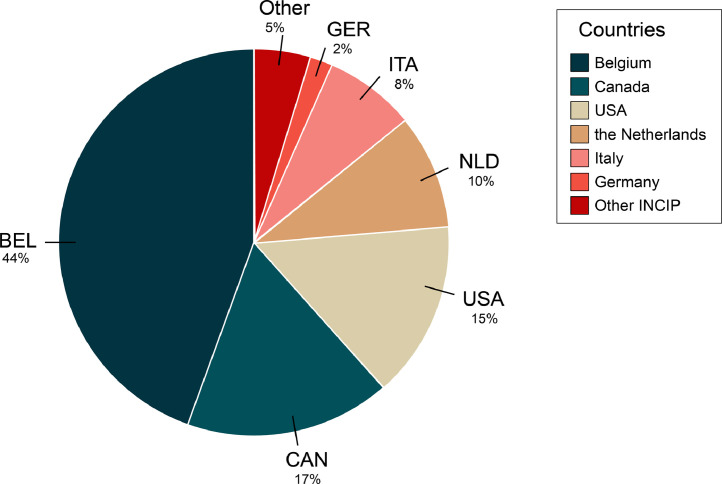
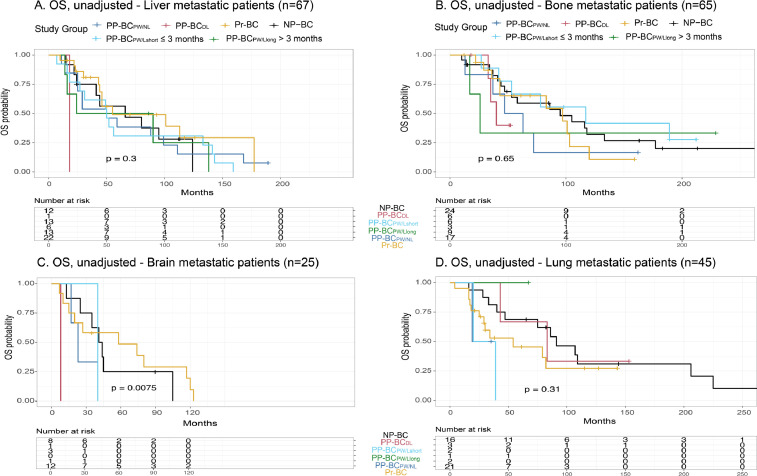
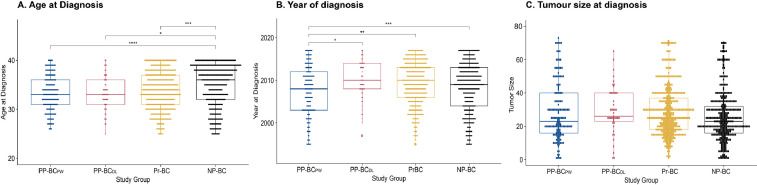
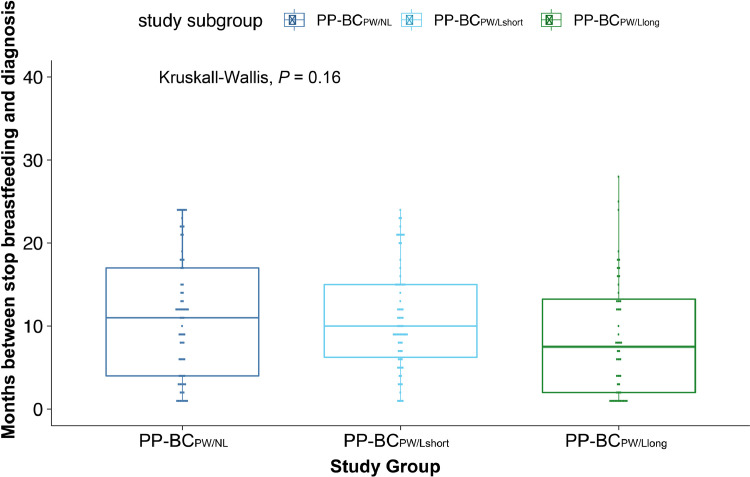
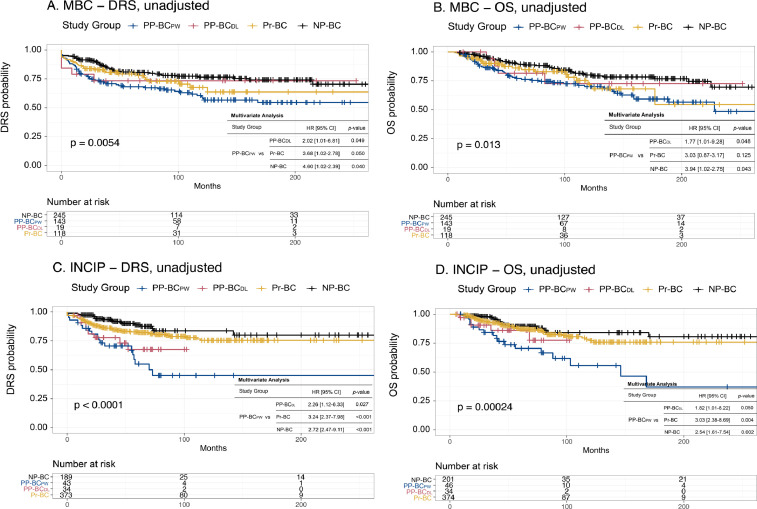
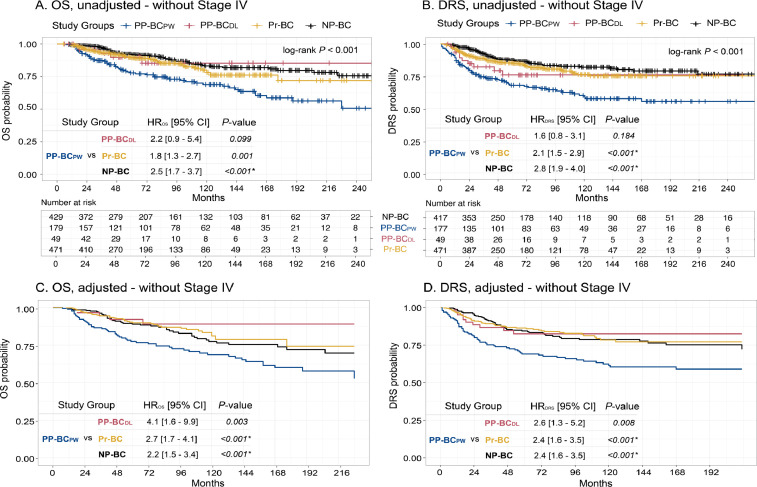
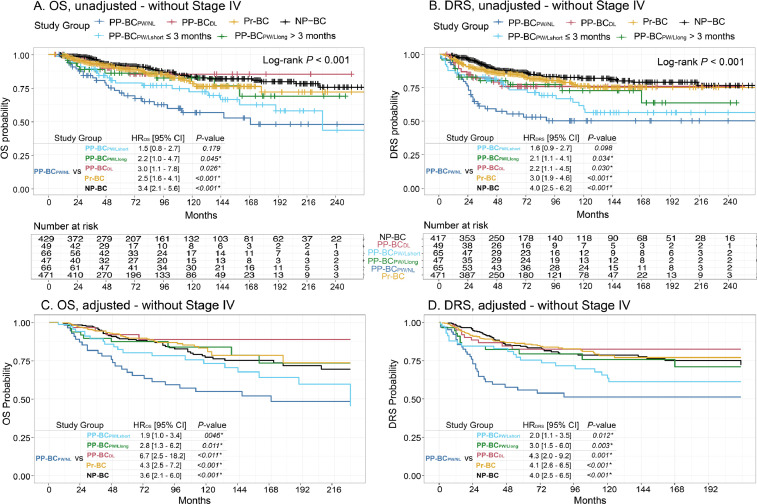
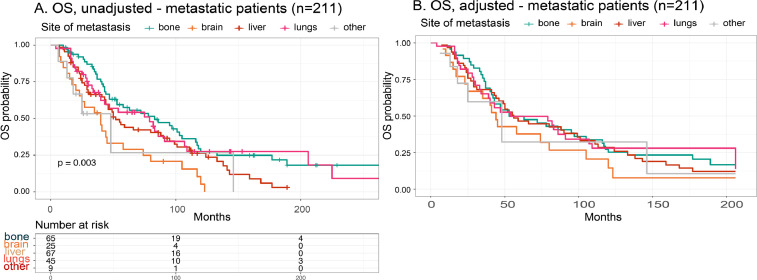
Postpartum breast cancer (PPBC) - which according to new data, can extend to 5-10 years after the birth - are estimated to represent 35-55% of all cases of breast cancer in women younger than 45 years. Increasing clinical evidence indicates that PPBC represents a high-risk form of breast cancer in young women with an approximately 2-fold increased risk for metastasis and death. Yet, the exact mechanisms that underlay this poor prognosis are incompletely understood and, hence, it is unknown why postpartum breast cancer has an enhanced risk for metastasis or how it should be effectively targeted for improved survival. This article is an accompanying resource of the original article entitled "Breast cancer diagnosed in the post-weaning period is indicative for a poor outcome" and present epidemiological data that compare standard prognostic parameters, first site of metastatic disease and survival and metastatic rates in young women with primary invasive breast cancer diagnosed within two years postpartum (PP-BC), in young women diagnosed during pregnancy (Pr-BC) and nulliparous women (NP-BC). Via an international collaboration of 13 centres participating in the International Network on Cancer, Infertility and Pregnancy (INCIP), retrospective data of 1180 patients with primary invasive breast cancer, aged 25-40 years and diagnosed between January 1995 and December 2017 were collected. In particular, tumour-, patient, and therapy-related characteristics were collected. Furthermore, patient files were reviewed thoroughly to assess, for each parity, if and for how long breastfeeding was given. For PP-BC patients, breastfeeding history was used to differentiate breast cancers identified during lactation (PP-BC) from those diagnosed post-weaning (PP-BC). Primary exposures were prior childbirth or no childbirth, time between most recent childbirth and breast cancer diagnosis, time between cessation of lactation and breast cancer diagnosis and time between breast cancer diagnosis and metastasis or death. Distribution of standard prognostic parameters and first site of distant metastasis among study groups was determined applying fisher's exact, chi-squared, One-Way ANOVA or Kruskal-Wallis tests or logistic regression models, where applicable. The risks for metastasis and death were assessed using Cox proportional hazards models. A subgroup analysis was performed in PP-BC patients that never lactated (PP-BC), lactated ≤3 months (PP-BC) or lactated >3 months (PP-BC).
产后乳腺癌(PPBC)——根据新数据,其发病时间可延长至产后5至10年——估计占45岁以下女性乳腺癌病例的35%至55%。越来越多的临床证据表明,PPBC是年轻女性乳腺癌的一种高危形式,转移和死亡风险增加约两倍。然而,导致这种不良预后的确切机制尚未完全明确,因此,产后乳腺癌转移风险增加的原因以及如何有效针对其改善生存率尚不清楚。本文是题为“断奶期诊断出的乳腺癌提示预后不良”的原文的配套资料,呈现了流行病学数据,比较了产后两年内诊断为原发性浸润性乳腺癌的年轻女性(PP-BC)、孕期诊断的年轻女性(Pr-BC)和未生育女性(NP-BC)的标准预后参数、远处转移的首发部位、生存率和转移率。通过13个中心参与国际癌症、不孕与妊娠网络(INCIP)的国际合作,收集了1995年1月至2017年12月期间诊断的1180例年龄在25至40岁之间的原发性浸润性乳腺癌患者的回顾性数据。特别收集了肿瘤、患者和治疗相关特征。此外,对患者档案进行了全面审查,以评估每种生育状态下是否进行了母乳喂养以及母乳喂养的时长。对于PP-BC患者,母乳喂养史用于区分哺乳期确诊的乳腺癌(PP-BC)和断奶后确诊的乳腺癌(PP-BC)。主要暴露因素为既往分娩或未分娩、最近一次分娩与乳腺癌诊断之间的时间、停止哺乳与乳腺癌诊断之间的时间以及乳腺癌诊断与转移或死亡之间的时间。在适用的情况下,应用Fisher精确检验、卡方检验、单因素方差分析或Kruskal-Wallis检验或逻辑回归模型确定研究组之间标准预后参数的分布和远处转移的首发部位。使用Cox比例风险模型评估转移和死亡风险。对从未哺乳的PP-BC患者(PP-BC)、哺乳≤3个月的患者(PP-BC)或哺乳>3个月的患者(PP-BC)进行了亚组分析。