Liu Xiaoguang, Balaraman Kaluvu, Lynch Ciarán C, Hebron Michaeline, Wolf Christian, Moussa Charbel
Department of Neurology, Translational Neurotherapeutics Program, Laboratory for Dementia and Parkinsonism, Lewy Body Dementia Association, Research Center of Excellence, Georgetown University Medical Center, 4000 Reservoir Rd. NW, Building D, Room 203-C, Washington, DC 20007-2145, USA.
Department of Chemistry, Georgetown University & Medicinal Chemistry Shared Resource, Georgetown University Medical Center, Washington, DC 20057, USA.
Metabolites. 2021 Sep 15;11(9):622. doi: 10.3390/metabo11090622.
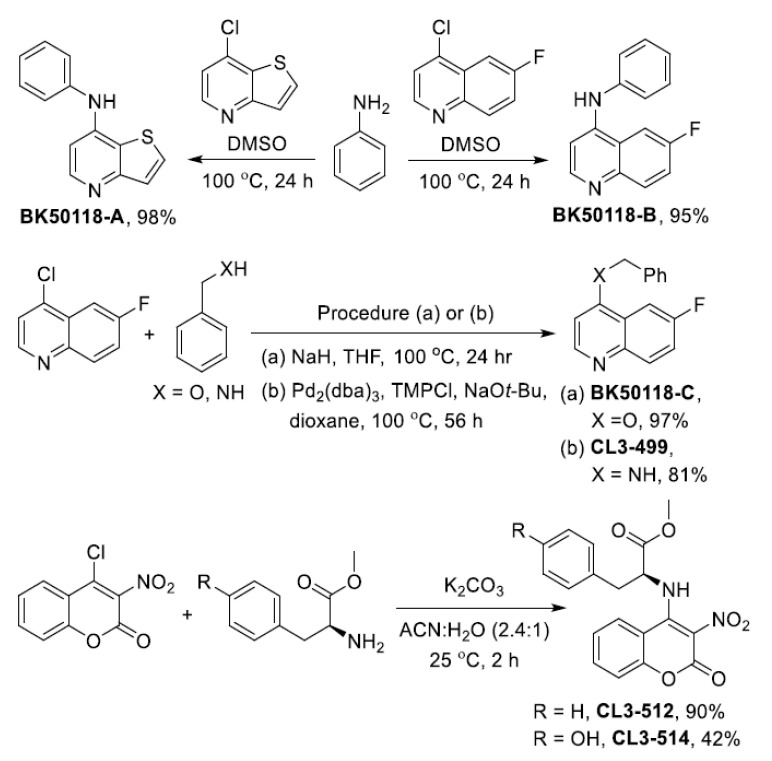
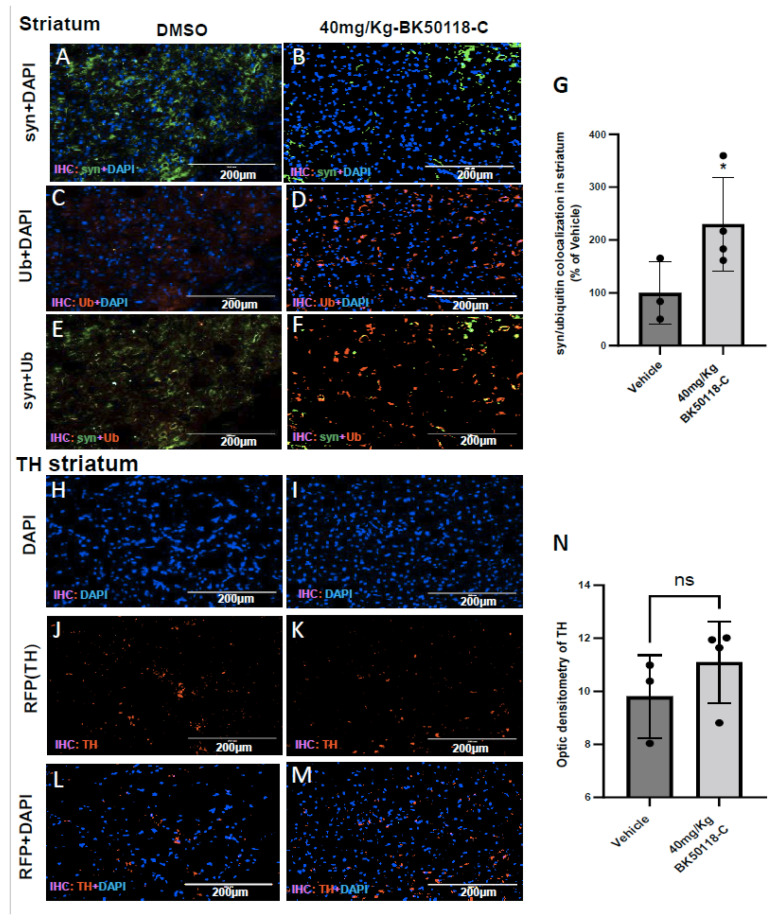
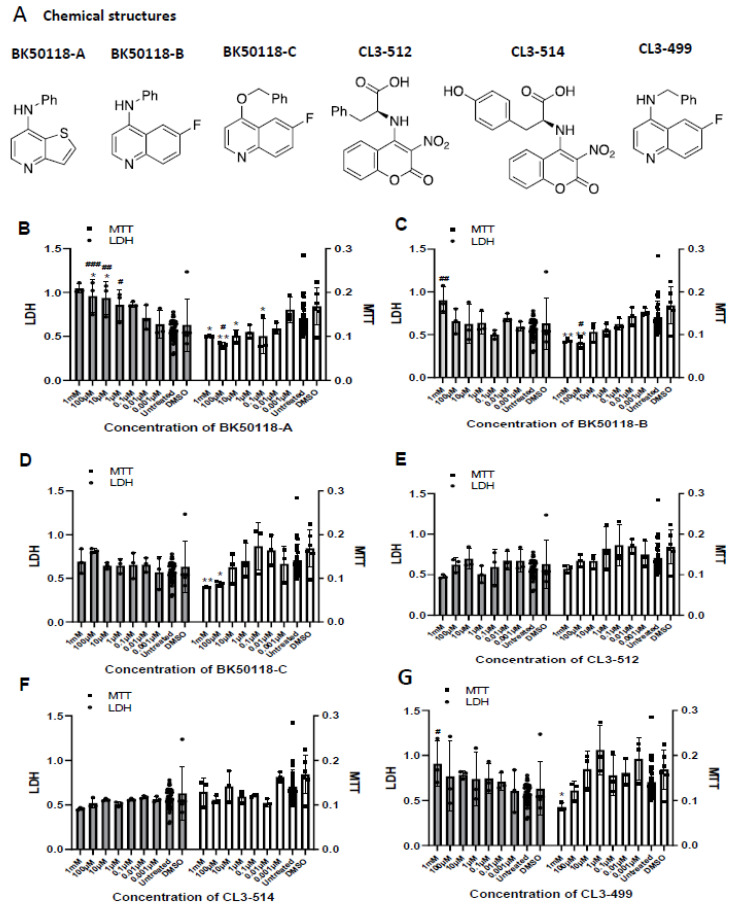
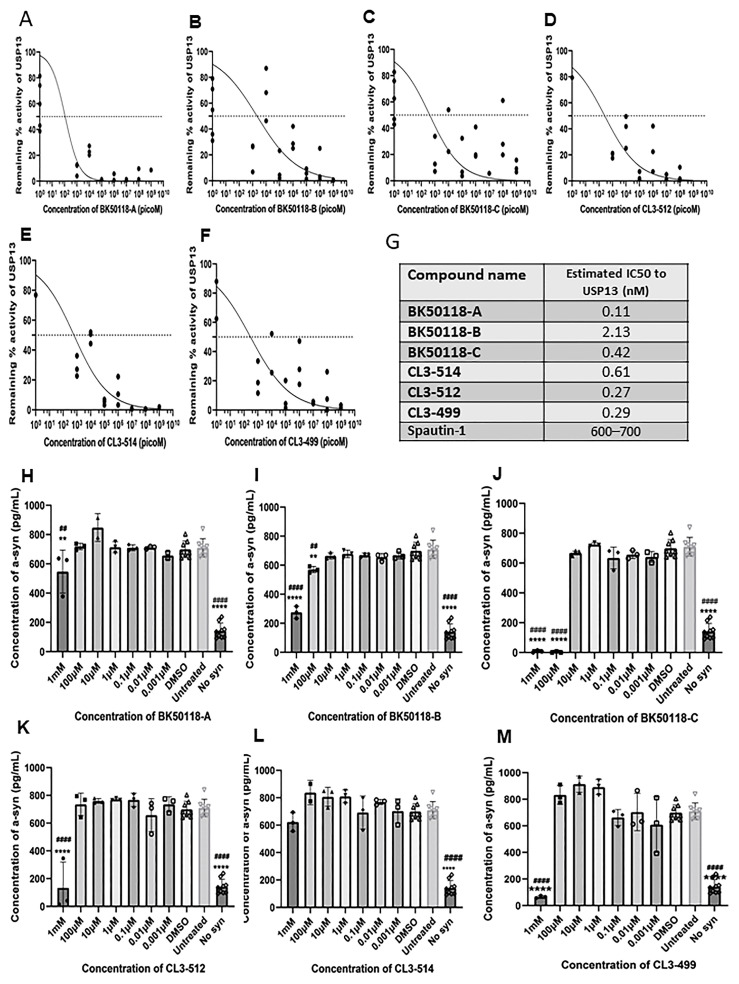
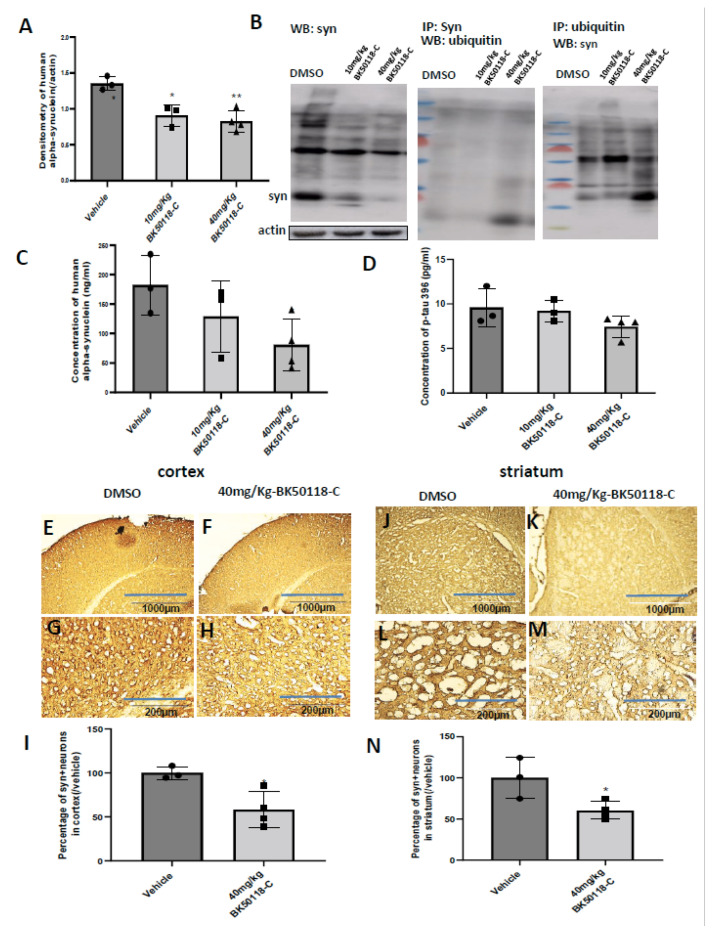
Ubiquitin Specific Protease-13 (USP13) promotes protein de-ubiquitination and is poorly understood in neurodegeneration. USP13 is upregulated in Alzheimer's disease (AD) and Parkinson's disease (PD), and USP13 knockdown via shRNA reduces neurotoxic proteins and increases proteasome activity in models of neurodegeneration. We synthesized novel analogues of spautin-1 which is a non-specific USP13 inhibitor but unable to penetrate the brain. Our synthesized small molecule compounds are able to enter the brain, more potently inhibit USP13, and significantly reduce alpha-synuclein levels in vivo and in vitro. USP13 inhibition in transgenic mutant alpha-synuclein (A53T) mice increased the ubiquitination of alpha-synuclein and reduced its protein levels. The data suggest that novel USP13 inhibitors improve neurodegenerative pathology via antagonism of de-ubiquitination, thus alleviating neurotoxic protein burden in neurodegenerative diseases.
泛素特异性蛋白酶13(USP13)促进蛋白质去泛素化,而在神经退行性变方面人们对其了解甚少。USP13在阿尔茨海默病(AD)和帕金森病(PD)中上调,并且在神经退行性变模型中,通过短发夹RNA(shRNA)敲低USP13可减少神经毒性蛋白并增加蛋白酶体活性。我们合成了spautin-1的新型类似物,spautin-1是一种非特异性USP13抑制剂,但无法穿透血脑屏障。我们合成的小分子化合物能够进入大脑,更有效地抑制USP13,并在体内和体外显著降低α-突触核蛋白水平。在转基因突变型α-突触核蛋白(A53T)小鼠中抑制USP13可增加α-突触核蛋白的泛素化并降低其蛋白水平。数据表明,新型USP13抑制剂通过拮抗去泛素化改善神经退行性病理,从而减轻神经退行性疾病中的神经毒性蛋白负担。