Department of Emergency Medicine, Tri-Service General Hospital, National Defense Medical Center, Taipei 114, Taiwan.
Institute of Toxicology, College of Medicine, National Taiwan University, Taipei 100, Taiwan.
Toxins (Basel). 2021 Sep 2;13(9):619. doi: 10.3390/toxins13090619.
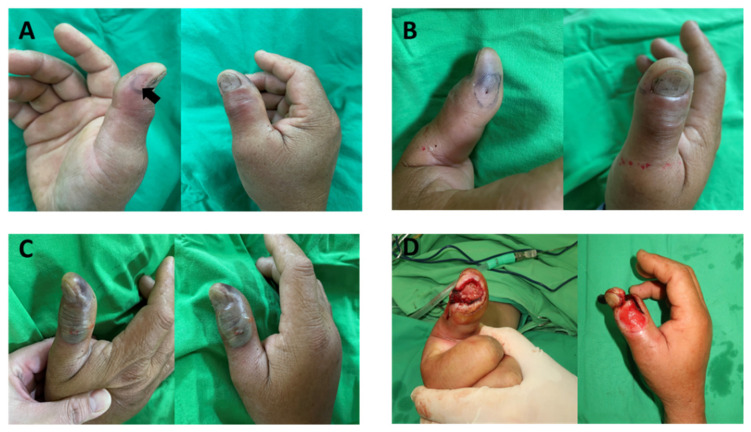
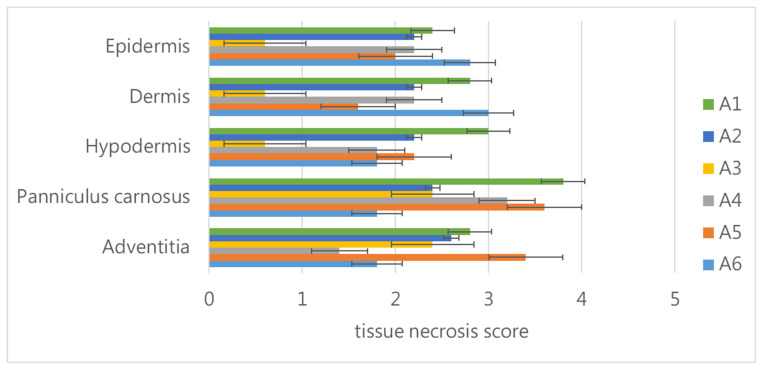
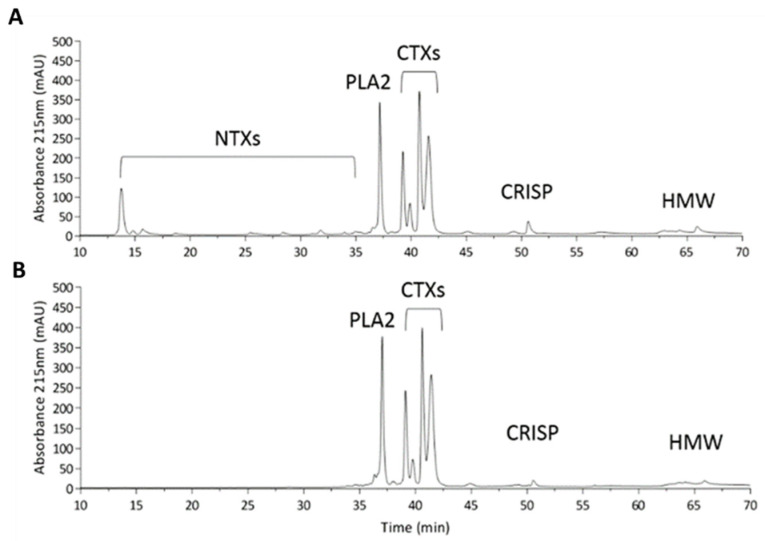
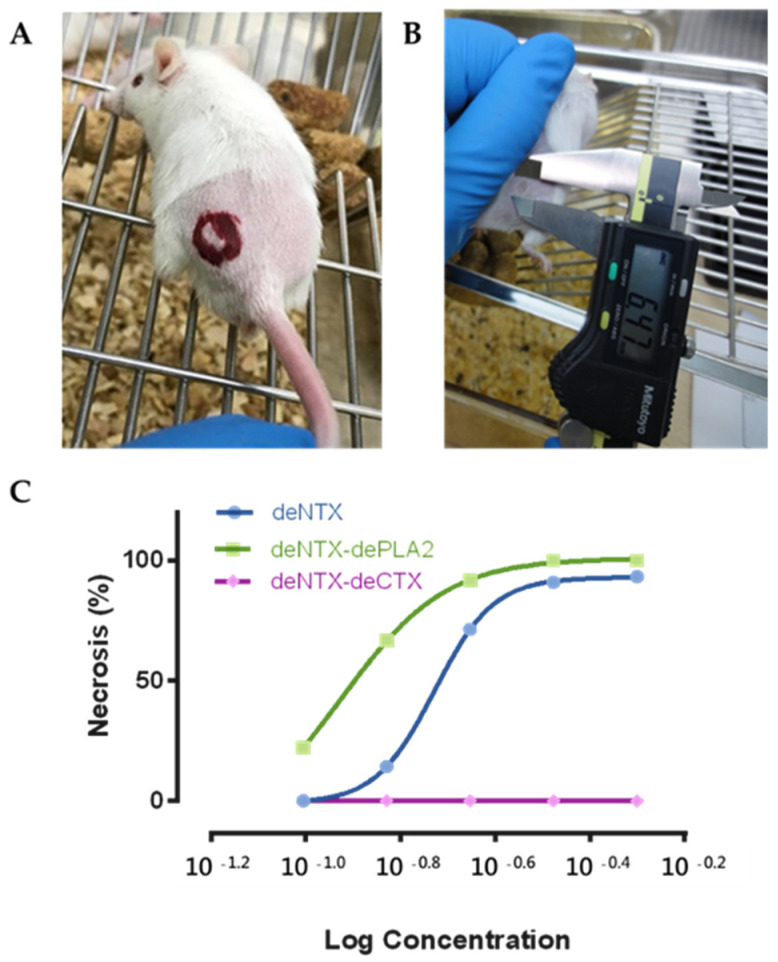
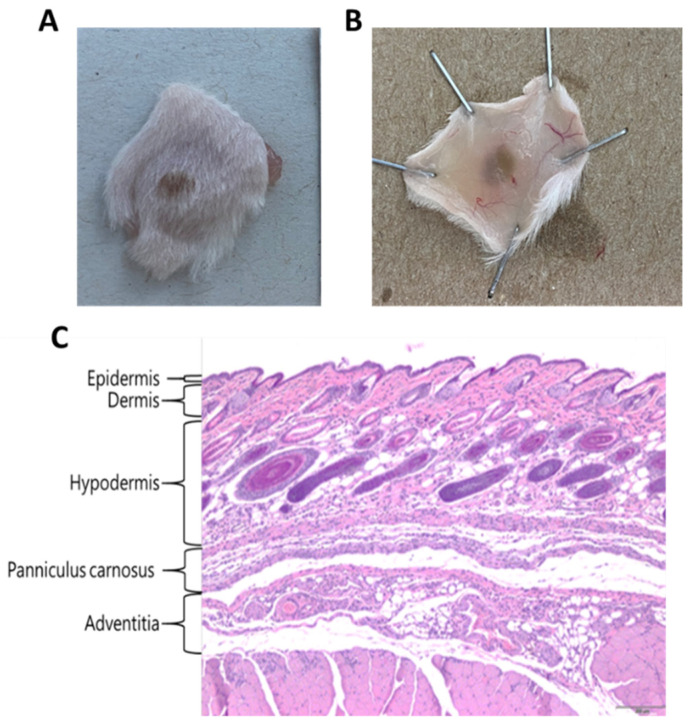
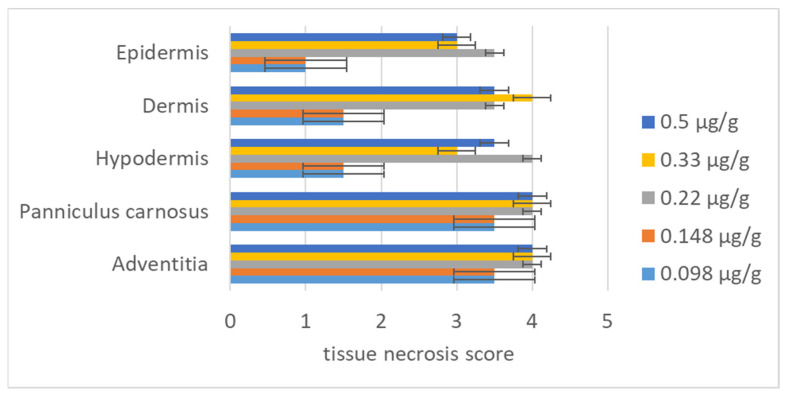
Patients bitten by who are treated with bivalent freeze-dried neurotoxic antivenom in Taiwan have an improved survival rate but develop necrotic wound changes. The World Health Organization (WHO) has suggested using the minimum necrotizing dose (MND) of venom as a method of evaluating the neutralization effect of antivenom. The aim of this study was to evaluate the effectiveness of antivenom for the prevention of necrosis based on the MND and clarify which component of the venom of induces necrosis. The neurotoxins (NTXs) were removed from the crude venom (deNTXs), and different concentrations of deNTXs were injected intradermally into the dorsal skin of mice. After three days, the necrotic lesion diameter was found to be approximately 5 mm, and the MND was calculated. A reduction in the necrotic diameter of 50% was used to identify the MND. Furthermore, both phospholipase A (PLA) and cytotoxins (CTXs) were separately removed from the deNTXs to identify the major necrosis-inducing factor, and the necrotic lesions were scored. All mice injected with deNTXs survived for three days and developed necrotic wounds. The MND of the deNTXs for mice was 0.494 ± 0.029 µg/g, that of the deNTXs-dePLA (major component retained: CTXs) was 0.294 ± 0.05 µg/g, and that of the deNTX-deCTX (major component retained: PLA) venom was greater than 1.25 µg/g. These values show that CTX is the major factor inducing necrosis. These results suggest that the use of the deNTXs is necessary to enable the mice to survive long enough to develop venom-induced cytolytic effects. CTXs play a major role in -related necrosis. However, the MND could not be identified in this study, which meant that the antivenom did not neutralize venom-induced necrosis.
在台湾,被 咬伤的患者接受二价冻干神经毒素抗蛇毒血清治疗后,生存率有所提高,但会出现坏死性伤口变化。世界卫生组织(WHO)建议使用最小致死剂量(MND)毒液作为评估抗蛇毒血清中和效果的方法。本研究旨在评估基于 MND 的抗蛇毒血清预防坏死的效果,并阐明 毒液中导致坏死的成分。从粗毒液(deNTXs)中去除神经毒素(NTXs),并将不同浓度的 deNTXs 皮内注射到小鼠背部皮肤。三天后,发现坏死病变直径约为 5mm,并计算 MND。坏死直径减少 50%用于确定 MND。此外,分别从 deNTXs 中去除磷脂酶 A(PLA)和细胞毒素(CTXs),以鉴定主要的坏死诱导因子,并对坏死病变进行评分。所有注射 deNTXs 的小鼠均存活三天并出现坏死性伤口。deNTXs 对小鼠的 MND 为 0.494±0.029μg/g,deNTXs-dePLA(主要保留成分:CTXs)的 MND 为 0.294±0.05μg/g,deNTX-deCTX(主要保留成分:PLA)毒液大于 1.25μg/g。这些值表明 CTX 是诱导坏死的主要因素。这些结果表明,使用 deNTXs 是必要的,以使小鼠有足够的时间存活下来,以产生毒液诱导的细胞溶解作用。CTXs 在 相关的坏死中起主要作用。然而,在本研究中无法确定 MND,这意味着抗蛇毒血清不能中和毒液诱导的坏死。