Bovilla Venugopal R, Kuruburu Mahadevaswamy G, Bettada Vidya G, Krishnamurthy Jayashree, Sukocheva Olga A, Thimmulappa Rajesh K, Shivananju Nanjunda Swamy, Balakrishna Janardhan P, Madhunapantula SubbaRao V
Department of Biochemistry (DST-FIST Supported Department), JSS Medical College, JSS Academy of Higher Education & Research, Mysore 570015, Karnataka, India.
Center of Excellence in Molecular Biology and Regenerative Medicine (CEMR) Laboratory (DST-FIST Supported Center), JSS Medical College, JSS Academy of Higher Education & Research, Mysore 570015, Karnataka, India.
Biomedicines. 2021 Aug 30;9(9):1119. doi: 10.3390/biomedicines9091119.
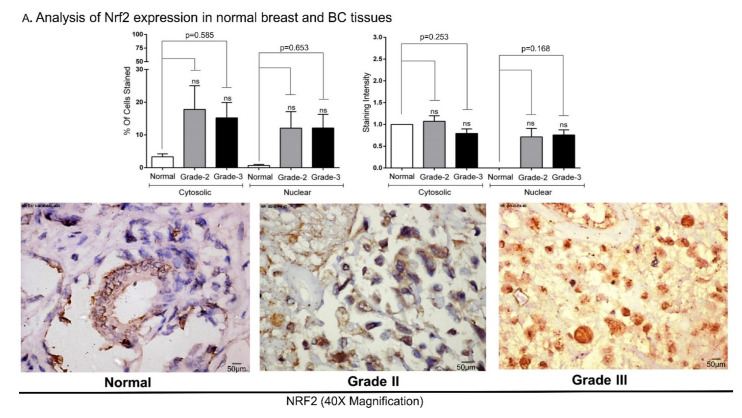
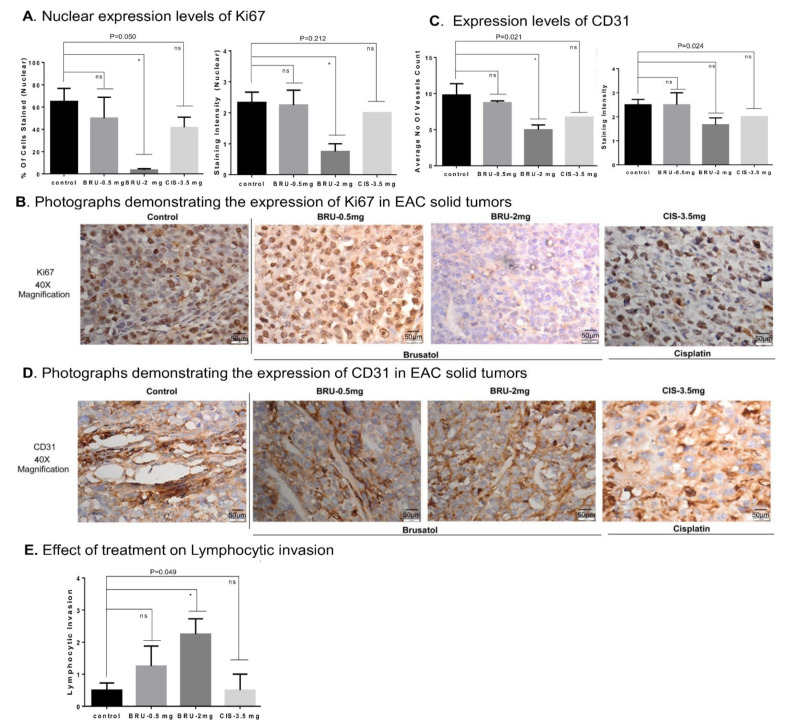
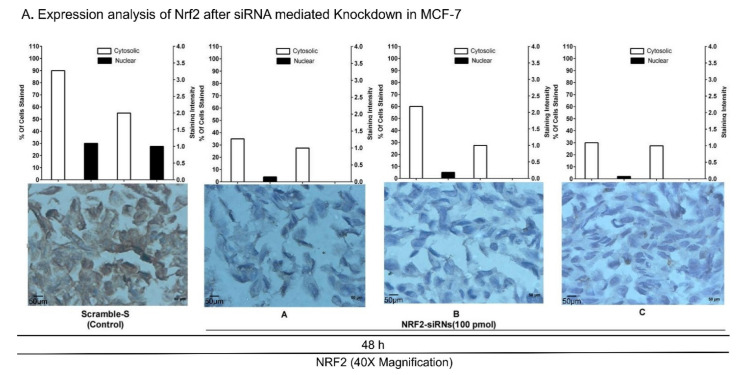
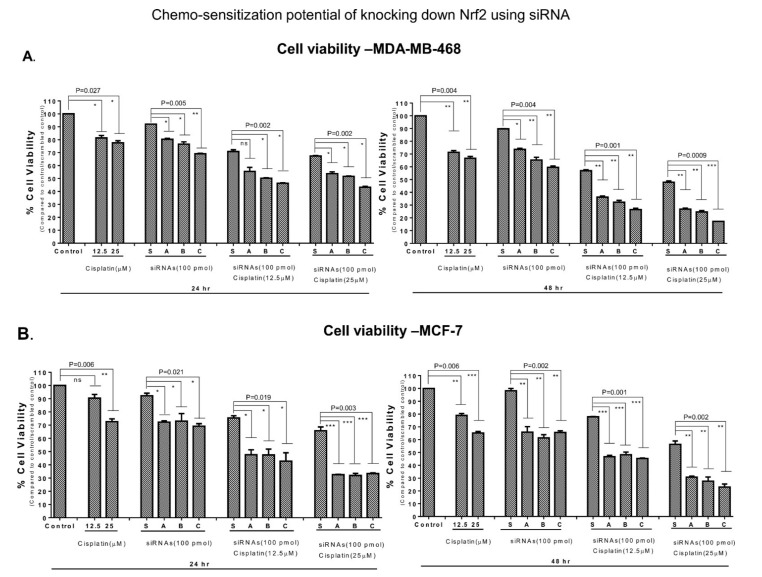
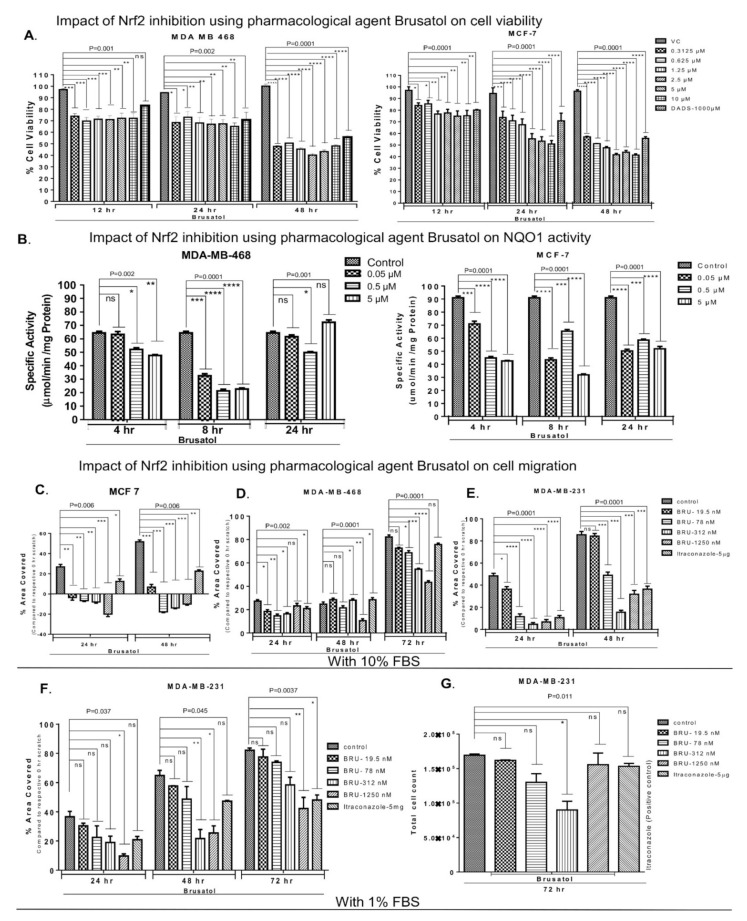
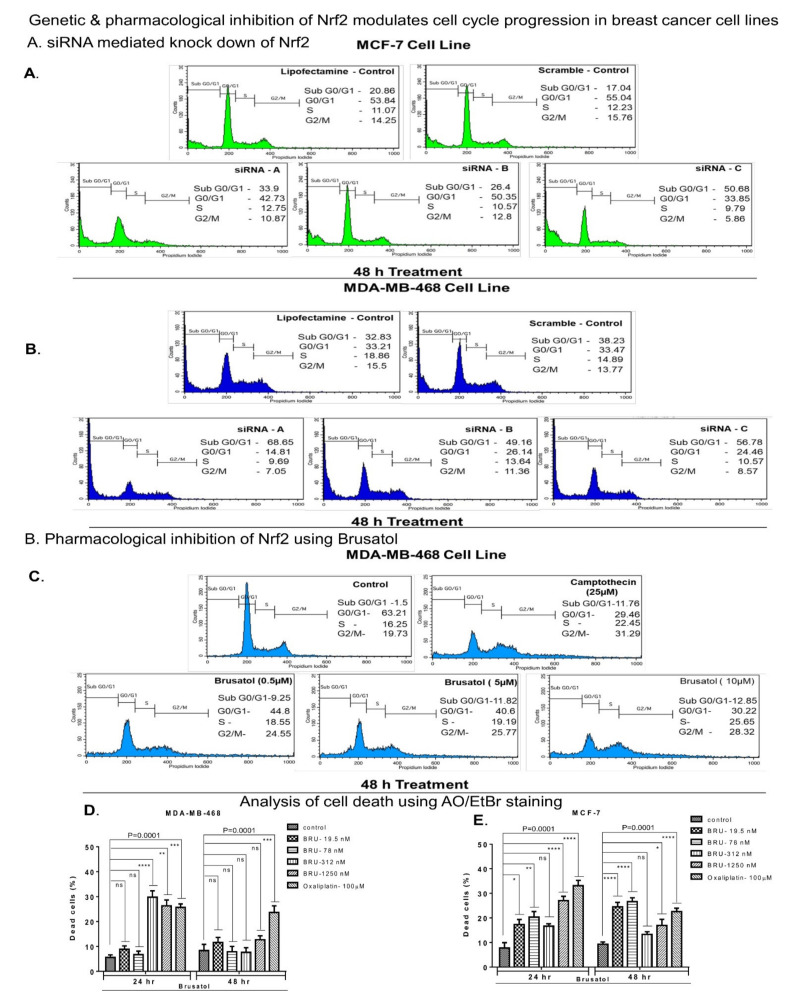
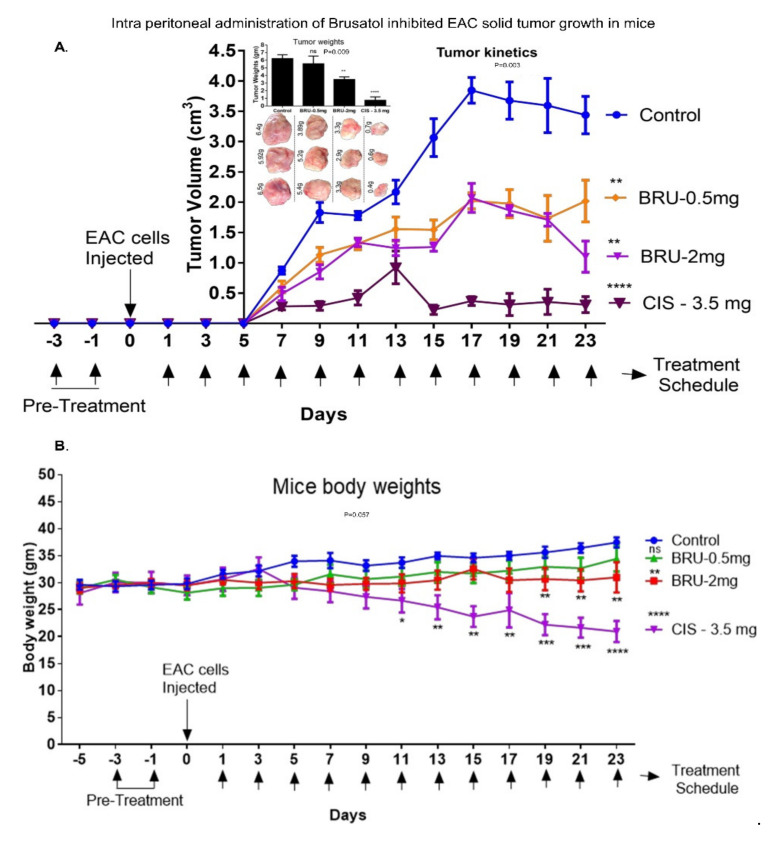
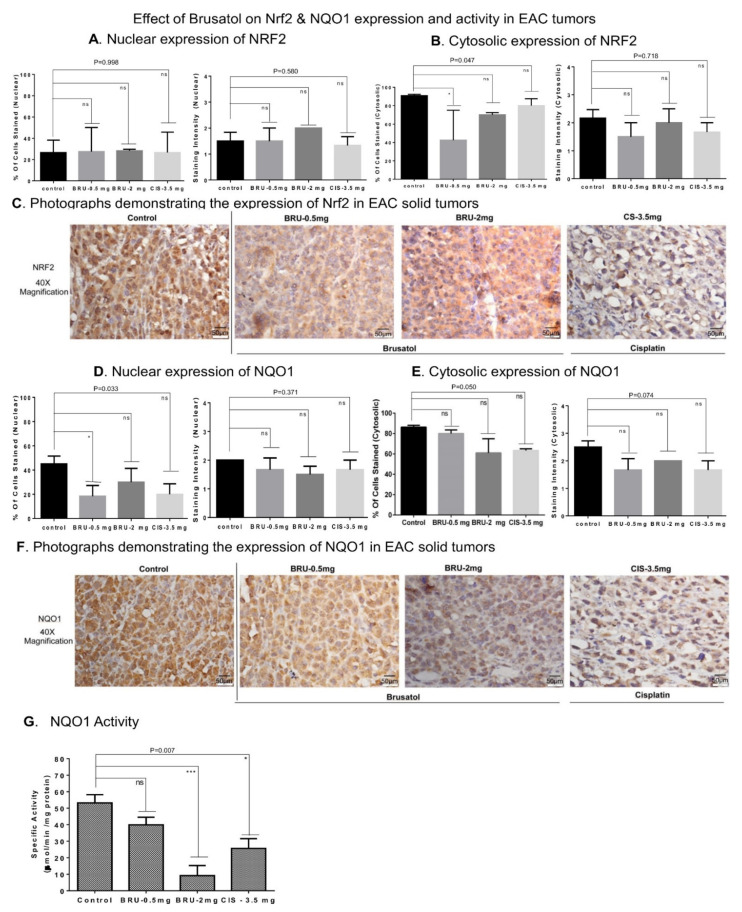
Nuclear factor erythroid-2 related factor-2 (Nrf2) is an oxidative stress-response transcriptional activator that promotes carcinogenesis through metabolic reprogramming, tumor promoting inflammation, and therapeutic resistance. However, the extension of Nrf2 expression and its involvement in regulation of breast cancer (BC) responses to chemotherapy remain largely unclear. This study determined the expression of Nrf2 in BC tissues (n = 46) and cell lines (MDA-MB-453, MCF-7, MDA-MB-231, MDA-MB-468) with diverse phenotypes. Immunohistochemical (IHC)analysis indicated lower Nrf2 expression in normal breast tissues, compared to BC samples, although the difference was not found to be significant. However, pharmacological inhibition and siRNA-induced downregulation of Nrf2 were marked by decreased activity of NADPH quinone oxidoreductase 1 (NQO1), a direct target of Nrf2. Silenced or inhibited Nrf2 signaling resulted in reduced BC proliferation and migration, cell cycle arrest, activation of apoptosis, and sensitization of BC cells to cisplatin in vitro. Ehrlich Ascites Carcinoma (EAC) cells demonstrated elevated levels of Nrf2 and were further tested in experimental mouse models in vivo. Intraperitoneal administration of pharmacological Nrf2 inhibitor brusatol slowed tumor cell growth. Brusatol increased lymphocyte trafficking towards engrafted tumor tissue in vivo, suggesting activation of anti-cancer effects in tumor microenvironment. Further large-scale BC testing is needed to confirm Nrf2 marker and therapeutic capacities for chemo sensitization in drug resistant and advanced tumors.
核因子红细胞2相关因子2(Nrf2)是一种氧化应激反应转录激活因子,可通过代谢重编程、促肿瘤炎症和治疗抗性促进肿瘤发生。然而,Nrf2表达的扩展及其在乳腺癌(BC)化疗反应调节中的作用仍不清楚。本研究测定了具有不同表型的BC组织(n = 46)和细胞系(MDA-MB-453、MCF-7、MDA-MB-231、MDA-MB-468)中Nrf2的表达。免疫组织化学(IHC)分析表明,与BC样本相比,正常乳腺组织中Nrf2表达较低,尽管差异不显著。然而,Nrf2的药理学抑制和siRNA诱导的下调表现为Nrf2的直接靶点NADPH醌氧化还原酶1(NQO1)活性降低。沉默或抑制Nrf2信号导致BC增殖和迁移减少、细胞周期停滞、凋亡激活以及BC细胞在体外对顺铂敏感。艾氏腹水癌(EAC)细胞显示Nrf2水平升高,并在体内实验小鼠模型中进一步测试。腹腔注射药理学Nrf2抑制剂布罗索尤单抗可减缓肿瘤细胞生长。布罗索尤单抗在体内增加淋巴细胞向移植肿瘤组织的迁移,提示在肿瘤微环境中激活抗癌作用。需要进一步大规模的BC检测来确认Nrf2在耐药和晚期肿瘤化疗增敏中的标志物和治疗能力。