Rusu Ligia, Paun Elvira, Marin Mihnea Ion, Hemanth Jude, Rusu Mihai Robert, Calina Mirela Lucia, Bacanoiu Manuela Violeta, Danoiu Mircea, Danciulescu Daniel
Sport Medicine and Physiotherapy Department, University of Craiova, 200585 Craiova, Romania.
Faculty of Mechanics, University of Craiova, 200585 Craiova, Romania.
Brain Sci. 2021 Sep 14;11(9):1213. doi: 10.3390/brainsci11091213.
Evaluation of plantar pressure in stroke patients is a parameter that could be used for monitoring and comparing how the timing of starting a rehabilitation program effects patient improvement.
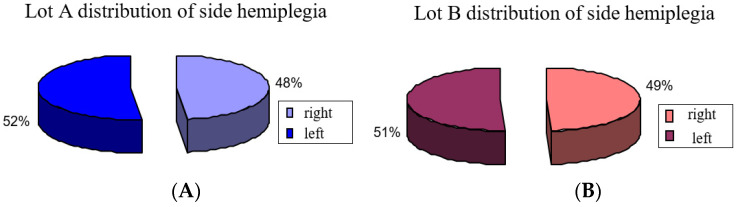
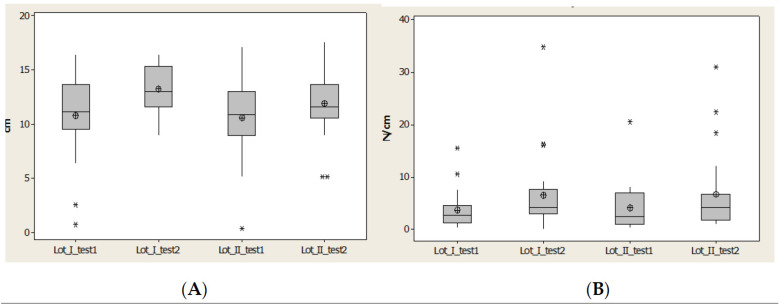
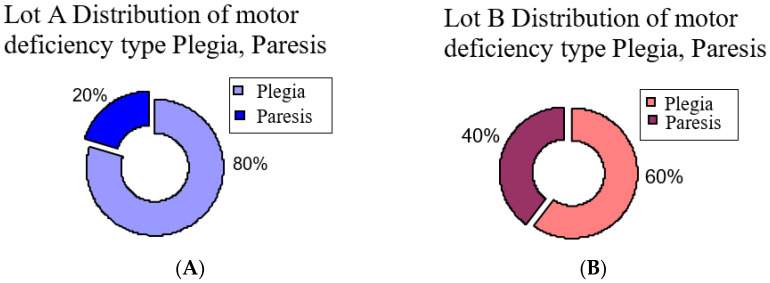
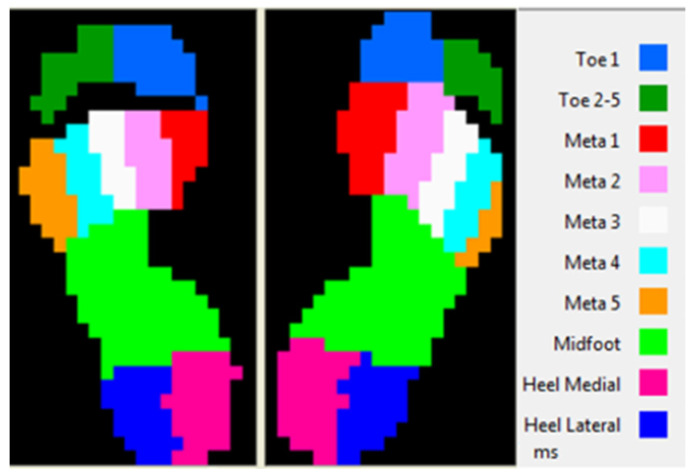
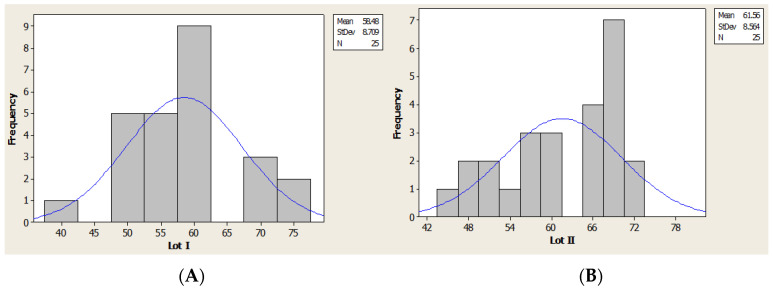
We performed the following clinical and functional evaluations: initial moment (T1), intermediate (T2), and final evaluation at one year (T3). At T1 we studied 100 stroke patients in two groups, A and B (each 50 patients). The first group, A, started rehabilitation in the first three months after having a stroke, and group B started after three months from the time of stroke. Due to the impediments observed during rehabilitation, we made biomechanic evaluation for two lots, I and II (each 25 patients). Assessment of the patient was carried out by clinical (neurologic examination), functional (using the Tinetti Functional Gait Assessment Test for classifying the gait), and biomechanical evaluation (maximal plantar pressure (Pmax), contact area (CA), and pressure distribution (COP)).
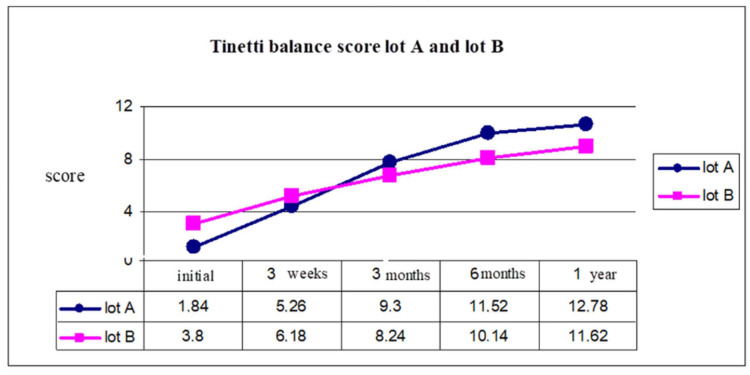
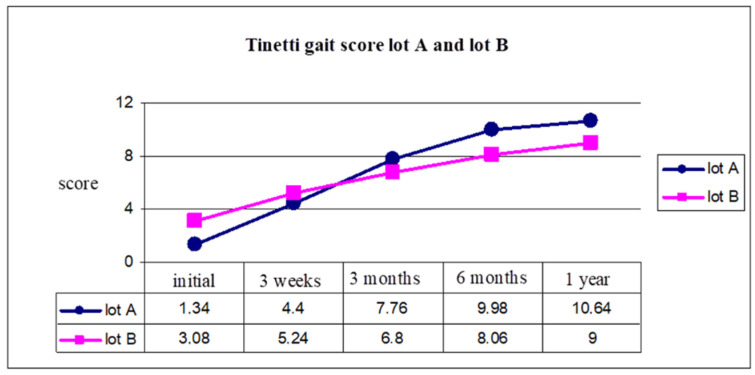
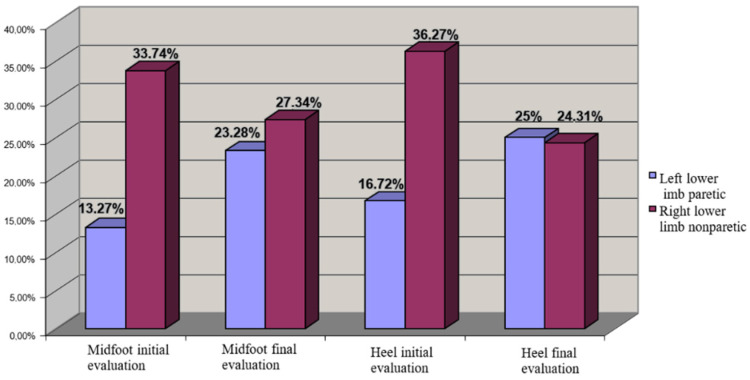
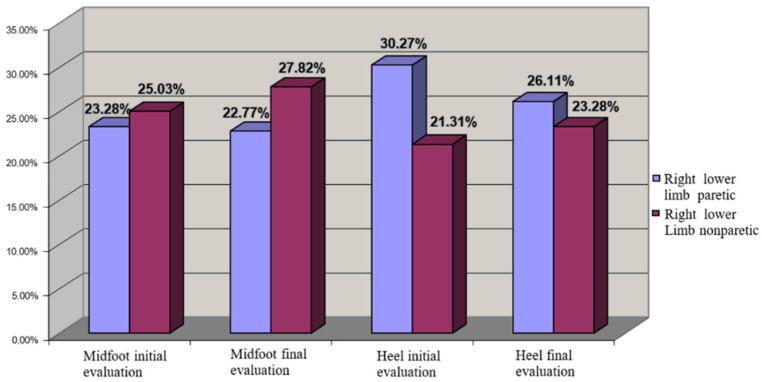
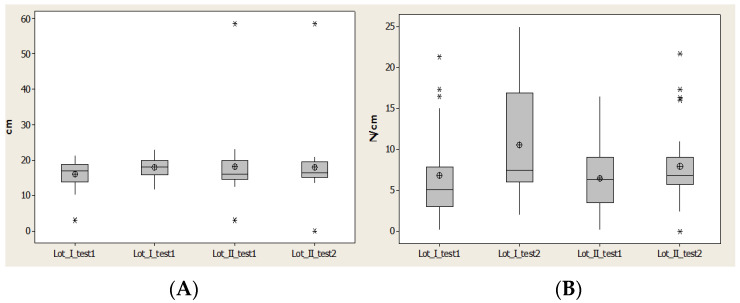
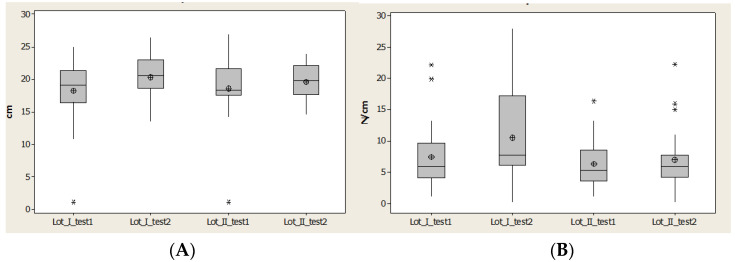
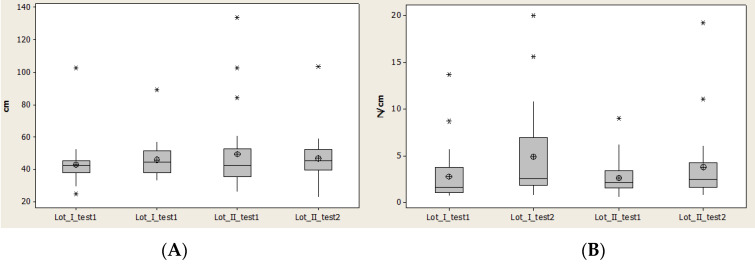
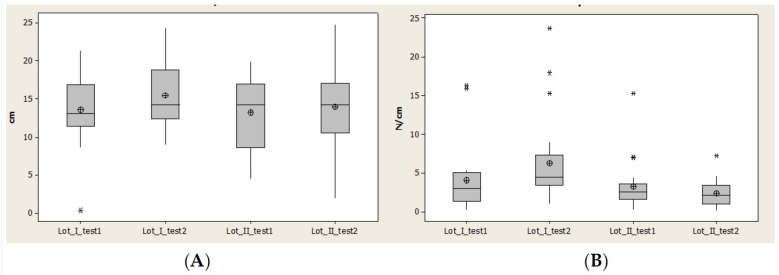
The Tinetti scale for gait had the following scores: for group A, from 1.34 at the initial moment (T1) to 10.64 at final evaluation (T3), and for group B, 3.08 at initial moment (T1) to 9 at final evaluation (T3). Distribution of COP in the left hemiparesis was uneven at T1 but evolved after rehabilitation. The right hemiparesis had uniform COP distribution even at T1, explained by motor dominance on the right side. CA and Pmax for lot I increased more than 100%, meaning that there is a possibility for favorable improvement if the patients start the rehabilitation program in the first three months after stroke. For lot II, increases of the parameters were less than lot I.
The recovery potential is higher for patients with right hemiparesis. Biomechanic evaluation showed diversity regarding compensatory mechanisms for the paretic and nonparetic lower limb.
CA and Pmax are relevant assessments for evaluating the effects on timing of starting a rehabilitation program after a stroke.
评估中风患者的足底压力是一个可用于监测和比较开始康复计划的时机如何影响患者康复的参数。
我们进行了以下临床和功能评估:初始时刻(T1)、中期(T2)以及一年后的最终评估(T3)。在T1时,我们将100名中风患者分为A、B两组(每组50名患者)。第一组A在中风后的前三个月开始康复,B组在中风三个月后开始。由于在康复过程中观察到的阻碍,我们对两个批次(批次I和批次II,各25名患者)进行了生物力学评估。通过临床(神经学检查)、功能(使用Tinetti功能步态评估测试对步态进行分类)和生物力学评估(最大足底压力(Pmax)、接触面积(CA)和压力分布(COP))对患者进行评估。
步态的Tinetti量表得分如下:A组,初始时刻(T1)为1.34,最终评估(T3)为10.64;B组,初始时刻(T1)为3.08,最终评估(T3)为9。在T1时,左侧偏瘫患者的COP分布不均匀,但康复后有所改善。即使在T1时,右侧偏瘫患者的COP分布也均匀,这是由右侧的运动优势所解释的。批次I的CA和Pmax增加超过100%,这意味着如果患者在中风后的前三个月开始康复计划,就有可能得到良好的改善。对于批次II,参数的增加少于批次I。
右侧偏瘫患者的恢复潜力更高。生物力学评估显示,偏瘫和非偏瘫下肢的代偿机制存在差异。
CA和Pmax是评估中风后开始康复计划的时机所产生影响时的相关评估指标。