Mellor Ryan D, Schätzlein Andreas G, Uchegbu Ijeoma F
School of Pharmacy, University College London (UCL), 29-39 Brunswick Square, London WC1N 1AX, UK.
Nanomaterials (Basel). 2021 Aug 25;11(9):2181. doi: 10.3390/nano11092181.
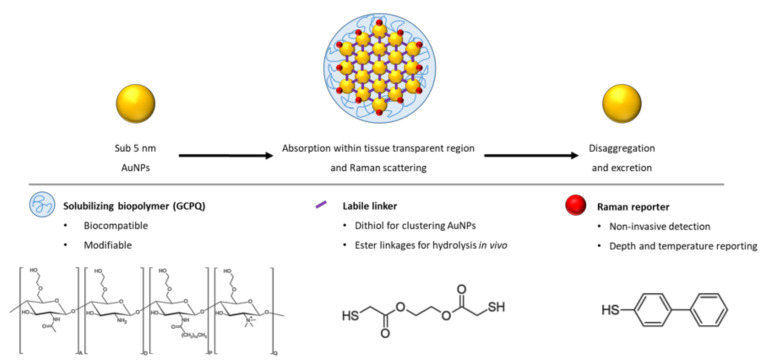
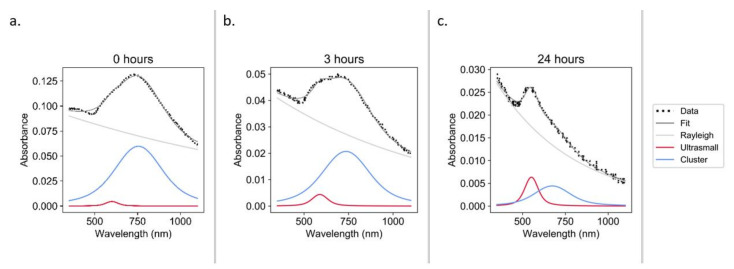
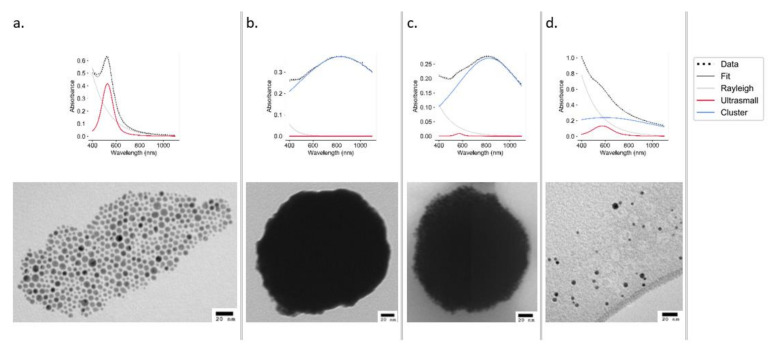
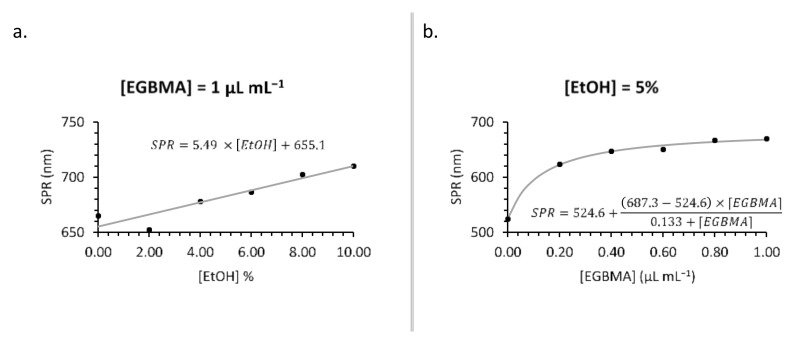
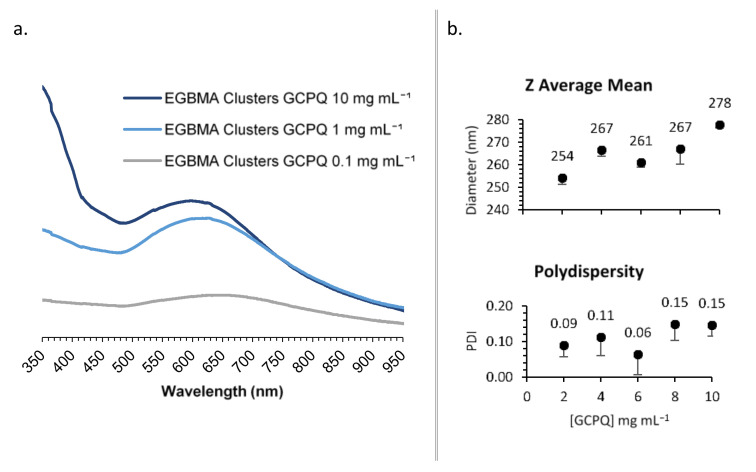
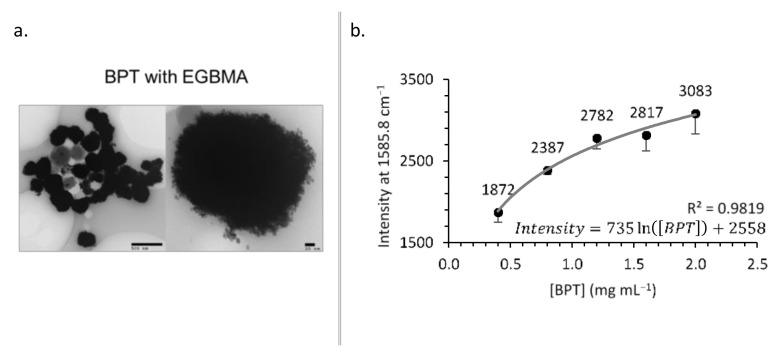
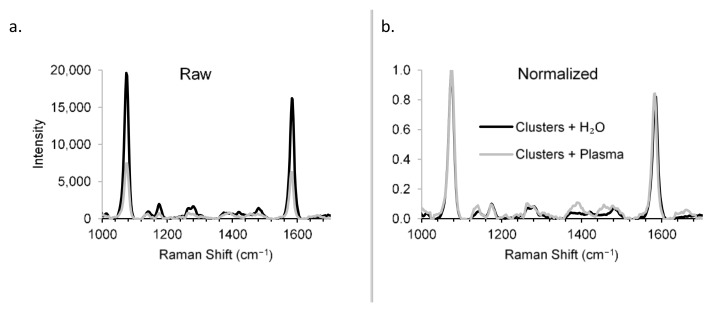
Gold nanoparticles (AuNPs) are used experimentally for non-invasive in vivo Raman monitoring because they show a strong absorbance in the phototherapeutic window (650-850 nm), a feature that is accompanied by a particle size in excess of 100 nm. However, these AuNPs cannot be used clinically because they are likely to persist in mammalian systems and resist excretion. In this work, clustered ultrasmall (sub-5 nm) AuNP constructs for in vivo Raman diagnostic monitoring, which are also suitable for mammalian excretion, were synthesized and characterized. Sub-5 nm octadecyl amine (ODA)-coated AuNPs were clustered using a labile dithiol linker: ethylene glycol bis-mercaptoacetate (EGBMA). Upon clustering via a controlled reaction and finally coating with a polymeric amphiphile, a strong absorbance in the phototherapeutic window was demonstrated, thus showing the potential suitability of the construct for non-invasive in vivo detection and monitoring. The clusters, when labelled with a biphenyl-4-thiol (BPT) Raman tag, were shown to elicit a specific Raman response in plasma and to disaggregate back to sub-5 nm particles under physiological conditions (37 °C, 0.8 mM glutathione, pH 7.4). These data demonstrate the potential of these new AuNP clusters (Raman NanoTheranostics-RaNT) for in vivo applications while being in the excretable size window.
金纳米颗粒(AuNPs)被用于实验性的非侵入性体内拉曼监测,因为它们在光治疗窗口(650 - 850纳米)显示出强烈的吸光度,这一特性伴随着超过100纳米的粒径。然而,这些AuNPs不能用于临床,因为它们可能会在哺乳动物系统中持续存在并难以排泄。在这项工作中,合成并表征了用于体内拉曼诊断监测的簇状超小(小于5纳米)AuNP构建体,其也适合于在哺乳动物体内排泄。使用不稳定的二硫醇连接剂:乙二醇双巯基乙酸酯(EGBMA)将小于5纳米的十八烷基胺(ODA)包覆的AuNPs聚集在一起。通过可控反应聚集并最终用聚合物两亲物包覆后,在光治疗窗口显示出强烈的吸光度,从而表明该构建体对于非侵入性体内检测和监测具有潜在的适用性。当用联苯 - 4 - 硫醇(BPT)拉曼标签标记时,这些簇在血浆中引发特定的拉曼响应,并在生理条件(37℃,0.8 mM谷胱甘肽,pH 7.4)下分解回小于5纳米的颗粒。这些数据证明了这些新型AuNP簇(拉曼纳米治疗诊断剂 - RaNT)在处于可排泄尺寸窗口时用于体内应用的潜力。