Naderi Sohi Alireza, Kiani Jafar, Arefian Ehsan, Khosrojerdi Arezou, Fekrirad Zahra, Ghaemi Shokoofeh, Zim Mohammad Kazem, Jalili Arsalan, Bostanshirin Nazila, Soleimani Masoud
Celltech Pharmed Company, Tehran 1371616312, Iran.
Department of Molecular Medicine, Faculty of Advanced Technologies in Medicine, Iran University of Medical Sciences, Tehran 1449614535, Iran.
Vaccines (Basel). 2021 Sep 10;9(9):1007. doi: 10.3390/vaccines9091007.
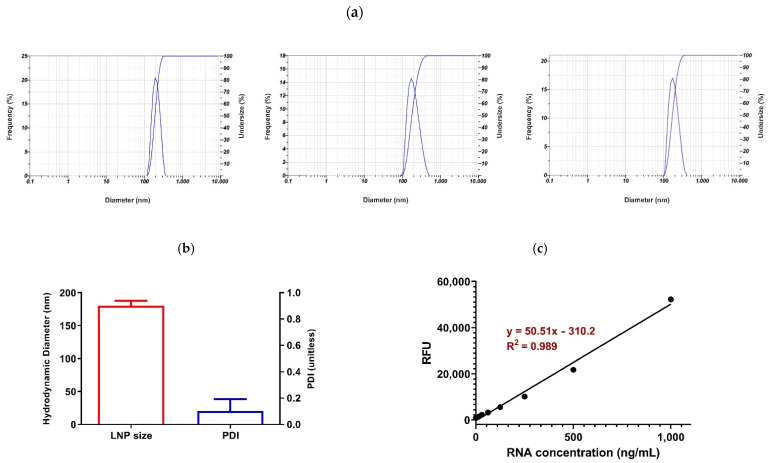
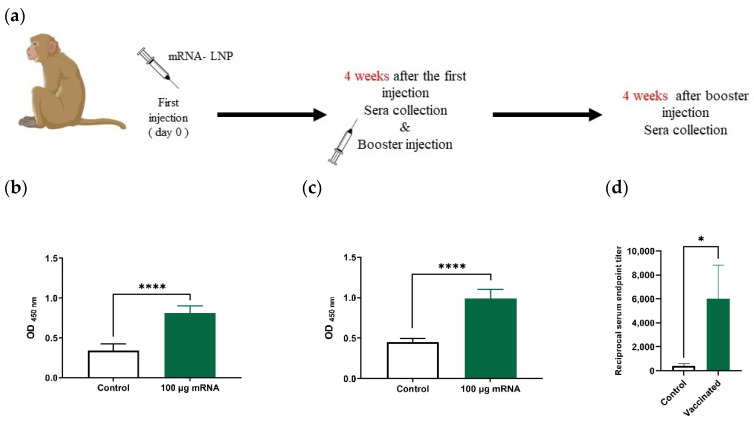
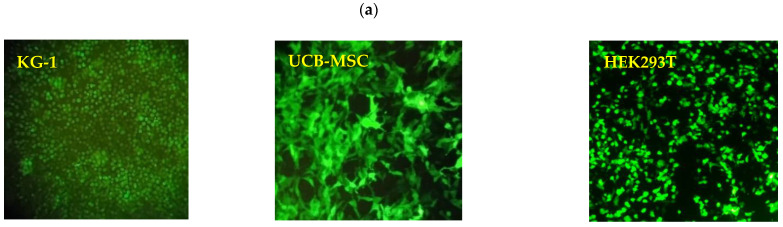
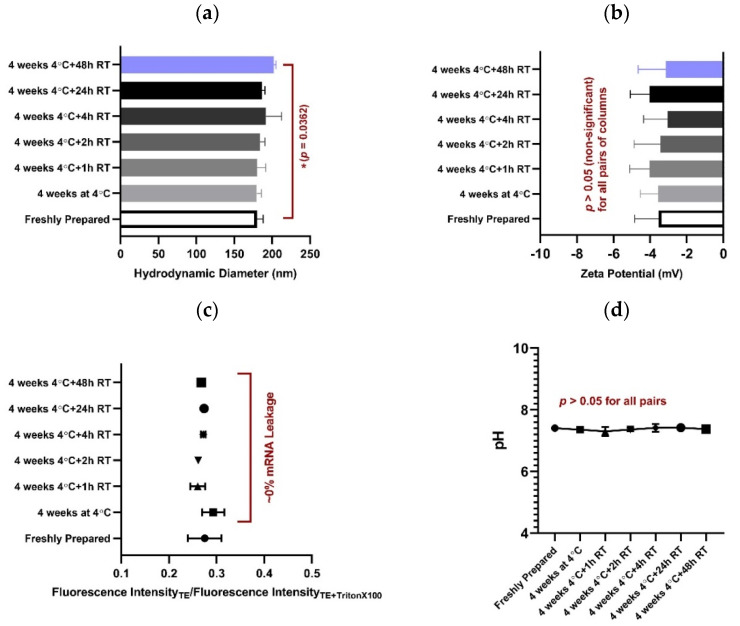
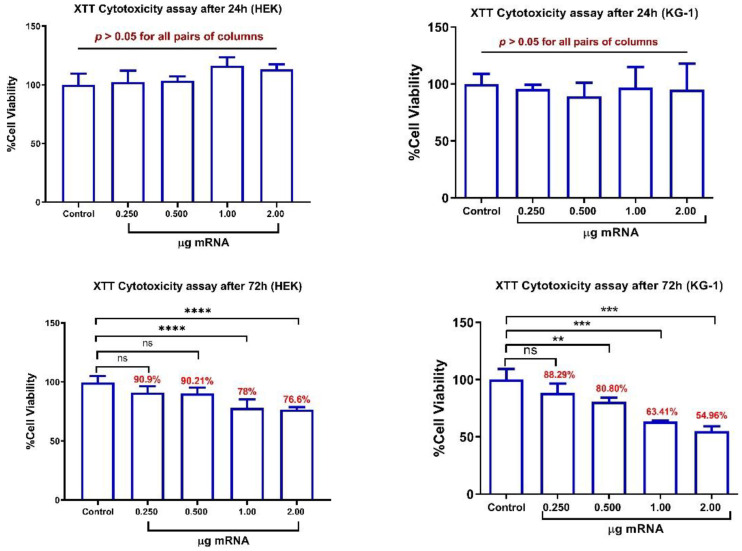
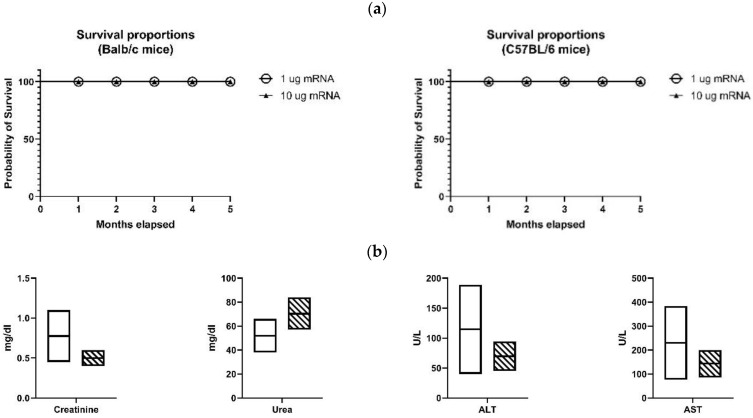
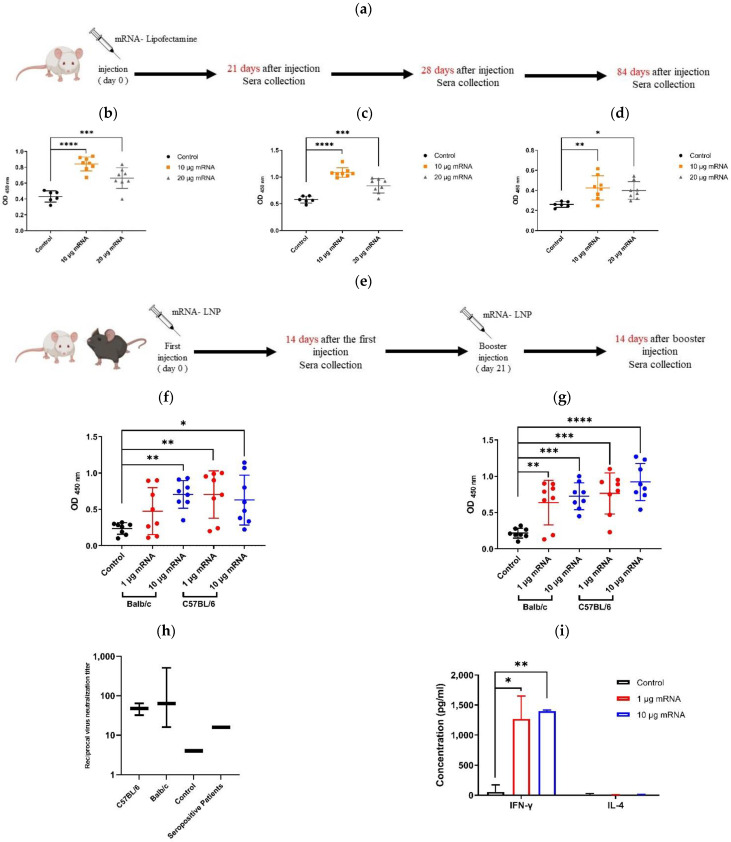
Among the vaccines have been developed thus far against SARS-CoV-2, the mRNA-based ones have demonstrated more promising results regarding both safety and efficacy. Two remarkable features of the mRNA vaccines introduced by the Pfizer/BioNTech and Moderna companies are the use of (N-methyl-pseudouridine-) modified mRNA and the microfluidics-based production of lipid nanoparticles (LNPs) as the carrier. In the present study, except Anti-Reverse Cap Analog (ARCA), no other nucleoside analogs were employed to synthesize Spike-encoding mRNA using the in vitro transcription (IVT) method. Furthermore, LNPs were prepared via the ethanol injection method commonly used for liposome formation as an alternative for microfluidics-based approaches. The produced mRNA-LNP vaccine was evaluated for nanoparticles characteristics, encapsulation and transfection efficiencies, in vitro cytotoxicity as well as stability and storability. The safety of vaccine was assessed in Balb/c mice injected with mRNA-LNPs containing 10 µg of spike-encoding mRNA. Eventually, the vaccine efficacy in inducing an immune response against SARS-CoV-2 was studied in Balb/c and C57BL/6 mice (received either 1 or 10 µg of mRNA) as well as in rhesus macaque monkeys (infused with mRNA-LNPs containing 100 µg of mRNA). The ELISA and virus neutralizing test (VNT) results showed a significant augmentation in the level of neutralizing antibodies against SARS-CoV-2. Moreover, the ELISA assay showed virus-specific IFN-γ secretion in immunized mice as a marker of T1 cell-based immune response, whereas favorably no change in the production of IL-4 was detected.
在迄今为止研发的针对严重急性呼吸综合征冠状病毒2(SARS-CoV-2)的疫苗中,基于信使核糖核酸(mRNA)的疫苗在安全性和有效性方面都显示出更有前景的结果。辉瑞/ BioNTech公司和莫德纳公司推出的mRNA疫苗有两个显著特点,即使用(N-甲基-假尿苷-)修饰的mRNA以及基于微流控技术生产脂质纳米颗粒(LNP)作为载体。在本研究中,除了抗逆转帽类似物(ARCA)外,未使用其他核苷类似物通过体外转录(IVT)方法合成编码刺突蛋白的mRNA。此外,通过通常用于脂质体形成的乙醇注射法制备LNP,作为基于微流控技术方法的替代方法。对所生产的mRNA-LNP疫苗进行了纳米颗粒特性、包封率和转染效率、体外细胞毒性以及稳定性和储存性的评估。在注射含有10μg编码刺突蛋白mRNA的mRNA-LNP的Balb/c小鼠中评估了疫苗的安全性。最终,在Balb/c和C57BL/6小鼠(分别接受1μg或10μg mRNA)以及恒河猴(注入含有100μg mRNA的mRNA-LNP)中研究了疫苗诱导针对SARS-CoV-2的免疫反应的效力。酶联免疫吸附测定(ELISA)和病毒中和试验(VNT)结果显示,针对SARS-CoV-2的中和抗体水平显著提高。此外,ELISA检测显示免疫小鼠中有病毒特异性干扰素-γ分泌,作为基于T1细胞的免疫反应的标志物,而有利的是未检测到白细胞介素-4的产生有变化。