Ethiopian Public Health Institute, Addis Ababa, Ethiopia.
Institute for Global Health and Infectious Diseases, Department of Medicine, Division of Infectious Diseases and Department of Geography, University of North Carolina at Chapel Hill, Chapel Hill, NC, USA.
Nat Microbiol. 2021 Oct;6(10):1289-1299. doi: 10.1038/s41564-021-00962-4. Epub 2021 Sep 27.
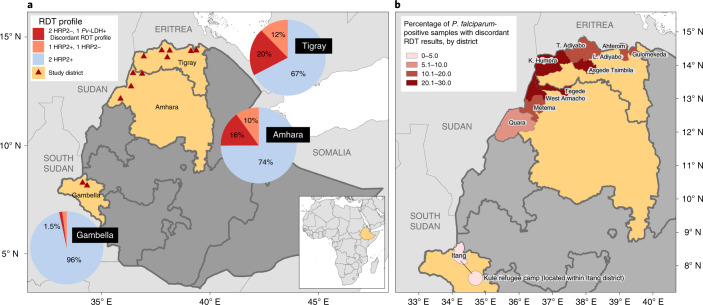
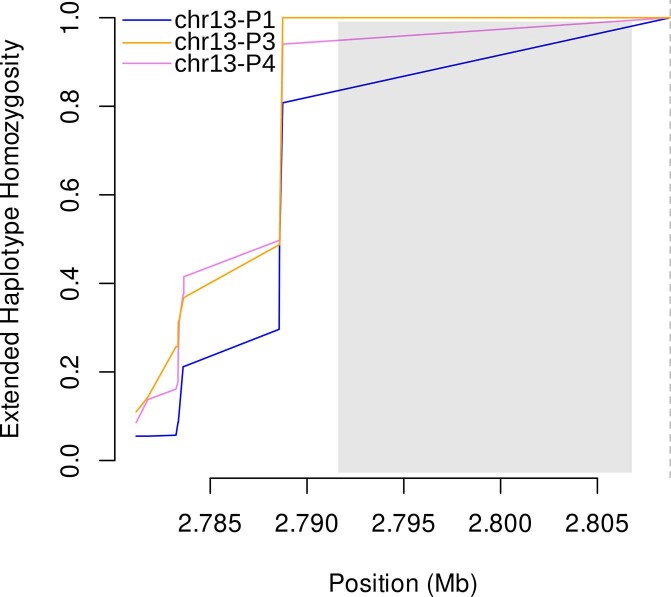
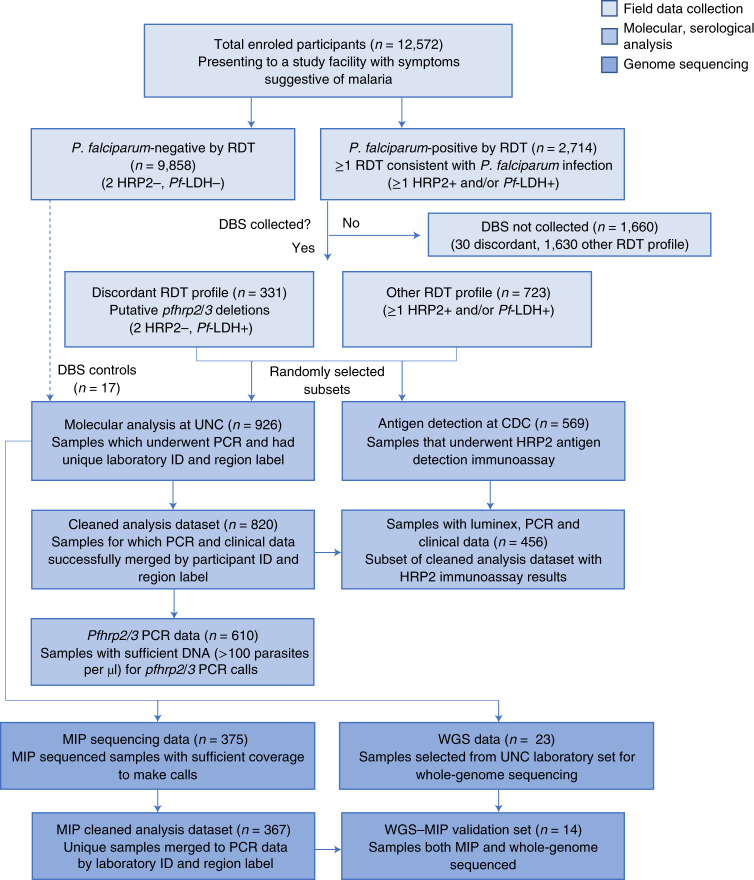
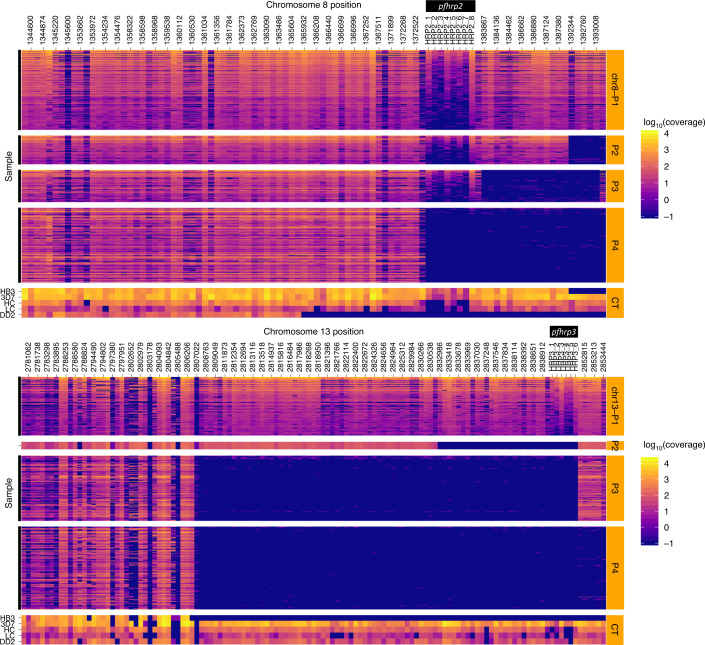
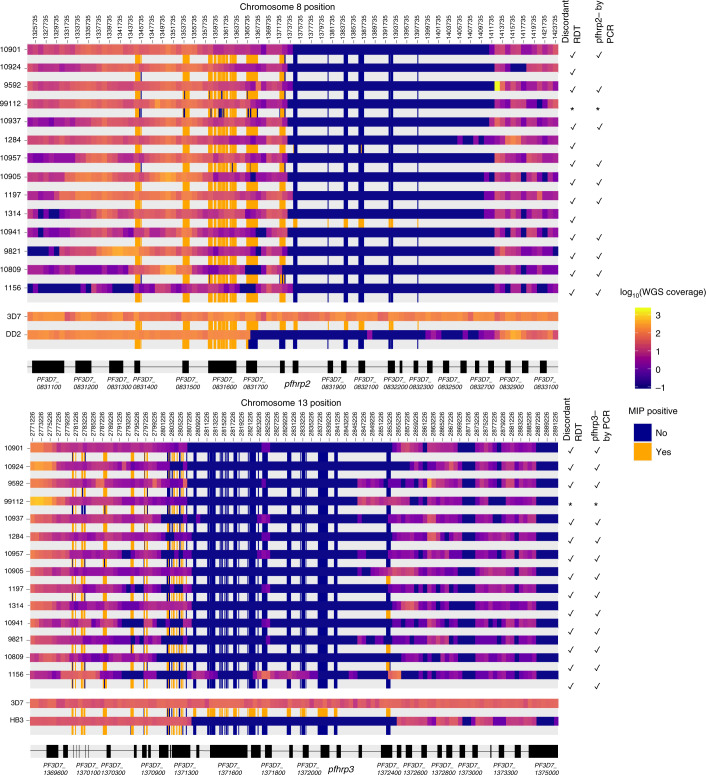
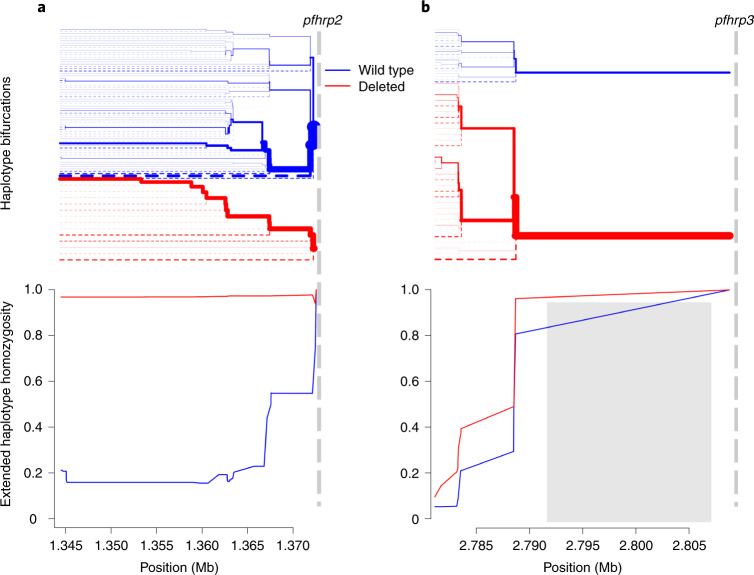
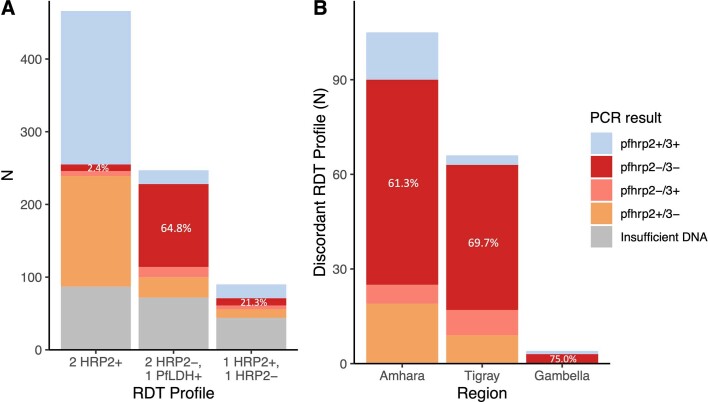
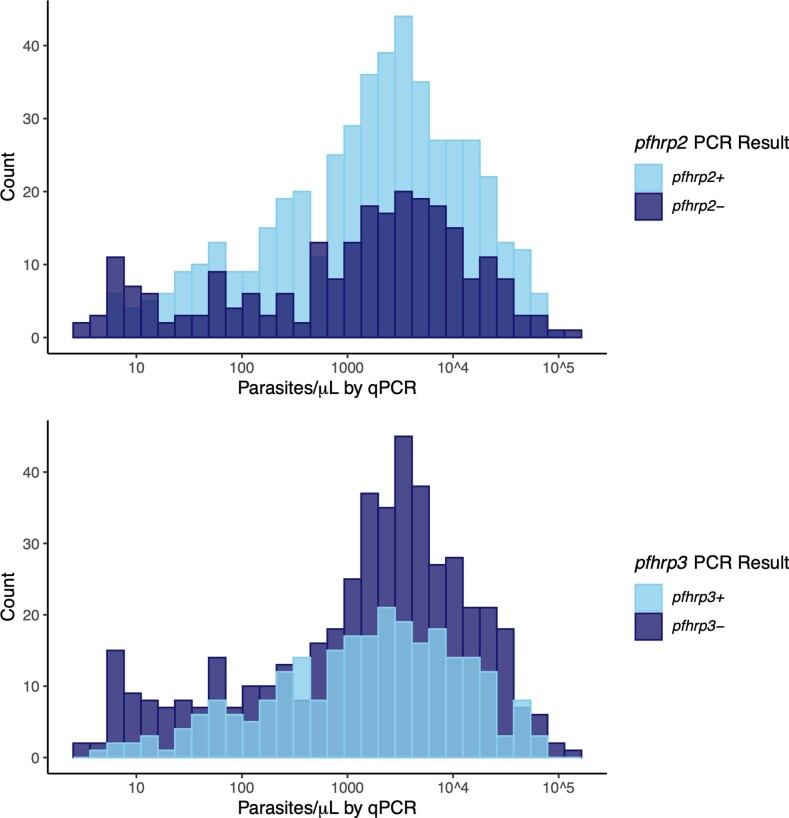
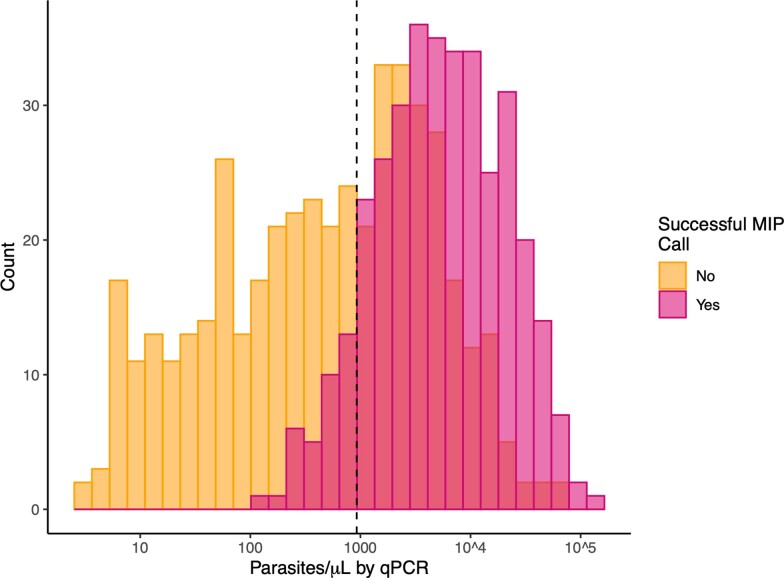
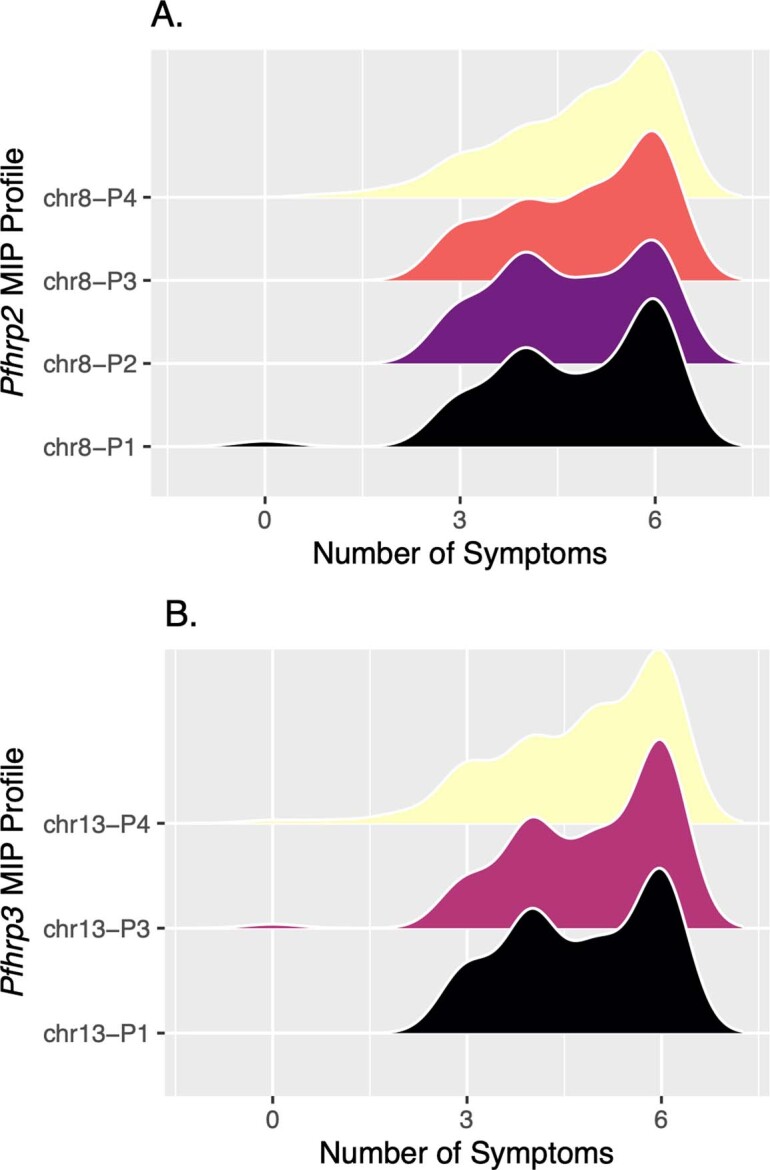
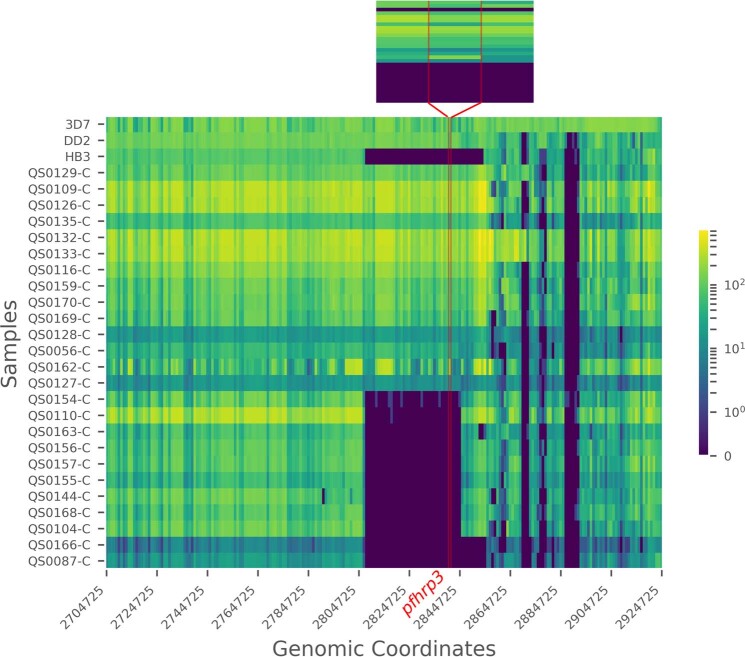
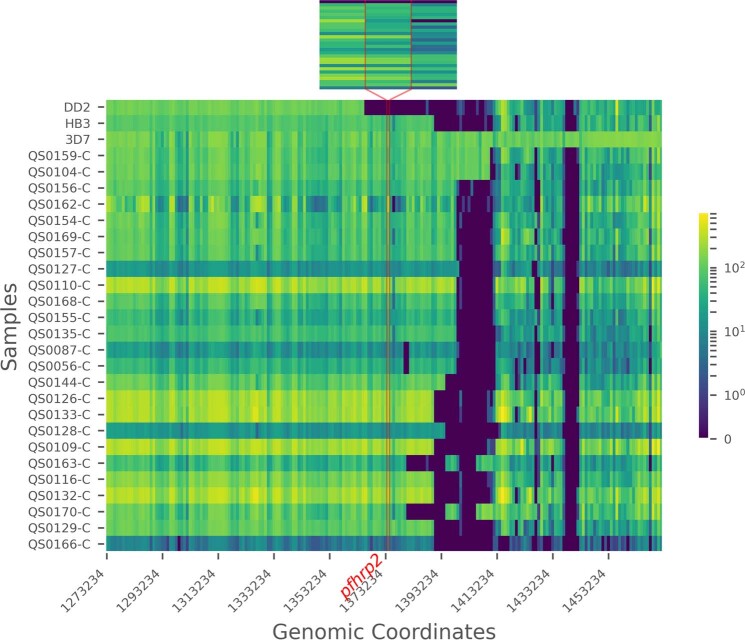
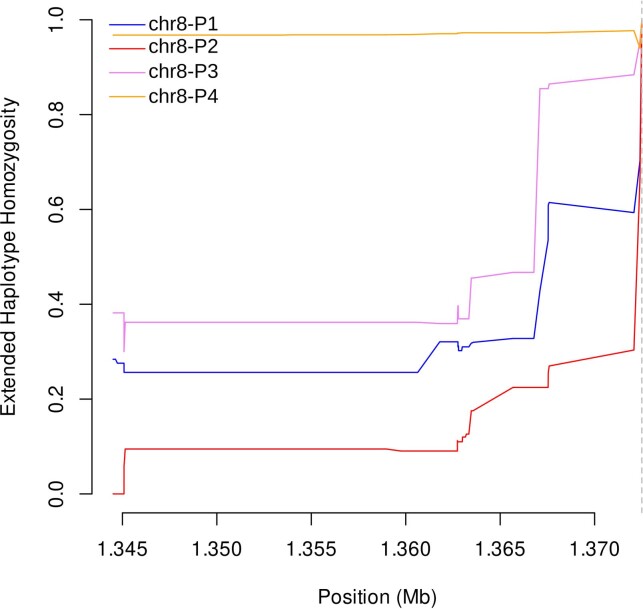
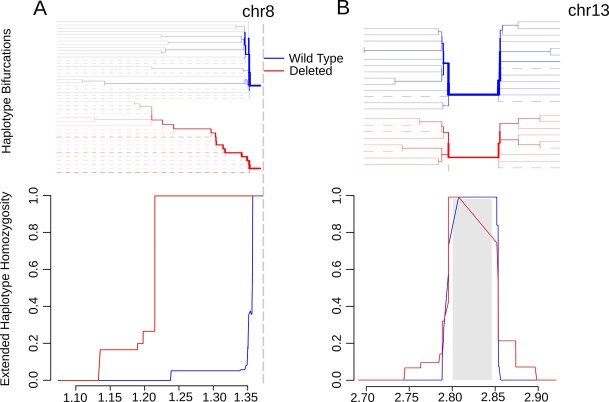
In Africa, most rapid diagnostic tests (RDTs) for falciparum malaria recognize histidine-rich protein 2 antigen. Plasmodium falciparum parasites lacking histidine-rich protein 2 (pfhrp2) and 3 (pfhrp3) genes escape detection by these RDTs, but it is not known whether these deletions confer sufficient selective advantage to drive rapid population expansion. By studying blood samples from a cohort of 12,572 participants enroled in a prospective, cross-sectional survey along Ethiopia's borders with Eritrea, Sudan and South Sudan using RDTs, PCR, an ultrasensitive bead-based immunoassay for antigen detection and next-generation sequencing, we estimate that histidine-rich protein 2-based RDTs would miss 9.7% (95% confidence interval 8.5-11.1) of P. falciparum malaria cases owing to pfhrp2 deletion. We applied a molecular inversion probe-targeted deep sequencing approach to identify distinct subtelomeric deletion patterns and well-established pfhrp3 deletions and to uncover recent expansion of a singular pfhrp2 deletion in all regions sampled. We propose a model in which pfhrp3 deletions have arisen independently multiple times, followed by strong positive selection for pfhrp2 deletion owing to RDT-based test-and-treatment. Existing diagnostic strategies need to be urgently reconsidered in Ethiopia, and improved surveillance for pfhrp2 deletion is needed throughout the Horn of Africa.
在非洲,大多数用于诊断恶性疟原虫的快速诊断检测(RDT)都可识别富含组氨酸蛋白 2 抗原。缺乏富含组氨酸蛋白 2(pfhrp2)和 3(pfhrp3)基因的恶性疟原虫寄生虫可以逃避这些 RDT 的检测,但目前尚不清楚这些缺失是否赋予了足够的选择优势以促使快速种群扩张。我们通过使用 RDT、PCR、用于抗原检测的超敏珠基免疫测定法和下一代测序法,对在埃塞俄比亚与厄立特里亚、苏丹和南苏丹接壤处的前瞻性、横断面调查中招募的 12572 名参与者的血液样本进行了研究,结果估计,由于 pfhrp2 缺失,基于富含组氨酸蛋白 2 的 RDT 将漏检 9.7%(95%置信区间 8.5-11.1)的恶性疟疾病例。我们应用分子反转探针靶向深度测序方法来识别独特的端粒间缺失模式和已确立的 pfhrp3 缺失,并发现 pfhrp2 缺失在所有采样区域均呈单一且最近扩张。我们提出了一种模型,其中 pfhrp3 缺失已经独立地多次发生,随后由于基于 RDT 的检测和治疗而对 pfhrp2 缺失产生强烈的正选择。在埃塞俄比亚,现有的诊断策略需要紧急重新考虑,整个非洲之角都需要加强对 pfhrp2 缺失的监测。