Department of Pathology & Clinical Labs, University of Michigan, Ann Arbor, Michigan; Xiangya Hospital, Central South University, Changsha, Hunan, People's Republic of China.
Proteios Technology, Seattle, Washington.
Cell Mol Gastroenterol Hepatol. 2022;13(2):643-667. doi: 10.1016/j.jcmgh.2021.09.014. Epub 2021 Sep 25.
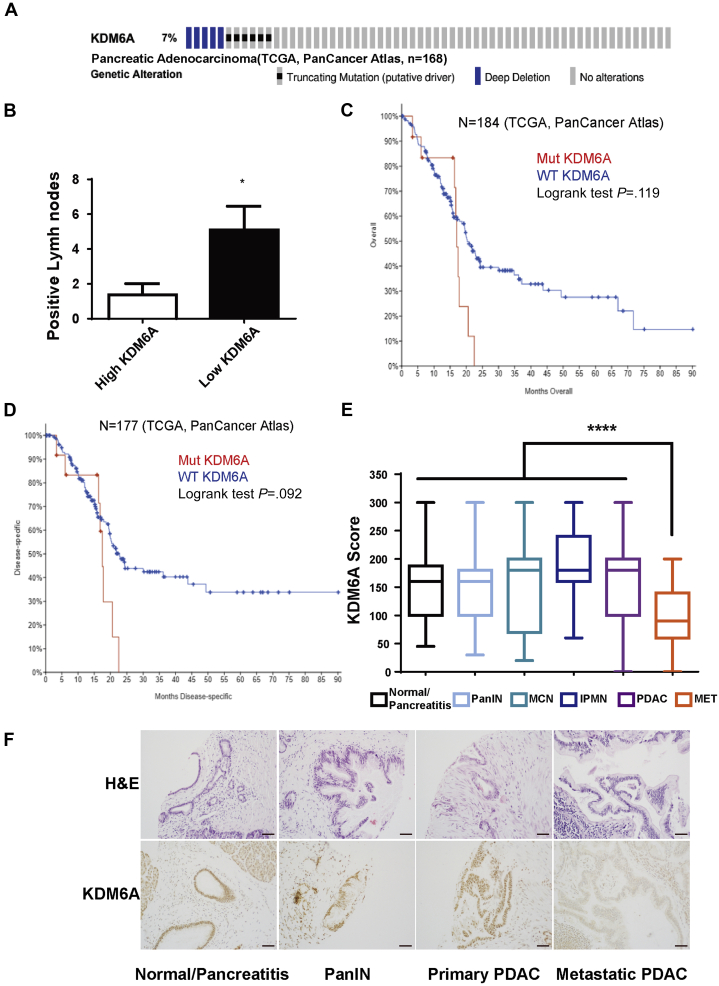
BACKGROUND & AIMS: Inactivating mutations of KDM6A, a histone demethylase, were frequently found in pancreatic ductal adenocarcinoma (PDAC). We investigated the role of KDM6A (lysine demethylase 6A) in PDAC development.
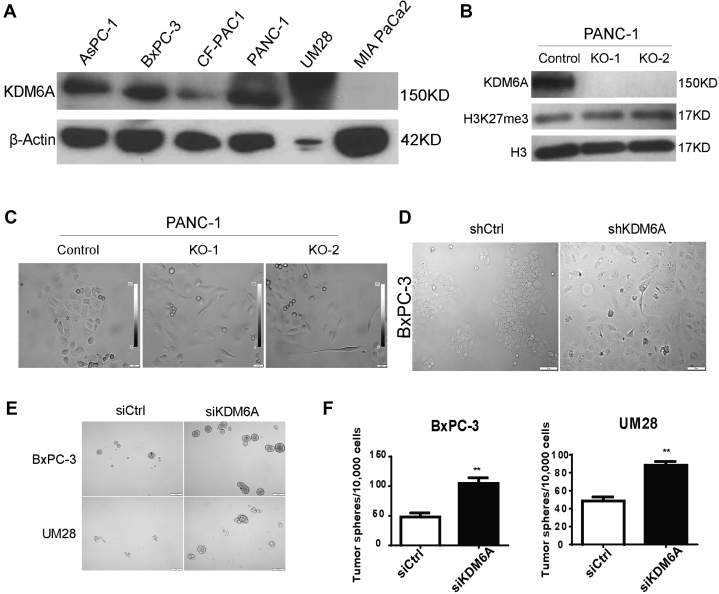
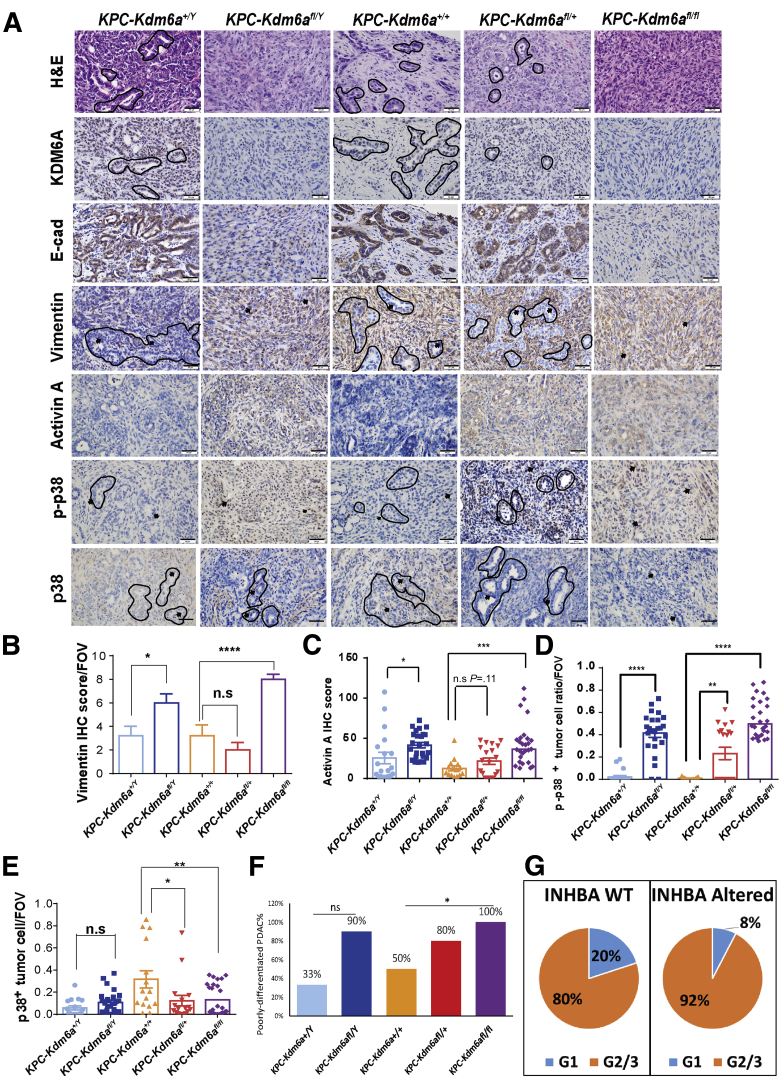
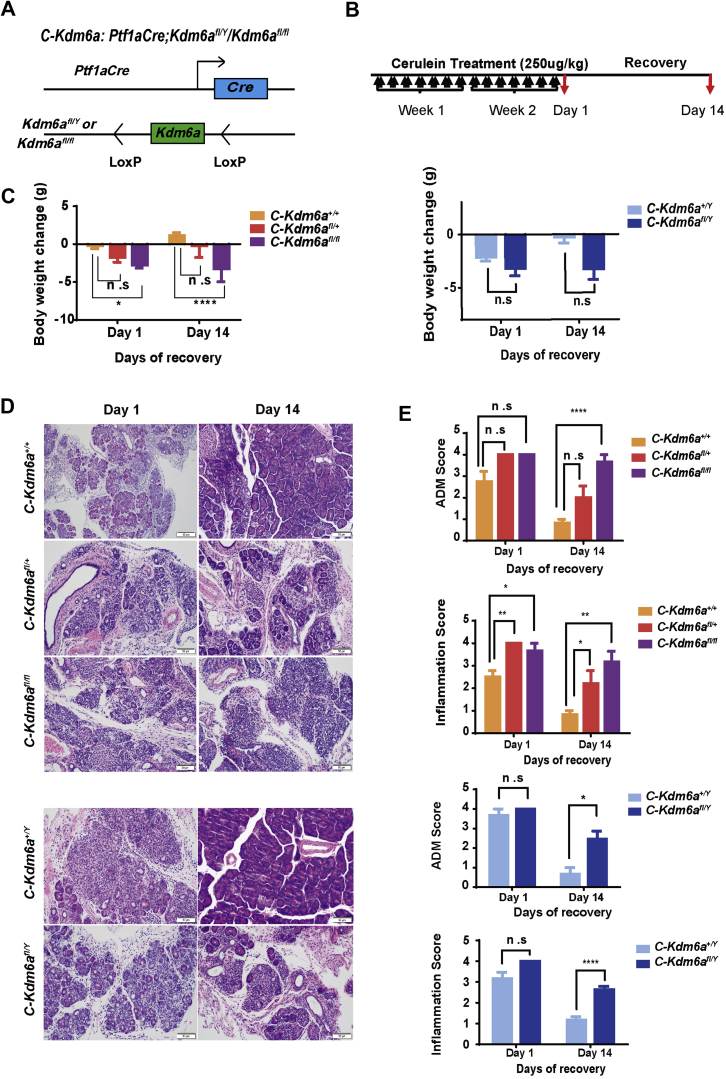
We performed a pancreatic tissue microarray analysis of KDM6A protein levels. We used human PDAC cell lines for KDM6A knockout and knockdown experiments. We performed bromouridine sequencing analysis to elucidate the effects of KDM6A loss on global transcription. We performed studies with Ptf1a; LSL-Kras; Trp53; Kdm6a, Ptf1a; Kdm6a, and orthotopic xenograft mice to investigate the impacts of Kdm6a deficiency on pancreatic tumorigenesis and pancreatitis.
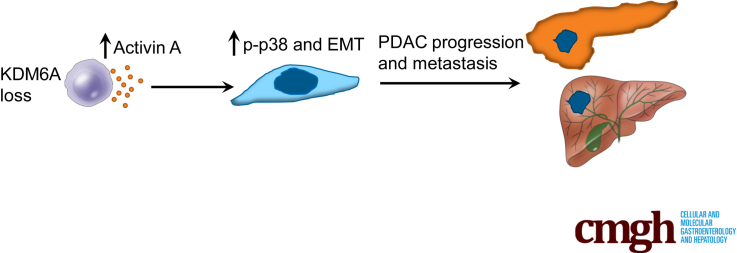
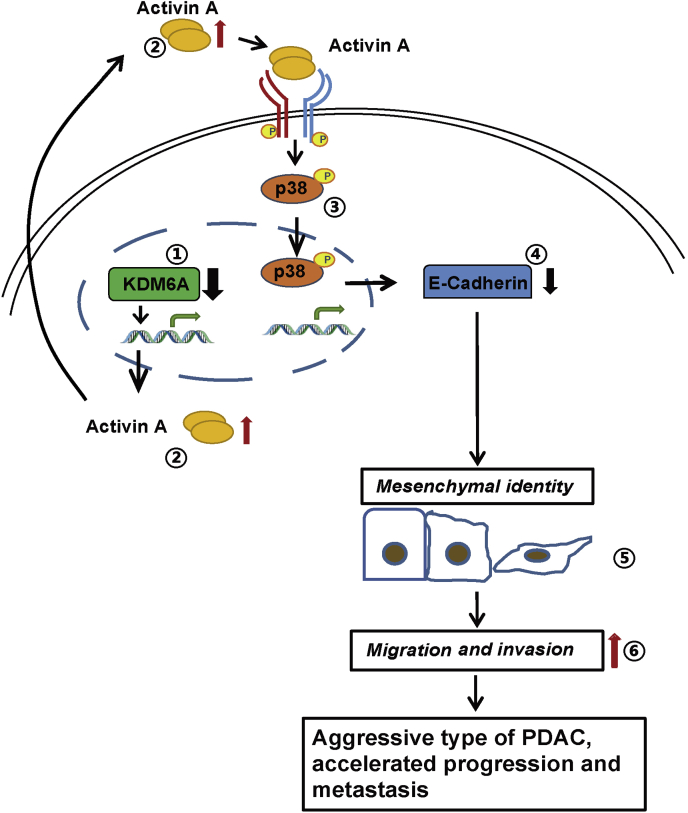
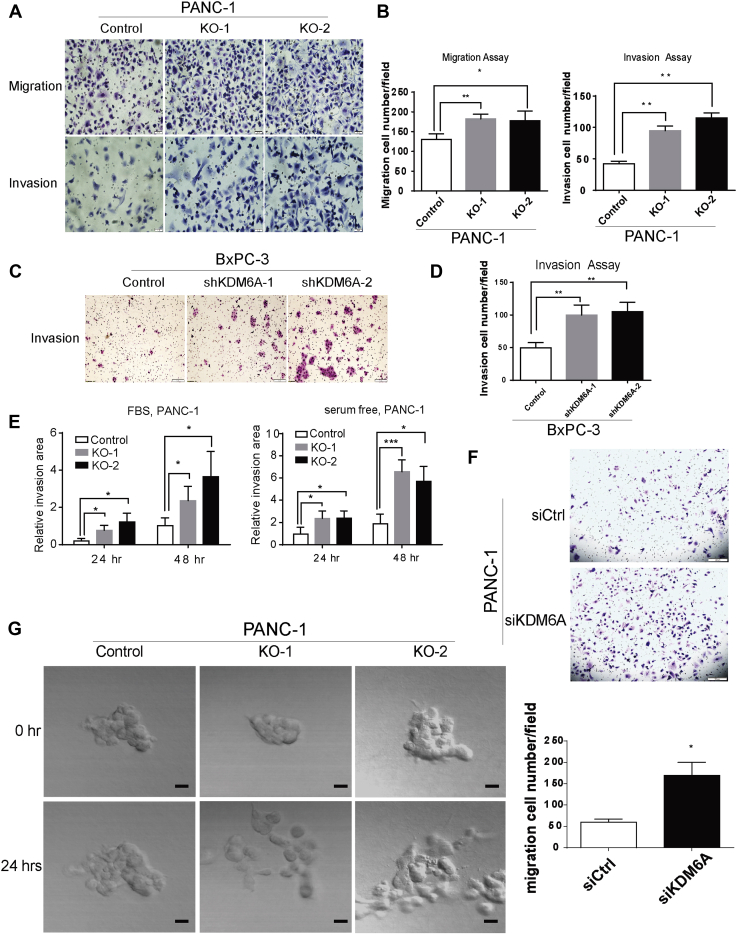
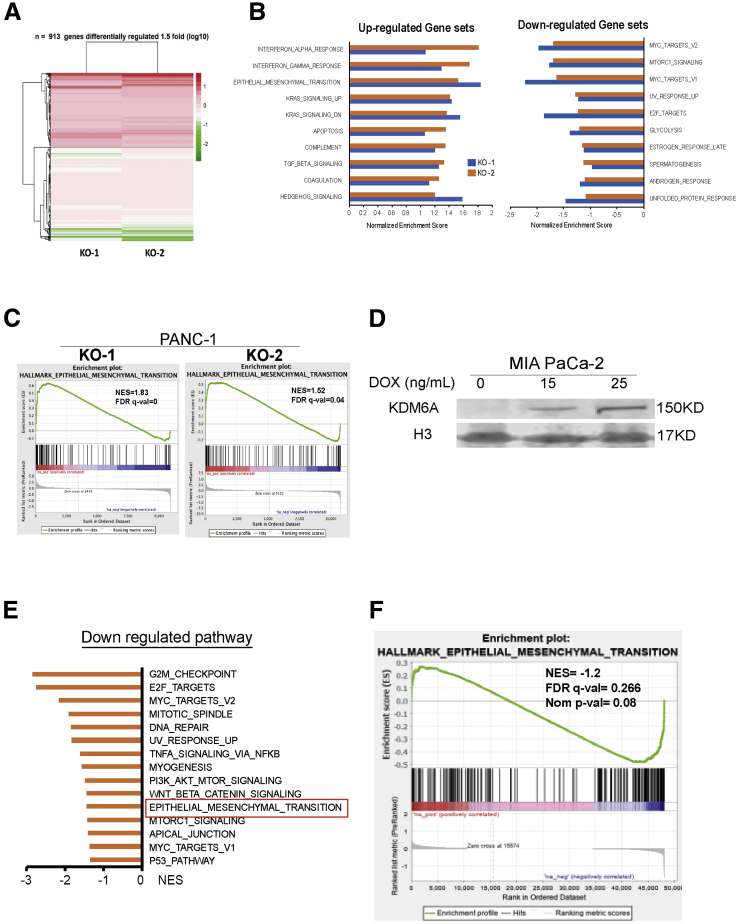
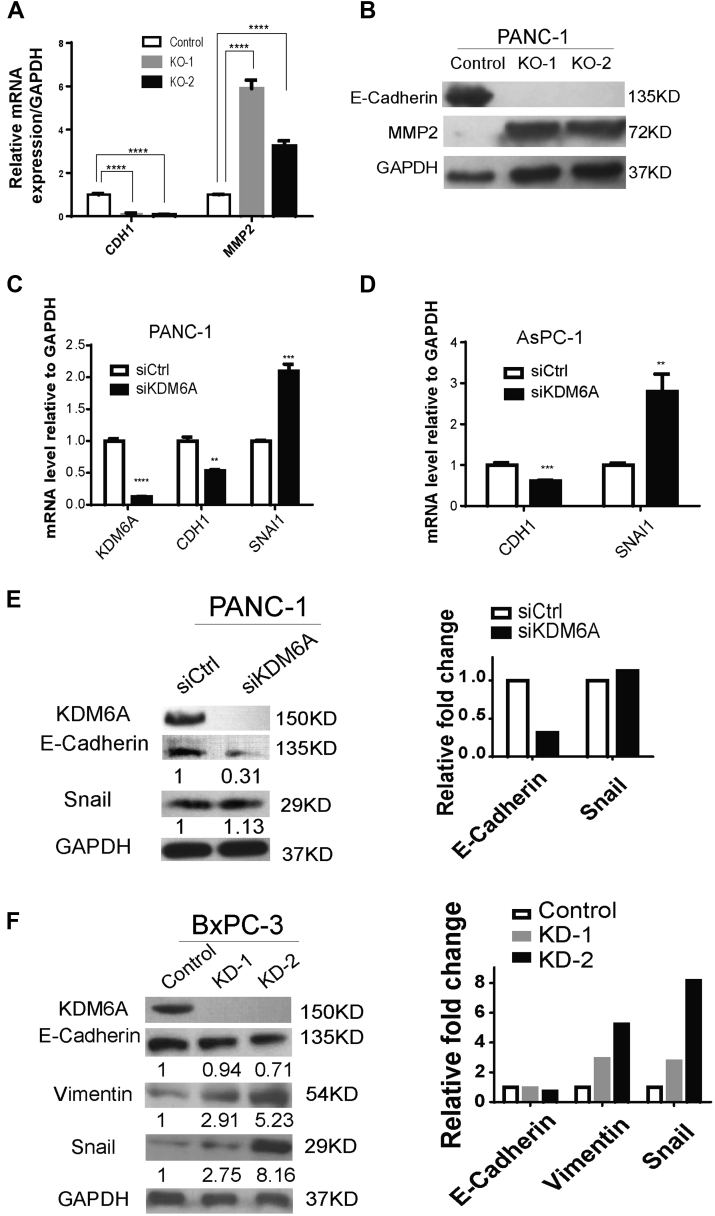
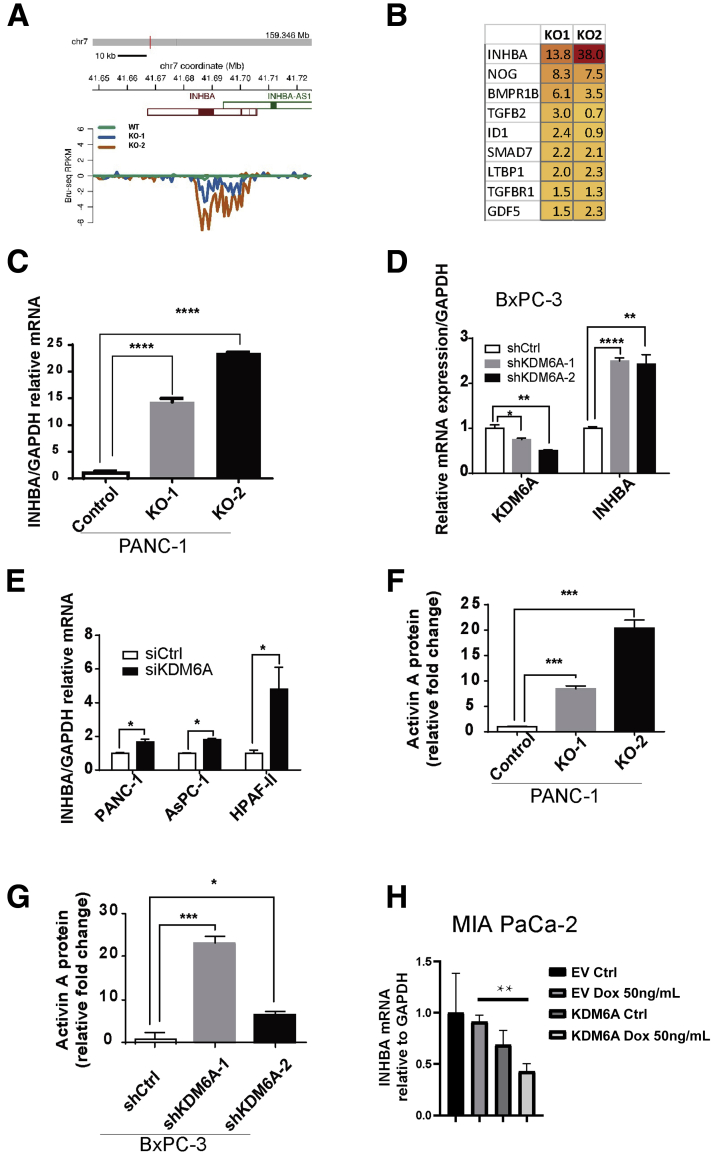
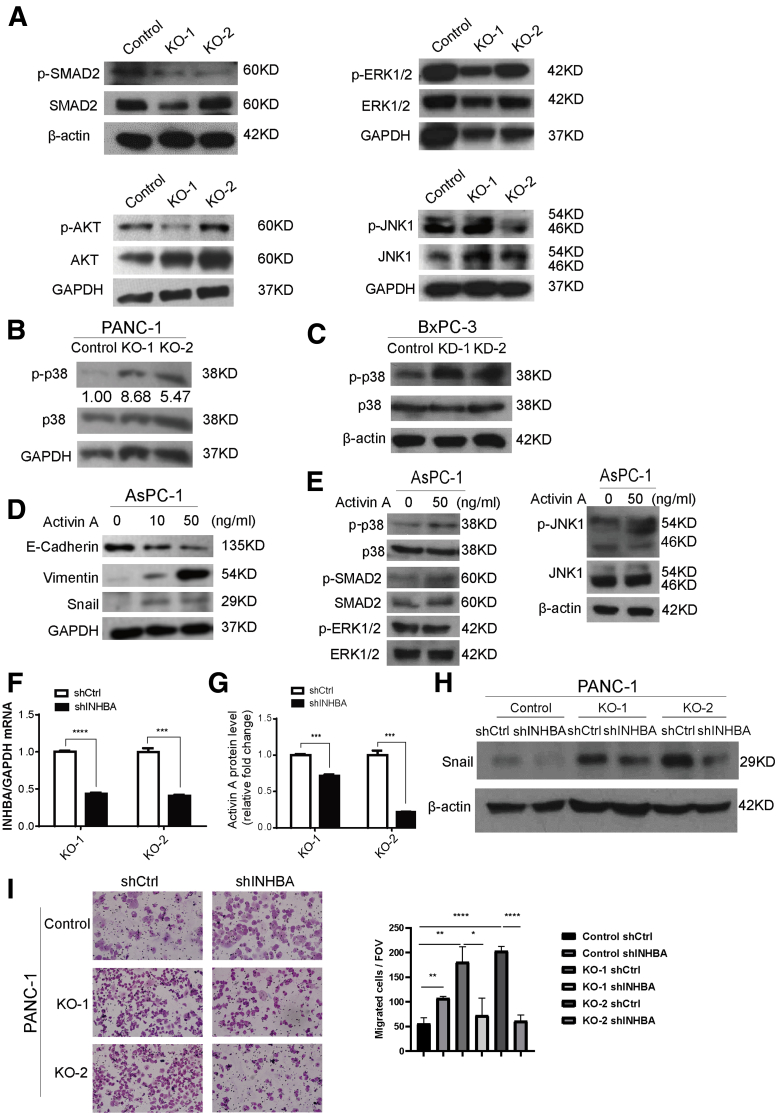
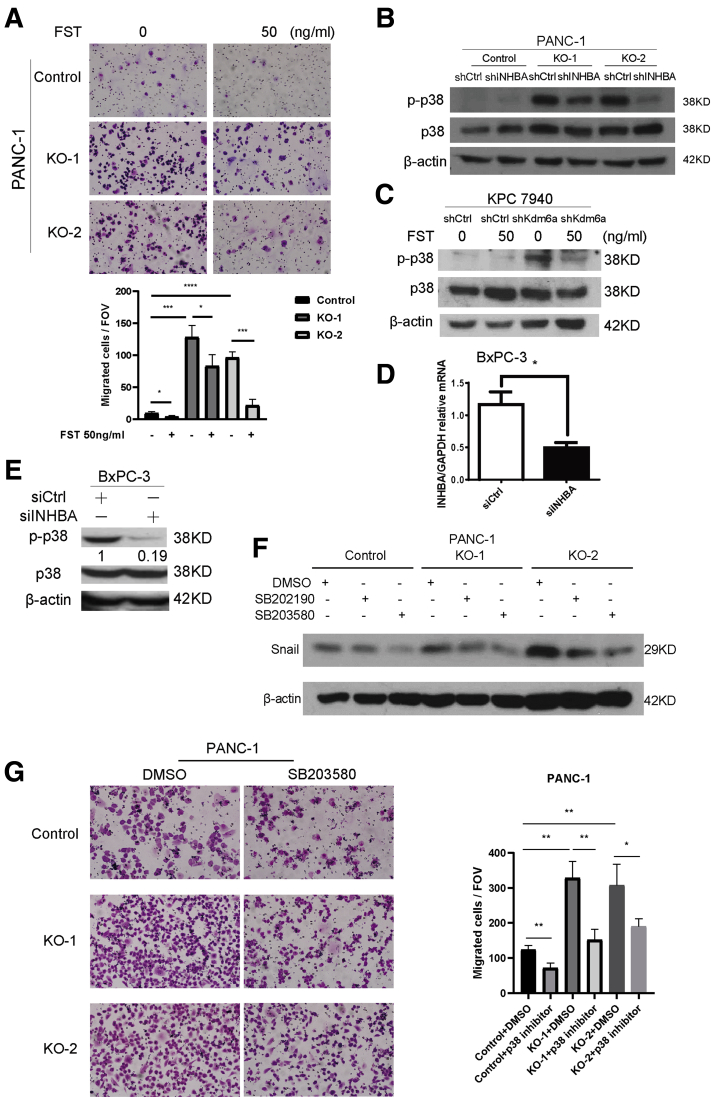
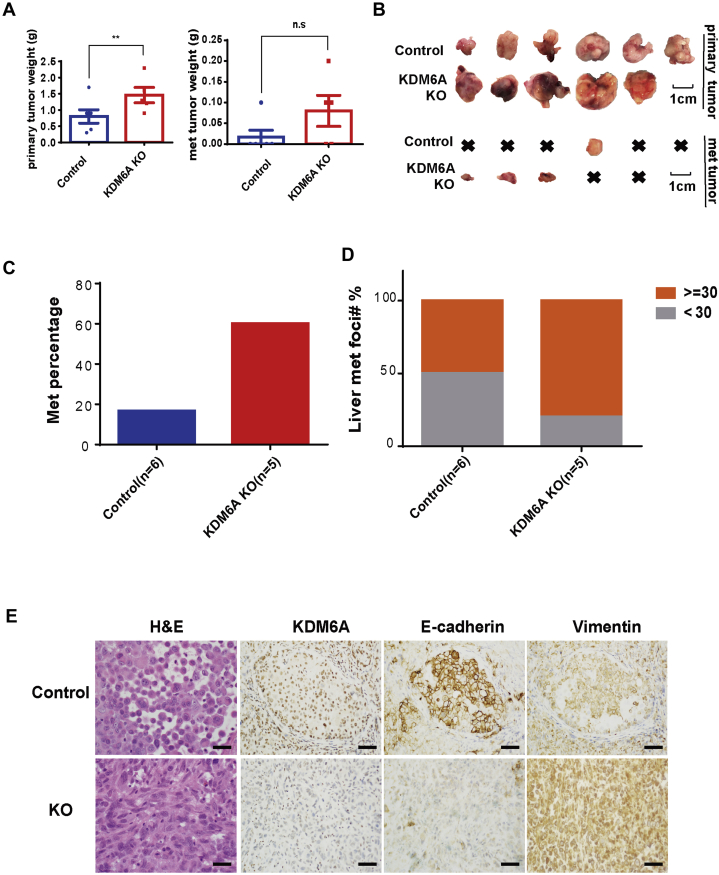
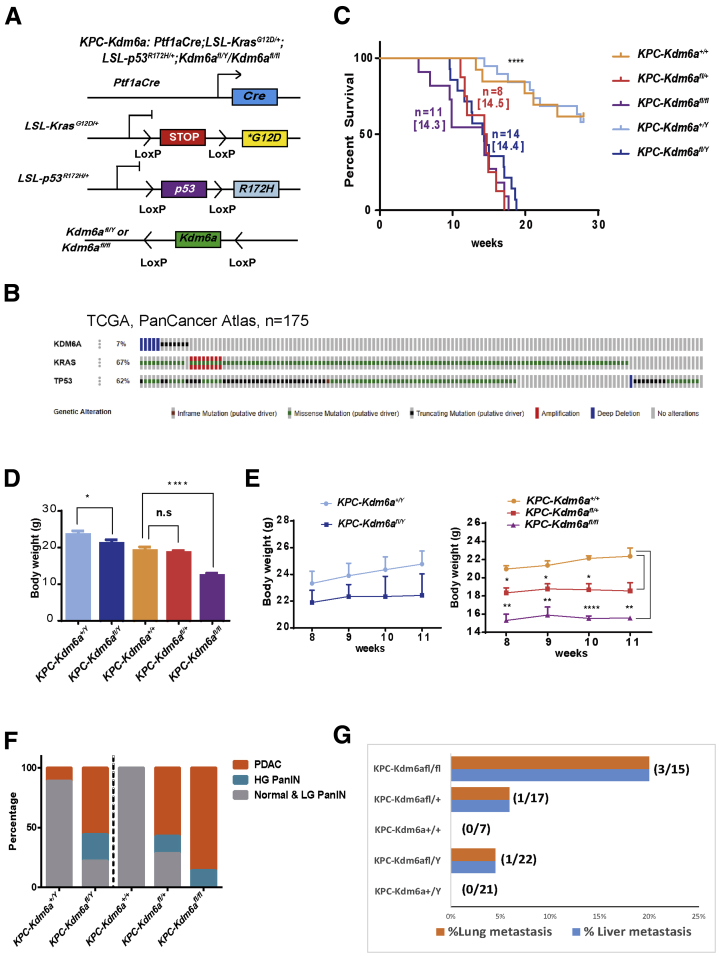
Loss of KDM6A was associated with metastasis in PDAC patients. Bromouridine sequencing analysis showed up-regulation of the epithelial-mesenchymal transition pathway in PDAC cells deficient in KDM6A. Loss of KDM6A promoted mesenchymal morphology, migration, and invasion in PDAC cells in vitro. Mechanistically, activin A and subsequent p38 activation likely mediated the role of KDM6A loss. Inhibiting either activin A or p38 reversed the effect. Pancreas-specific Kdm6a-knockout mice pancreata showed accelerated PDAC progression, developed a more aggressive undifferentiated type of PDAC, and increased metastases in the background of Kras and p53 mutations. Kdm6a-deficient pancreata in a pancreatitis model had a delayed recovery with increased PDAC precursor lesions compared with wild-type pancreata.
Loss of KDM6A accelerates PDAC progression and metastasis, most likely by a noncanonical p38-dependent activin A pathway. KDM6A also promotes pancreatic tissue recovery from pancreatitis. Activin A might be used as a therapeutic target for KDM6A-deficient PDACs.
组蛋白去甲基化酶 KDM6A 的失活突变在胰腺导管腺癌(PDAC)中经常发生。我们研究了 KDM6A(赖氨酸去甲基酶 6A)在 PDAC 发展中的作用。
我们对 KDM6A 蛋白水平进行了胰腺组织微阵列分析。我们使用人 PDAC 细胞系进行 KDM6A 敲除和敲低实验。我们进行了溴尿嘧啶测序分析,以阐明 KDM6A 缺失对全局转录的影响。我们使用 Ptf1a; LSL-Kras; Trp53; Kdm6a; Ptf1a; Kdm6a 和原位异种移植小鼠进行研究,以研究 Kdm6a 缺失对胰腺肿瘤发生和胰腺炎的影响。
KDM6A 的缺失与 PDAC 患者的转移有关。溴尿嘧啶测序分析显示,在缺乏 KDM6A 的 PDAC 细胞中,上皮-间充质转化途径上调。KDM6A 的缺失促进了 PDAC 细胞在体外的间充质形态、迁移和侵袭。在机制上,激活素 A 和随后的 p38 激活可能介导了 KDM6A 缺失的作用。抑制激活素 A 或 p38 均可逆转这种作用。胰腺特异性 Kdm6a 敲除小鼠的胰腺显示出 PDAC 进展加速,发展出更具侵袭性的未分化型 PDAC,并且在 Kras 和 p53 突变的背景下转移增加。与野生型胰腺相比,胰腺炎模型中 Kdm6a 缺失的胰腺具有延迟的恢复,并且 PDAC 前体病变增加。
KDM6A 的缺失加速了 PDAC 的进展和转移,这很可能是通过非典型的 p38 依赖性激活素 A 途径。KDM6A 还促进了胰腺炎后胰腺组织的恢复。激活素 A 可能被用作 KDM6A 缺陷型 PDAC 的治疗靶点。