Tian Baoxing, Hou Mengjie, Zhou Kun, Qiu Xia, Du Yibao, Gu Yifan, Yin Xiaoxing, Wang Jie
Department of Breast Surgery, Tongren Hospital, Shanghai Jiao Tong University School of Medicine, Shanghai, China.
Shanghai Key Laboratory of Tissue Engineering, Department of Plastic and Reconstructive Surgery, Shanghai 9th People's Hospital, Shanghai Jiao Tong University School of Medicine, Shanghai, China.
Front Cell Dev Biol. 2021 Sep 13;9:717462. doi: 10.3389/fcell.2021.717462. eCollection 2021.
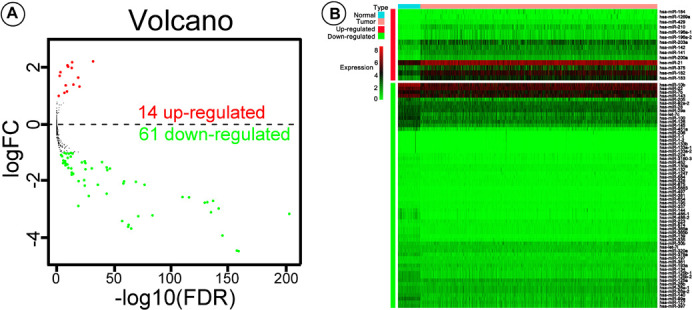
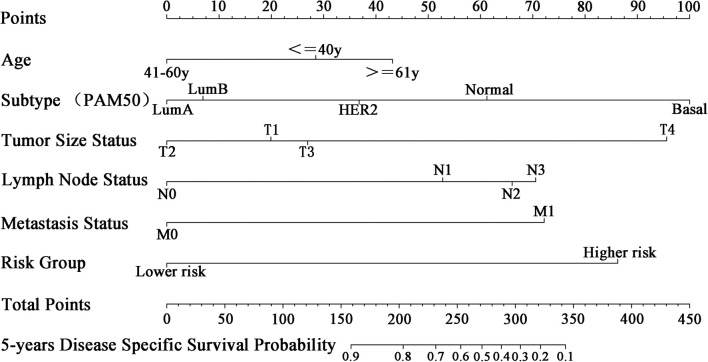
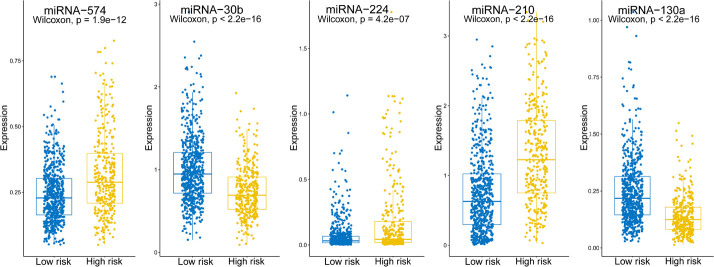
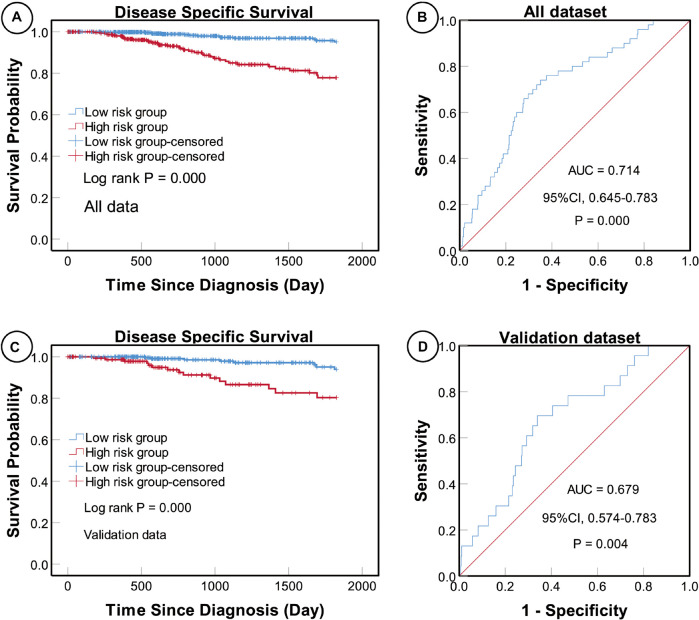
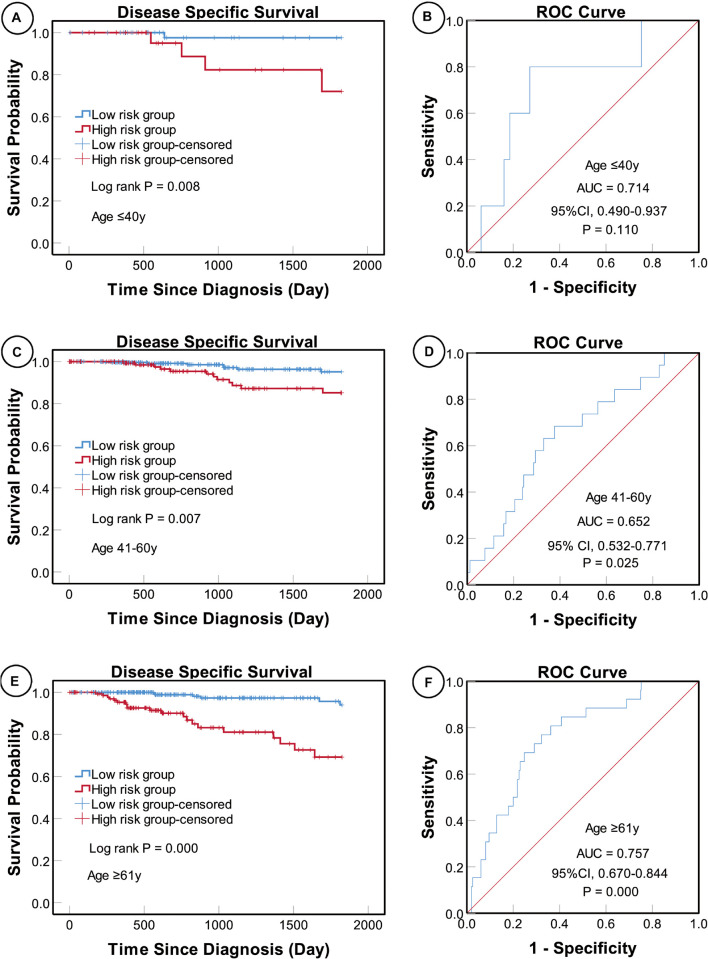
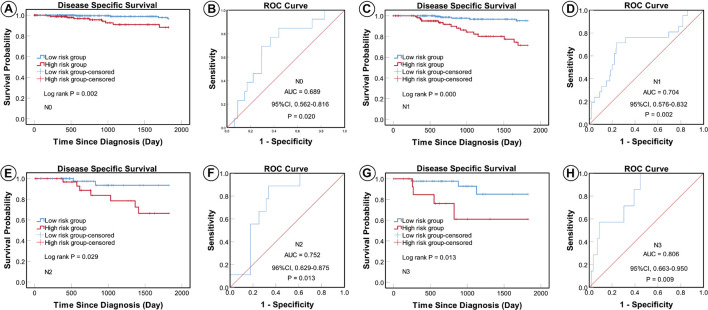
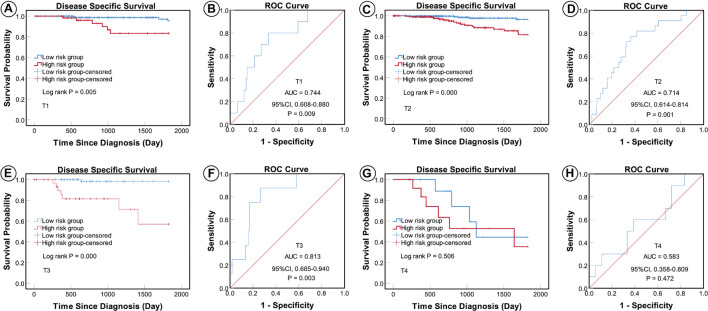
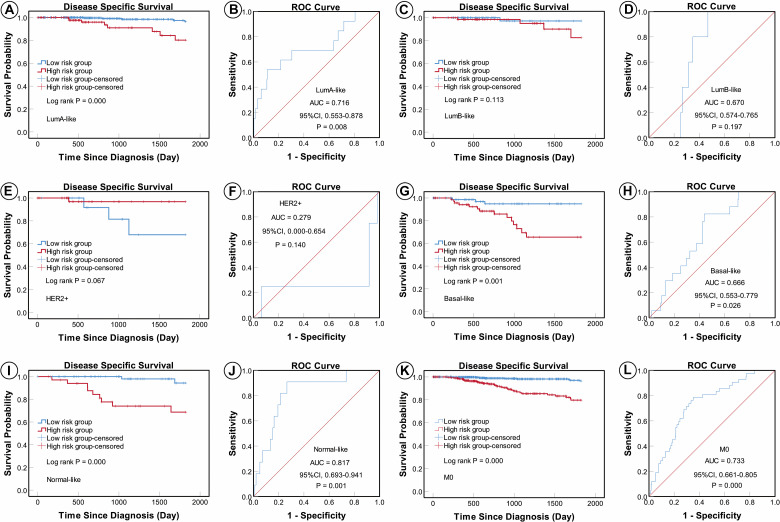
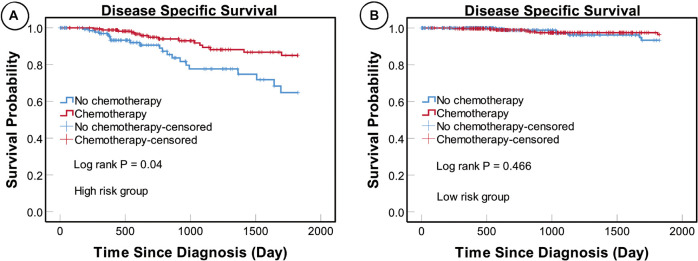
Breast cancer (BC) is the most common cancer affecting women and the leading cause of cancer-related deaths worldwide. Compelling evidence indicates that microRNAs (miRNAs) are inextricably involved in the development of cancer. Here, we constructed a novel model, based on miRNA-seq and clinical data downloaded from The Cancer Genome Atlas (TCGA). Data from a total of 962 patients were included in this study, and the relationships among their clinicopathological features, survival, and miRNA-seq expression levels were analyzed. Hsa-miR-186 and hsa-miR-361 were identified as internal reference miRNAs and used to normalize miRNA expression data. A five-miRNA signature, constructed using univariate and multivariate Cox regression, was significantly associated with disease-specific survival (DSS) of patients with BC. Kaplan-Meier (KM) and receiver operating characteristic (ROC) analyses were conducted to confirm the clinical significance of the five-miRNA signature. Finally, a nomogram was constructed based on the five-miRNA signature to evaluate its clinical value. Cox regression analysis revealed that a five-miRNA signature was significantly associated with DSS of patients with BC. KM analysis demonstrated that the signature could efficiently distinguish high- and low-risk patients. Moreover, ROC analysis showed that the five-miRNA signature exhibited high sensitivity and specificity in predicting the prognosis of patients with BC. Patients in the high-risk subgroup who received adjuvant chemotherapy had a significantly lower incidence of mortality than those who did not. A nomogram constructed based on the five-miRNA signature was effective in predicting 5-year DSS. This study presents a novel five-miRNA signature as a reliable prognostic tool to predict DSS and provide theoretical reference significance for individualized clinical decisions for patients with BC.
乳腺癌(BC)是影响女性的最常见癌症,也是全球癌症相关死亡的主要原因。有力证据表明,微小RNA(miRNA)与癌症的发生发展密切相关。在此,我们基于从癌症基因组图谱(TCGA)下载的miRNA测序和临床数据构建了一个新模型。本研究纳入了总共962例患者的数据,并分析了他们的临床病理特征、生存率和miRNA测序表达水平之间的关系。已将hsa-miR-186和hsa-miR-361鉴定为内部参考miRNA,并用于标准化miRNA表达数据。使用单变量和多变量Cox回归构建的一个五miRNA特征与BC患者的疾病特异性生存率(DSS)显著相关。进行了Kaplan-Meier(KM)分析和受试者工作特征(ROC)分析,以确认该五miRNA特征的临床意义。最后,基于该五miRNA特征构建了列线图以评估其临床价值。Cox回归分析显示,一个五miRNA特征与BC患者的DSS显著相关。KM分析表明,该特征能够有效区分高危和低危患者。此外,ROC分析表明,该五miRNA特征在预测BC患者的预后方面表现出高敏感性和特异性。接受辅助化疗的高危亚组患者的死亡率显著低于未接受辅助化疗的患者。基于该五miRNA特征构建的列线图在预测5年DSS方面是有效的。本研究提出了一种新的五miRNA特征,作为预测DSS的可靠预后工具,并为BC患者的个体化临床决策提供理论参考意义。