School of Biomedical Engineering, School of Ophthalmology & Optometry and Eye Hospital, Wenzhou Medical University, Wenzhou, 325027, People's Republic of China.
State Key Laboratory of Molecular Oncology, National Cancer Center/National Clinical Research Center for Cancer/Cancer Hospital, Chinese Academy of Medical Sciences and Peking Union Medical College, Beijing, 100021, People's Republic of China.
J Nanobiotechnology. 2021 Jan 12;19(1):22. doi: 10.1186/s12951-020-00767-3.
Breast cancer (BC) is the most frequently diagnosed cancer and the leading cause of cancer-associated deaths in women. Recent studies have indicated that microRNA (miRNA) regulation in genomic instability (GI) is associated with disease risk and clinical outcome. Herein, we aimed to identify the GI-derived miRNA signature in extracellular vesicles (EVs) as a minimally invasive biomarker for early diagnosis and prognostic risk stratification.
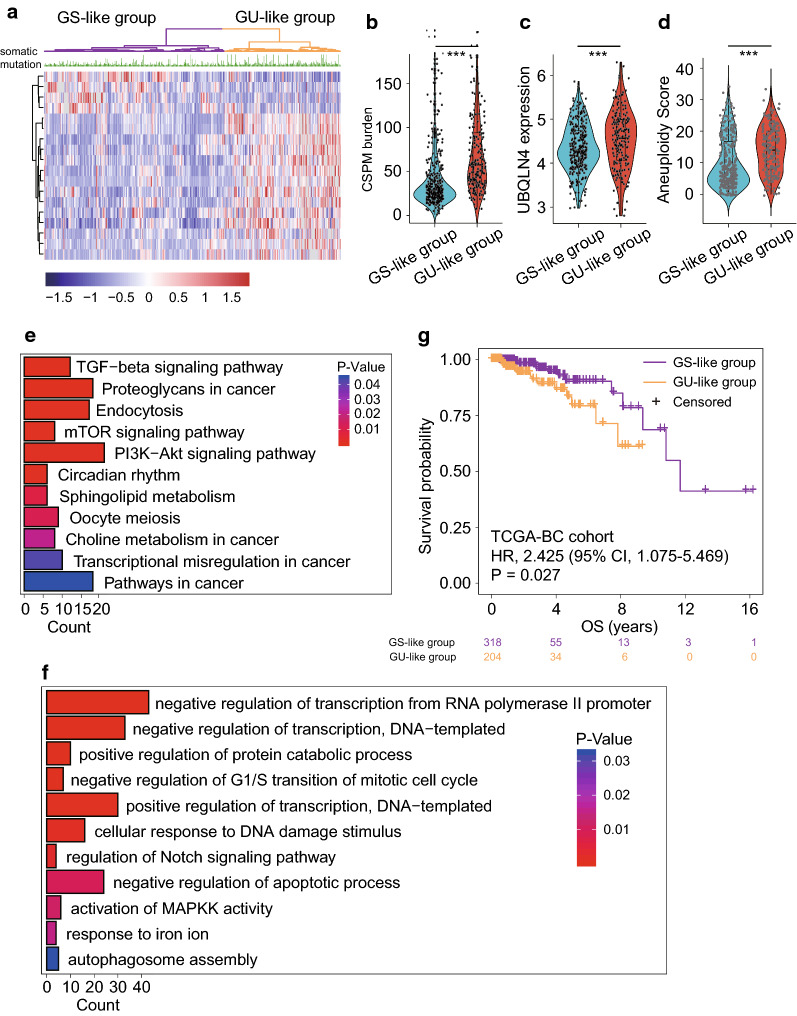
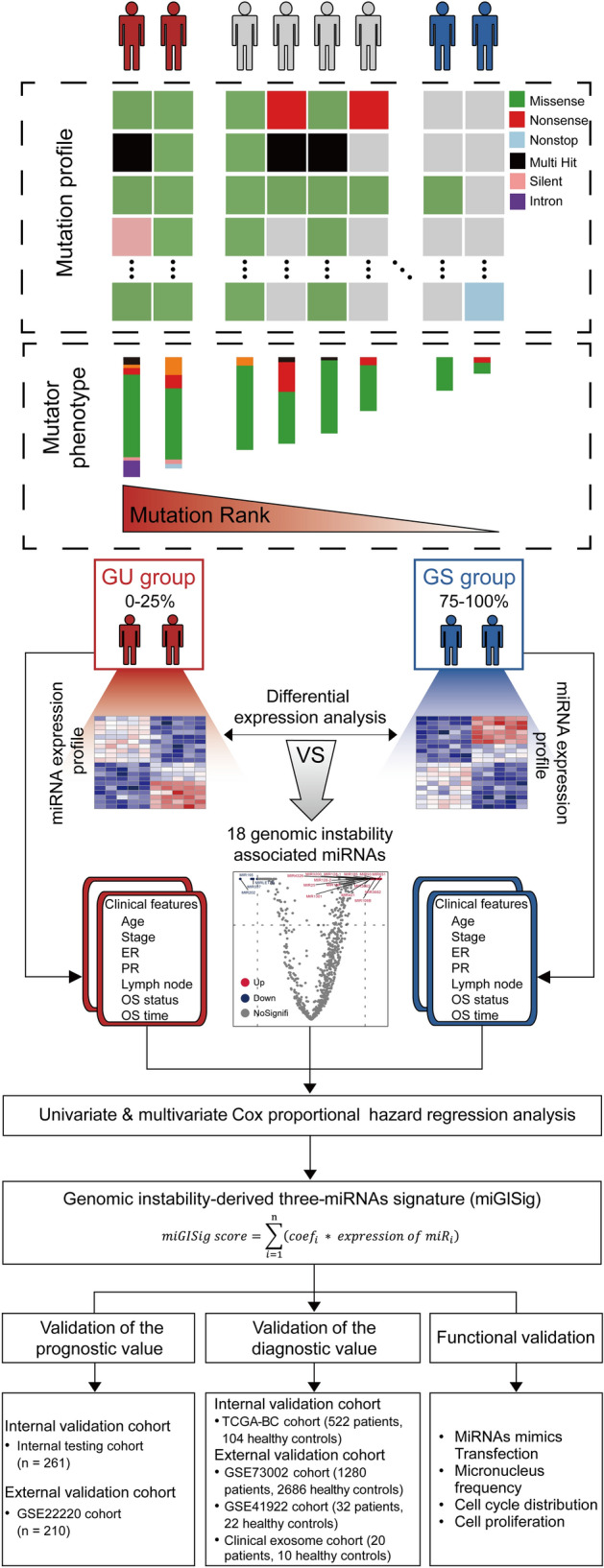
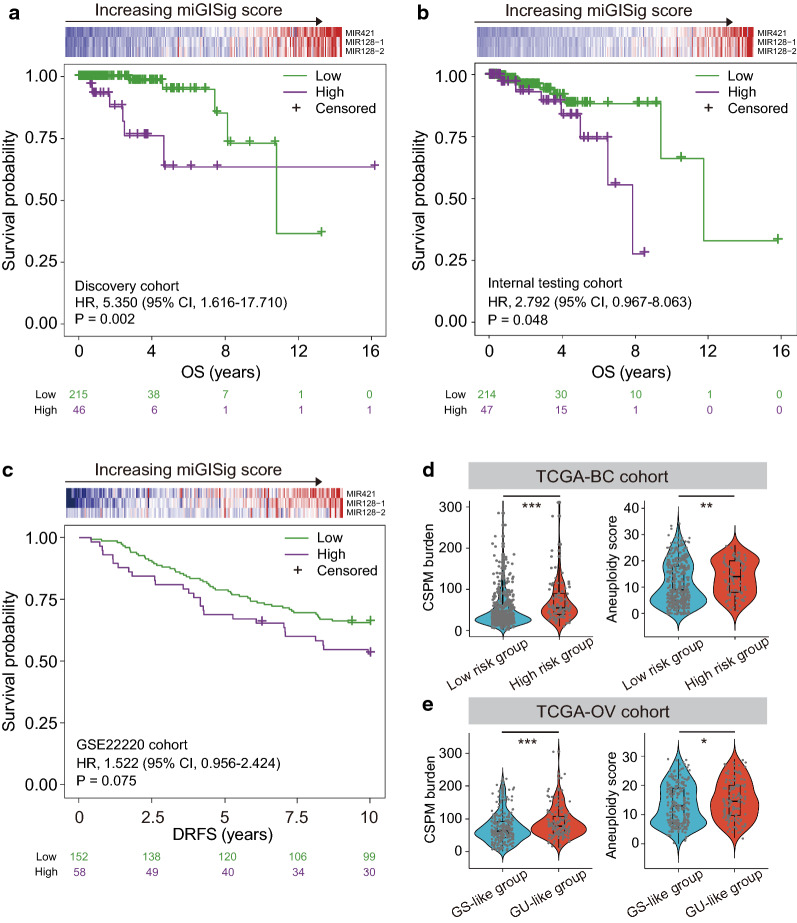
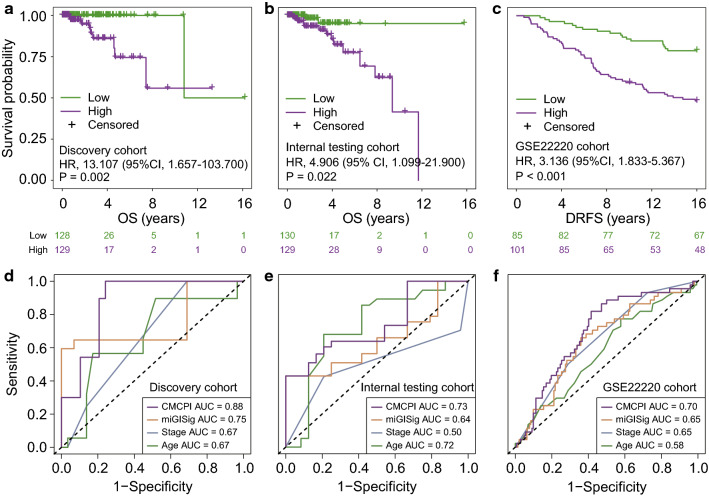
Integrative analysis of miRNA expression and somatic mutation profiles was performed to identify GI-associated miRNAs. Then, we constructed a discovery and validation study with multicenter prospective cohorts. The GI-derived miRNA signature (miGISig) was developed in the TCGA discovery cohort (n = 261), and was subsequently independently validated in internal TCGA validation (n = 261) and GSE22220 (n = 210) cohorts for prognosis prediction, and in GSE73002 (n = 3966), GSE41922 (n = 54), and in-house clinical exosome (n = 30) cohorts for diagnostic performance.
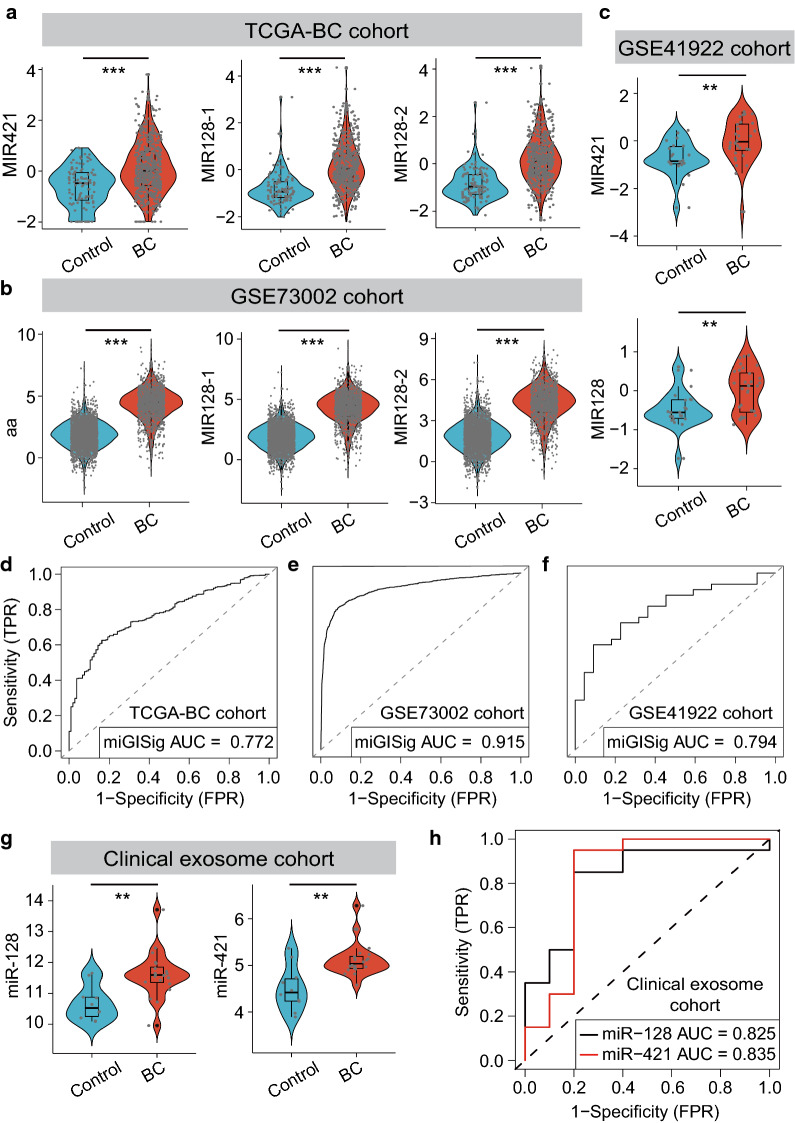
We identified a GI-derived three miRNA signature (MIR421, MIR128-1 and MIR128-2) in the serum extracellular vesicles of BC patients, which was significantly associated with poor prognosis in all the cohorts tested and remained as an independent prognostic factor using multivariate analyses. When integrated with the clinical characteristics, the composite miRNA-clinical prognostic indicator showed improved prognostic performance. The miGISig also showed high accuracy in differentiating BC from healthy controls with the area under the receiver operating characteristics curve (ROC) with 0.915, 0.794 and 0.772 in GSE73002, GSE41922 and TCGA cohorts, respectively. Furthermore, circulating EVs from BC patients in the in-house cohort harbored elevated levels of miGISig, with effective diagnostic accuracy.
We report a novel GI-derived three miRNA signature in EVs, as an excellent minimally invasive biomarker for the early diagnosis and unfavorable prognosis in BC.
乳腺癌(BC)是最常见的癌症,也是女性癌症相关死亡的主要原因。最近的研究表明,基因组不稳定性(GI)中的 microRNA(miRNA)调控与疾病风险和临床预后相关。在此,我们旨在确定细胞外囊泡(EVs)中 GI 衍生的 miRNA 特征,作为早期诊断和预后风险分层的微创生物标志物。
进行 miRNA 表达和体细胞突变谱的综合分析,以确定与 GI 相关的 miRNA。然后,我们构建了一个具有多中心前瞻性队列的发现和验证研究。在 TCGA 发现队列(n=261)中构建了 GI 衍生的 miRNA 特征(miGISig),随后在内部 TCGA 验证队列(n=261)和 GSE22220 队列(n=210)中进行了预后预测的独立验证,在 GSE73002 队列(n=3966)、GSE41922 队列(n=54)和内部临床外泌体队列(n=30)中进行了诊断性能的验证。
我们在 BC 患者的血清细胞外囊泡中鉴定出一个 GI 衍生的三个 miRNA 特征(MIR421、MIR128-1 和 MIR128-2),该特征在所有测试的队列中与不良预后显著相关,并在多变量分析中仍然是一个独立的预后因素。当与临床特征相结合时,复合 miRNA-临床预后指标显示出更好的预后性能。miGISig 在区分 BC 与健康对照方面也具有较高的准确性,在 GSE73002、GSE41922 和 TCGA 队列中,ROC 曲线下面积分别为 0.915、0.794 和 0.772。此外,来自内部队列的 BC 患者的循环 EVs 中存在升高的 miGISig 水平,具有有效的诊断准确性。
我们报告了一种新型的 EVs 中 GI 衍生的三个 miRNA 特征,作为 BC 早期诊断和不良预后的优秀微创生物标志物。