Multi-Interprofessional Center for Health Informatics, The University of Texas at Arlington, Arlington, Texas, United States.
Public Affairs, RAD Team, Ipsos, New York, New York, United States.
Appl Clin Inform. 2021 Aug;12(4):944-953. doi: 10.1055/s-0041-1735973. Epub 2021 Oct 6.
The dramatic increase in complexity and volume of health data has challenged traditional health systems to deliver useful information to their users. The novel coronavirus disease 2019 (COVID-19) pandemic has further exacerbated this problem and demonstrated the critical need for the 21st century approach. This approach needs to ingest relevant, diverse data sources, analyze them, and generate appropriate health intelligence products that enable users to take more effective and efficient actions for their specific challenges.
This article characterizes the Health Intelligence Atlas (HI-Atlas) development and implementation to produce Public Health Intelligence (PHI) that supports identifying and prioritizing high-risk communities by public health authorities. The HI-Atlas moves from post hoc observations to a proactive model-based approach for preplanning COVID-19 vaccine preparedness, distribution, and assessing the effectiveness of those plans.
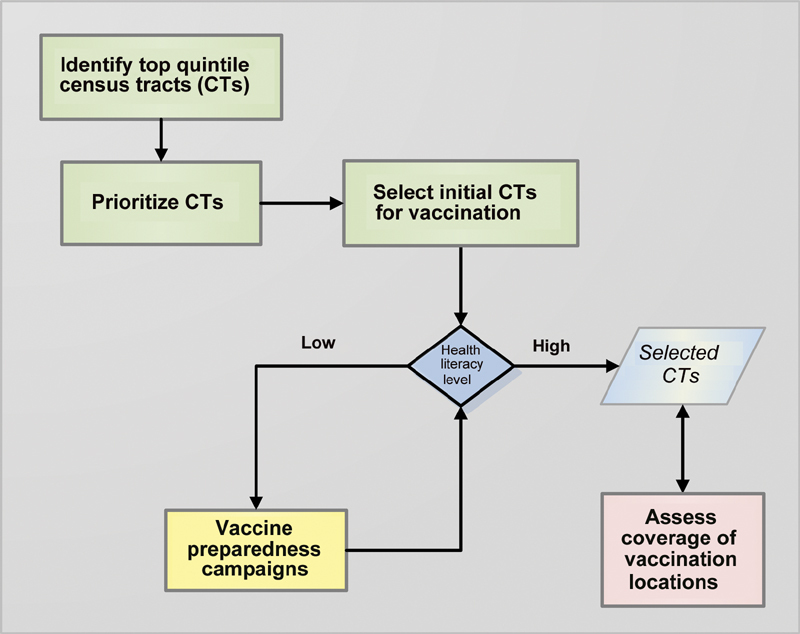
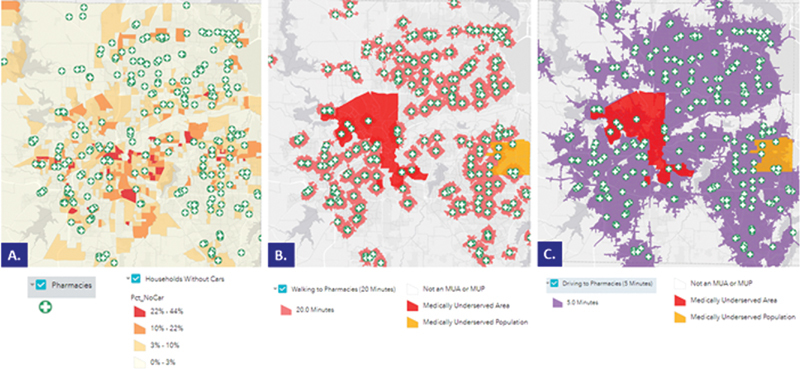
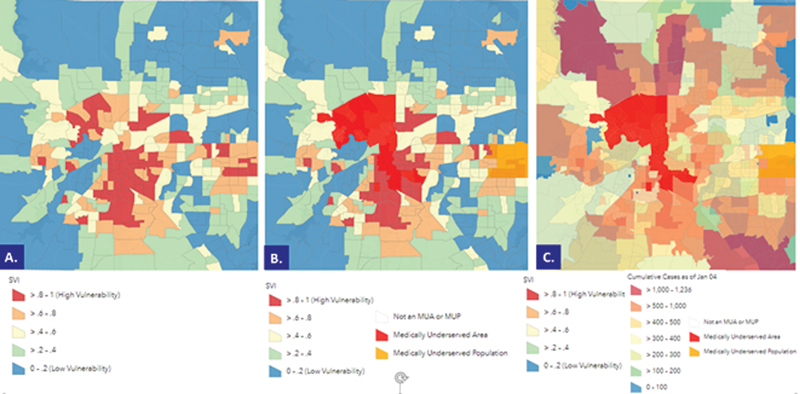
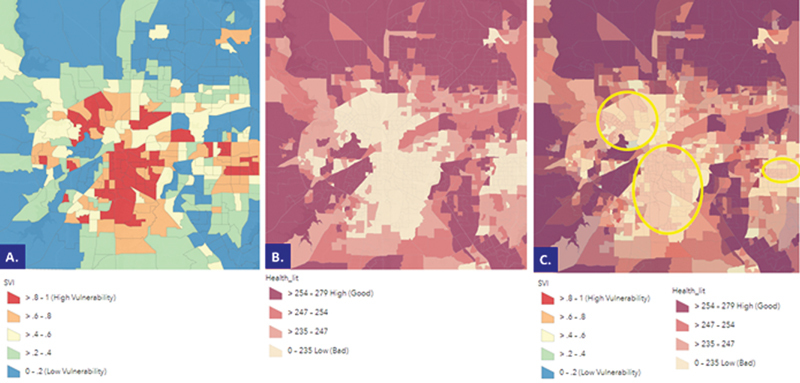
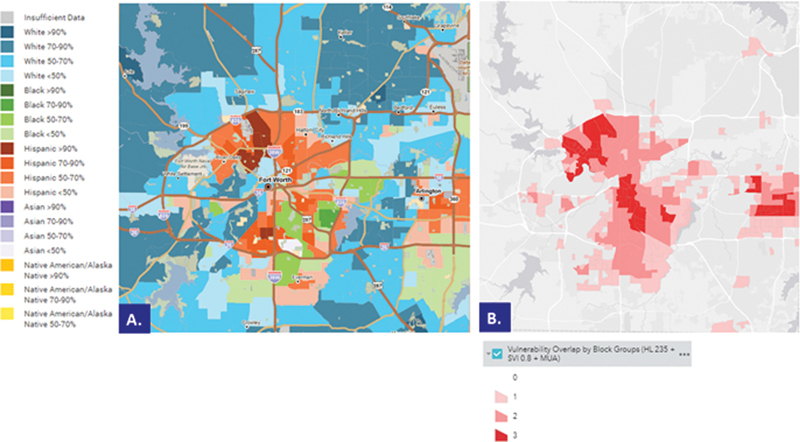
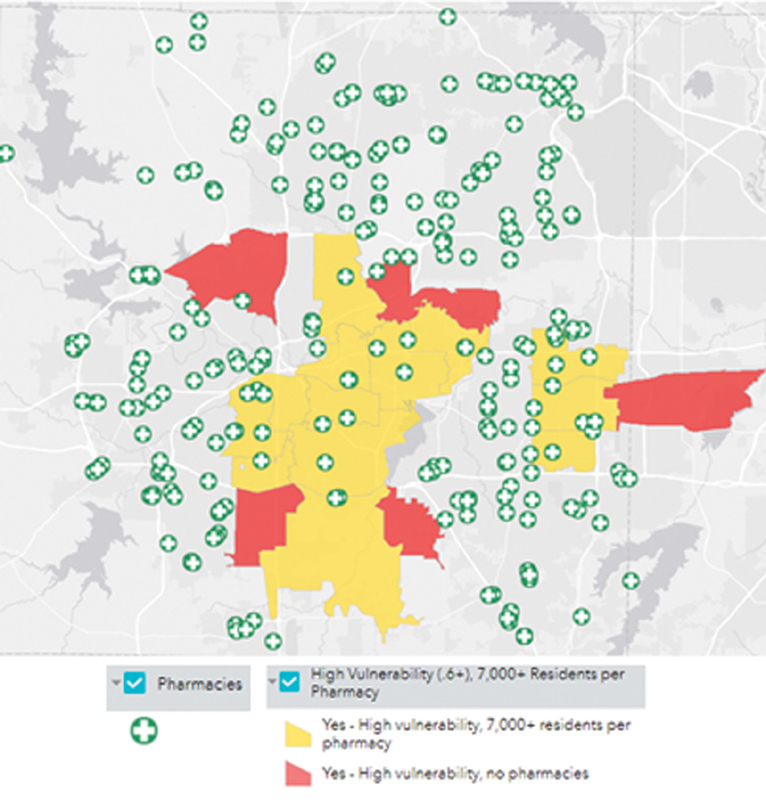
Details are presented on how the HI-Atlas merged traditional surveillance data with social intelligence multidimensional data streams to produce the next level of health intelligence. Two-model use cases in a large county demonstrate how the HI-Atlas produced relevant PHI to inform public health decision makers to (1) support identification and prioritization of vulnerable communities at risk for COVID-19 spread and vaccine hesitancy, and (2) support the implementation of a generic model for planning equitable COVID-19 vaccine preparedness and distribution.
The scalable models of data sources, analyses, and smart hybrid data layer visualizations implemented in the HI-Atlas are the Health Intelligence tools designed to support real-time proactive planning and monitoring for COVID-19 vaccine preparedness and distribution in counties and states.
健康数据的复杂性和数量的急剧增加,使得传统的卫生系统难以向用户提供有用的信息。新型冠状病毒病 2019(COVID-19)大流行进一步加剧了这一问题,突显了 21 世纪方法的必要性。这种方法需要摄取相关的、多样化的数据来源,对其进行分析,并生成适当的健康情报产品,使用户能够针对其特定挑战采取更有效和高效的行动。
本文介绍了健康情报图谱(HI-Atlas)的开发和实施情况,以生成公共卫生情报(PHI),支持公共卫生当局识别和优先考虑高风险社区。HI-Atlas 从事后观察转变为基于模型的主动方法,为 COVID-19 疫苗准备、分发和评估这些计划的效果做准备。
本文介绍了 HI-Atlas 如何将传统的监测数据与社会情报多维数据流相结合,以生成更高层次的健康情报。在一个大县的两个模型用例中,展示了 HI-Atlas 如何生成相关的 PHI,为公共卫生决策者提供信息,以(1)支持识别和优先考虑易受 COVID-19 传播和疫苗犹豫影响的脆弱社区,以及(2)支持实施通用模型,以规划公平的 COVID-19 疫苗准备和分发。
HI-Atlas 中实施的可扩展数据源模型、分析和智能混合数据层可视化模型是健康情报工具,旨在支持县和州 COVID-19 疫苗准备和分发的实时主动规划和监测。