School of Chemistry and Life science, Suzhou University of Science and Technology, Suzhou, 215009, China.
School of Radiation Medicine and Protection, Medical College of Soochow University, Suzhou, 215123, China.
Environ Health Prev Med. 2021 Oct 11;26(1):103. doi: 10.1186/s12199-021-01021-4.
Exposure to the ionizing radiation (IR) encountered outside the magnetic field of the Earth poses a persistent threat to the reproductive functions of astronauts. The potential effects of space IR on the circadian rhythms of male reproductive functions have not been well characterized so far.
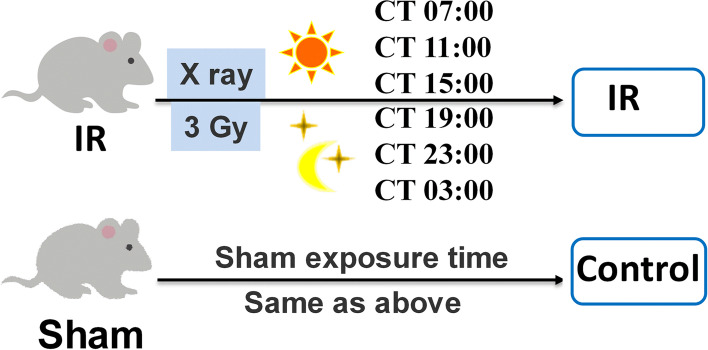
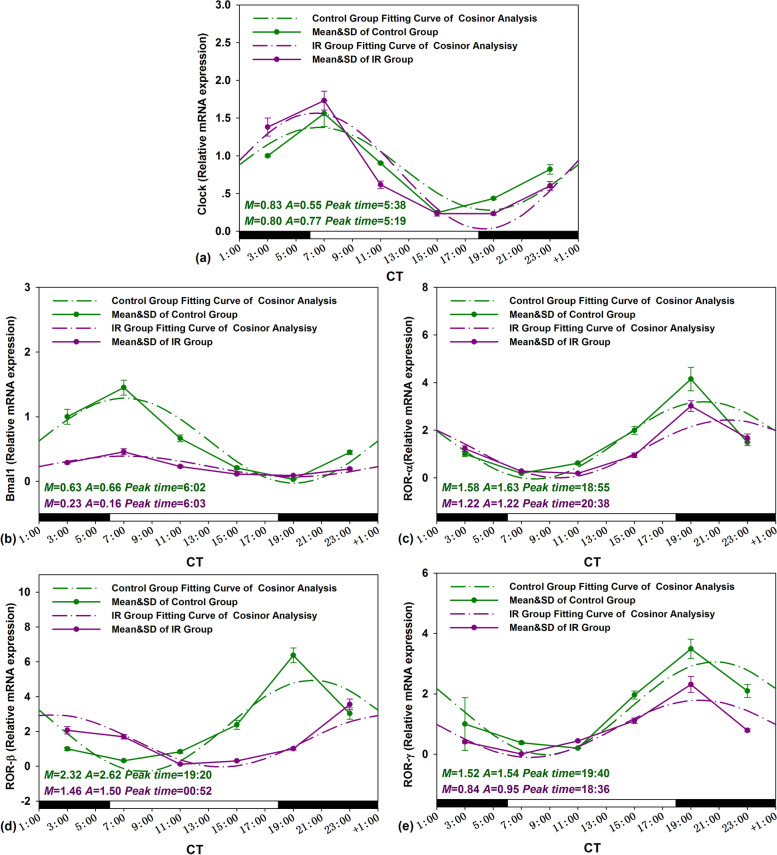
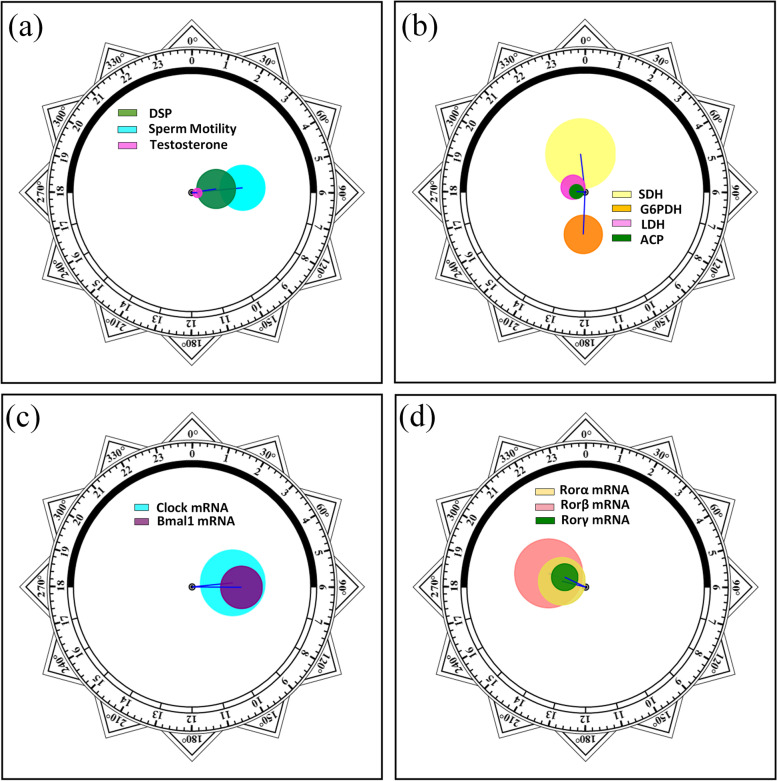
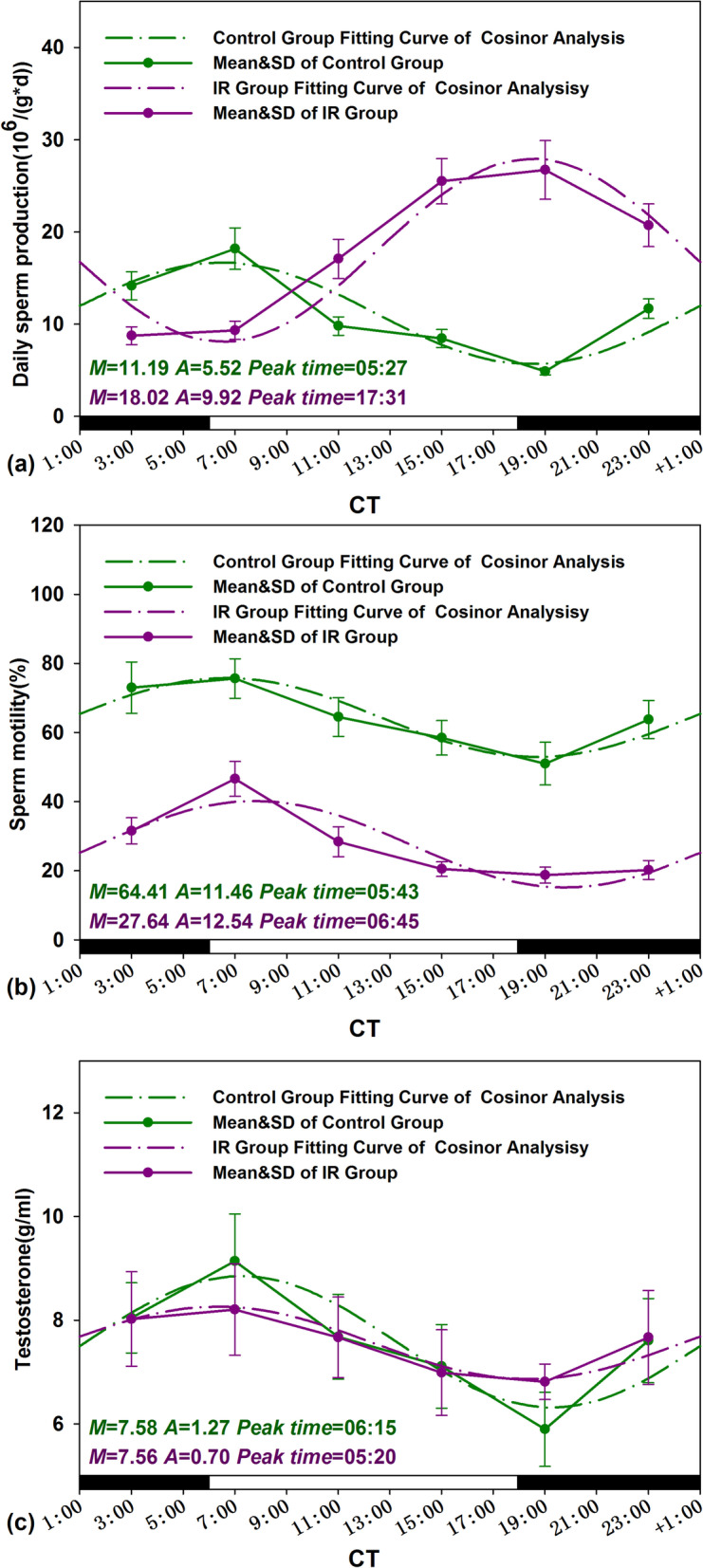
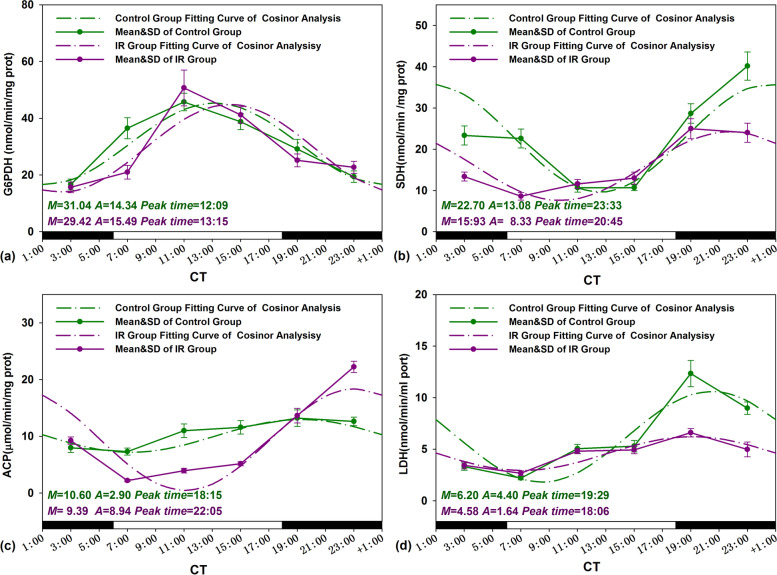
Here, we investigated the circadian effects of IR exposure (3 Gy X-rays) on reproductive functional markers in mouse testicular tissue and epididymis at regular intervals over a 24-h day. For each animal, epididymis was tested for sperm motility, and the testis tissue was used for daily sperm production (DSP), testosterone levels, and activities of testicular enzymes (glucose-6-phosphate dehydrogenase (G6PDH), sorbitol dehydrogenase (SDH), lactic dehydrogenase (LDH), and acid phosphatase (ACP)), and the clock genes mRNA expression such as Clock, Bmal1, Ror-α, Ror-β, or Ror-γ.
Mice exposed to IR exhibited a disruption in circadian rhythms of reproductive markers, as indicated by decreased sperm motility, increased daily sperm production (DSP), and reduced activities of testis enzymes such as G6PDH, SDH, LDH, and ACP. Moreover, IR exposure also decreased mRNA expression of five clock genes (Clock, Bmal1, Ror-α, Ror-β, or Ror-γ) in testis, with alteration in the rhythm parameters.
These findings suggested potential health effects of IR exposure on reproductive functions of male astronauts, in terms of both the daily overall level as well as the circadian rhythmicity.
宇航员在地球磁场外会接触到电离辐射(IR),这对其生殖功能构成持续威胁。迄今为止,空间 IR 对男性生殖功能昼夜节律的潜在影响尚未得到很好的描述。
在这里,我们研究了 IR 暴露(3 Gy X 射线)对小鼠睾丸组织和附睾中生殖功能标志物在 24 小时内的昼夜节律的影响。对于每只动物,测试附睾中的精子活力,并用睾丸组织进行每日精子产生(DSP)、睾酮水平以及睾丸酶(葡萄糖-6-磷酸脱氢酶(G6PDH)、山梨醇脱氢酶(SDH)、乳酸脱氢酶(LDH)和酸性磷酸酶(ACP))的活性,以及时钟基因如 Clock、Bmal1、Ror-α、Ror-β 或 Ror-γ的 mRNA 表达。
暴露于 IR 的小鼠表现出生殖标志物昼夜节律的破坏,表现为精子活力降低、每日精子产生(DSP)增加以及睾丸酶如 G6PDH、SDH、LDH 和 ACP 的活性降低。此外,IR 暴露还降低了睾丸中五个时钟基因(Clock、Bmal1、Ror-α、Ror-β 或 Ror-γ)的 mRNA 表达,节律参数也发生了改变。
这些发现表明,IR 暴露对男性宇航员的生殖功能可能存在健康影响,既包括日常整体水平,也包括昼夜节律性。