Department of Electronic Engineering, Kwangwoon University, Seoul 01897, Korea.
Sensors (Basel). 2021 Oct 8;21(19):6682. doi: 10.3390/s21196682.
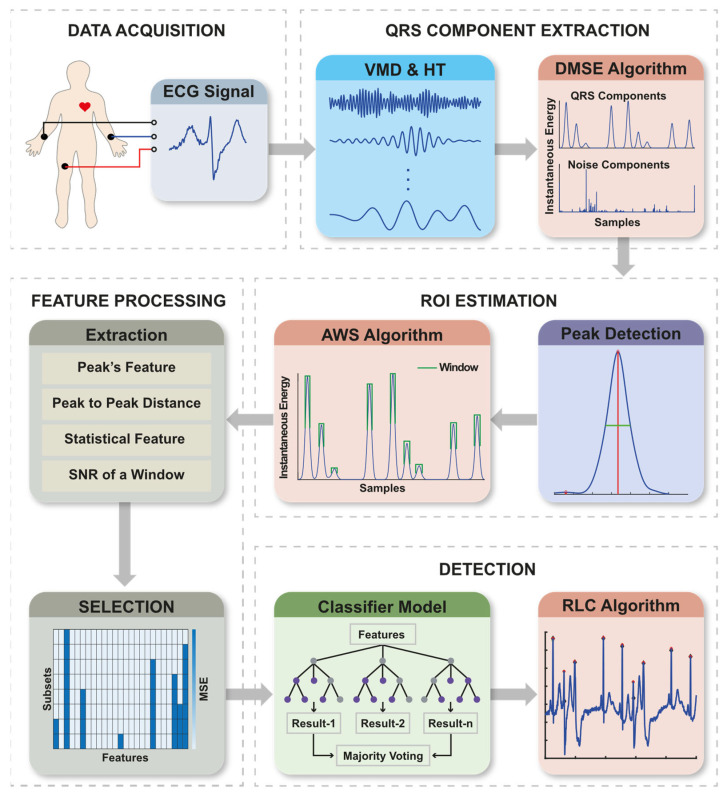
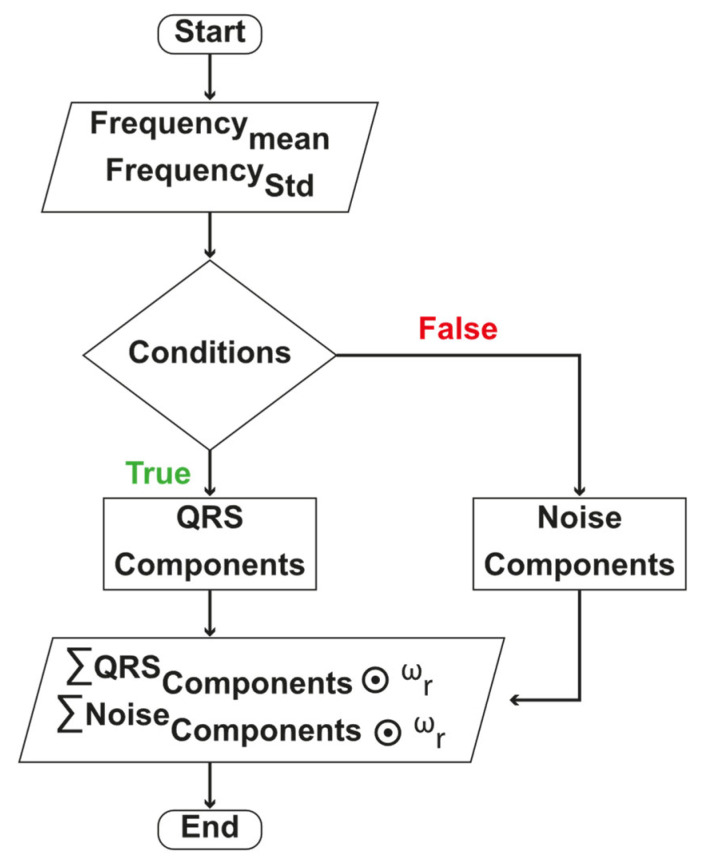
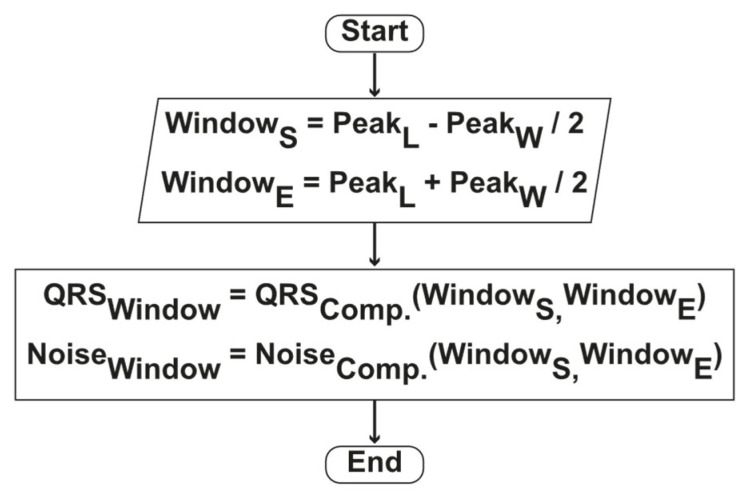
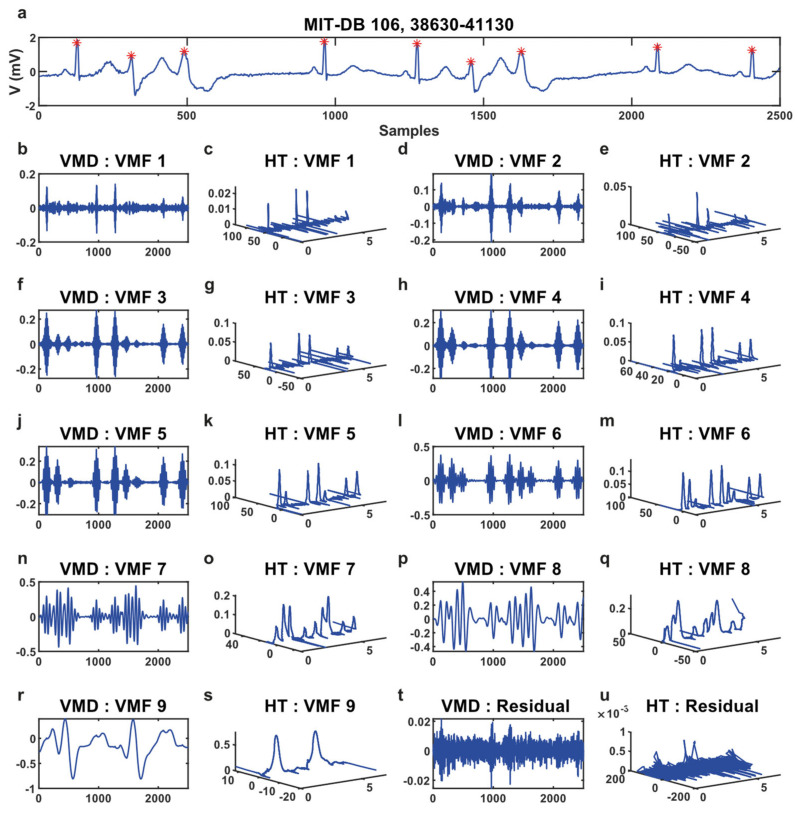
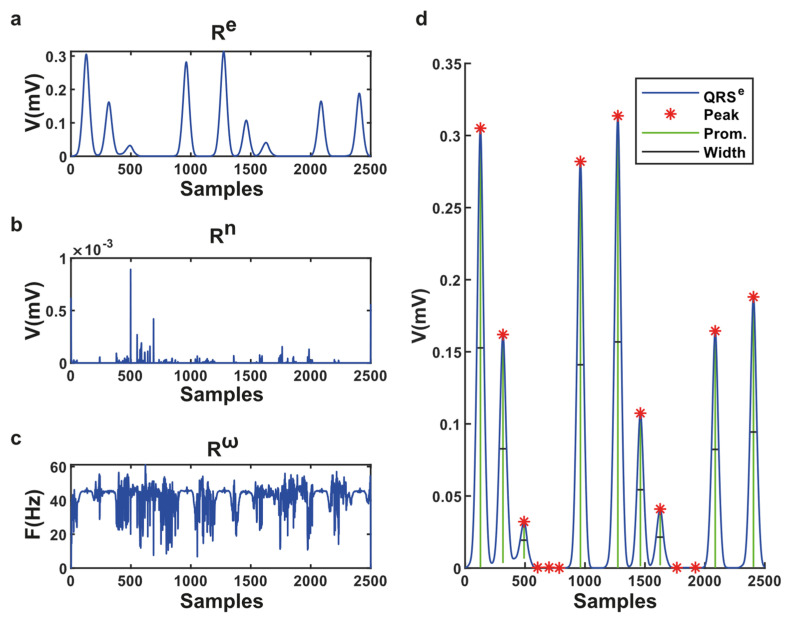
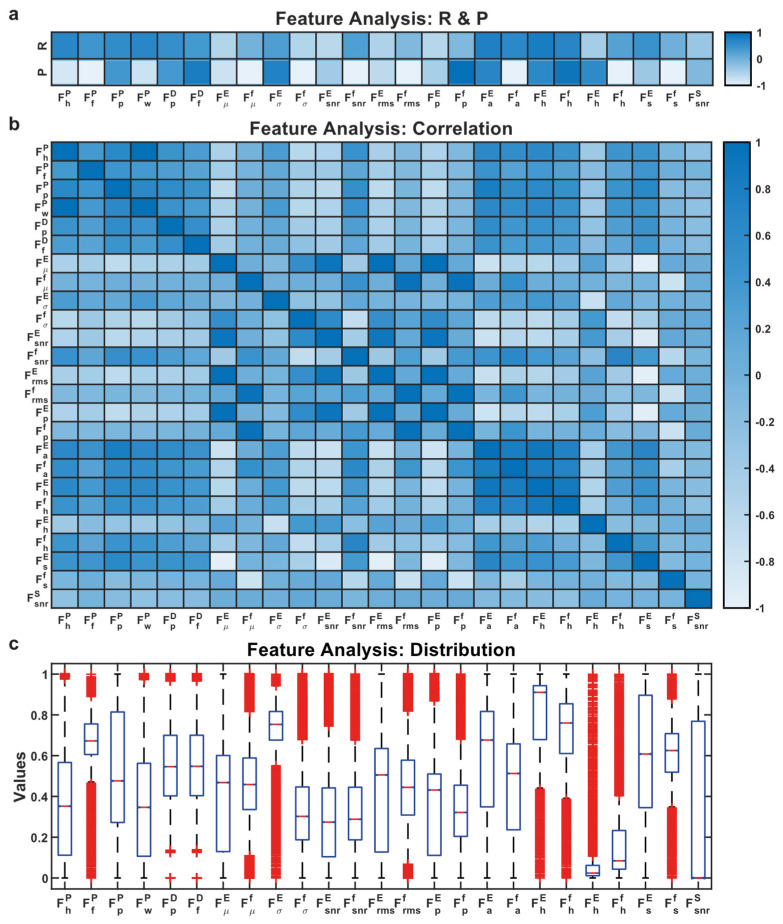
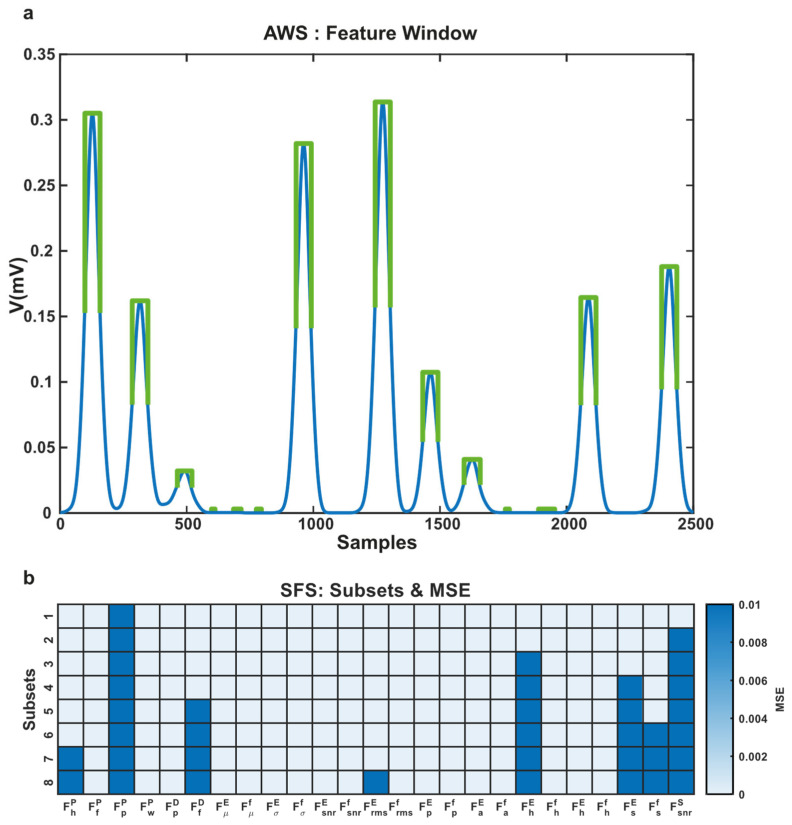
R peak detection is crucial in electrocardiogram (ECG) signal analysis to detect and diagnose cardiovascular diseases (CVDs). Herein, the dynamic mode selected energy (DMSE) and adaptive window sizing (AWS) algorithm are proposed for detecting R peaks with better efficiency. The DMSE algorithm adaptively separates the QRS components and all non-objective components from the ECG signal. Based on local peaks in QRS components, the AWS algorithm adaptively determines the Region of Interest (ROI). The Feature Extraction process computes the statistical properties of energy, frequency, and noise from each ROI. The Sequential Forward Selection (SFS) procedure is used to find the best subsets of features. Based on these characteristics, an ensemble of decision tree algorithms detects the R peaks. Finally, the R peak position on the initial ECG signal is adjusted using the R location correction (RLC) algorithm. The proposed method has an experimental accuracy of 99.94%, a sensitivity of 99.98%, positive predictability of 99.96%, and a detection error rate of 0.06%. Given the high efficiency in detection and fast processing speed, the proposed approach is ideal for intelligent medical and wearable devices in the diagnosis of CVDs.
R 波峰检测在心电图(ECG)信号分析中至关重要,可用于检测和诊断心血管疾病(CVDs)。在此,提出了动态模式选择能量(DMSE)和自适应窗口大小(AWS)算法,以提高 R 波峰检测的效率。DMSE 算法自适应地将 QRS 分量和所有非目标分量从 ECG 信号中分离出来。基于 QRS 分量中的局部峰值,AWS 算法自适应地确定感兴趣区域(ROI)。特征提取过程计算每个 ROI 的能量、频率和噪声的统计特性。顺序前向选择(SFS)过程用于找到特征的最佳子集。基于这些特征,集成决策树算法检测 R 波峰。最后,使用 R 位置校正(RLC)算法调整初始 ECG 信号上的 R 波峰位置。该方法的实验准确率为 99.94%,灵敏度为 99.98%,阳性预测率为 99.96%,检测误差率为 0.06%。鉴于其检测效率高、处理速度快,该方法非常适合智能医疗和可穿戴设备在 CVDs 诊断中的应用。