Department of Infectious Diseases, Key Laboratory of Liver Disease of Guangdong Province, The Third Affiliated Hospital of Sun Yat-sen University, Guangzhou, China.
Guangzhou Women and Children's Medical Center, Guangzhou Medical University, Guangzhou, China.
Front Immunol. 2021 Sep 27;12:720841. doi: 10.3389/fimmu.2021.720841. eCollection 2021.
Biliary atresia (BA) is a severe cholangiopathy of early infancy that destroys cholangiocytes, obstructs ductular pathways and if left untreated, culminates to liver cirrhosis. Mechanisms underlying the etiological heterogeneity remain elusive and few studies have attempted phenotyping BA. We applied machine learning to identify distinct subtypes of BA which correlate with the underlying pathogenesis.
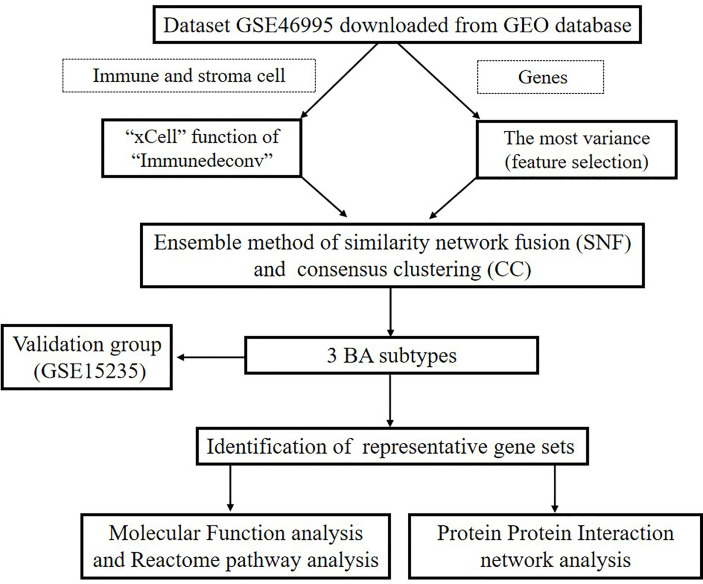
The BA microarray dataset GSE46995 was downloaded from the Gene Expression Omnibus (GEO) database. Unsupervised hierarchical cluster analysis was performed to identify BA subtypes. Then, functional enrichment analysis was applied and hub genes identified to explore molecular mechanisms associated with each subtype. An independent dataset GSE15235 was used for validation process.
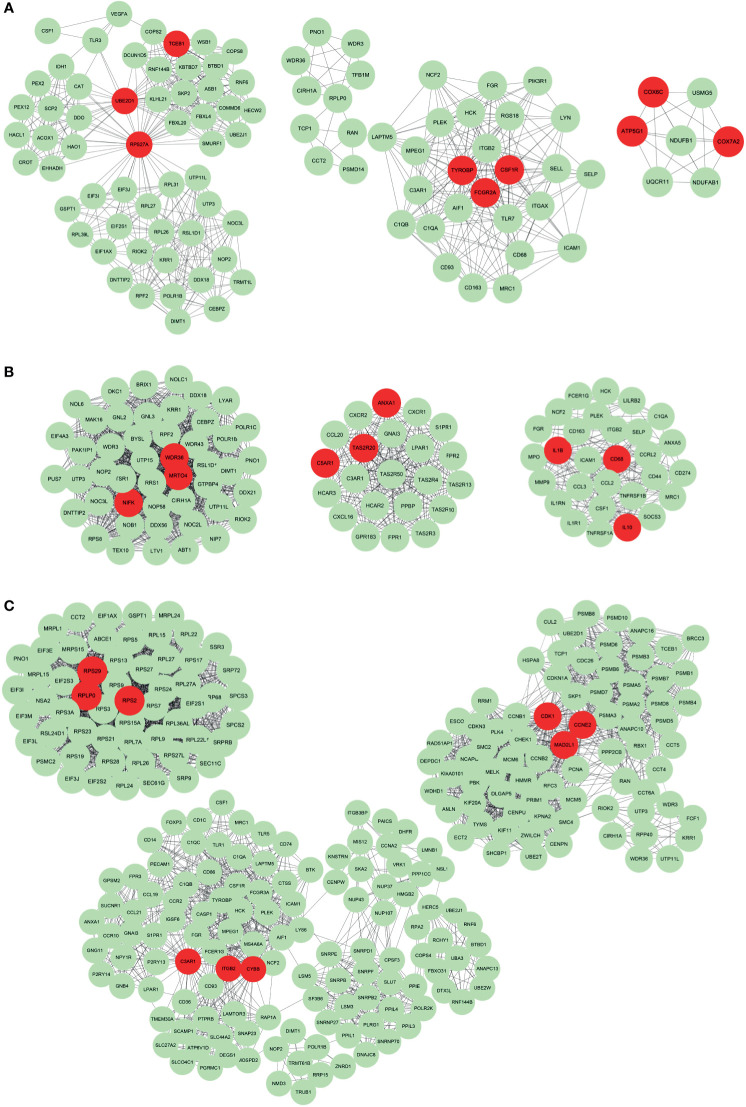
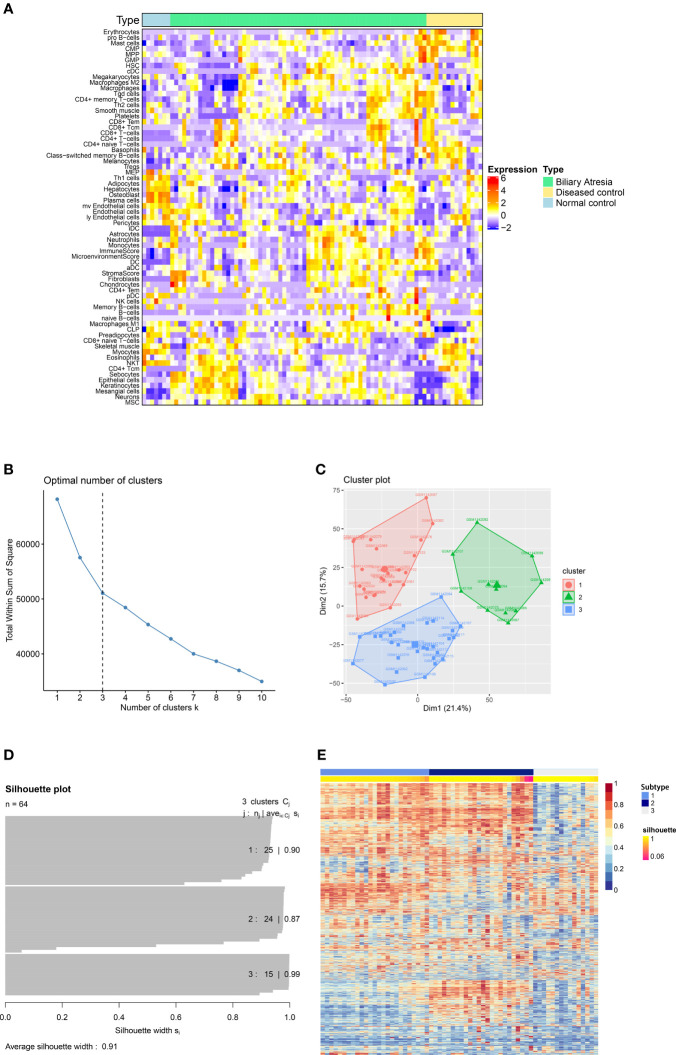
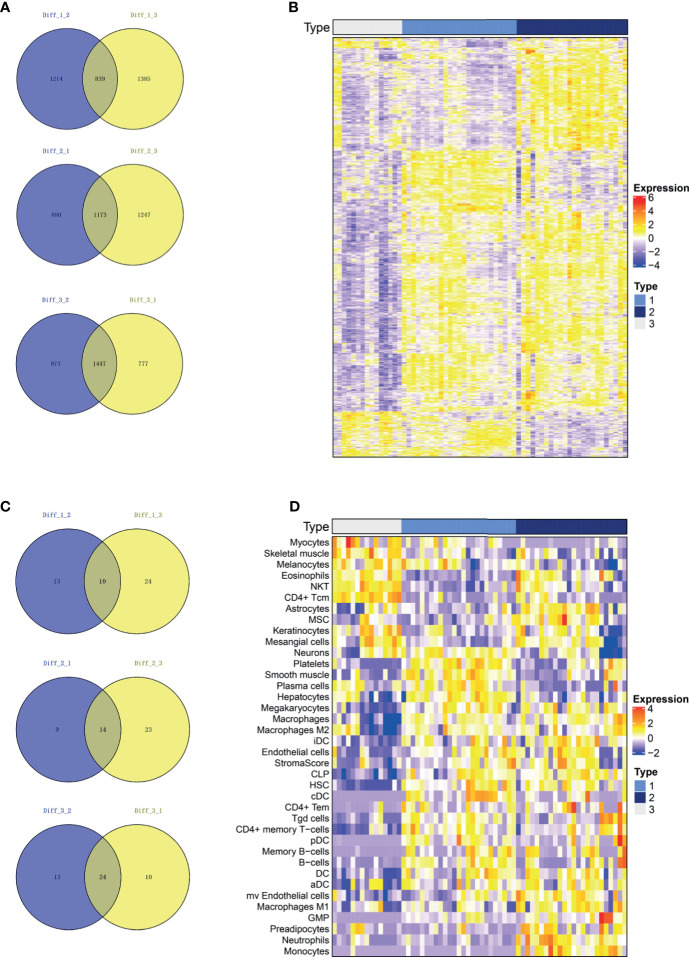
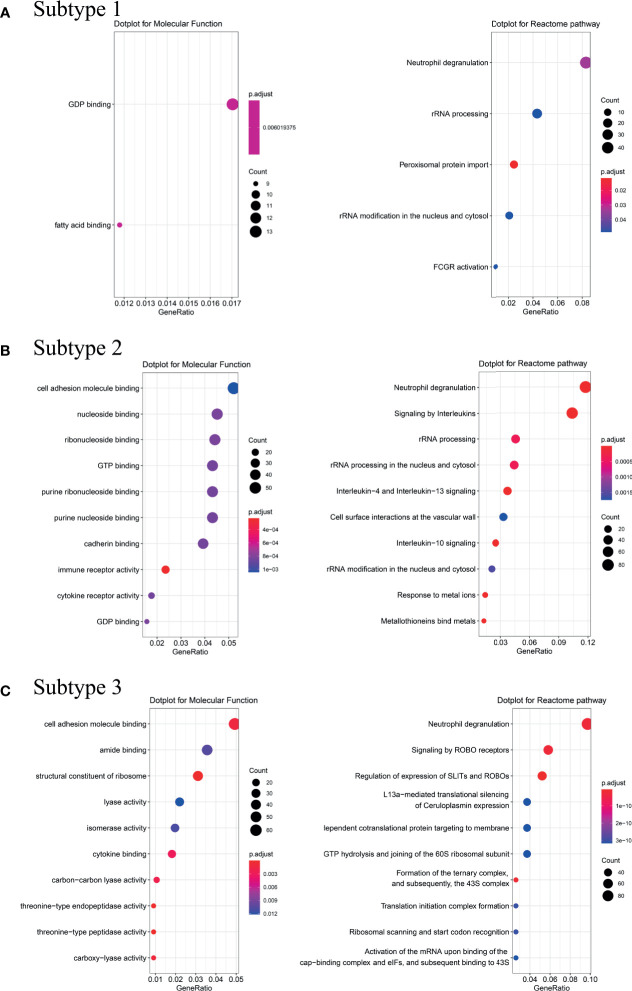
Based on unsupervised cluster analysis, BA patients can be classified into three distinct subtypes: Autoimmune, Viral and Embryonic subtypes. Functional analysis of Subtype 1 correlated with Fc Gamma Receptor (FCGR) activation and hub gene , suggesting an autoimmune response targeting bile ducts. Subtype 2 was associated with immune receptor activity, cytokine receptor, signaling by interleukins, viral protein interaction, suggesting BA is associated with viral infection. Subtype 3 was associated with signaling and regulation of expression of Robo receptors and hub gene , corresponding to embryonic BA. Moreover, Reactome pathway analysis showed Neutrophil degranulation pathway enrichment in all subtypes, suggesting it may result from an early insult that leads to biliary stasis.
The classification of BA into different subtypes improves our current understanding of the underlying pathogenesis of BA and provides new insights for future studies.
先天性胆道闭锁(BA)是一种严重的婴儿期胆管病,可破坏胆管细胞,阻塞胆管途径,如果不治疗,最终会导致肝硬化。其病因学异质性的机制仍不清楚,很少有研究试图对 BA 进行表型分析。我们应用机器学习来识别与潜在发病机制相关的不同 BA 亚型。
从基因表达综合数据库(GEO)下载 BA 微阵列数据集 GSE46995。进行无监督层次聚类分析以识别 BA 亚型。然后,进行功能富集分析,识别与每个亚型相关的枢纽基因,以探讨相关的分子机制。使用独立数据集 GSE15235 进行验证过程。
基于无监督聚类分析,BA 患者可分为三个不同亚型:自身免疫型、病毒型和胚胎型。亚型 1 的功能分析与 Fc 伽马受体(FCGR)激活和枢纽基因相关,提示针对胆管的自身免疫反应。亚型 2 与免疫受体活性、细胞因子受体、白细胞介素信号、病毒蛋白相互作用相关,提示 BA 与病毒感染有关。亚型 3 与 Robo 受体的信号和表达调控相关,与枢纽基因相关,对应于胚胎型 BA。此外,Reactome 途径分析显示所有亚型中均存在嗜中性粒细胞脱颗粒途径富集,提示这可能是导致胆汁淤积的早期损伤所致。
将 BA 分为不同亚型可提高我们对 BA 潜在发病机制的理解,并为未来的研究提供新的见解。