University Côte d'Azur, Institute for Research on Cancer and Aging of Nice (IRCAN), CNRS UMR 7284; INSERM U1081, Centre Antoine Lacassagne, 06189 Nice, France.
LIA ROPSE, Laboratoire International Associé Université Côte d'Azur - Centre Scientifique de Monaco.
Theranostics. 2021 Sep 21;11(19):9571-9586. doi: 10.7150/thno.61711. eCollection 2021.
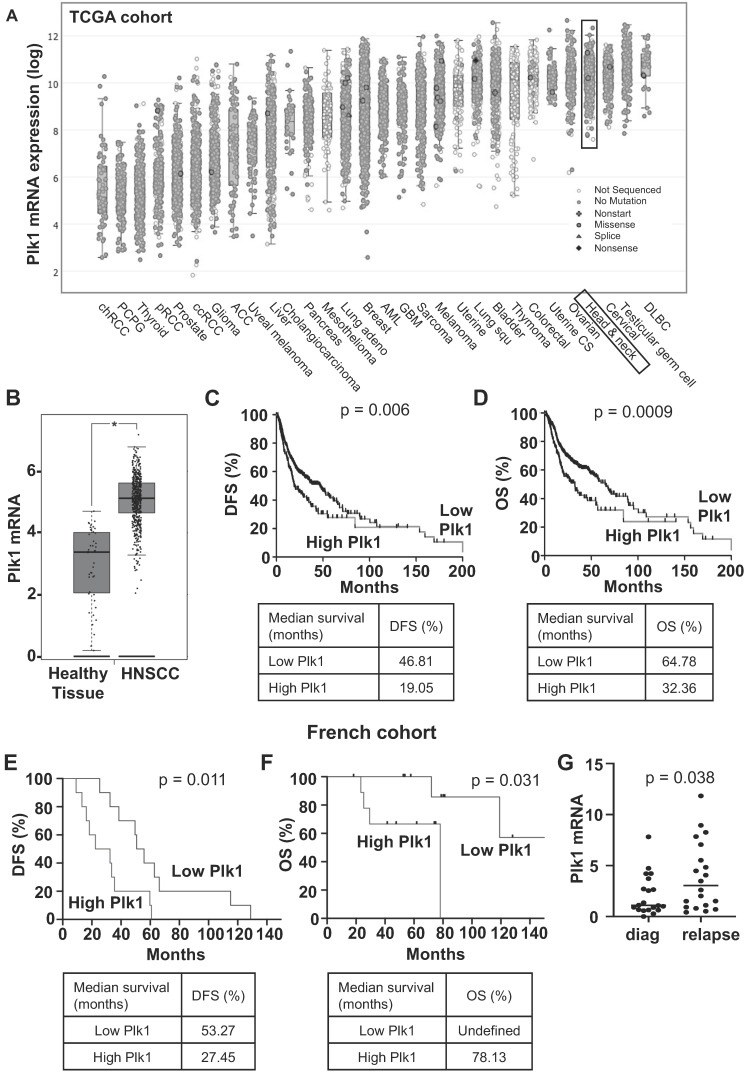
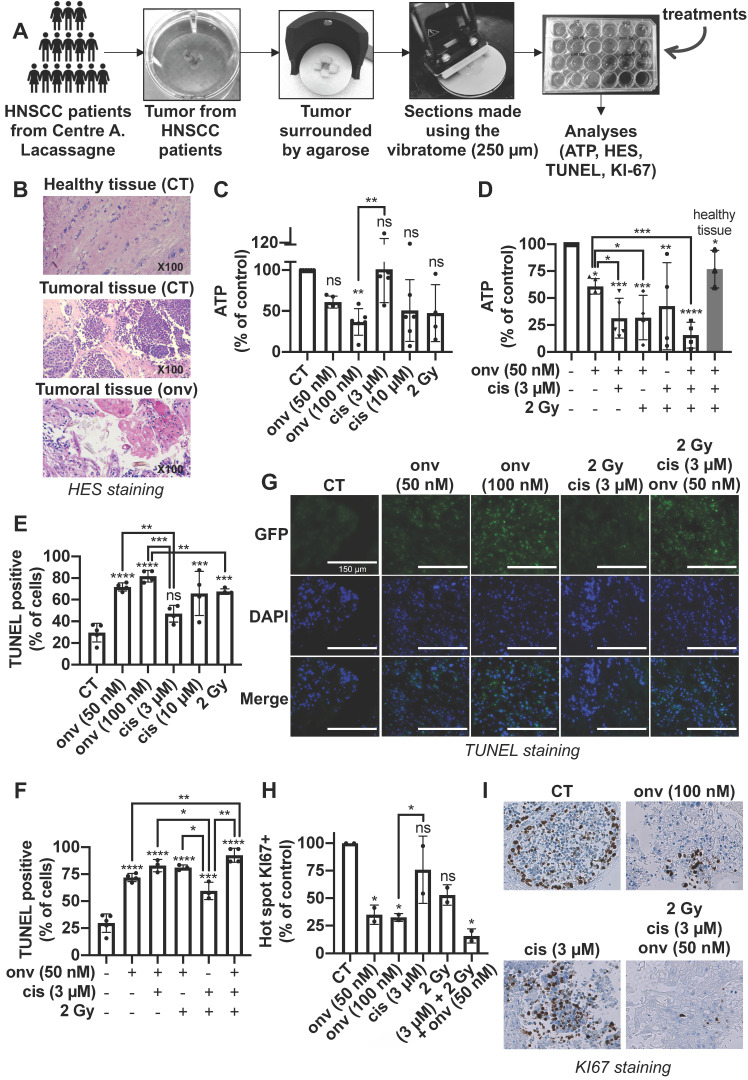
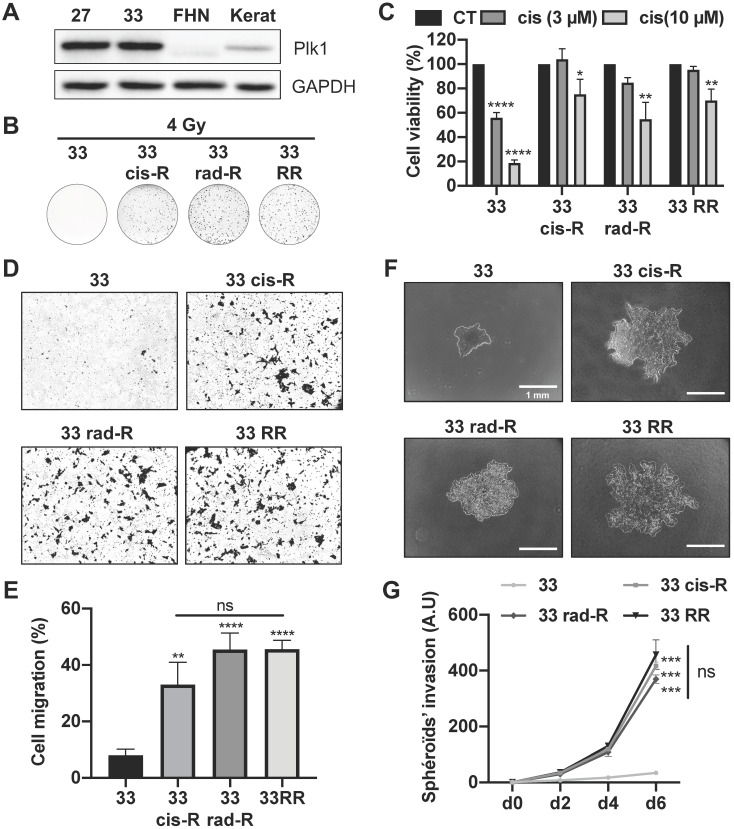
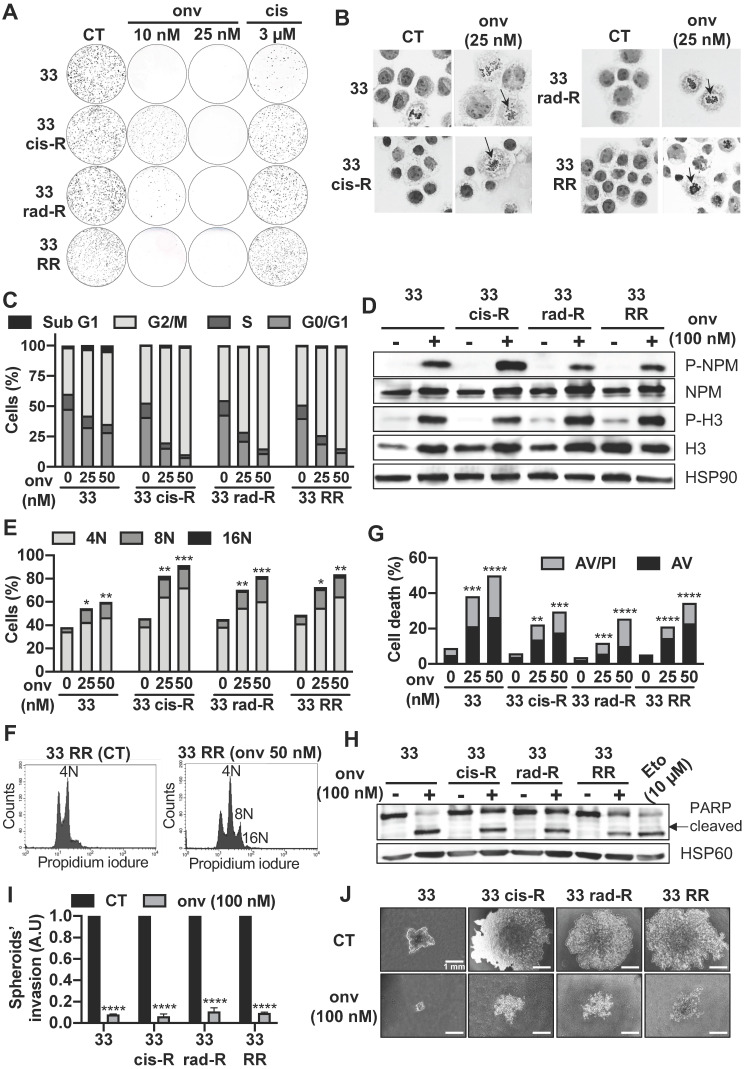
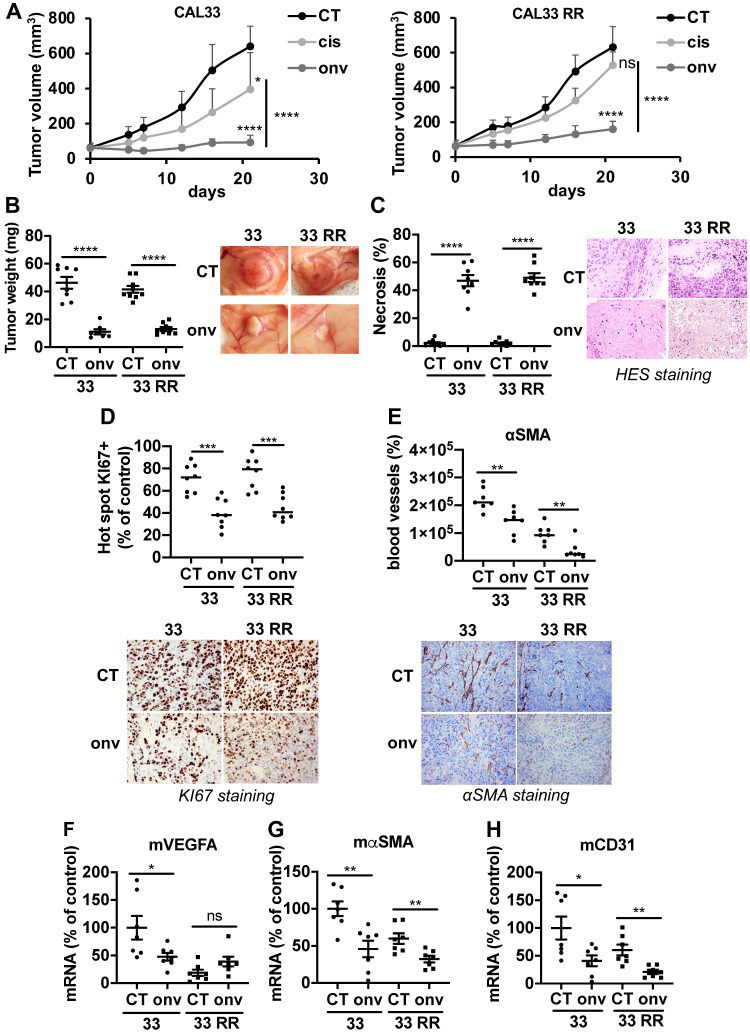
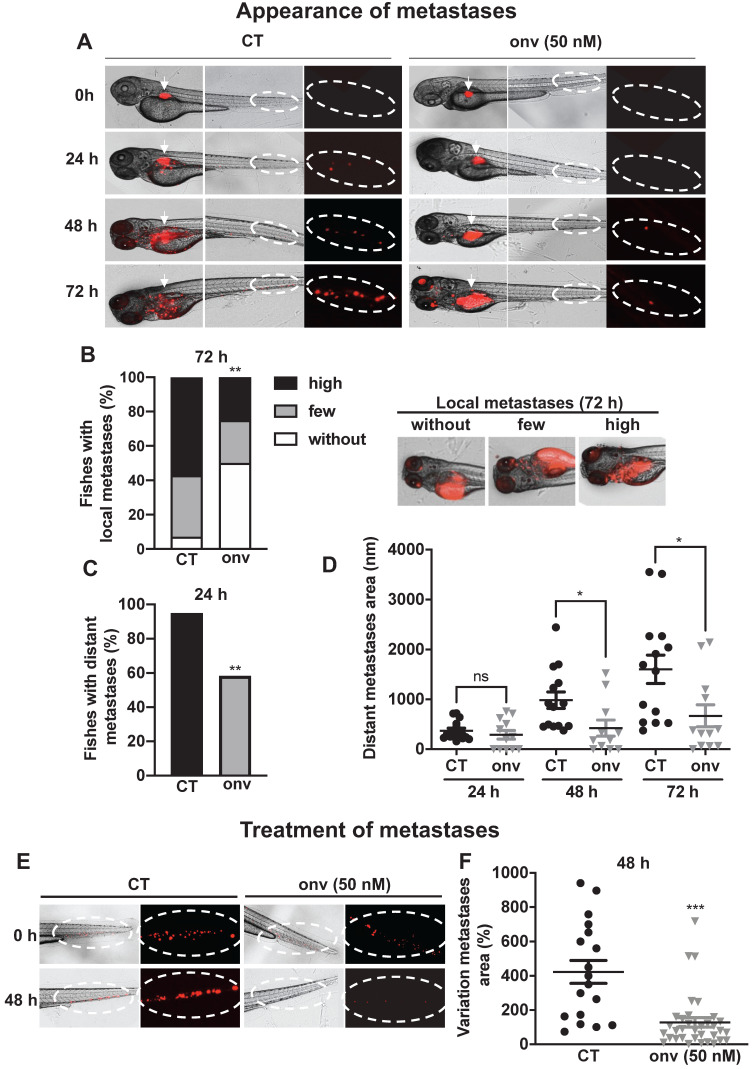
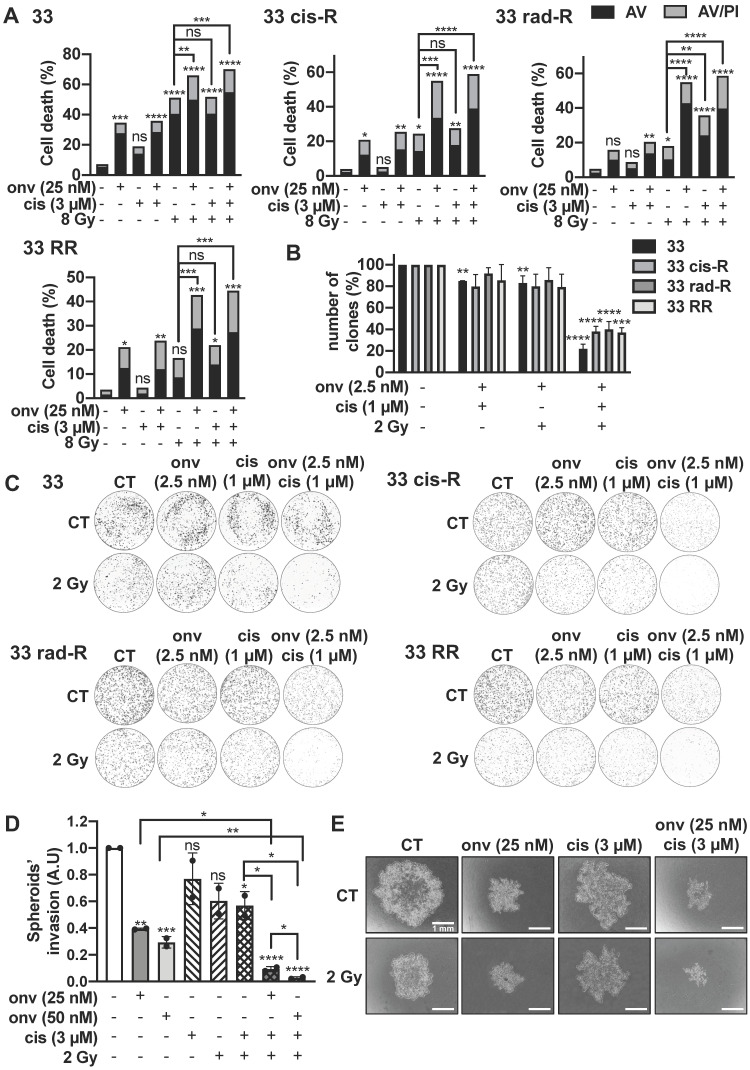
Head and neck squamous cell carcinoma (HNSCC) represent the 4 most aggressive cancer. 50% of patients relapse to the current treatments combining surgery, radiotherapy and cisplatin and die two years after the diagnosis. Elevated expression of the polo-like kinase 1 (Plk1) correlated to a poor prognosis in epidermoid carcinomas. The molecular links between Plk1 and resistance to cisplatin/radiotherapy were investigated in patients and cell lines resistant to cisplatin and/or to radiotherapy. The therapeutic relevance of the Plk1 inhibitor onvansertib, alone or combined with cisplatin/radiotherapy, was evaluated on the proliferation/migration on HNSCC cell lines, in experimental HNSCC in mice, in a zebrafish metastasis model and on patient-derived 3D tumor sections. Plk1 expression correlated to a bad prognosis in HNSCC and increased after relapse on cisplatin/radiotherapy. Onvansertib induced mitotic arrest, chromosomic abnormalities and polyploidy leading to apoptosis of sensitive and resistant HNSCC cells at nanomolar concentrations without any effects on normal cells. Onvansertib inhibited the growth of experimental HNSCC in mice and metastatic dissemination in zebrafishes. Moreover, onvansertib combined to cisplatin and/or radiotherapy resulted in a synergic induction of tumor cell death. The efficacy of onvansertib alone and in combination with reference treatments was confirmed on 3D viable sections of HNSCC surgical specimens. Targeting Plk1 by onvansertib represents a new strategy for HNSCC patients at the diagnosis in combination with reference treatments, or alone as a second line treatment for HNCSCC patients experiencing relapses.
头颈部鳞状细胞癌(HNSCC)是最具侵袭性的癌症之一。目前,手术、放疗和顺铂联合治疗后,50%的患者会复发,并且在诊断后两年内死亡。在表皮样癌中,极早期蛋白激酶 1(Plk1)的高表达与预后不良相关。本研究旨在探讨 Plk1 与顺铂/放疗耐药之间的分子联系,并在对顺铂和/或放疗耐药的患者和细胞系中进行研究。我们评估了 Plk1 抑制剂 onvansertib 单独或联合顺铂/放疗对 HNSCC 细胞系增殖/迁移的治疗相关性,在小鼠的 HNSCC 实验模型、斑马鱼转移模型和患者来源的 3D 肿瘤切片上进行了实验。Plk1 的表达与 HNSCC 的不良预后相关,并且在顺铂/放疗后复发时会增加。Onvansertib 在纳摩尔浓度下诱导有丝分裂停滞、染色体异常和多倍体形成,导致敏感和耐药的 HNSCC 细胞凋亡,而对正常细胞没有任何影响。Onvansertib 抑制了小鼠实验性 HNSCC 的生长和斑马鱼的转移扩散。此外,Onvansertib 联合顺铂和/或放疗可协同诱导肿瘤细胞死亡。在 HNSCC 手术标本的 3D 活组织切片上,单独使用 Onvansertib 和联合参考治疗均证实了其疗效。通过 Onvansertib 靶向 Plk1 为 HNSCC 患者提供了一种新的治疗策略,可单独使用或与参考治疗联合使用,用于初诊患者,也可用于复发患者的二线治疗。