
化疗引起的周围神经病变:流行病学、发病机制与治疗
Chemotherapy-Induced Peripheral Neuropathy: Epidemiology, Pathomechanisms and Treatment.
作者信息
Burgess Jamie, Ferdousi Maryam, Gosal David, Boon Cheng, Matsumoto Kohei, Marshall Anne, Mak Tony, Marshall Andrew, Frank Bernhard, Malik Rayaz A, Alam Uazman
机构信息
Department of Cardiovascular and Metabolic Medicine, The Pain Research Institute, Institute of Life Course and Medical Sciences, University of Liverpool, Liverpool University Hospital NHS Trust, Liverpool, UK.
Clinical Sciences Centre, Aintree University Hospital, Longmoor Lane, Liverpool, L9 7AL, UK.
出版信息
Oncol Ther. 2021 Dec;9(2):385-450. doi: 10.1007/s40487-021-00168-y. Epub 2021 Oct 16.
PURPOSE
This review provides an update on the current clinical, epidemiological and pathophysiological evidence alongside the diagnostic, prevention and treatment approach to chemotherapy-induced peripheral neuropathy (CIPN).
FINDINGS
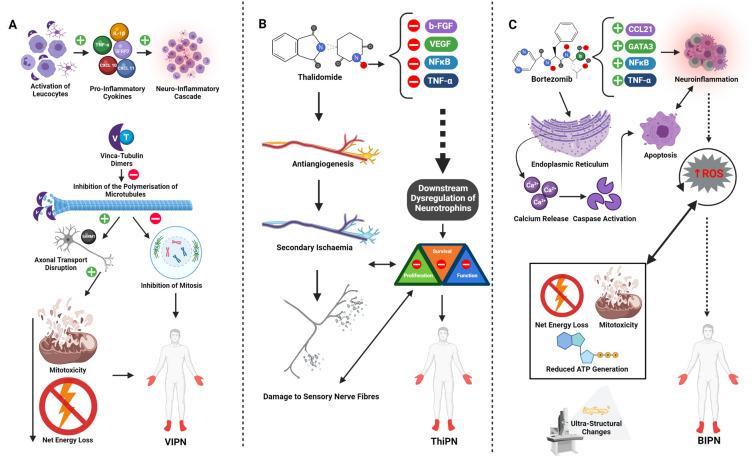
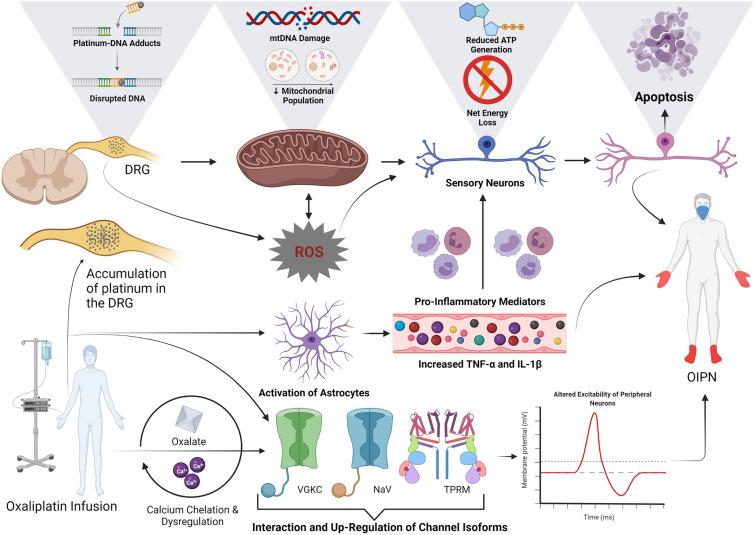
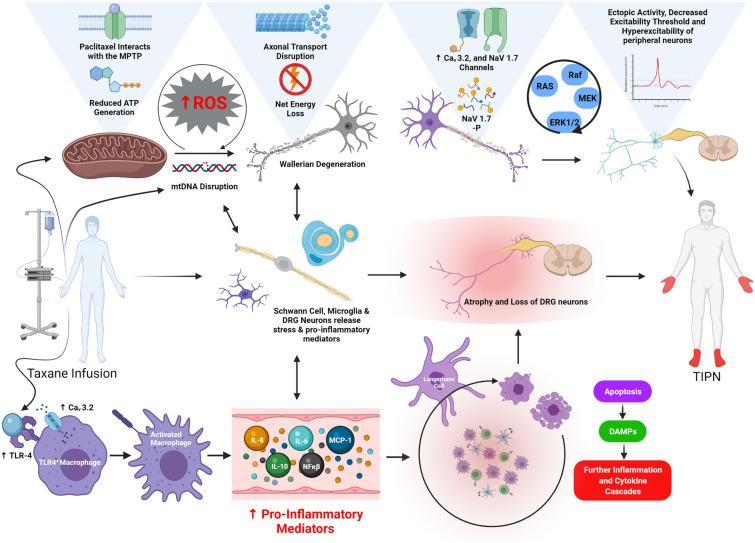
The incidence of cancer and long-term survival after treatment is increasing. CIPN affects sensory, motor and autonomic nerves and is one of the most common adverse events caused by chemotherapeutic agents, which in severe cases leads to dose reduction or treatment cessation, with increased mortality. The primary classes of chemotherapeutic agents associated with CIPN are platinum-based drugs, taxanes, vinca alkaloids, bortezomib and thalidomide. Platinum agents are the most neurotoxic, with oxaliplatin causing the highest prevalence of CIPN. CIPN can progress from acute to chronic, may deteriorate even after treatment cessation (a phenomenon known as coasting) or only partially attenuate. Different chemotherapeutic agents share both similarities and key differences in pathophysiology and clinical presentation. The diagnosis of CIPN relies heavily on identifying symptoms, with limited objective diagnostic approaches targeting the class of affected nerve fibres. Studies have consistently failed to identify at-risk cohorts, and there are no proven strategies or interventions to prevent or limit the development of CIPN. Furthermore, multiple treatments developed to relieve symptoms and to modify the underlying disease in CIPN have failed.
IMPLICATIONS
The increasing prevalence of CIPN demands an objective approach to identify at-risk patients in order to prevent or limit progression and effectively alleviate the symptoms associated with CIPN. An evidence base for novel targets and both pharmacological and non-pharmacological treatments is beginning to emerge and has been recognised recently in publications by the American Society of Clinical Oncology and analgesic trial design expert groups such as ACTTION.
目的
本综述提供了关于化疗诱导的周围神经病变(CIPN)的当前临床、流行病学和病理生理学证据,以及其诊断、预防和治疗方法的最新信息。
研究结果
癌症发病率和治疗后的长期生存率正在上升。CIPN会影响感觉、运动和自主神经,是化疗药物引起的最常见不良事件之一,严重情况下会导致剂量减少或治疗中断,死亡率增加。与CIPN相关的主要化疗药物类别包括铂类药物、紫杉烷类、长春花生物碱、硼替佐米和沙利度胺。铂类药物神经毒性最强,其中奥沙利铂导致CIPN的发生率最高。CIPN可从急性发展为慢性,甚至在治疗停止后(一种称为“滑行”的现象)仍可能恶化或仅部分缓解。不同的化疗药物在病理生理学和临床表现上既有相似之处,也有关键差异。CIPN的诊断很大程度上依赖于识别症状,针对受影响神经纤维类别的客观诊断方法有限。研究一直未能确定高危人群,也没有经过验证的预防或限制CIPN发展的策略或干预措施。此外,为缓解CIPN症状和改善潜在疾病而开发的多种治疗方法均告失败。
启示
CIPN患病率的上升需要一种客观的方法来识别高危患者,以预防或限制病情进展,并有效缓解与CIPN相关的症状。针对新靶点以及药物和非药物治疗的证据基础正在开始形成,并且最近在美国临床肿瘤学会和ACTTION等镇痛试验设计专家组的出版物中得到了认可。
 Zotero 插件